Bitcoiner PR🇵🇷⚡️

1K posts

Bitcoiner PR🇵🇷⚡️ banner
Bitcoiner PR🇵🇷⚡️

Bitcoiner PR🇵🇷⚡️

@BitcoinerPR

Creador de contenido sobre Bitcoin⚡️ De Puerto Rico 🇵🇷 100% Bitcoiner ⚡️ Corredor de Nodo ⚡️Bitcoin es el standard | Todo lo demás es ruido.

San Juan, PR Sumali Kasım 2024
181 Sinusundan121 Mga Tagasunod
Naka-pin na Tweet
Bitcoiner PR🇵🇷⚡️
Bitcoiner PR🇵🇷⚡️@BitcoinerPR·
🎙️Un podcast sobre Bitcoin 🇵🇷 Hecho por boricuas 📺Nuevo contenido todas las semanas ✔️Subscríbete al canal de YouTube👇 @BitcoinerPR" target="_blank" rel="nofollow noopener">youtube.com/@BitcoinerPR
Español
2
3
13
1.1K
Bitcoiner PR🇵🇷⚡️ nag-retweet
Bitcoin Magazine
Bitcoin Magazine@BitcoinMagazine·
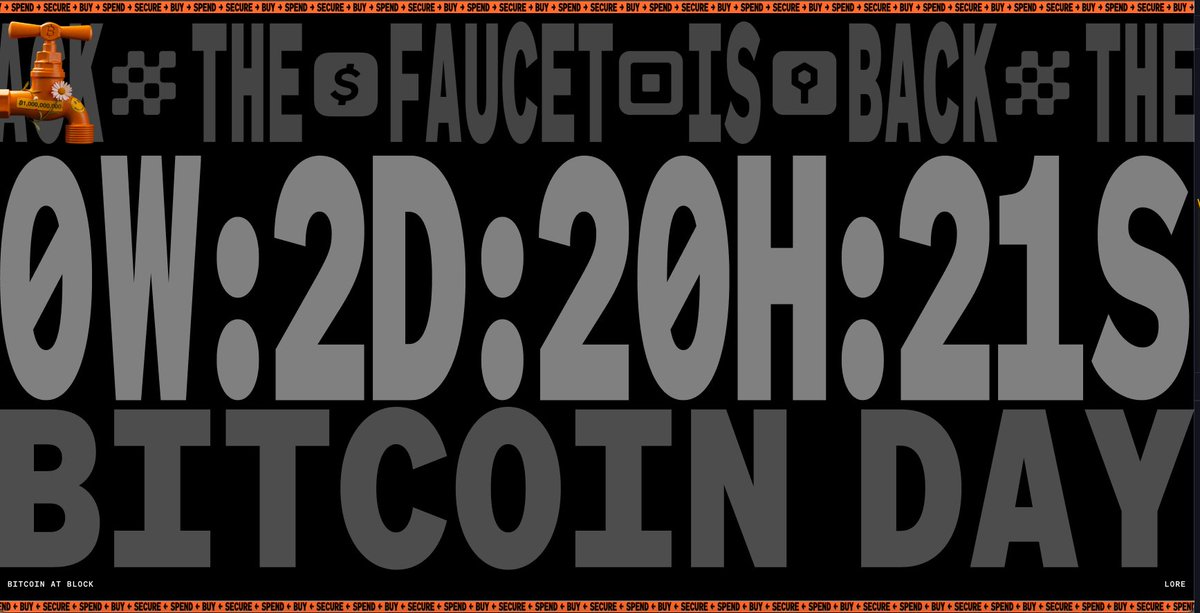
JUST IN: Jack Dorsey's Block is launching a BTC faucet to allow people to "earn free bitcoin" 👀
Bitcoin Magazine tweet media
English
96
258
2K
126.4K
Bitcoiner PR🇵🇷⚡️
Reaccionamos a comentarios sobre Bitcoin donde muchas cosas se dicen… pero pocas se entienden 💬⚡ Analizamos ideas equivocadas, mitos comunes y explicamos de forma clara qué es Bitcoin realmente y por qué tanta gente lo malinterpreta. Video completo en YouTube.
Español
0
0
0
8
Simply Bitcoin
Simply Bitcoin@SimplyBitcoin·
COINBASE EXPECTS THE CLARITY ACT TO HAVE A RESOLUTION WITHIN 48 HOURS 👀 THE COUNTDOWN BEGINS ⏲️
English
17
34
353
23.6K
Bitcoiner PR🇵🇷⚡️
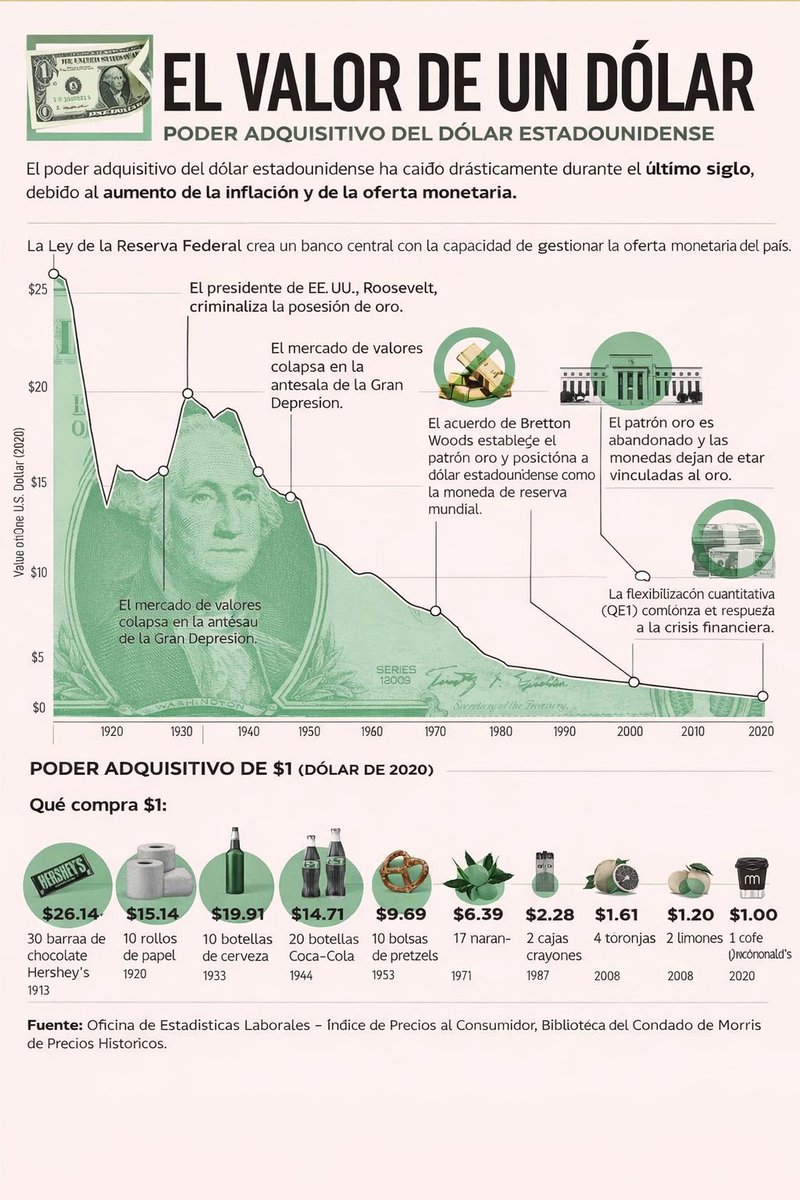
Seguimos tratando de educar que Bitcoin es dinero digno y el activo más ético que existe. Pero todavía es muy temprano para que muchos lo entiendan.
Bitcoiner PR🇵🇷⚡️ tweet media
Español
0
0
0
11
Bitcoiner PR🇵🇷⚡️
@francoscandizzo @visionario_btc Te digo por qué no es popular esa opinión: Siempre mencionen a Bitcoin con lo del quantum pero Quantum es un problema de la humanidad, no solo de Bitcoin. Otras cosas van a romper antes que Bitcoin y eso hará a Bitcoin más fuerte.
Español
0
0
2
16
Adrián Treviño
Adrián Treviño@visionario_btc·
Opinión poco popular: #Bitcoin está más en riesgo ante la computación cuántica que los bancos y el internet en general. 3 problemas: 1. Con Bitcoin tienes acceso directo a tus fondos con un par de claves pública/privada. Un sistema centralizado como un banco tiene múltiples capas de seguridad y puede revertir pagos o congelar cuentas si detecta un ataque. Por ejemplo, un PIN de 4 digitos es fácil de adivinar para cualquier computadora, no solo una computadora cuántica. El detalle aquí es que un banco tiene límites de intentos y puede intervenir, mecanismos que Bitcoin no tiene. 2. Bitcoin tiene un problema de coordinación. No hay un CEO ni una junta directiva para llegar a una solución específica (de criptografía post-cuántica) y actualizar el sistema. La red consiste de miles de personas con perspectivas y prioridades diferentes, ponerse de acuerdo en una solución toma mucho tiempo. Esto lo estamos viendo ahora mismo, unos entran en pánico con noticias alarmistas mientras que otros no esperan que sea un problema hasta dentro de +15 años. Un banco o una empresa tecnológica por ejemplo, al tener un liderazgo más establecido y un control centralizado, pueden implementar soluciones más rápido que una red descentralizada asumiendo los costos y responsabilidad completa. 3. Bitcoin tiene una capacidad limitada con bloques de 4MB. Las firmas post-cuánticas son mucho más grandes que las actuales, necesitan aproximadamente 10x más espacio que las tx. actuales (dependiendo del algoritmo). Para mantener la escalabilidad que Bitcoin tiene hoy se tienen que encontrar algoritmos de firmas PQ mucho más eficientes o aumentar el tamaño de los bloques de Bitcoin. ¿Esto significa que tenemos que entrar en pánico? No. La computación cuántica está lejos de ser un problema para #Bitcoin. Unos estiman que será un problema en 5 años, otros que tardará 15 años... lo importante es estar preparados y mantenernos objetivos, teniendo en cuenta que Bitcoin es un sistema complejo y difícil de cambiar. No entrar en pánico, pero tampoco minimizar el problema y tomar todo como "FUD". Así como avanzará la computación cuántica también lo va a hacer la criptografía post-cuántica, tenemos muchas razones para estar optimistas. Gracias por venir a mi Ted Talk.
Español
13
4
102
8.9K
Bitcoiner PR🇵🇷⚡️
Seguimos reaccionando a comentarios que se repiten por ahí siempre. “Bitcoin no tiene valor intrínseco, depende de que alguien te lo compre más alto…” Que esto se diga todavía en 2026 es señal de que aún estamos bien temprano. youtube.com/watch?v=Skuvj_…
YouTube video
YouTube
Español
1
0
1
29
Simply Bitcoin
Simply Bitcoin@SimplyBitcoin·
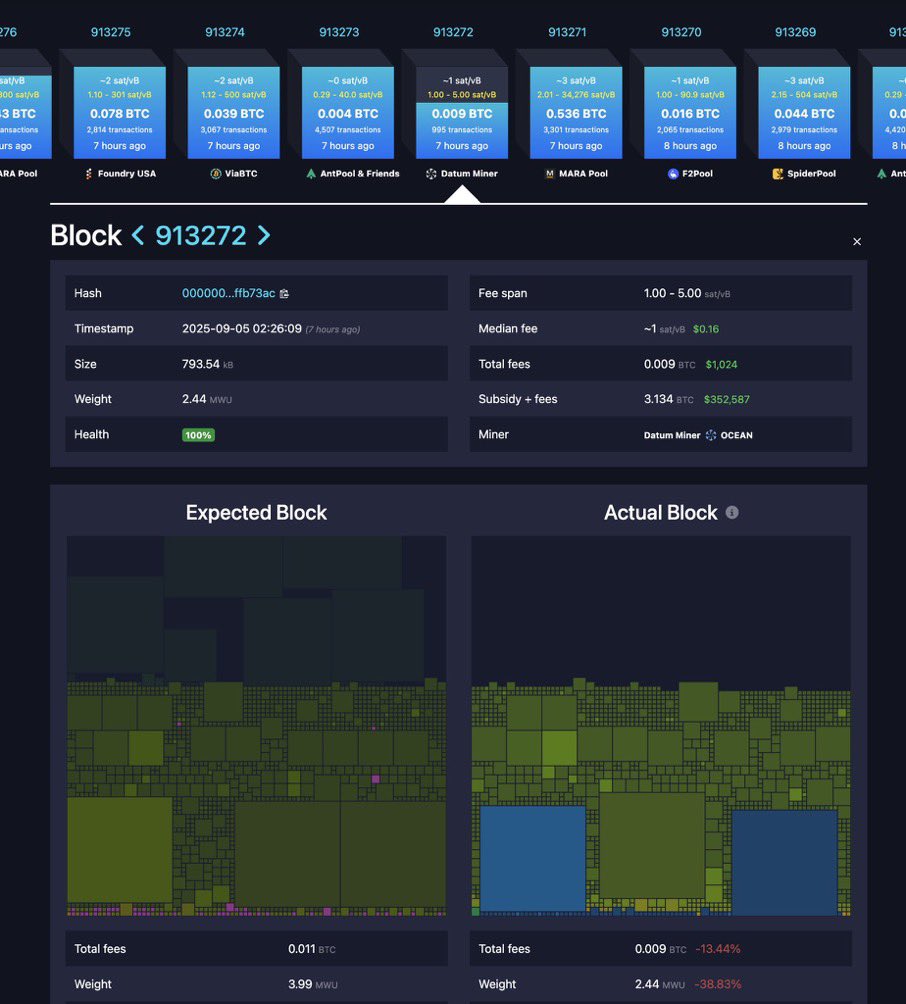
An OCEAN miner produced a Bitcoin block rejecting all known arbitrary data If the block would have included the available trash it would have added an extra 0.00293294 = $325.46
Simply Bitcoin tweet media
English
28
25
233
16.9K
Bitcoiner PR🇵🇷⚡️
Trump: “Bitcoin es muy poderoso.” “Muchísimas personas ahora quieren pagarte en cripto, quieren pagarte en bitcoin. Tenemos que estar a la vanguardia de eso.”
Español
0
0
1
19
Bitcoiner PR🇵🇷⚡️ nag-retweet
TFTC
TFTC@TFTC21·
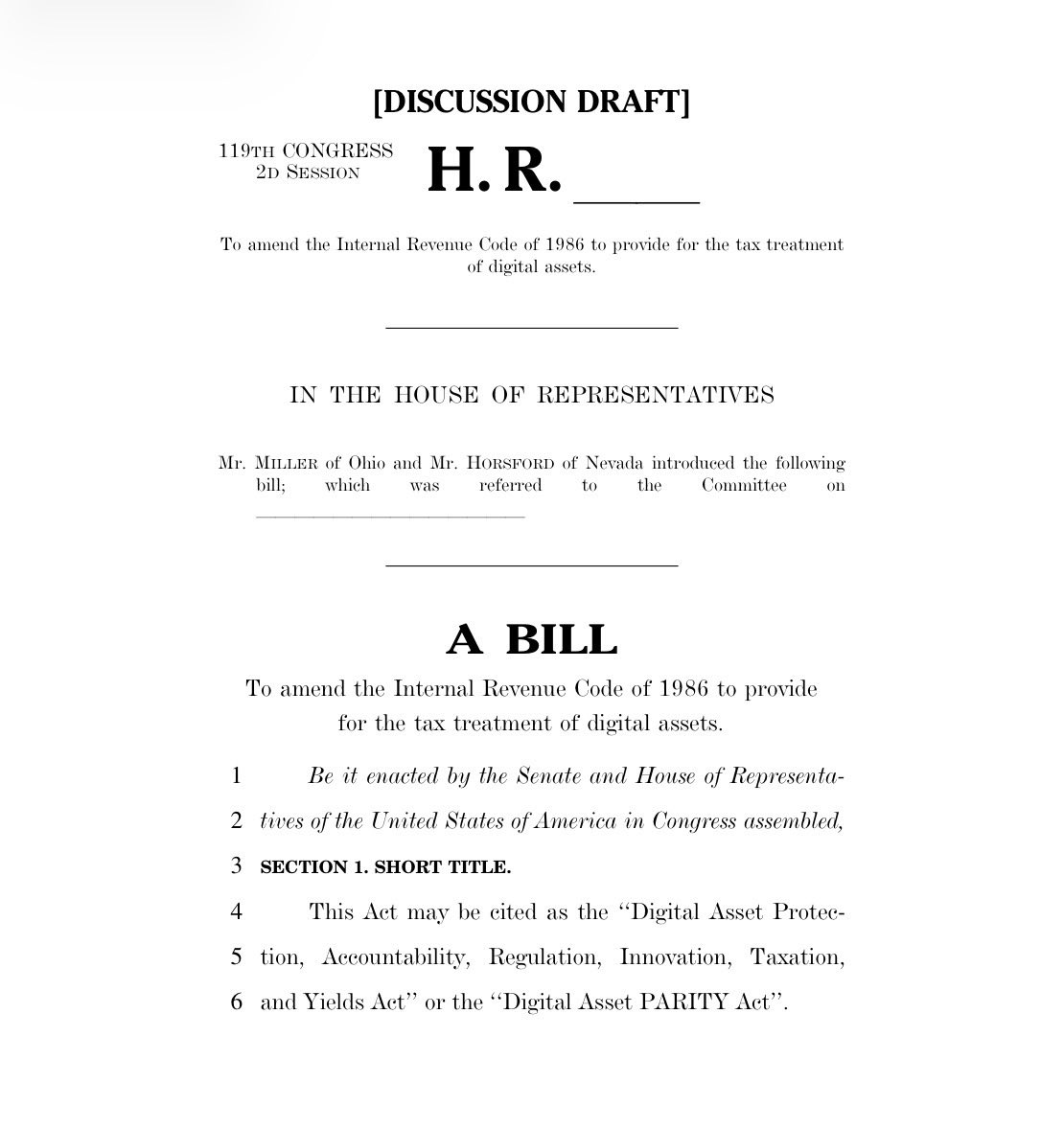
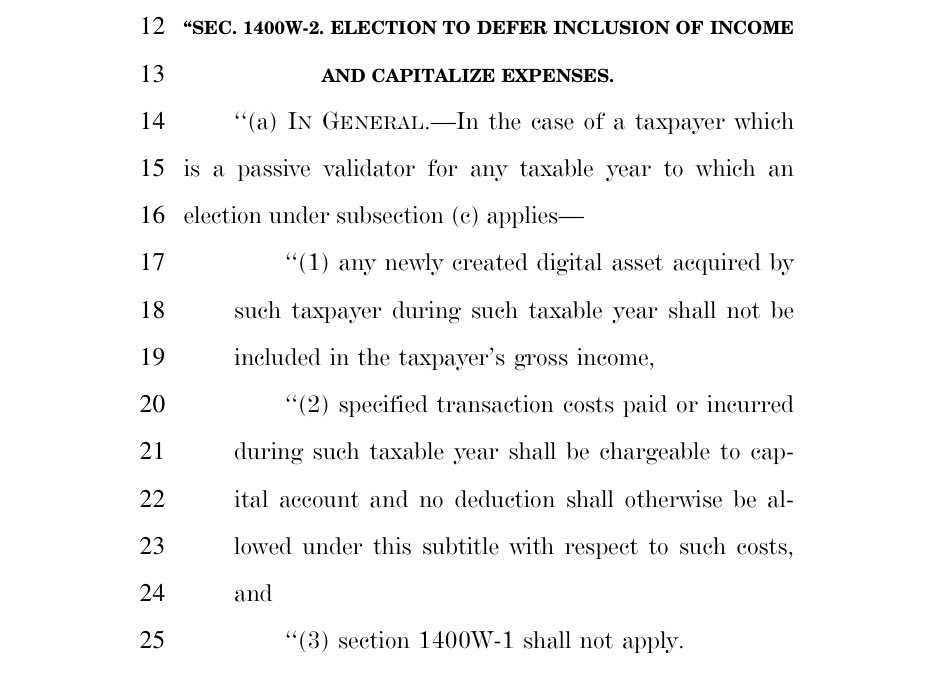
New discussion draft of the bipartisan Digital Asset PARITY Act from Reps. Horsford (D-NV) & Miller (R-OH) gives staking rewards tax deferral as "passive validation," but leaves Bitcoin mining facing double taxation. De minimis exemption for stablecoins only, not Bitcoin. Bitcoin Policy Institute to release full statement soon.
TFTC tweet mediaTFTC tweet mediaTFTC tweet media
English
14
18
143
16.2K
Bitcoiner PR🇵🇷⚡️
Bitcoiner PR🇵🇷⚡️@BitcoinerPR·
Qué cojones! ¿Para qué queremos extensión de minimis para stablecoins? Por definición, no la necesitan.
TFTC@TFTC21

Folks, we told you this was coming, and today the mask is fully off. A couple weeks back we reported, based on solid sources, that Coinbase was quietly lobbying to kill a real de minimis tax exemption for Bitcoin while pushing one that applied only to stablecoins like USDC. We laid out the clear incentives in our deep dive. Coinbase made 1.35 billion dollars in stablecoin revenue last year, up 48 percent year over year, almost entirely from yield on the Treasuries backing USDC. A proper Bitcoin de minimis would let people spend sats on everyday purchases without triggering taxable events on every transaction. That directly competes with their centralized yield machine. We called it what it was. Policy that protects Coinbase’s float rather than advancing neutral Bitcoin adoption. Brian Armstrong pushed back hard. He called our reporting totally false and misinformation while insisting he was personally lobbying for Bitcoin de minimis. Some accused us of lying or spreading rumors. We stood firm. We offered to have Brian on the TFTC podcast to clear the air. We waited. Now the latest draft from Reps. Horsford and Max Miller on the updated PARITY Act framework has dropped. It confirms exactly what we warned about. It gives a de minimis exemption to stablecoins but leaves Bitcoin out entirely. It keeps the punishing double taxation on Bitcoin mining fully intact while carving out relief for passive validation, basically staking. This is not an oversight or sloppy drafting. It abandons any pretense of technology neutrality and deliberately picks winners. Dollar-pegged stables and staking get the breaks, while actual Bitcoin usage as money and Proof-of-Work mining get kneecapped. Without de minimis for Bitcoin, every small Lightning payment or sat transaction still forces cost-basis tracking and IRS headaches. Paying your plumber in sats or grabbing lunch with Bitcoin remains a taxable event. Stablecoins, being pegged and low-volatility, get an exemption they barely need. The real beneficiary is protecting that massive USDC reserve float and the yield it generates. Meanwhile, American Bitcoin miners, already operating in one of the toughest, most capital- and energy-intensive industries, face continued double taxation while staking gets a pass. That is not neutral policy. It is industrial policy against domestic Bitcoin mining at a time when we should be leaning into energy abundance and securing the hardest monetary network. The Bitcoin Policy Institute is releasing a full statement soon, and we fully back the call for strong community pushback. Every Bitcoiner needs to contact their reps and make it politically radioactive to sideline Bitcoin while handing carve-outs to stables and staking. This language slows real adoption, entrenches custodians, and weakens American Bitcoin infrastructure. We weren’t lying. Our sources weren’t lying. The draft proves the reporting was on target. Those who rushed to call it misinformation owe the community some honest reflection. Brian, if you’re still open to that conversation, the invitation stands. Come on the podcast. No spin, just walk us through how this draft lines up with your stated support for Bitcoin de minimis. The mic is warm. This fight isn’t over. Bitcoin doesn’t need permission, but bad policy can delay sovereign adoption and punish the miners securing the network. We’re here to protect the protocol and the right of individuals to use sound money without turning every transaction into a compliance nightmare. Stay sovereign. Stack sats. Use Bitcoin as money anyway. Call your reps today.

Español
0
0
0
17