Intell Think

53 posts

Intell Think banner
Intell Think

Intell Think

@IntellThink

Smart ideas, Deep thinking, Future knowledge — Upgrade your mind

Sumali Ocak 2026
26 Sinusundan12 Mga Tagasunod
Intell Think
Intell Think@IntellThink·
@krakenfx @krakensupport I can't withdraw Kraken is not safe, they don't allow withdrawals after depositing. I tried to contact them via live chat but they didn't respond to my messages, this is a scam. No fund safe
Intell Think tweet media
English
6
0
3
32
Intell Think
Intell Think@IntellThink·
Coinbase was hacked a few hours ago. After depositing funds, many users have not received them in their Coinbase accounts. Although Coinbase is aware of this issue, several hours have passed and they have still not resolved it. Funds on Coinbase are not safe @coinbase
English
4
0
0
66
MMCrypto
MMCrypto@MMCrypto·
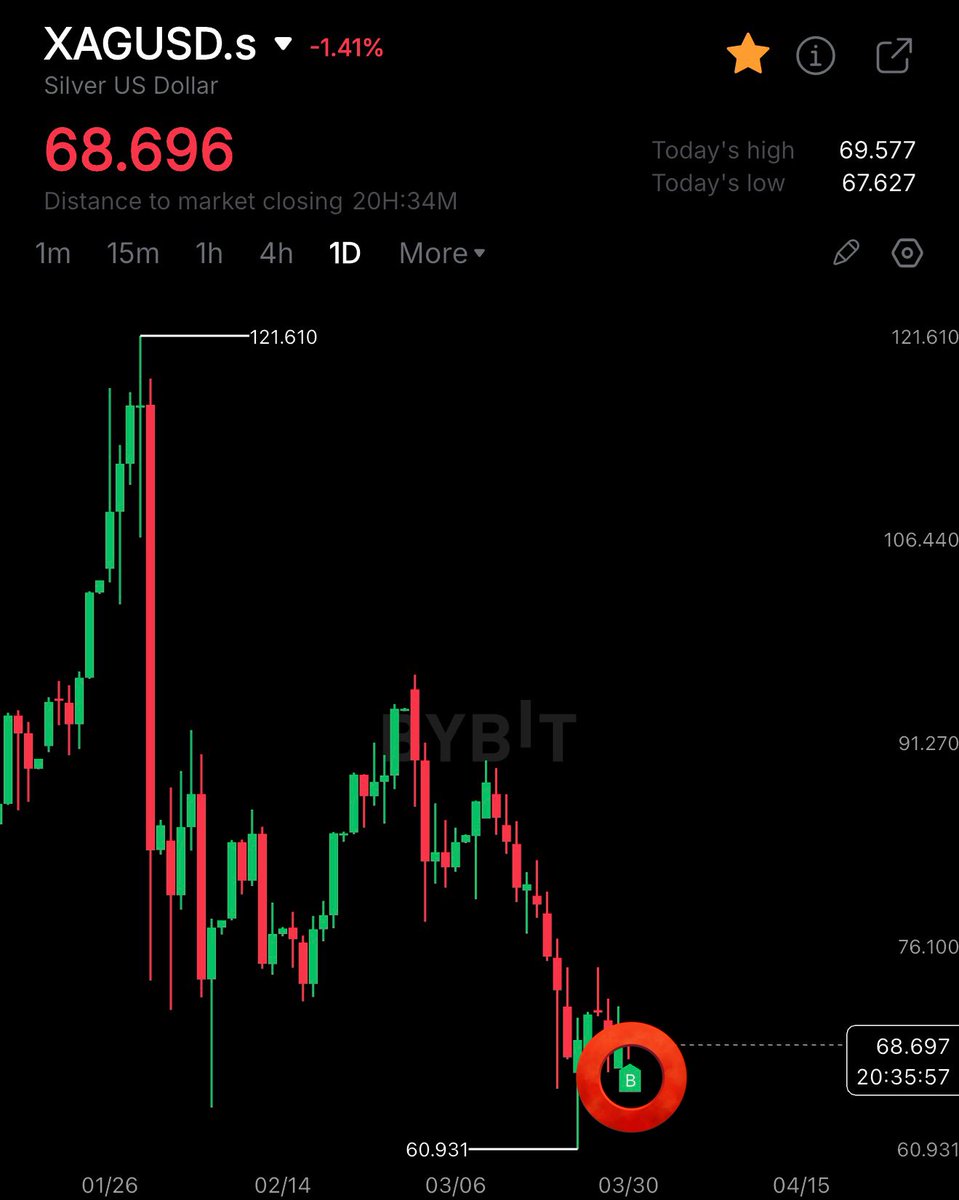
Silver had a 50% retracement. Starting to go in.
MMCrypto tweet media
English
116
128
1K
345K
Michael Saylor
Michael Saylor@saylor·
I'm buying bitcoin right now. Are you?
English
6.1K
2.6K
34K
2M
Intell Think
Intell Think@IntellThink·
This is a really strong framing. Viewing security as minimizing divergence between user intent and system behavior clarifies why “perfect security” is impossible — not because systems fail, but because intent itself is under-specified. The redundancy-from-different-angles idea is especially compelling. It’s not about adding friction everywhere, but about aligning multiple approximations of intent so that dangerous divergences become harder. That feels like the right abstraction for both crypto UX and AI systems.
English
0
0
0
377
vitalik.eth
vitalik.eth@VitalikButerin·
How I think about "security": The goal is to minimize the divergence between the user's intent, and the actual behavior of the system. "User experience" can also be defined in this way. Thus, "user experience" and "security" are thus not separate fields. However, "security" focuses on tail risk situations (where downside of divergence is large), and specifically tail risk situations that come about as a result of adversarial behavior. One thing that becomes immediately obvious from the above definition, is that "perfect security" is impossible. Not because machines are "flawed", or even because humans designing the machines are "flawed", but because "the user's intent" is fundamentally an extremely complex object that the user themselves does not have easy access to. Suppose the user's intent is "I want to send 1 ETH to Bob". But "Bob" is itself a complicated meatspace entity that cannot be easily mathematically defined. You could "represent" Bob with some public key or hash, but then the possibility that the public key or hash is not actually Bob becomes part of the threat model. The possibility that there is a contentious hard fork, and so the question of which chain represents "ETH" is subjective. In reality, the user has a well-formed picture about these topics, which gets summarized by the umbrella term "common sense", but these things are not easily mathematically defined. Once you get into more complicated user goals - take, for example, the goal of "preserving the user's privacy" - it becomes even more complicated. Many people intuitively think that encrypting messages is enough, but the reality is that the metadata pattern of who talks to whom, and the timing pattern between messages, etc, can leak a huge amount of information. What is a "trivial" privacy loss, versus a "catastrophic" loss? If you're familiar with early Yudkowskian thinking about AI safety, and how simply specifying goals robustly is one of the hardest parts of the problem, you will recognize that this is the same problem. Now, what do "good security solutions" look like? This applies for: * Ethereum wallets * Operating systems * Formal verification of smart contracts or clients or any computer programs * Hardware * ... The fundamental constraint is: anything that the user can input into the system is fundamentally far too low-complexity to fully encode their intent. I would argue that the common trait of a good solution is: the user is specifying their intention in multiple, overlapping ways, and the system only acts when these specifications are aligned with each other. Examples: * Type systems in programming: the programmer first specifies *what the program does* (the code itself), but then also specifies *what "shape" each data structure has at every step of the computation*. If the two diverge, the program fails to compile. * Formal verification: the programmer specifies what the program does (the code itself), and then also specifies mathematical properties that the program satisfies * Transaction simulations: the user specifies first what action they want to take, and then clicks "OK" or "Cancel" after seeing a simulation of the onchain consequences of that action * Post-assertions in transactions: the transaction specifies both the action and its expected effects, and both have to match for the transaction to take effect * Multisig / social recovery: the user specifies multiple keys that represent their authority * Spending limits, new-address confirmations, etc: the user specifies first what action they want to take, and then, if that action is "unusual" or "high-risk" in some sense, the user has to re-specify "yes, I know I am doing something unusual / high-risk" In all cases, the pattern is the same: there is no perfection, there is only risk reduction through redundancy. And you want the different redundant specifications to "approach the user's intent" from different "angles": eg. action, and expected consequences, expected level of significance, economic bound on downside, etc This way of thinking also hints at the right way to use LLMs. LLMs done right are themselves a simulation of intent. A generic LLM is (among other things) like a "shadow" of the concept of human common sense. A user-fine-tuned LLM is like a "shadow" of that user themselves, and can identify in a more fine-grained way what is normal vs unusual. LLMs should under no circumstances be relied on as a sole determiner of intent. But they are one "angle" from which a user's intent can be approximated. It's an angle very different from traditional, explicit, ways of encoding intent, and that difference itself maximizes the likelihood that the redundancy will prove useful. One other corollary is that "security" does NOT mean "make the user do more clicks for everything". Rather, security should mean: it should be easy (if not automated) to do low-risk things, and hard to do dangerous things. Getting this balance right is the challenge.
English
620
277
1.7K
205.6K
Jadoodoo 🍑
Jadoodoo 🍑@jadoodoo_·
pov: my trading emotions today
English
34
3
161
5.8K
Jadoodoo 🍑
Jadoodoo 🍑@jadoodoo_·
What are you gonna do? 🥹
English
26
4
145
4.8K
Jadoodoo 🍑
Jadoodoo 🍑@jadoodoo_·
1000 USDT -> 7500 USDT $ETH 75X 55 SEED DOING A QUANTUM JUMP Y’ALL HOPPED ON THE LONG RIGHT?!
Jadoodoo 🍑 tweet media
English
17
1
109
7K
Ash Crypto
Ash Crypto@AshCrypto·
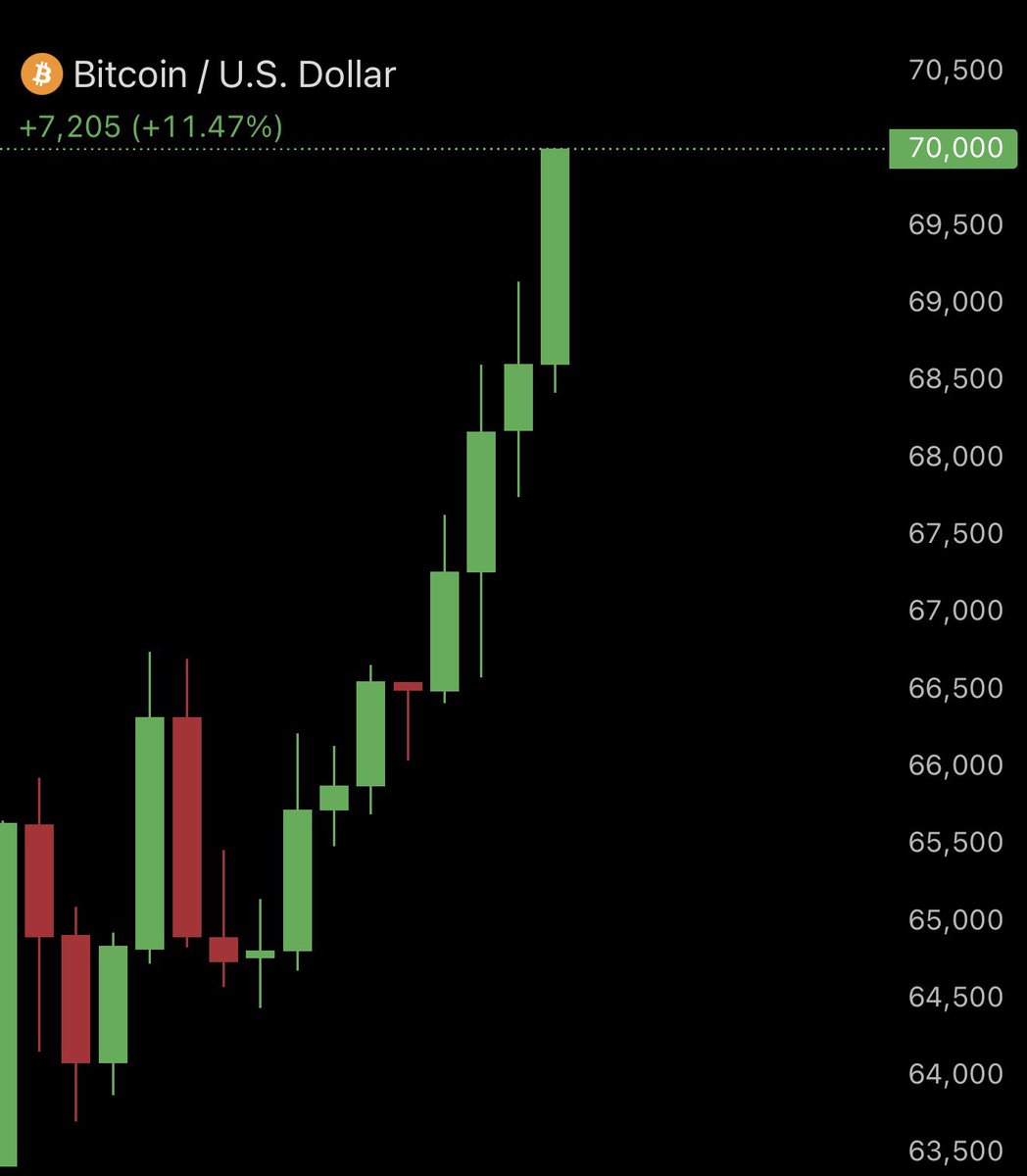
Bitcoin is back above $70,000 ETH is back above $2,000
Ash Crypto tweet mediaAsh Crypto tweet media
English
306
259
2.1K
74.8K
Bitcoin Magazine
Bitcoin Magazine@BitcoinMagazine·
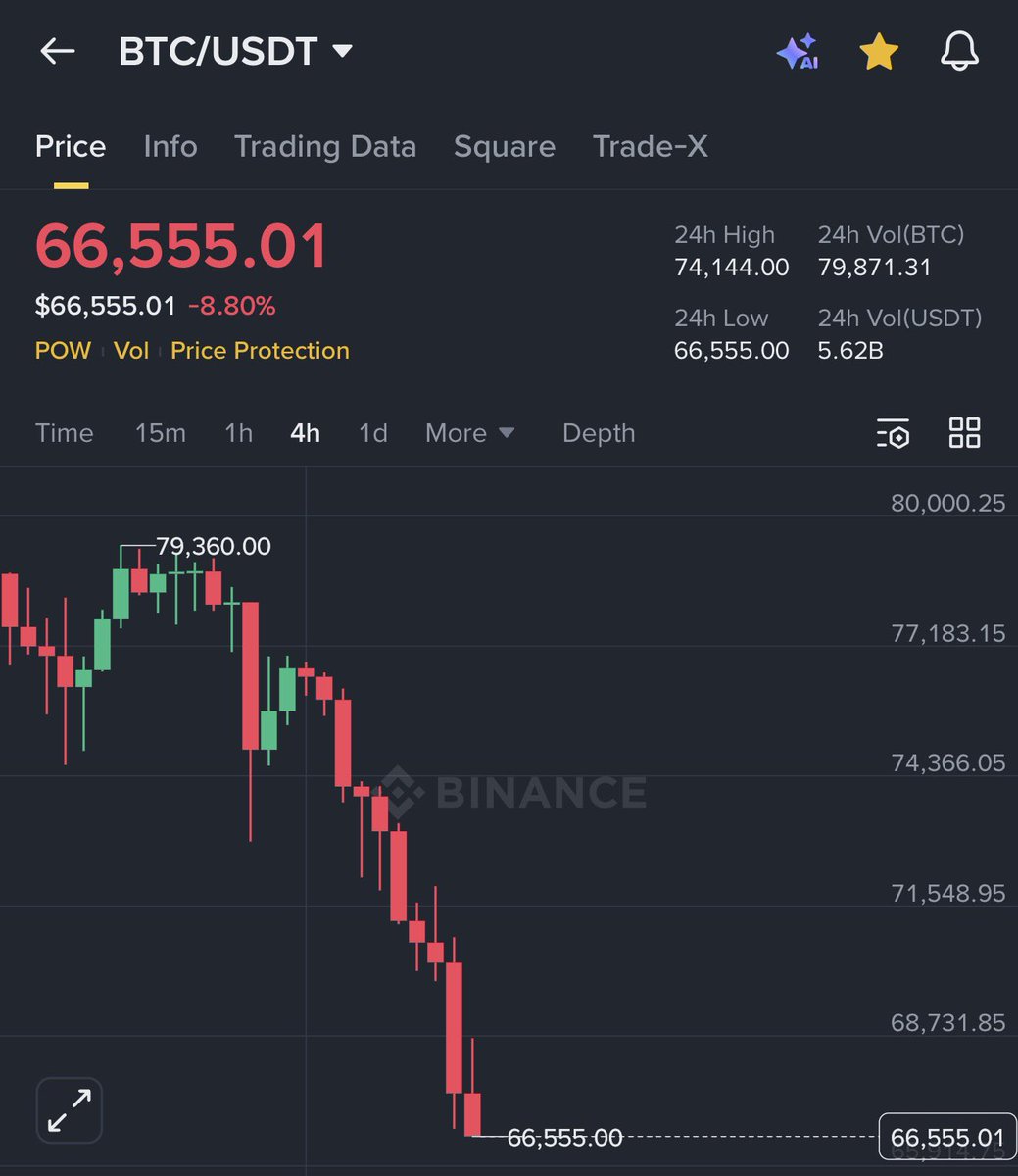
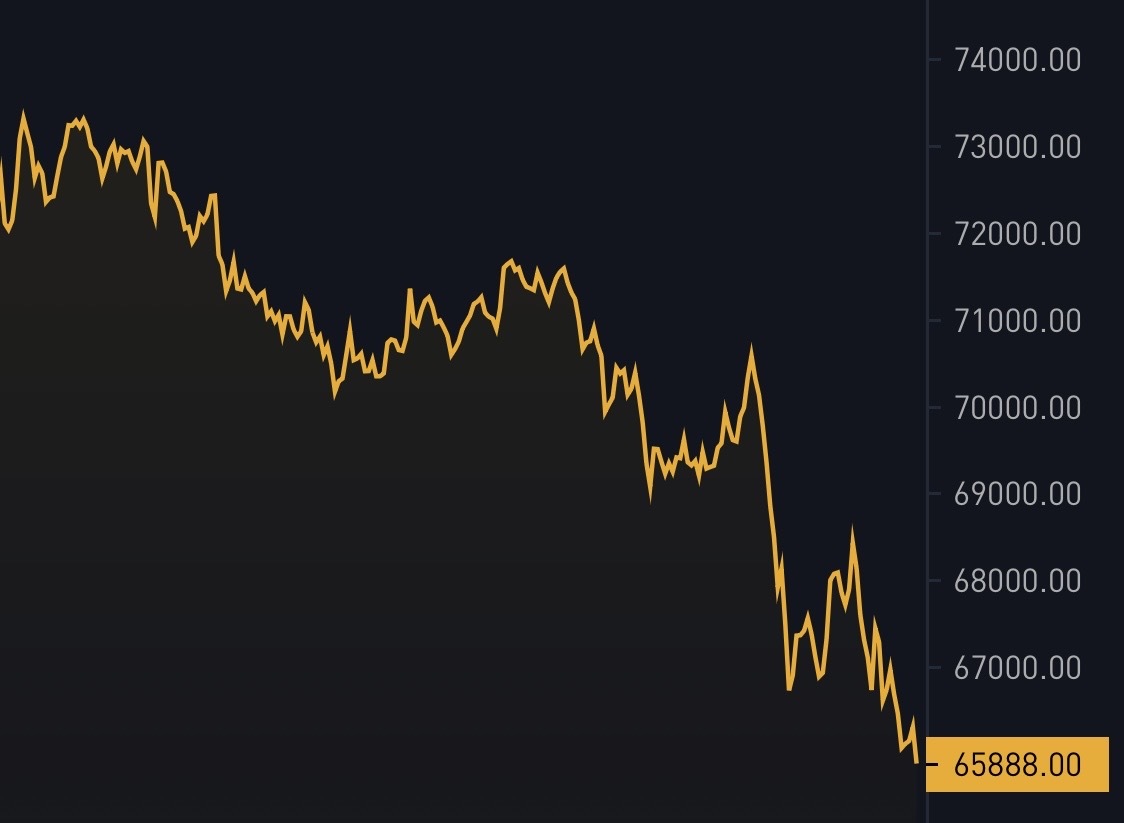
BREAKING: $65,888 Bitcoin HOLD THE LINE! ✊
Bitcoin Magazine tweet media
English
140
140
1K
71.6K
Ash Crypto
Ash Crypto@AshCrypto·
95% of people posting “BUY THE DIP” never actually trade crypto, because those who really do have been all in since 2024 and already bought every dip they could. So please shut the fck up.
English
360
145
2.4K
119.7K
Ash Crypto
Ash Crypto@AshCrypto·
Bitcoin is down -$18,000 in last 7 days Mr. President, We can’t take this anymore
Ash Crypto tweet media
English
348
179
1.8K
84.9K
Intell Think
Intell Think@IntellThink·
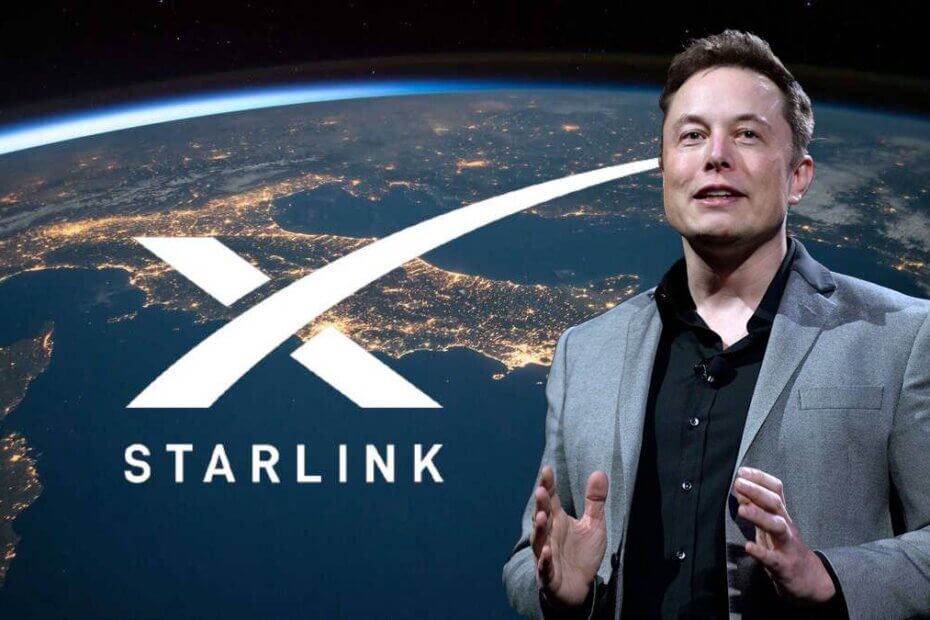
🚀 BREAKING: Starlink now connects 9M+ users across ~155 countries, adding 1M+ users in weeks as Brazil hits 1M subscribers 🌍🛰️
Intell Think tweet media
English
0
0
0
61
Intell Think
Intell Think@IntellThink·
Analyst Tom Lee says Bitcoin & ETH got hit hard but bottom could be near.
Intell Think tweet media
English
0
0
0
51
Intell Think
Intell Think@IntellThink·
🔻 Bitcoin is lingering near 15-month lows amid heavy liquidations.
English
0
0
0
42
Intell Think
Intell Think@IntellThink·
💥 Bitcoin & ETH under pressure Bitcoin and Ethereum remain in the red with extended losses reflecting weak risk appetite and broader market turbulence. Continued downside has shaken confidence across major tokens and altcoins.
English
0
0
0
21
Intell Think
Intell Think@IntellThink·
📉 Crypto rout deepens: Nearly US$470 B wiped out The global crypto market continues a steep sell-off this week, with Bitcoin dipping as low as ~$72,877 before rebounding toward ~$76,200 and Ethereum sliding around ~$2,270 amid fragile sentiment and risk-off trading. Total market cap has slumped sharply as investors retreat.
English
0
0
0
20
Intell Think
Intell Think@IntellThink·
🔥 HOT: Altcoins Hit Hard – Liquidations rise as traders exit high-risk positions across the market 💥
English
0
0
0
17