

BREAKER🔥🔥
287 posts

BREAKER🔥🔥
@Lizzy__syn
Crypto || FX Trading || Fan Account || FCB
Sumali Ekim 2025
121 Sinusundan322 Mga Tagasunod

JUST IN: South Korea investigating cargo ship struck by “unidentified flying objects” in the Strait of Hormuz.
English

@official_Gegeh Masturbation doesn't cause that bro, impact its very normal to not wake up with an erection.
English

Describe Alex Soros in one word

Alex Soros@AlexanderSoros
Grateful to celebrate two amazing mothers this Mother’s Day. ❤️
English
@EndWokeness Omg, but they eat the tissue not the thinking neurons.
English
JUST IN: Transgender Green Party candidate Q Manivannan, who does not have a British visa, elected to Scottish Parliament.
English
@kirawontmiss This is why most cheating results in pregnancy and paternity fraud.
English

Even women’s eggs can’t recognize a good man sperm 😭
All day Astronomy@forallcurious
🚨: A study in Sweden showed that the egg can ignore the 'ideal' sperm, even if it's the first one to arrive
English
@BarackObama God bless all the mothers around the world. Happy mother's day.
English
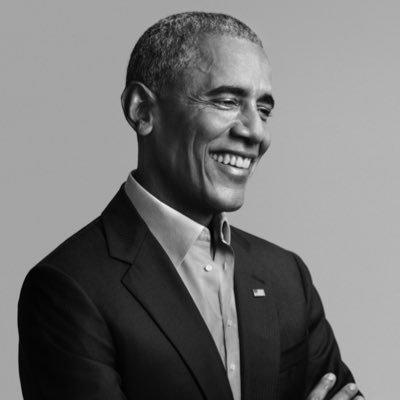
This Mother’s Day, I’m thinking about my mom, and all the lessons she taught me. I'm proud to honor her memory with the Ann Dunham Water Terrace at the Obama Presidential Center.
English
@john322226 Gigs for small accounts, you are indeed doing better than most celebrities. Thank you boss.
English

If you Dey hardworking and Dey put energy for your account, in few months I go share gigs with you.
I don already pick 4 strong small accounts and by Tuesday them go start work.
Stessy ✨@stessysteve
People dont want to go where there is work or where they will do some work..they want already made goods that why they give up so easily
English
@Mrbankstips Its god way of getting them caught or punishing the husband if he's not treating her good.
English

@BRICSinfo Natenyahu is a useless war monger who always manipulates US for his evil agenda. I hope he meet his Waterloo soon.
English

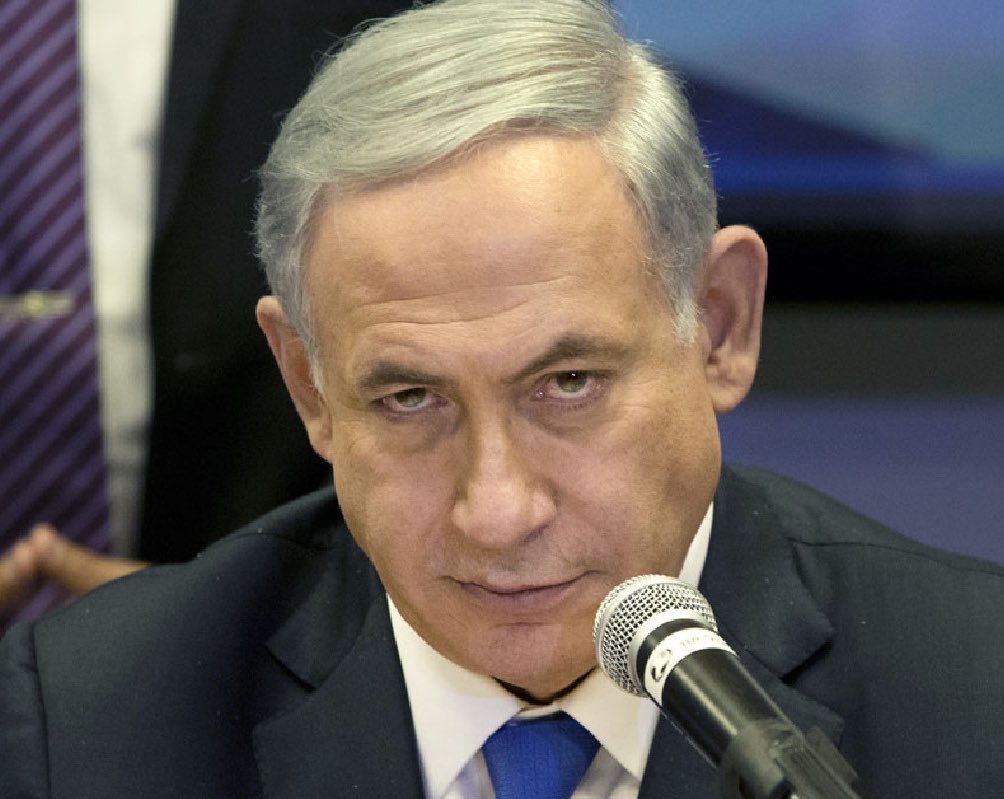
JUST IN: 🇮🇱🇮🇷 Israeli Prime Minister Netanyahu says war with Iran is "not over."

English
@MarioNawfal The war is over, US got khamanei and iran stays stronger and better than pre war times.
English

🚨🇮🇷🇺🇸 BREAKING:
Iran has reportedly sent its response to the U.S. proposed text.
Source: IRNA

Mario Nawfal@MarioNawfal
🇮🇷🇺🇸 Iran's Supreme Leader Mojtaba Khamenei has reportedly issued "new guiding measures" to the head of the country's armed forces to "firmly confront adversaries." The military chief told state media Iran is ready to confront "any action by the American-Zionist enemies" and that any error will be met with a response that is "swift, severe, and decisive." Still no public appearance from Mojtaba. Just orders, through walls nobody can see. Source: Reuters
English
@Limitedfuq @BRICSinfo Come out to light? maybe in another universe. Do you know what nuclear winter is.
English

@Lizzy__syn @BRICSinfo While it looks bad and inhumane but honestly if they assassinate him
I’d be a lot happier cause his people would actually come out to light and progress beyond’s the 1800s
And also come out of the one party system and gain freedom to travel and live freely without fear
English
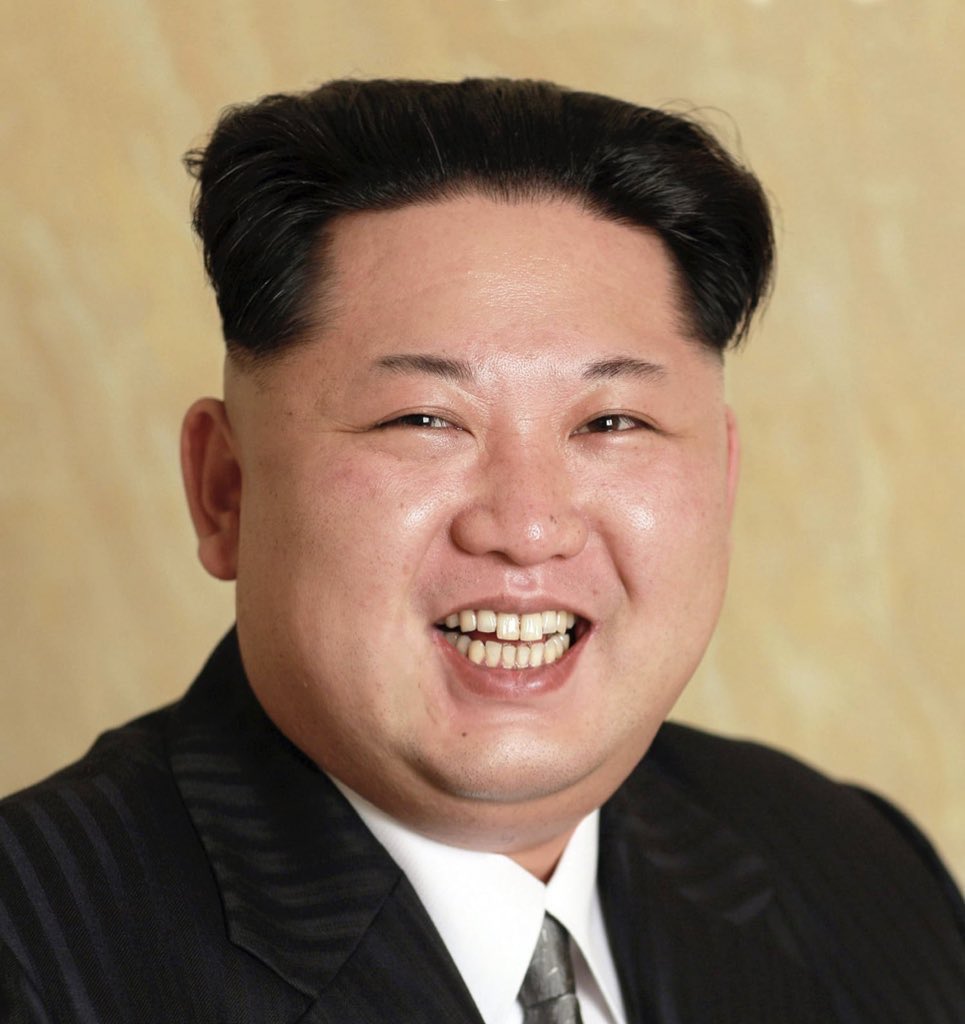
JUST IN: 🇰🇵 North Korea updates constitution to automatically launch nuclear strike if Kim Jong Un is assassinated.

English
@Wizarab10 Princess treatment is for ladies with FLOS not this certified OS Nigerian girls.
English

@DanielRegha Obi is just a fraud who has always been part of the criminal empire that hijacked youth movement after endsars protest.
English

But same Peter Obi said education is not for the poor, emphasis on the poor; And same Obi worked with Atiku who has several corruption allegations, he Obi also worked with Goodluck who's administration was reportedly corrupt, and praised Buhari while sending condolences, someone who's regime was heavily linked with looting allegations, looting in trillions of cash.
So he applauds looters, and wants to fix the nation? Condemned the structure of criminality and merged with one. OK.
Instablog9ja@instablog9ja
“Nigeria is not a p%%r country, it was looted into p%verty, and we will change it” — Peter Obi declares
English

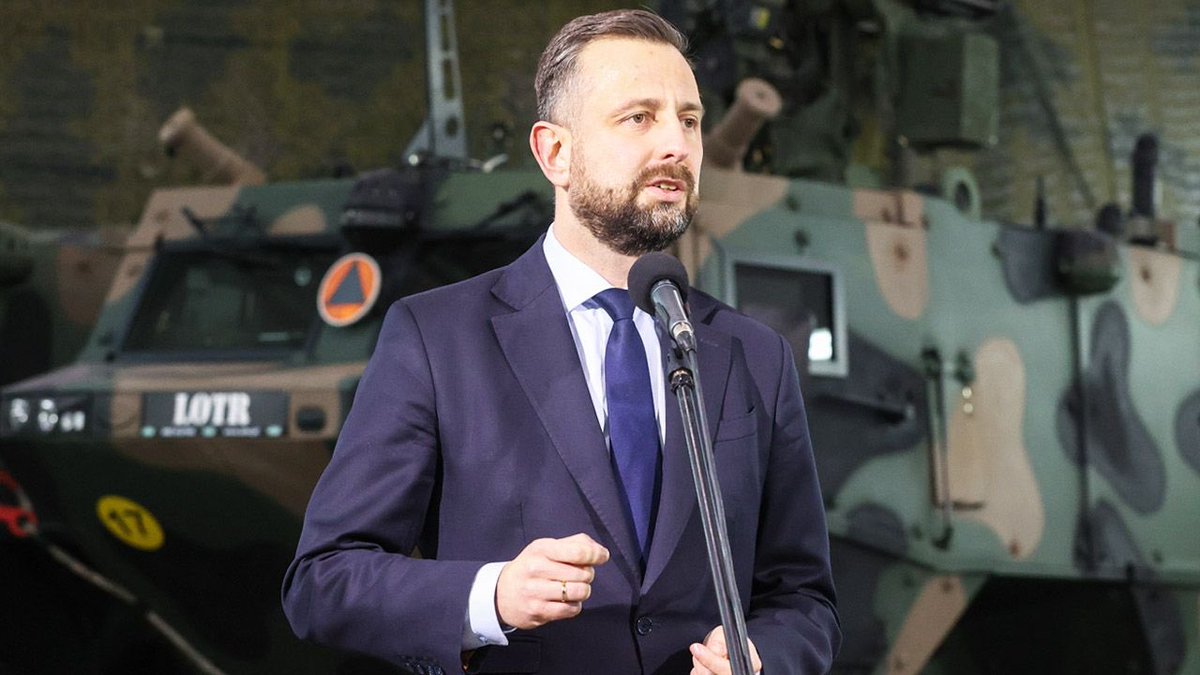
After Trump’s new statement about potentially moving U.S. troops from Germany to Poland, the Polish defense minister @KosiniakKamysz now says that Poland would happily host more U.S. troops:
“Poland is ready to host more U.S. soldiers in order to strengthen NATO's eastern flank”
English
