
Naka-pin na Tweet

𝒟𝓇. 𝒞𝓇𝓎𝓅𝓉𝑜 𝒥ℯ𝓉𝒽ℯ𝒶𝒹
53.1K posts

@LumpyNews
.ǝɹɐʍǝq ɹǝʎnᗺ .ǝpᴉɔᴉɯoɥ lɐnʇɔǝllǝʇuᴉ uᴉ ǝzᴉlɐᴉɔǝds I puɐ ɥO .uʍop ǝpᴉsdn plɹoʍ ɹnoʎ uɹnʇ llᴉʍ ʇI .ʍolloɟ ɐ ǝɯ ǝʌᴉɓ ,oʇdʎɹɔ oʇuᴉ ǝɹ’noʎ ɟI

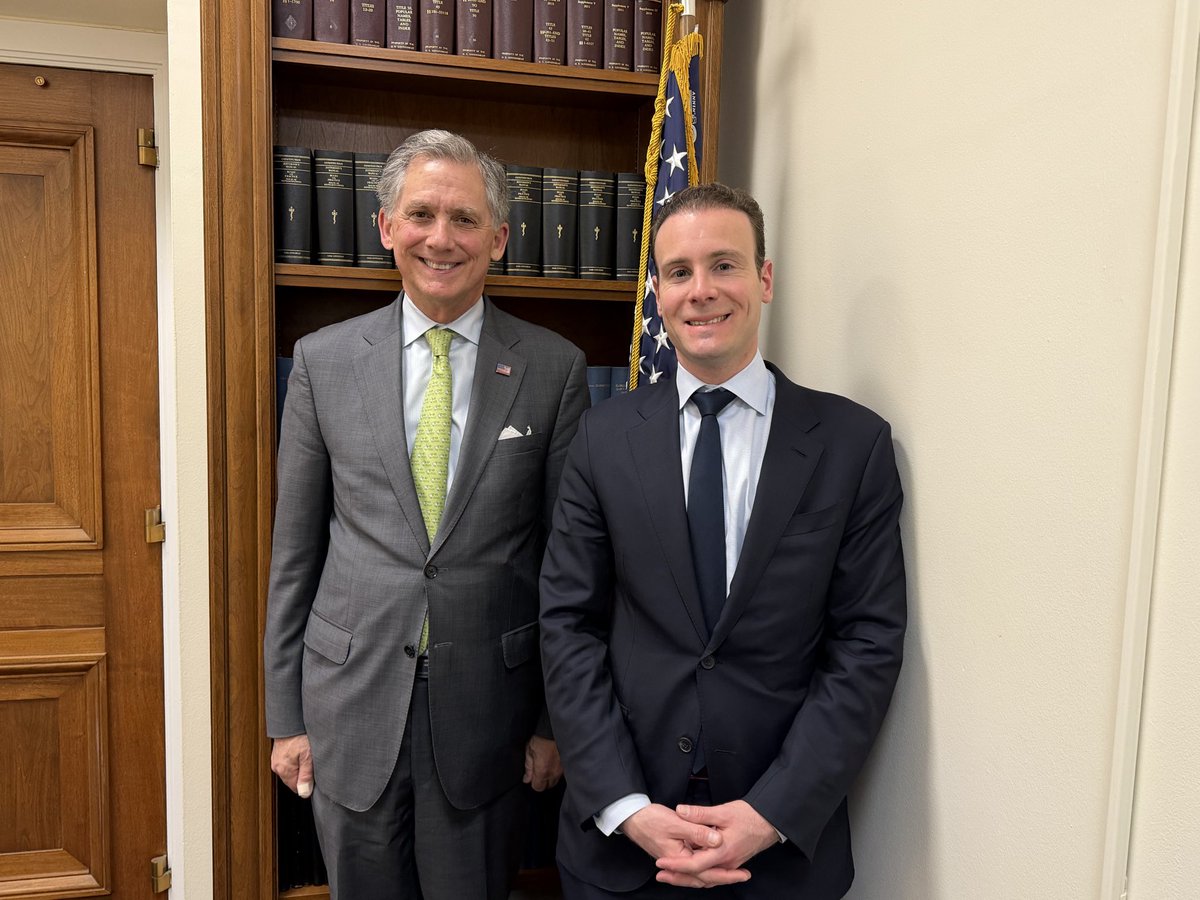
WATCH: @RepYoungKim on crypto innovation in America: “When we discuss the term brain drain, it's often used in the context of foreign content, the talents leaving their home countries to come to America because of the opportunities that we provide. However, in the digital asset industry, this strain reflects a 2% year over year decline in the U.S. share of blockchain developers over the last five years. In 2018, the U.S. share of global blockchain developers was 40%, and today it is down to 20%. While the rogue regulation of former SEC Chair Gary Gensler did America no favors in fostering crypto innovation in America, that does not mean it is too late to reverse his policies and establish America as the Crypto Capital of the World by doing something that we already did, passing the Clarity Act.” 📺⬇️








U.S. State Missouri to Make $XRP an Official Reserve Asset. HB 2080 would allow the State Treasurer to buy, hold, and manage crypto assets for long-term strategy. The proposal enables USDC payments for taxes and fees, expanding real-world crypto use in state systems. XRP’s inclusion signals rising institutional adoption as governments explore digital asset reserves.



Just sold all my SOL for XRP!!! LFG!!




In 2018 I attended a strategy meeting involving representatives from several large American banking institutions. Ripple and the XRP Ledger were already on the radar. Their potential to compress settlement times and reduce the need for prefunded liquidity was understood inside banking circles long before the public began discussing it. What concerned some institutions was not the technology itself but the pace at which an external infrastructure provider could begin influencing core payment rails. I remember reading the meeting minutes afterward. One section discussed regulatory pressure and market narrative as tools that could be used if and when Ripple’s influence reached a certain threshold. In plain terms, the view was that if the technology became too disruptive too quickly, institutions would lean on regulatory channels to slow it down. That is not unusual in banking. Incumbent systems defend themselves. It is part of how large financial networks evolve. What stayed with me was the emphasis on timing. The document suggested that such pressure would only be applied once adoption, visibility, and institutional exposure reached a point where intervention would be effective. Looking at the environment today, I cannot help but notice that many of those conditions appear to be aligning again. You may not like hearing that. But from where I sit, it would not surprise me if Ripple faces another wave of regulatory and institutional assault. When a technology begins to challenge entrenched financial infrastructure, resistance is not the exception. It is the rule.
@XRPArmyNews1 Waking up is good. But it’s complex. PoW has its strengths and weaknesses. Tokenization can be tricky, but not impossible. Just a lot of debate around it.
