
NH Sp🅰️ceMob
1.7K posts

@redrum_2001 @spacanpanman 100%. A ton of my family and friends think im an investing genius and I'm like no, I'm jus really good at copying the test!! (Anp, kook, tut, etc)
English

@spacanpanman Awesome space, as usual. The spaces you and Kook make are something I really appreciate. You make it look easy.
English

$ASTS: The Morning After Musings, AMAA (Ask Me Almost Anything)
10:50AM ET
x.com/i/spaces/1dKrP…
English
@WurzelRoot That shit doesnt matter because they didn't put the client's payload in the right spot and it had to be de orbited
English

libtards want me to hate billionaires and care about poor people but billionaires are doing cool shit like this and poor people are screaming at me on the subway in nigerian
Breaking911@Breaking911
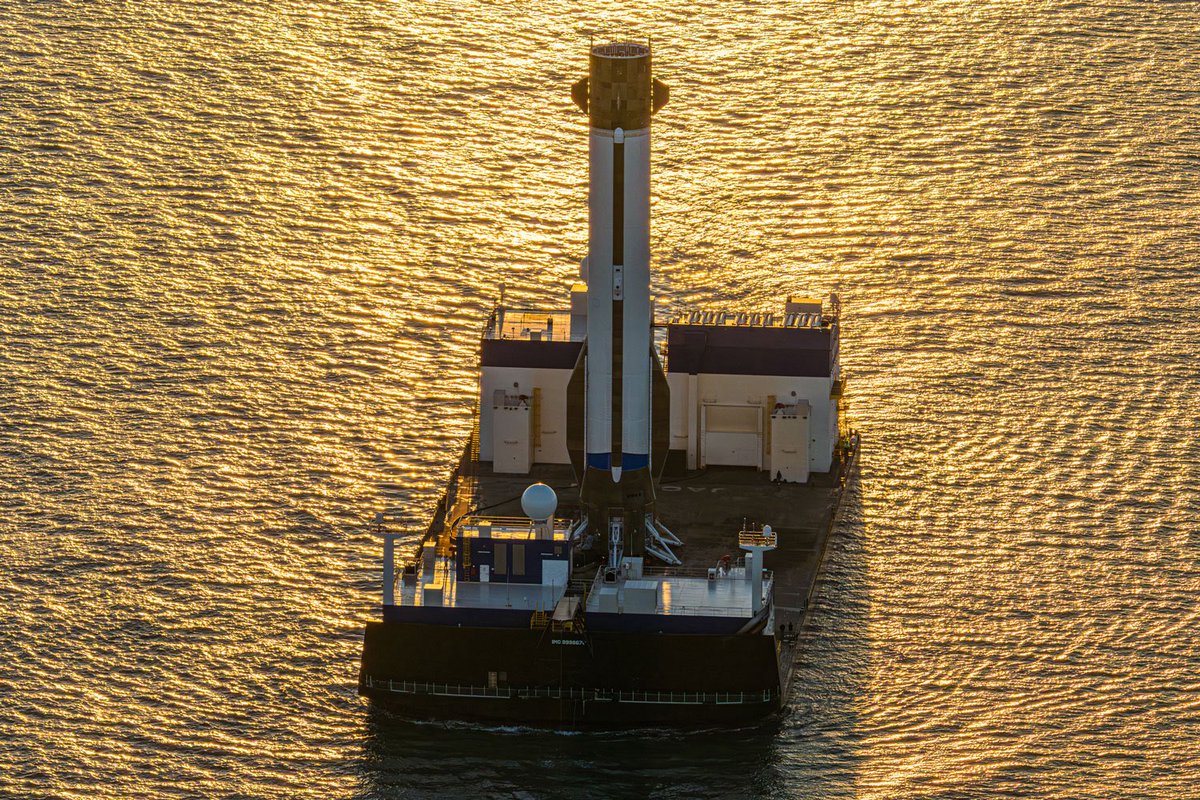
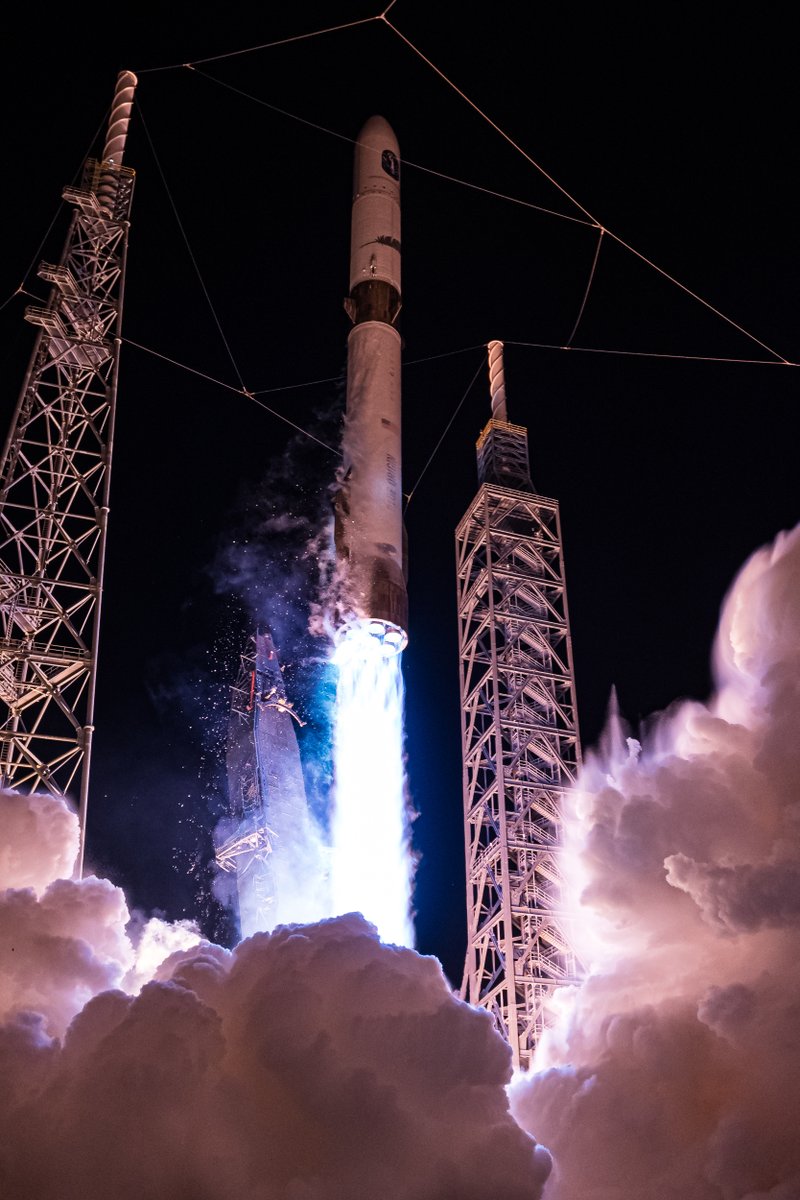
Jeff Bezos’ Blue Origin successfully reused its New Glenn booster for the first time on the NG-3 mission, marking a major milestone in reusable rocket technology after the booster landed at sea following flight.
English
@denz_0day @nypost It's over insured, plus AST will get a free launch and can launch up to 6 or 8 once BO fixes their 2nd stage booster problem.
English



@juanbeme @spacanpanman BONG grounded on 4/20, something poetic about that
English

@spacanpanman BO NG has been grounded for the next 2.5 months while FAA investigates.
English
@spacanpanman "I don't have unlimited capital" (questionable based on your buy screenshots!!). In all seriousness, I'm stoked for all of us.
English
@bernabebm01 Taken from us far too young. Thoughts and prayers...
English


@MindlessMechani @BellikOzan I have some sold puts...that may suck but ill find a way to deal with it
English

@NHSpaceMob @BellikOzan So much for the calls expiring Friday............
BUT
I didn't sell PUTS!! That's the only + spin I can put on this. No sold puts. LOL
English

It seems kinda tone deaf of Blue to be celebrating launch and booster landing when they should be publicly apologizing to their customer for partial failure and indicating their commitment to making things right. Reminding me of Astra PR right now.
Dave Limp@davill
English

@Libing_FY @ASTS_Investors Fully insured. If during liftoff he doesnt reach altitude and spills it all over his lap, it's covered
English


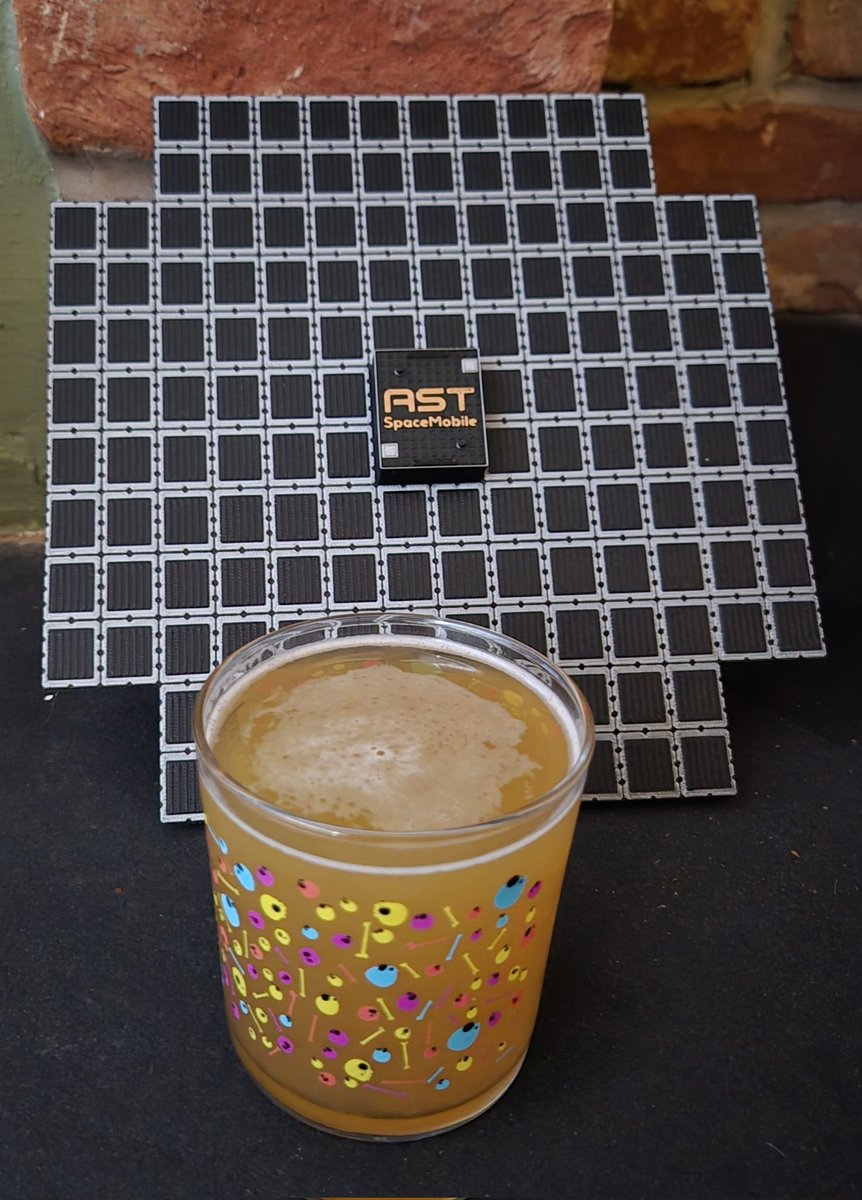
Having one in honour of our lost satellite tonight 🧇
Who's joining me?
$ASTS
English

Jeff Bezos’s rocket company said a satellite from customer AST SpaceMobile was deployed into an incorrect orbit. on.wsj.com/4sJnERM
English
@AlexfromBabylon I think this might just shift launches away from BO and more to other providers like spacex and even ISRO
English

$ASTS Most people don’t understand that the factory is the real product. A satellite loss sucks (still TBD), but keep in mind this is just one satellite output from a factory that is about to churn out dozen. The investments and production ramping are already done and in full swing. Good to keep the perspective.
English

@TMFAssociates @GewoonLukas_ And an unfortunate ballistic coefficient given its cross-sectional area.
English

Uh oh, that's not good... The BlueBird 7 satellite was deployed but into an off-nominal orbit. Given that GS2 was supposed to perform a second burn before deploying the satellite, it likely failed to do so.
Blue Origin@blueorigin
NG-3 Update: We have confirmed payload separation. AST SpaceMobile has confirmed the satellite has powered on. The payload was placed into an off-nominal orbit. We are currently assessing and will update when we have more detailed information.
English

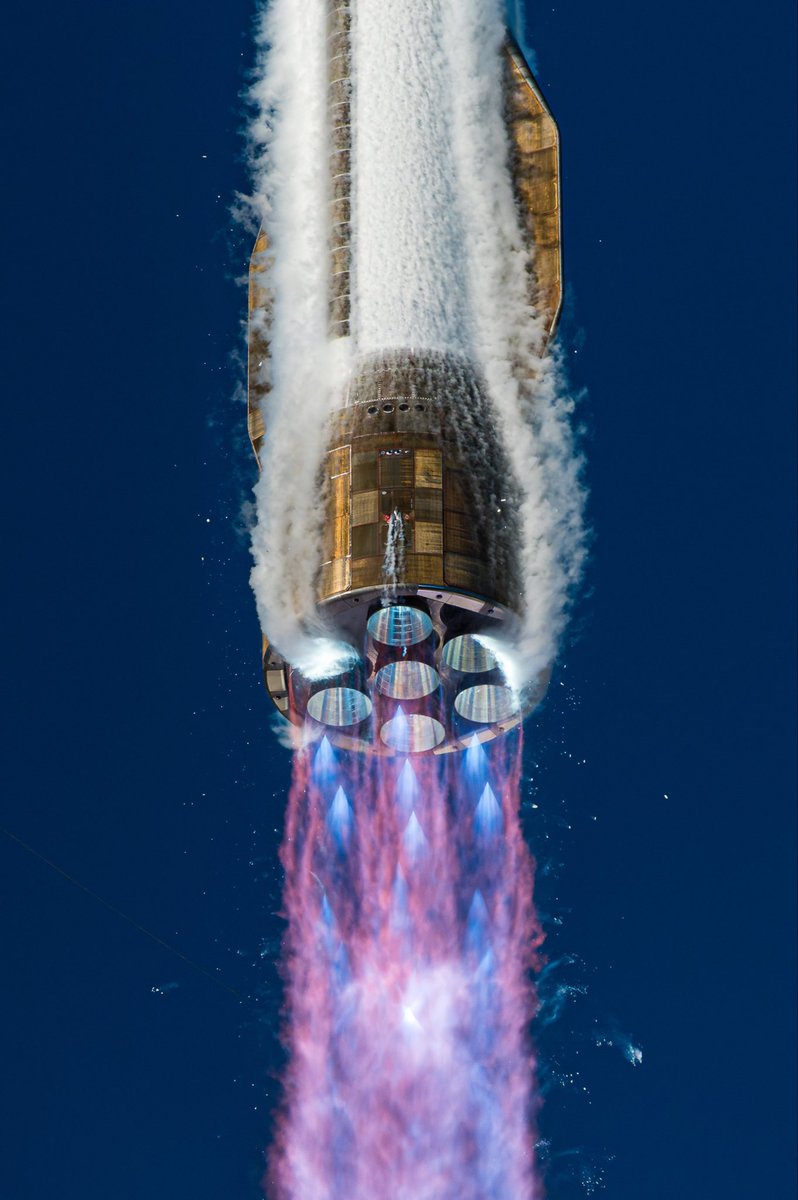

@OmniAeronautica @planet4589 @keyesmn @blueorigin @AST_SpaceMobile ASTS leadership should have an update for us at the next quarterly meeting…
English

The @BlueOrigin @AST_SpaceMobile launch has been tracked by Space Force as catalog 68765, 2026-85A, in a 154 x 494 km x 36.1 deg orbit. Epoch is 1138 UTC which is the time of SECO-1, so this may not be the final orbit. (If it is, then they are indeed toast).
English
@endless_frank @thekookreport My father in law does this for a living (in secret govt work) and he thinks the elliptical path is too much to overcome. I hope he's wrong.
English

$ASTS Leaning towards this being the more likely outcome. @thekookreport also just made a good point that Blue Origin didn’t say anomaly, they just said off nominal. So hopefully this is recoverable with the thrusters having the ability to raise the altitude of the 🛰️ somewhat.
iPilot🅰️@OmniAeronautica
THIS IS A MORE MEASURED TAKE AND IT CHANGES THE RANGE OF OUTCOMES This comment is important because it highlights a common source of confusion in launch telemetry. The velocity shown on webcast overlays is often in a rotating Earth reference frame, not an inertial frame. That distinction matters. A number that looks “low” in a rotating frame can still correspond to a valid orbital insertion once Earth’s rotation is properly accounted for. So what he’s saying is essentially this. There is not enough clean data from the webcast alone to conclude that the vehicle underperformed on velocity. And if the velocity was actually within expected bounds in the correct reference frame, then the situation may be less severe than early speculation suggests. Now reconcile that with Blue Origin’s statement of “off nominal orbit.” Those two ideas can coexist. An orbit can be off nominal without being catastrophic. It could mean a slightly different altitude, a different eccentricity, or insertion into a transfer like profile that was not the exact target but still operationally usable or correctable. This pushes the scenario more toward “imperfect but potentially workable” rather than “clearly compromised.” It does not confirm success, but it weakens the case for a major velocity shortfall being the root cause. So at this stage, the range tightens a bit. We are likely not looking at a clean, textbook insertion. But we also do not yet have evidence of a severe underperformance event. The most probable middle ground is a non ideal orbit that may still be recoverable or usable depending on onboard capability and how far off the parameters actually are. Bottom line. Early fear cases based on webcast velocity alone are not reliable. The situation remains unresolved, but this leans the probabilities toward partial success rather than outright failure.
English