Sudhakar Kalluri ( కల్లూరి సుధాకర్ )

4.4K posts

Sudhakar Kalluri ( కల్లూరి సుధాకర్ )

Sudhakar Kalluri ( కల్లూరి సుధాకర్ )

@Kalluri237

Civilizational Sanaatani . Indian/Bhaarateeya - not South Asian . Telugu Brahmin in Tamilnadu . Karnaataka Sangeetam, Samskrutham, Dharma . All views personal .

India شامل ہوئے Mart 2021
741 فالونگ209 فالوورز
Sudhakar Kalluri ( కల్లూరి సుధాకర్ ) ری ٹویٹ کیا
The Melting Pot
The Melting Pot@tmp_007·
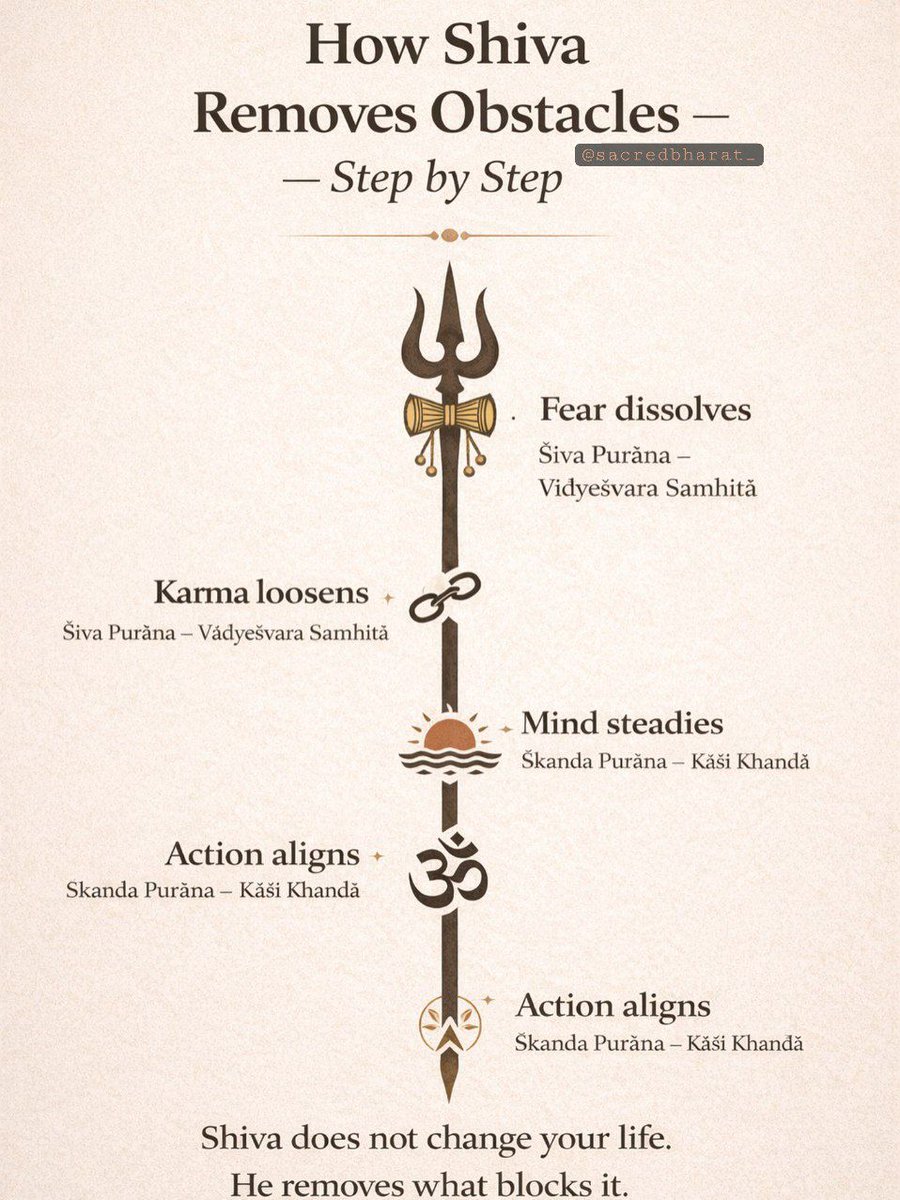
In the Purāņas, Shiva is never described as a god who removes difficulty. He is described as the force that transforms the meaning of difficulty. This is why Shiva is called Āśutosa - not because life becomes easy, but because awareness becomes unshakeable. The Śiva Purāņa explains that suffering does not disappear by resistance, but by right alignment of consciousness. "Duhkham na bhavati jñāninah" Śiva Purāņa For the one established in knowledge, suffering does not bind. What changes is not the world what changes is how karma is held. When fear arises, Shiva becomes Abhaya - fear dissolves through clarity. When burden accumulates, Shiva becomes Bhāra-hara - weight is lifted through surrender. When confusion dominates, Shiva becomes Mahādeva - perspective expands. When effort exhausts, Shiva becomes Śambhu ease appears without effort. The Purāņas repeatedly say: Shiva does not interfere with karma He changes the experiencer of karma. "Śivo jīva-rūpeņa pravistah" Śiva Purāņa Shiva enters the being as awareness itself. This is why struggle does not end but bondage does. And this is why those who walk with Shiva are not free from life, but free within life. Not motivation. Not philosophy. Scriptural psychology. Save this. Return to it when effort feels heavy.
The Melting Pot tweet media
English
3
144
508
9.4K
SagasofBharat
SagasofBharat@SagasofBharat·
Dear illiterate, Mughals invested everything they had? Their own autobiography says they had nothing to invest. But came to Hindustan to loot. Thread 👇🏼- Dismantling both the myth: 1. Mughals invested everything they had 2. "Rajput-blood" made Mughals, Indian
SagasofBharat tweet mediaSagasofBharat tweet media
Medusa Rouge@mahamshah07

The Mughals came and settled in the subcontinent, married local women, and by Aurangzeb's time they were half-Rajput by blood. They invested everything they had in India, that's why you have buildings like the Taj Mahal and Red Fort etc. They wore Indian clothes, died in India, and are even buried there. Priyanka should stick to making flop movies. History and politics are not her forte.

English
20
458
1.2K
20.4K
Sudhakar Kalluri ( కల్లూరి సుధాకర్ ) ری ٹویٹ کیا
Char
Char@cqc_coffee_guns·
537 years later, in 2017, Rohingya muslims gave the Bengali Hindus of Kha Maung Seik the exact same choices. 99 men, women and children were butchered Eight Hindu women were spared & brought to Bangladesh after they agreed to convert to Islam and marry the attackers who killed their husband in order to save their kids lives. Four of them managed to escape. This happened 9 years ago. Today West Bengal is swamped with Rohingyas and Bangladeshis with exact similar mindset. amnesty.org/en/latest/news…
Humble Flow@HumbleFlow

In 1480, a Turkish army captured the Italian city of Otranto. They gave the people a choice: convert to Islam or die. Eight hundred Christian men refused. They were executed on a hill outside the city.

English
11
745
1.4K
25.9K
Sangam Talks
Sangam Talks@sangamtalks·
India’s New Year does not wait for midnight. It rises with the sun. In Maharashtra, it arrives as Gudi Padwa, a bright flag hoisted to mark new beginnings. In the South, it is Ugadi, where the first taste of neem and jaggery carries the wisdom of life’s sweetness and bite. Manipur welcomes it as Sajibu Cheiraoba. Sindhis celebrate Cheti Chand with prayers to Jhulelal, while in Kashmir, Navreh is greeted by gazing upon a thali of rice, curd, walnuts, and coins, a sacred vision of abundance for the year ahead. One civilization. Many expressions. These festivals are not mere dates on a calendar, they are the heartbeat of a living culture. To know them is to preserve them. To share them is to honour them. To live them is to ensure they never fade. #KnowYourFestival #HinduNavVarsh #NavSamvatsar #ShubhNavratri
Sangam Talks tweet media
English
2
27
79
793
Sudhakar Kalluri ( కల్లూరి సుధాకర్ ) ری ٹویٹ کیا
Sanjeev Newar | सञ्जीव नेवर
We are anti-left. Our primary project is pushback against unlawful conversions. We started with collecting primary evidences of Islamist nature of Delhi Riots 2020 and rehabilitating true victims villainized by leftist media. We are @sewanyaya. Founded by @swati_gs and me. And yes, left media like The Wire have done hit jobs against our other projects like Gems Of Bollywood.
Neeraj Atri@AtriNeeraj

Can someone name a dedicated organisation that works for Hindu welfare and doesn't have leftist ideology? More than 5 years old.

English
8
266
792
8.2K
Sudhakar Kalluri ( కల్లూరి సుధాకర్ ) ری ٹویٹ کیا
Dr. Neha Das
Dr. Neha Das@neha_laldas·
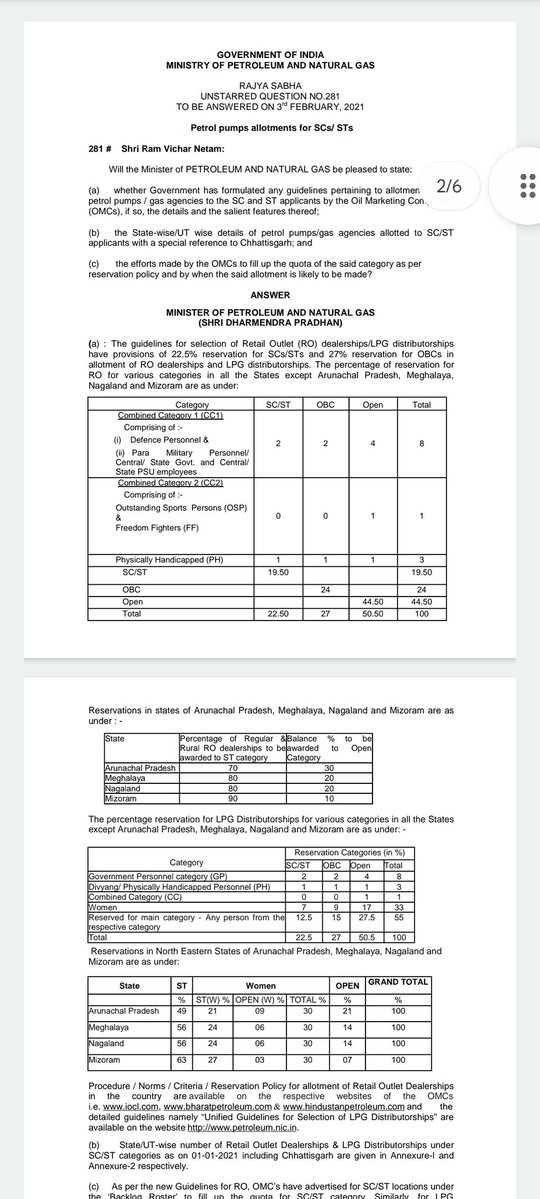
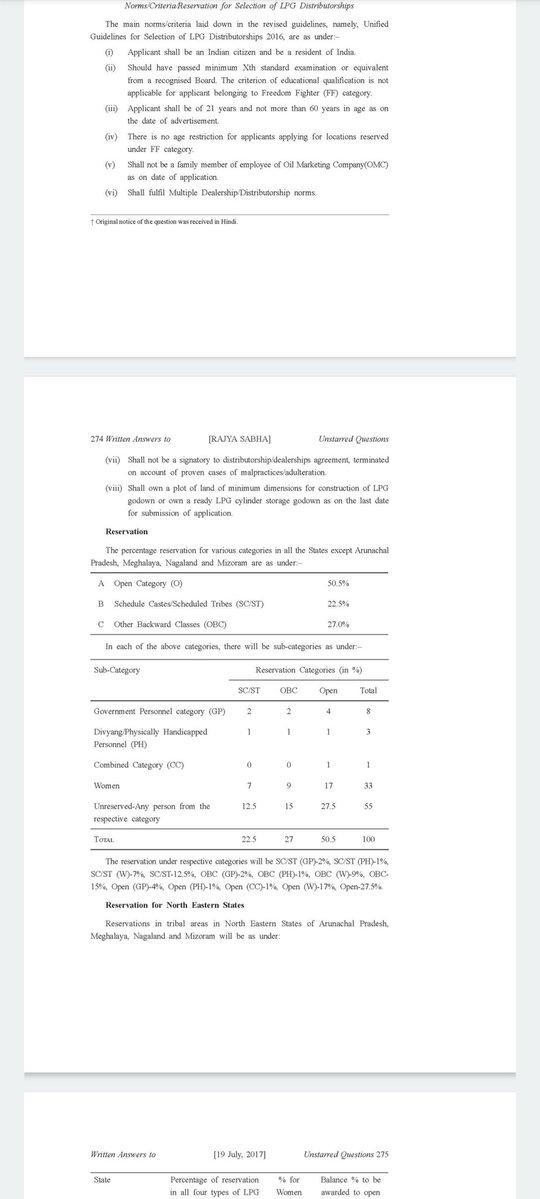
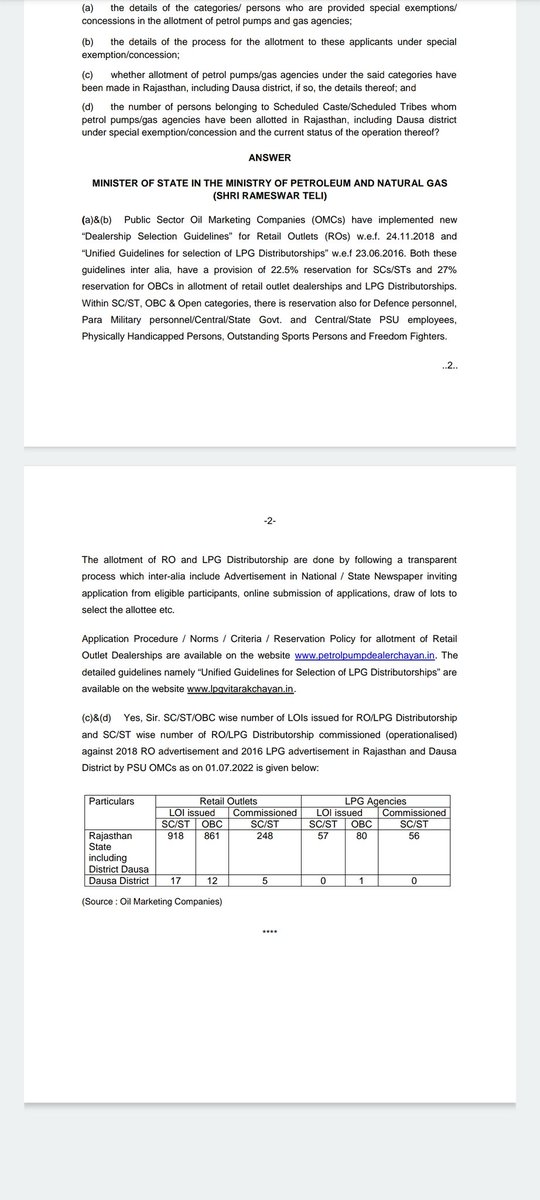
Did you know? There is reservation not only in LPG dealerships, but also in petrol pumps allocations? This means that petrol pumps & LPG retail outlets are allocated based on caste! Now the question is: Why should petrol pumps & LPG outlets need "caste-based representation"?
Dr. Neha Das tweet mediaDr. Neha Das tweet mediaDr. Neha Das tweet mediaDr. Neha Das tweet media
THE SKIN DOCTOR@theskindoctor13

I was today years old when I learned that LPG dealerships are allotted as per the central reservation policy. SC/ST: 22.5%, OBC: 27%. 50.5% is Open category, where anyone can apply, and the dealership is awarded through a draw of lots to eligible people. So basically, if your dealer doesn’t give you LPG, don’t pick a fight with them. Who knows, you may or may not get the gas, but you might end up inside under the Atrocities Act.

English
64
1.1K
2.1K
22.9K
Sudhakar Kalluri ( కల్లూరి సుధాకర్ ) ری ٹویٹ کیا
Savitri Mumukshu - सावित्री मुमुक्षु
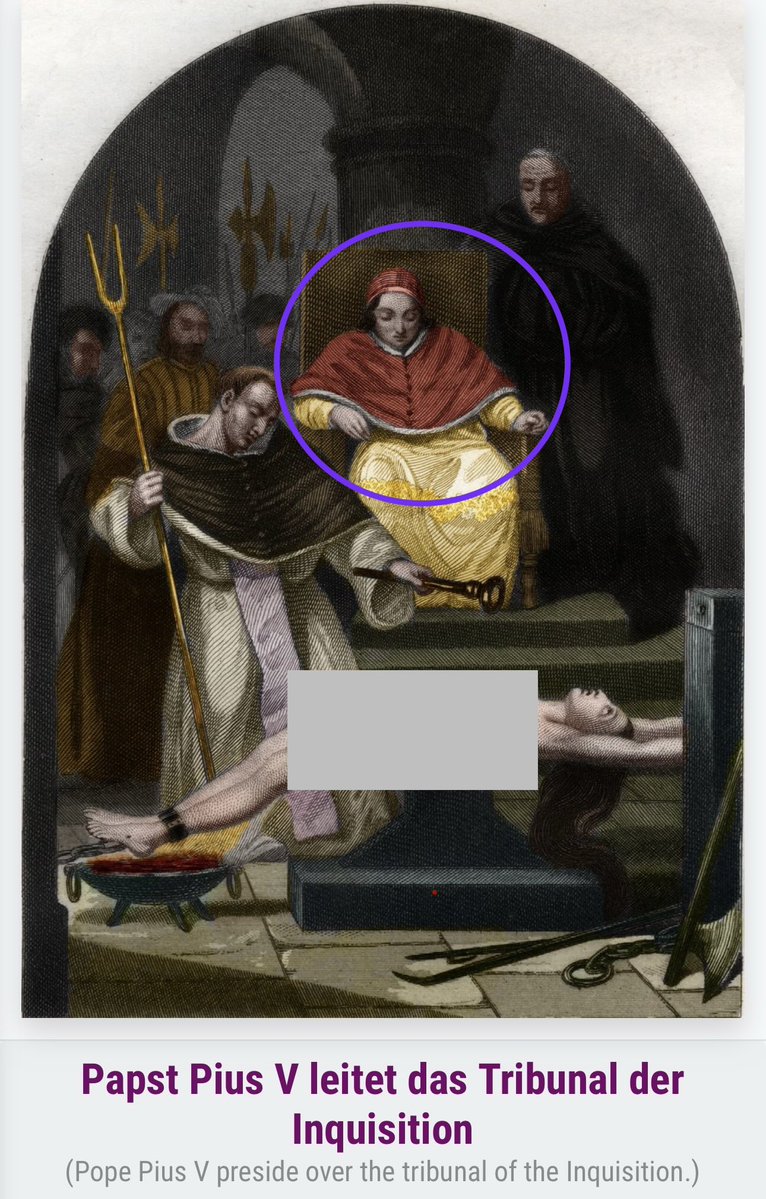
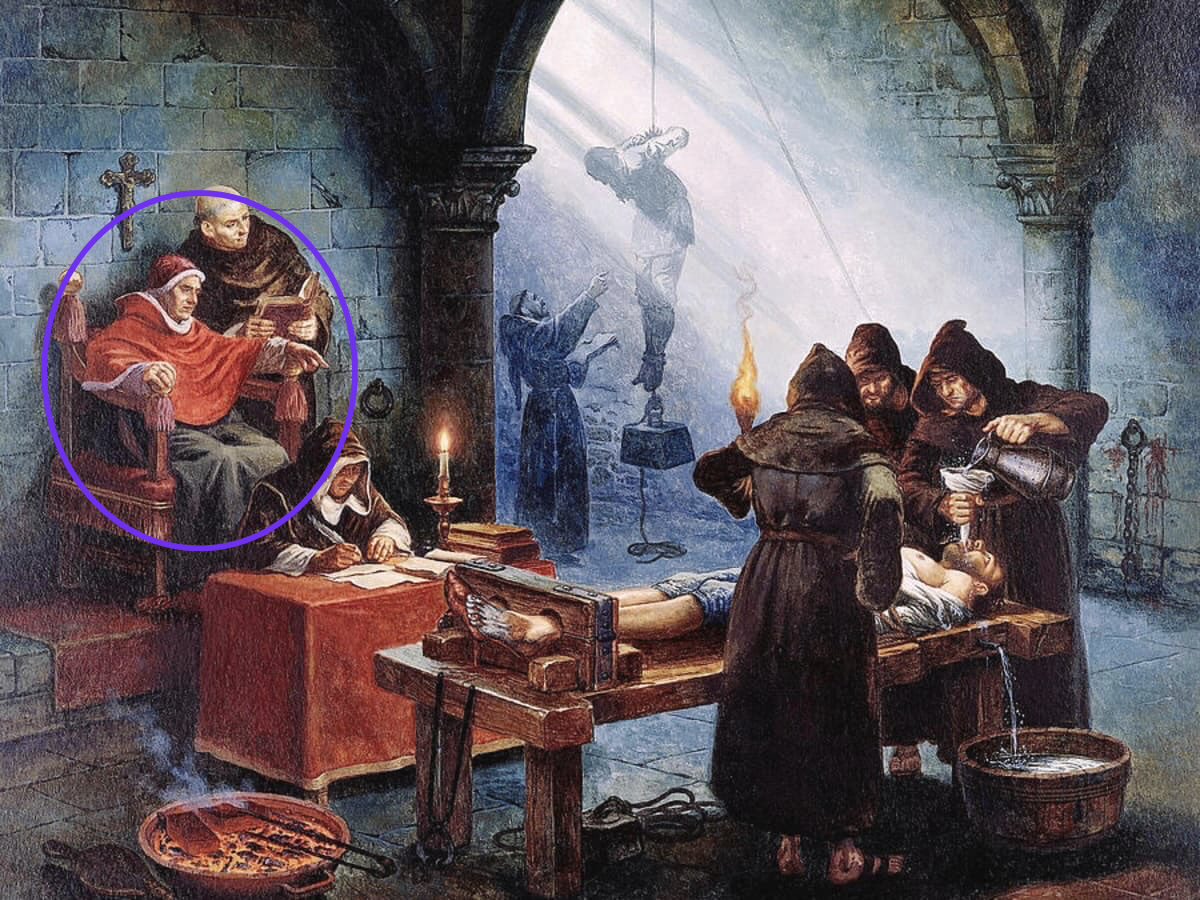
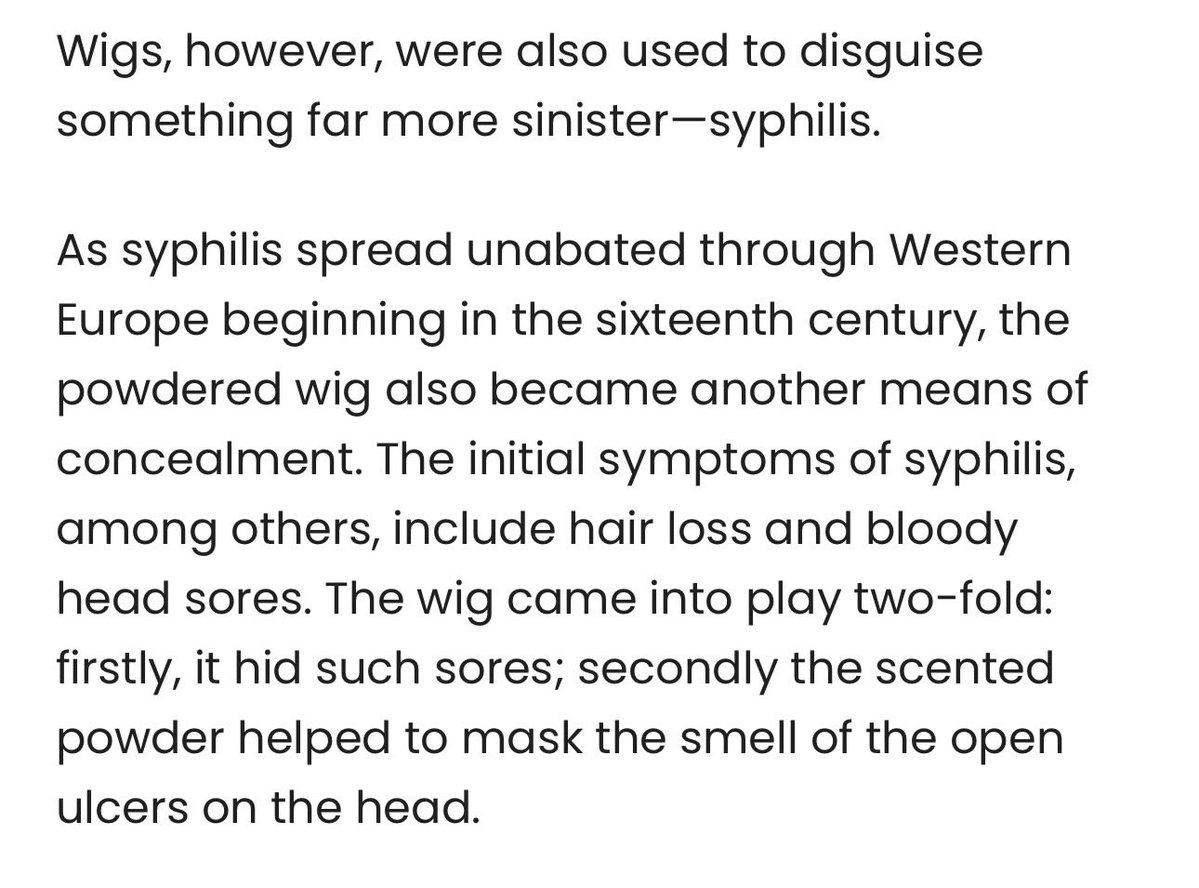
This is like playing a role in the theater of the absurd. The red robes worn by British judges are not just ceremonial costumes - they are leftover symbols of brutal colonial power, intimidation, and control. Their origins lie in the red robes (modeled on Popes and Cardinals) that medieval Christian Inquisitor judges wore during the bloody Inquisitions while torturing and executing heretics. The red color symbolized blood - their predatory power over the life and death of prisoners. The entire getup was designed to psychologically intimidate, and brutally portray absolute domination. This was the inspiration for the scarlet judges robes for criminal trials in Britain Imagine - the cruel British judges who sent our freedom fighters to be hung at the gallows, wore these exact same scarlet robes and wigs as a symbol of their deadly authority to enforce their colonial law on Indians. That’s why this is not just some ceremonial costume - it’a visible reminder of the horrifically, bigoted & unjust British legal system which oppressed our country through enforced imperial domination, not justice. The wigs are not just hideous but they also have a disgusting backstory. Originally Inquisitors & judges wore hoods like the Christian clergy to show authority. But by 17th c. Wigs became fashionable due to Charles 2. The wigs were originally worn to hide hair loss and open bleeding sores on the scalp from syphilis which was widespread due to sexual promiscuity! The wigs were also used to cover up the stench of horrible body odor - because the British didn’t bathe regularly, & suffered from noxious diseases due to lack of personal hygiene at the time. However only the wealthy could afford wigs due to the exorbitant cost of hair. So over time, the wigs which were used to cover up disease and stink became the elite fashion of the rich, then symbols of the law’s authority. But they were born from disease, filth, and social inequality, not wisdom or justice. When you combine wigs and scarlet robes together, they become a glaringly ugly and atrocious symbol of colonial power, designed to command only fear not respect. To continue to use these symbols in modern India is a theater of the most absurd irony. Does it make sense for Indian judges to don the same symbolic ceremonial robes of racist colonizers who wore these outfits while condemning our own people to death - to remind us of not justice but violent oppression??? If we are serious about decolonizing and wiping out all traces of colonial atrocities - then it’s high time we got rid of these ridiculous costumes for judges and instead have them don formal attire that reflects our true culture & symbolizes real justice, dignity, and equality for Indians. Enough of this inherited imperial spectacle of slavish buffoonery!
Savitri Mumukshu - सावित्री मुमुक्षु tweet mediaSavitri Mumukshu - सावित्री मुमुक्षु tweet mediaSavitri Mumukshu - सावित्री मुमुक्षु tweet mediaSavitri Mumukshu - सावित्री मुमुक्षु tweet media
THE SKIN DOCTOR@theskindoctor13

Left: A British judge dressed like a British judge. Right: An Indian judge dressed like a British judge. Even after almost 80 years of independence, we are still carrying the colonial legacy. Strange!

English
13
185
504
11.6K
𑀓𑀺𑀭𑀼𑀱𑁆𑀡𑀷𑁆 🇮🇳
For over two millennia, the Pandya kings stood as patrons of Vedas, yajñas and Dharma. From Sangam literature and coins to copper plates and inscriptions, the evidence clearly shows their deep association with the Vedic tradition. An article exploring this remarkable civilisational continuity. Please read krishnants.substack.com/p/guardians-of…
𑀓𑀺𑀭𑀼𑀱𑁆𑀡𑀷𑁆 🇮🇳 tweet media
English
14
320
1.1K
18.5K
Sudhakar Kalluri ( కల్లూరి సుధాకర్ ) ری ٹویٹ کیا
Parimal
Parimal@Fintech03·
Yesterday I shared a list of contributions from our ancient knowledge traditions. What followed was fascinating, no curiosity, no debate, Just a barrage of mockery, mostly from our own people. The irony is hard to miss. A civilization that produced centuries of mathematics, medicine, philosophy & statecraft now has its own children convinced that nothing of value ever came from it. Anyway, whether one likes it or not, today also India is building, launching, manufacturing & innovating at a scale that is difficult to ignore. Here is the proof (I can keep going on but sharing a few): - Digantara’s SCOT satellite: 1 of the world’s 1st commercial space-based orbital surveillance systems for real-time tracking of debris & satellites - CSIR-NBRI developed the world’s 1st pink bollworm-resistant GM cotton variety approved for commercial use - Only the 4th country ever to demonstrate fully autonomous in-orbit satellite docking + inter-satellite power transfer - India commissioned 2 dedicated quantum chip fabrication facilities (IIT Bombay for quantum sensors + IISc BLR for superconducting/photonic/spin qubits) with ₹720 crore investment ending foreign-fab dependence for quantum hardware. - India achieved full indigenous Gallium Nitride (GaN) semiconductor technology for high-power radar, electronic warfare, and 5G/6G systems (DRDO breakthrough, only Russia & a handful of nations have sovereign GaN at this level). - GalaxEye’s Mission Drishti: World’s 1st private multi-sensor (SAR + optical fusion) Earth observation satellite - 1st country in Global South to build dedicated quantum materials labs for fault-tolerant computing (INOX + IISc collaboration). - India now has end-to-end sovereign quantum hardware pipeline (design + fabrication + processors)...only the US, China, and Europe have comparable domestic chains. - Indigenous 5G standalone core + radio access network stack developed entirely by TCS + C-DOT + Tejas Networks & deployed in remote villages. - Largest vaccine manufacturing capacity on the planet - Serum Institute (still holds the title by volume). - 1st private-sector quantum valley - Amaravati Quantum Valley foundation laid (2026) - Vyommitra - World’s 1st humanoid robot "specifically" for uncrewed Gaganyaan precursor missions (female form, emotional AI). - World’s largest deployment of plastic-waste roads - Prof. Vasudevan’s patented technology (used across dozens of cities, no other country matches the scale) - 1st country to fast-track 5 indigenous SMRs by 2033 under new policy. - World’s largest single-piece Inconel rocket engine - India’s 1st indigenous CRISPR-based gene therapy - BIRSA 101 for sickle cell disease - India’s 1st fully indigenous CAR-T cell therapy for B-cell blood cancers (ACTREC-Tata Memorial + IIT Bombay + ImmunoACT)..Also, world's most affordable - world's most advanced liquid/injectable cornea regeneration approaches (not a full artificial cornea implant like others).. I can keep going on....
English
157
737
2.7K
133.2K
Sudhakar Kalluri ( కల్లూరి సుధాకర్ ) ری ٹویٹ کیا
History इतिहास 🇺🇲🛕 🚀
How Four Brahmins Almost Made the British Lose India! In 1857, the British Empire found itself staring at a kind of defiance it had not prepared for. It knew how to manage ambitious princes, discontented landlords, and hungry peasants. It relied on dharmic elites and literate intermediaries to keep its Indian armies and administrations functioning. What it did not expect was that some of those intermediaries, men and women formed by a Brahminical sense of duty and memory, would decide that their obligations could no longer be squared with obedience to a foreign power. When that decision crystallized in a handful of crucial figures, it made the Raj feel suddenly less secure on its throne. The Bengal Army, where the first cracks showed, had been recruited heavily from high-status rural lineages in Oudh and Bihar. Many were Brahmins or closely tied to Brahmin households. They were prized because they were disciplined, proud, deeply invested in their dharma, and tightly bound to their villages. To keep these men, the Company had long tried to accommodate their dietary rules, their festivals, their cultural observances. The issue of greased cartridges in 1857 shattered that arrangement. It was not simply about tallow on paper; it touched the core of a promise that service would not require the abandonment of dharma. For men raised to see themselves as protectors of a moral order, that line could not be crossed lightly. Mangal Pandey emerged from this context, not as an isolated fanatic, but as a product of a particular kind of Brahmin upbringing. Born into a high-varna landowning household in eastern Uttar Pradesh, he would have known both the austerity and the pride that came with that status: learning and piety without the wealth of kings, a sense of being answerable to something more than salary and promotion. As a sepoy in a regiment filled with men like himself, he stood at the intersection of two disciplines, that of the barracks and that of the dharmic life he had inherited. When he chose to raise his musket against British officers at Barrackpore, he was not just breaking military law. He was staking his life on a judgment that the moral obligations of his birth outweighed the obedience his uniform demanded. To British observers, this was profoundly unsettling. They reached for stories that could contain their unease. He was described as drunk, unstable, misled, driven by panic rather than conviction. Those explanations tried to reduce a symbol to a case study. Yet the way his name traveled across north India in the months that followed suggests that others read the moment differently. For many, Mangal Pandey became a sign that a Brahmin, expected to keep the sacred flame and the Dharma, could also be the first to fire when the integrity of his world seemed under threat. Much like Parashurama! Far to the west and south, in the world of the Maratha court, another strand of Brahmin lineage approached the crisis from a different angle. The Peshwas who had dominated western and central India in the previous century were Brahmin ministers who had effectively become kings. Their rule had fallen to British arms decades before, and the last Peshwa lived out his days as a pensioner. On paper, this seemed like a successful imperial compromise, a dispossessed dynasty bought off with stipends and honors. In practice, the arrangement sat uneasily with a tradition that had fused Brahmin dharmic authority with real temporal power. Nana Saheb was born into that unresolved tension. As the son of a Deccani Brahmin official and the adopted heir of the exiled Peshwa Baji Rao II, he grew up in Bithoor in a household that carefully preserved the ceremonies, hierarchies, and quiet dignity of a court that no longer ruled. For a child shaped by that atmosphere, the pension was not simply income; it was a visible token that the old order still had a place in the new dispensation. When the British refused to recognize his claim to that pension on the same footing as his adoptive father’s, they broke more than a contract. They signaled that the line of priestly rulers was to accept a permanent diminution, that its past sacrifices and services no longer commanded respect. By the time the sepoy unrest of 1857 spread to Kanpur, Nana Saheb carried both personal grievance and inherited memory. When the garrison rose and he stepped forward as their political head, he did so as someone who had been raised to combine dharmic leadership with statecraft. In the fragile regime that briefly took shape at Kanpur, one can see an attempt to revive that combination under emergency conditions. Orders were issued in his name. Alliances were sought with other centers of resistance. The old language of legitimacy resurfaced in proclamations and in the structure of his court. To the British officers who faced him across the river, this was more worrying than a spontaneous outbreak of violence. It suggested that a dispossessed Brahmin house had found, in the chaos of mutiny, an opportunity to remind the empire that its conquests were not fully accepted. Alongside Nana Saheb moved a figure who made British nerves fray in a different way. Ramachandra Pandurang Tope, remembered as Tatya Tope, came from the same Marathi Brahmin milieu that had staffed the Peshwa’s administration and armies. Where Nana Saheb embodied the claim of a lineage to lost sovereignty, Tatya embodied the capacity of that world to adapt its martial skills to new conditions. After Kanpur fell back into British hands, he did not lay down his arms. He drew instead on older techniques of movement and alliance, the fast march, the surprise attack, the appeal to local grievances, the willingness to vanish into sympathetic countryside and re-emerge elsewhere. Read my separate thread on how Tatya went on what even British chroniclers later treated as an almost impossible journey across India, staying a step ahead of converging columns that, on paper, should have crushed him. His campaigns took him across a broad swathe of central India, supporting Rani Lakshmibai in Bundelkhand, trying repeatedly to seize strongpoints that would give the rebellion a durable base. Each time the British thought they had trapped him, fragments of his force slipped away and reassembled under his guidance. For an empire that imagined war as a matter of decisive battles, this kind of persistence was deeply troubling. That it was coordinated by a man who could claim the authority of a Brahmin name, who could speak to village leaders and court retainers in the idioms of both dharma and strategy, made it harder still to treat him as just another rebel captain. The queen he helped most famously, Rani Lakshmibai of Jhansi, stands at first glance outside this Brahmin frame. She was a queen by marriage, a ruler by necessity. Her gender and her royal status have justly dominated memory. Yet her early life ties her back into the same network. Born Manikarnika Tambe in a Marathi Brahmin family from Varanasi, she was taken as a child into the Bithoor household of Baji Rao II, where she grew up in the company of Nana Saheb and other wards of the Peshwa. Her father’s role as a Brahmin retainer gave her access to training and expectations not available to most girls: riding, weapons practice, and a familiarity with the rhythms of court and camp. When she became the queen of Jhansi, she carried that formation into a new setting. The British policy that triggered her break with the Raj, the refusal to recognize her adopted son’s succession under the Doctrine of Lapse, echoed what had been done to the Peshwa line. In both cases, an adopted heir, sanctioned by local understandings of kinship and dharma, was set aside in favor of a tight colonial reading of inheritance. Lakshmibai’s refusal to accept this was not only a royal defense of her state. It was also a Brahmin-minded insistence that sacred ties and obligations, once undertaken, could not be so casually erased. In the siege of Jhansi and the later fighting around Gwalior, she brought together different strands of resistance. Disaffected soldiers, local landed interests, townspeople, and the professional fighters who followed Tatya Tope all found in her a focal point. The sight of a queen, raised in a Brahmin household and tutored in the arts of war, riding into battle against British troops, unsettled the imperial narrative on multiple fronts. The journals and letters of officers who faced her forces betray a kind of reluctant respect edged with fear. Here was someone who should, in their assumptions, have been contained by gender and by the modesty expected of religious elites, yet she matched their professional soldiers in nerve and sometimes in tactics. Taken together, these four figures do not represent all of 1857, and they certainly do not exhaust the role of Brahmins in the uprising. They do, however, illuminate the ways in which a particular tradition of service and sacrifice could tip from accommodation to revolt. The varna ideal had long imagined Brahmins as teachers, advisers, and exemplars who accepted limited material reward in exchange for moral authority. Under the early decades of Company rule, many tried to live within that role, acting as scribes, priests, translators, and sepoys who mediated between their communities and a foreign state. By the middle of the nineteenth century, some of them concluded that the arrangement had failed. Promises of respect had been broken. Lines of dharma, as they understood them, had been crossed. I have already written elsewhere about why I believe the 1857 war of independence ultimately failed, and my view is that intra-Indian fractures played a crucial role. In particular, I argue that many influential Muslim elites, for their own calculations of power and survival, actively undermined or withdrew support from key freedom fighters at decisive moments, weakening a fragile coalition. In the decades that followed, British policy moved toward systematically reducing Brahmin presence in the native army and enlarging Muslim representation, wrapped in the language of “martial races” and selective trust. That uneven treatment, rewarding some and punishing others, did not just reshape recruitment tables. It deepened the fault lines between communities and helped harden the political separation that would finally be expressed in the partition of Hindu-majority India and Muslim-majority Pakistan in 1947. When the consequences of those choices are traced forward, they help explain why the British reacted as they did in the immediate aftermath. Regiments with high Brahmin composition were disbanded or reorganized. Recruitment shifted toward groups considered less politically assertive or less tied to memories of earlier sovereignty. Administrative rhetoric about “martial races” hardened, often contrasting supposedly loyal communities with “scheming” or “fanatical” Brahmins, even as new bargains were struck with others. For the empire, this was a way to manage risk. For the people who had taken 1857 as a dharmic summons, it was a sign that courage and sacrifice could be punished in ways that would echo for generations.
English
10
90
223
11.9K
Sudhakar Kalluri ( కల్లూరి సుధాకర్ ) ری ٹویٹ کیا
Savitri Mumukshu - सावित्री मुमुक्षु
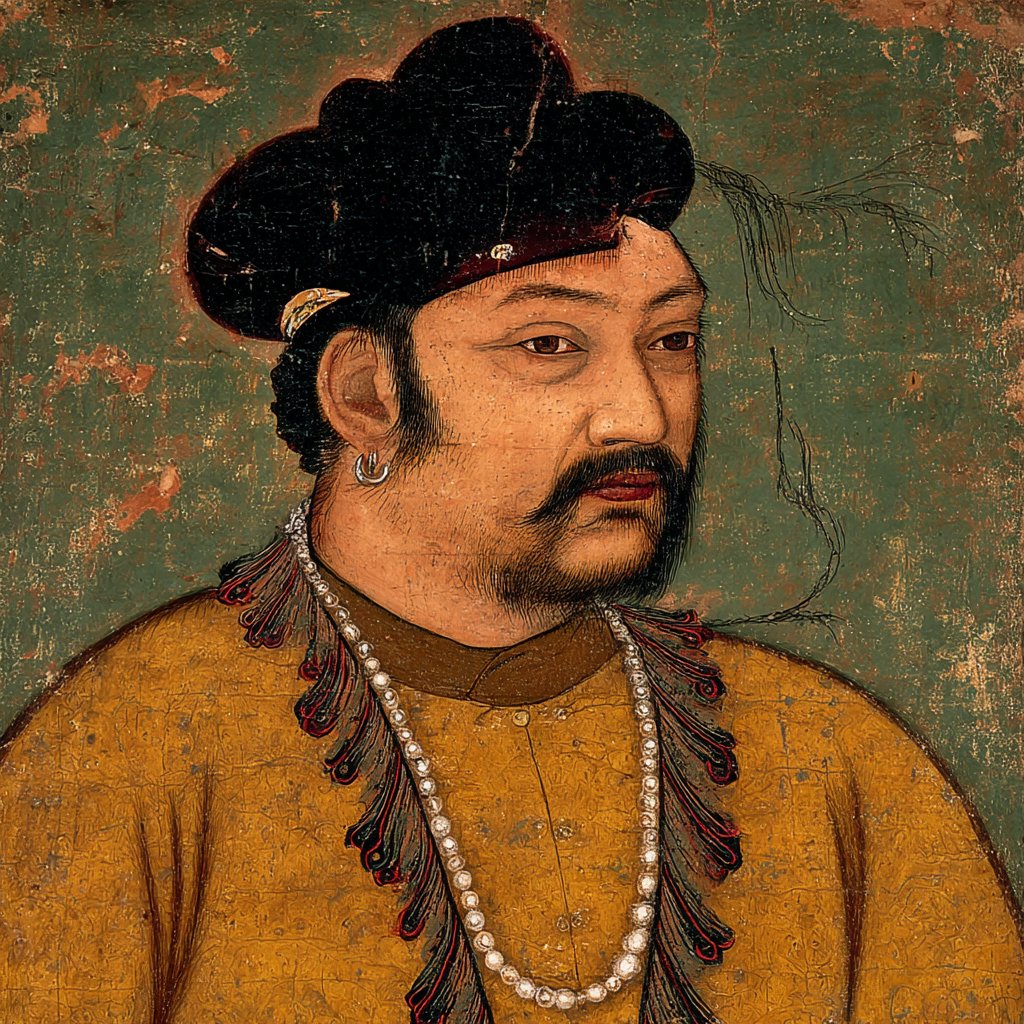
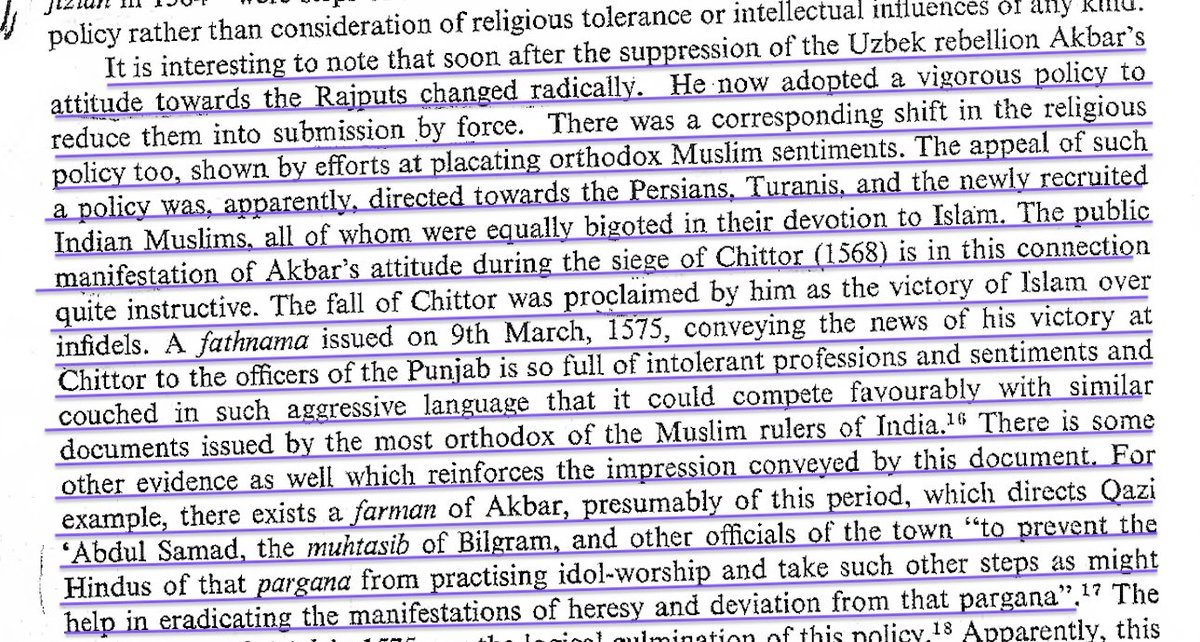
The truth about Akbar the the not-so-great Mughal which the Thapars & Truschkes will never teach you in their history books, is that he was a fanatic Islamist & intolerant J/hadist just like the rest of his Timurid ancestors. In the 1560s, Akbar faced the Uzbek rebellion, a revolt by some of his powerful Turani (Central Asian) nobles, who had supported his grandfather, Babur. The Turanis were powerful provincial governors and often acted semi-independently. Among them were several Uzbek commanders who controlled large territories in northern India. They revolted against Akbar’s efforts to centralize power and reduce the autonomy of provincial governors. Akbar personally had to lead campaigns to suppress the uprisings and defeated the rebels by ~1567, which strengthened his imperial authority and marked a turning point in consolidating his rule. Soon after the suppression of the Uzbek rebellion Akbar tried to curtail the power of the Rajputs by forcing them to submit to his rule. He started showing his true fanatical J/hadi side to placate orthodox Muslim sentiments & appease the Persians, Turanis, and new Muslim converts, who were all equally bigoted in their devotion to Islam. Akbar’s attitude during the siege of Chittor (1568) tells us how barbaric he really was. Besides ensuring the murder of 30,000 innocent, women, children and elderly Hindus, he celebrated the massacre of Chittor by proclaiming it loudly as the victory of Islam over the Kafir infidels. A fatahnama issued by him on 9th March, 1575, conveying the news of his victory at Chittor to his officers in Punjab - overflows with so much hatred against Hindus and is written in such vicious language that it could easily compete with Aurangzeb. Akbar's Fatahnama as recorded by Abu Qasim Namakin, Munshi’at-i Namakin (Aligarh MS, ff. 26a–32a.) clearly says - “As directed by the word of Allah, we, as far as it is within our power, remain busy in j/had and owing to the kindness of Allah, who is the promoter of our victories, we have succeeded in occupying a number of forts and towns belonging to the Kafirs and have established Islam there. With the help of our bloodthirsty sword we have erased the signs of infidelity from their minds and have destroyed temples in those places and also all over Hindustan.” Shortly after this, Akbar also issued a farman directing Qazi ‘Abdul Samad, the muhtasib of Bilgram, and other officials of the town “to prevent the Hindus of that pargana from practicing idol-worship and take such other steps as might help in eradicating the manifestations of heresy and deviation from that pargana.” (Sharaf-i ‘Usmani, MS, Department of History, A. M. U. Aligarh - a local history of Bilgram compiled in the 18th century) Hindus could not even worship our Murtis inside our own temples under 'secular' Akbar. It’s high time that this atrociously fake myth of the "tolerant & secular Akbar the (not-so) Great”’ is put to rest forever
Savitri Mumukshu - सावित्री मुमुक्षु tweet mediaSavitri Mumukshu - सावित्री मुमुक्षु tweet mediaSavitri Mumukshu - सावित्री मुमुक्षु tweet media
English
32
743
1.5K
35.8K
Cricketopia
Cricketopia@CricketopiaCom·
Sachin Tendulkar once shared that he used to visit the temple before every match, often at 3-4 AM, drink water from the tap for energy, and pray to Ganesha. What started as a habit became a ritual he followed until his final game in 2013.
English
84
3.5K
25.1K
1.3M
Sudhakar Kalluri ( కల్లూరి సుధాకర్ ) ری ٹویٹ کیا
Uday Mahurkar
Uday Mahurkar@UdayMahurkar·
Why Muslims have to accept that Veer Savarkar’s Hindu Rashtra is an inclusive concept & not an exclusive concept like a Muslim nation? How Partition happened & what was the role of Gandhiji’s pacifist ideology in it? How Savarkar was the first person to warn that if Cong’s Muslim appeasement doesn’t stop the birth of Pakistan was imminent ? In this engaging conversation with @deepaliiagrawal for @amarujalakavya , the digital platform of @AmarUjalaNews Group, I discuss many complex issues facing the nation from a truly Nation First standpoint.
English
4
91
163
4.6K
Sudhakar Kalluri ( కల్లూరి సుధాకర్ ) ری ٹویٹ کیا
GemsOfINDOLOGY
GemsOfINDOLOGY@GemsOfINDOLOGY·
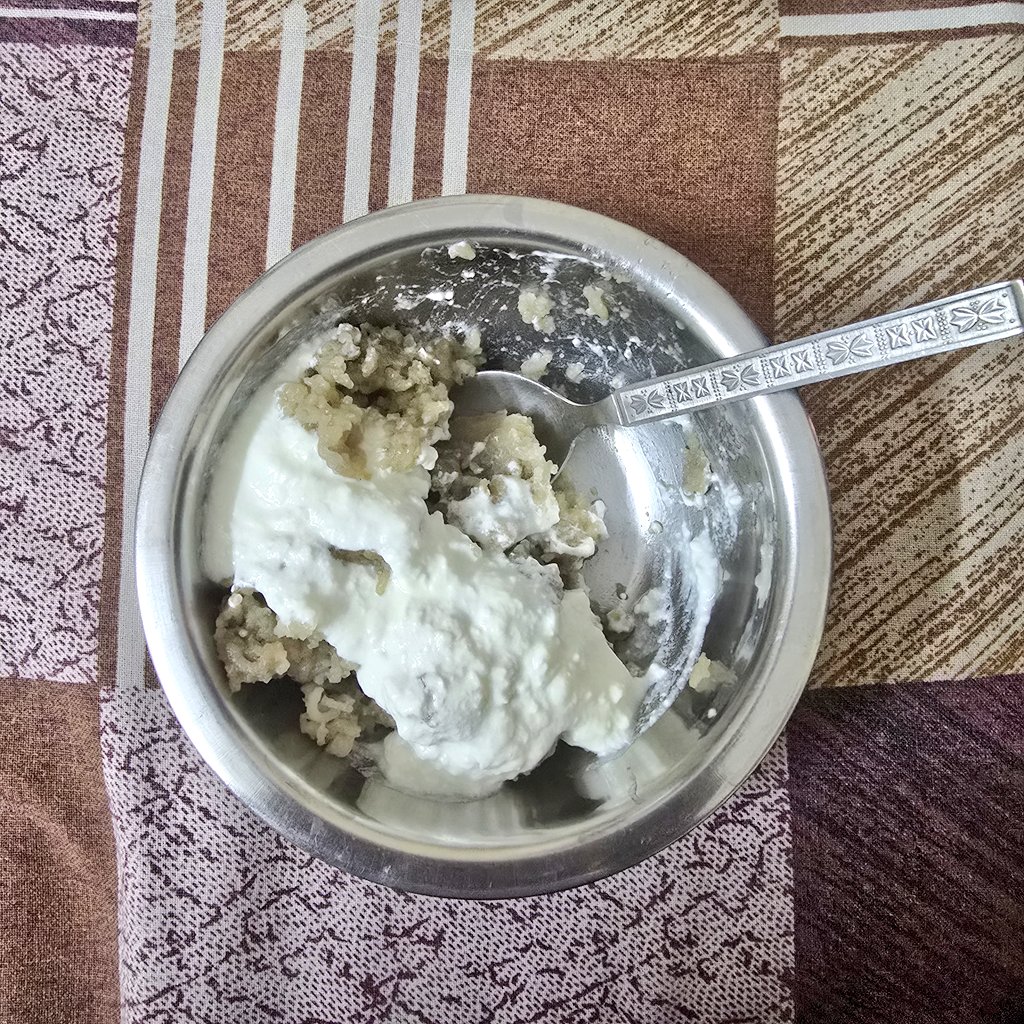
1 bowl of “stale” rice. And a microbiology lesson older than the microscope. Today across North India, Basoda is observed. No fresh cooking. Food prepared the previous night is eaten cold - often rice with curd. At first glance, it looks like a ritual of austerity. But look closer. When cooked rice sits overnight, something interesting happens. The cooling starch reorganizes into resistant starch - what modern nutrition calls a prebiotic. Naturally occurring lactic bacteria begin mild fermentation. Add curd, and the meal becomes probiotic. In other words, a gut-friendly microbial meal. Today scientists explain this through microbiology and gut flora. But communities across India have practiced similar food traditions for centuries. Panta bhat in Bengal. Pakhal in Odisha. Pazhaya sadam in Tamil regions. Poita bhat in Assam. All variations of overnight fermented rice. Different regions. Same seasonal wisdom. Before laboratories and microscopes, people watched the body, the seasons, and food itself. Observation became tradition. Tradition became ritual. Sometimes culture preserves knowledge long before science finds the vocabulary for it. 🌾 #UncropTheTruth #Decolonisation
GemsOfINDOLOGY tweet media
English
69
432
1.5K
51.6K
Sudhakar Kalluri ( కల్లూరి సుధాకర్ ) ری ٹویٹ کیا
Dr. Neha Das
Dr. Neha Das@neha_laldas·
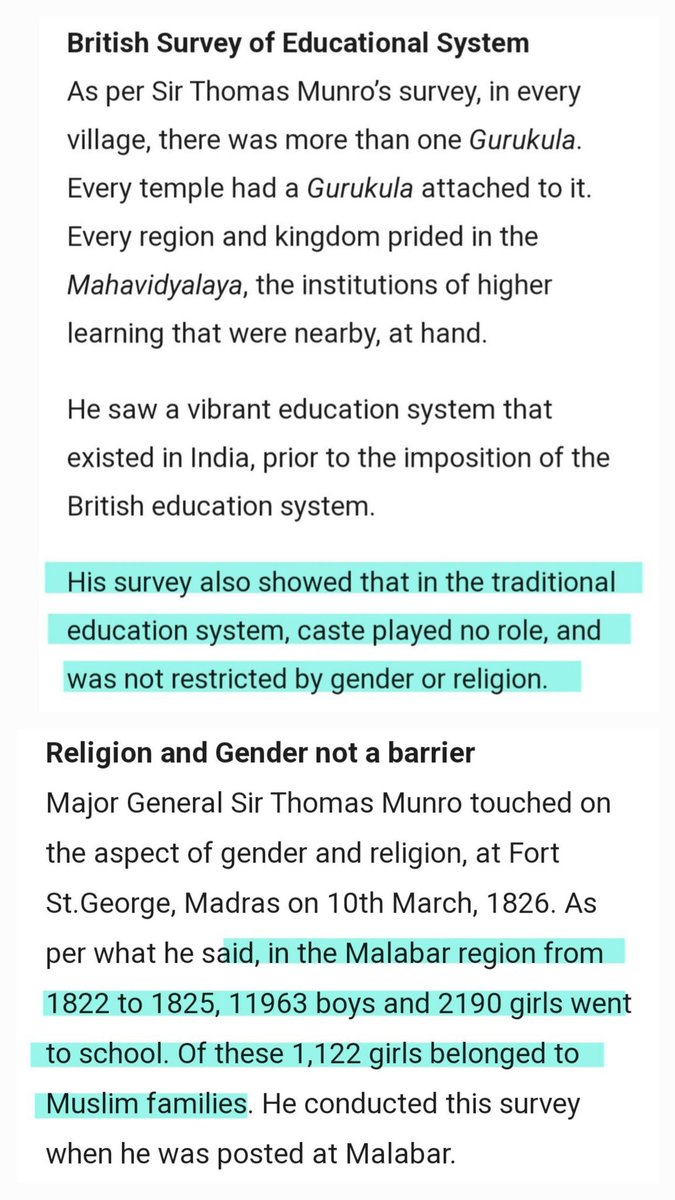
Myth: Women got the right to education after Savitribai Phule! Fact: 1. A survey conducted by the British Governor of Madras Presidency in 1821 (Thomas Munro) stated that girls were mostly educated at home! 2. In 1838, the British Government's W. Adam Survey (Bihar and Bengal) reported that there were schools for girls too! Infact there were 6 "only girls" schools operating in Bihar/Bengal! Remember, these were indigenous schools. All these were before Savitribai Phule!!
Dr. Neha Das tweet mediaDr. Neha Das tweet media
Vishnu Vardhan Reddy@SVishnuReddy

Remembering the fearless reformer and educator Savitribai Phule on her remembrance day. She ignited the movement for girls’ education and showed society that empowering women begins with knowledge. Her courageous legacy continues to inspire generations. #SavitribaiPhule

English
24
778
1.4K
16.6K