
sheeshwiz
1.4K posts


Iran has once again clearly refused US peace plans, there’s only one thing left now…
English
sheeshwiz ری ٹویٹ کیا
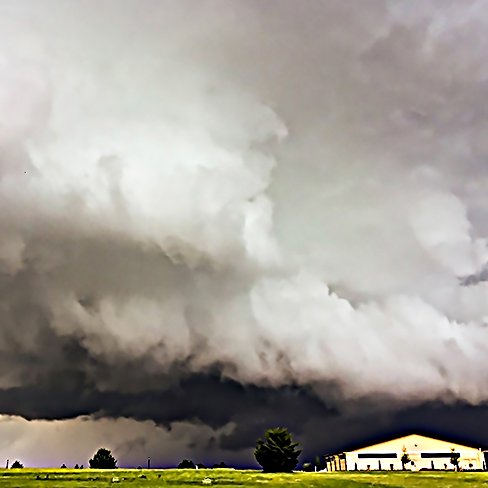
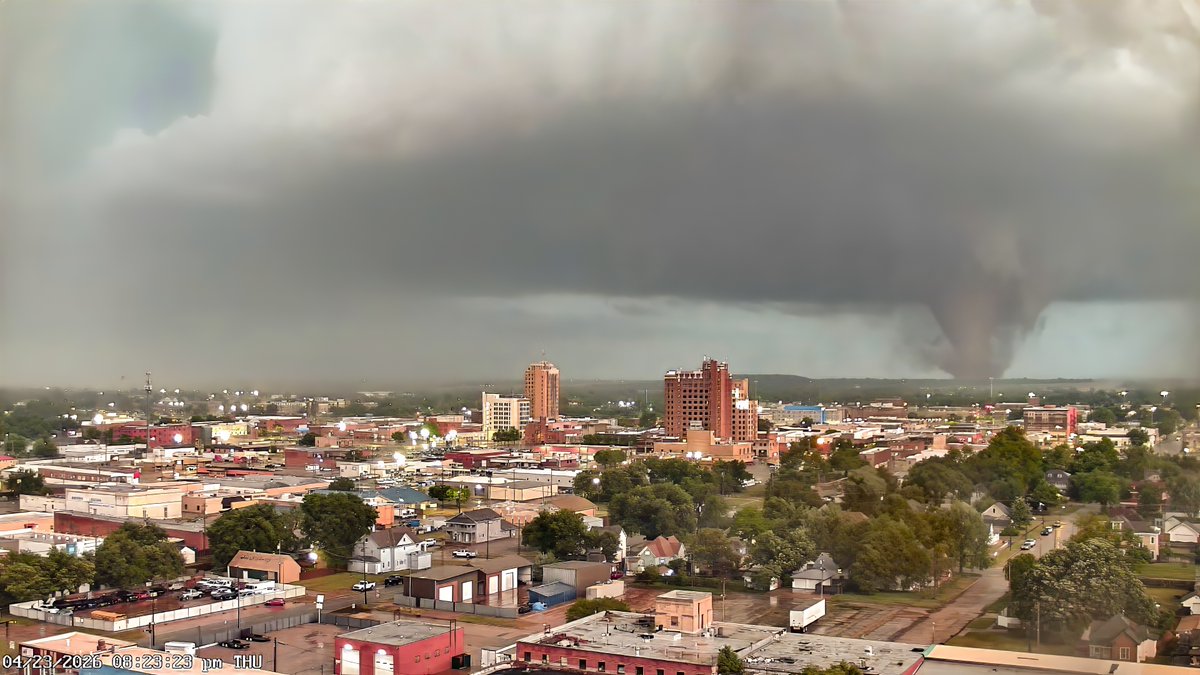
A violent tornado moved through south Enid, OK and our Enid area camera captured both downtown Enid and the twister in the background! @KOCOMichael
@NWSNorman @KOCOdamonlane @MikeMorganKFOR
#okwx
English
sheeshwiz ری ٹویٹ کیا

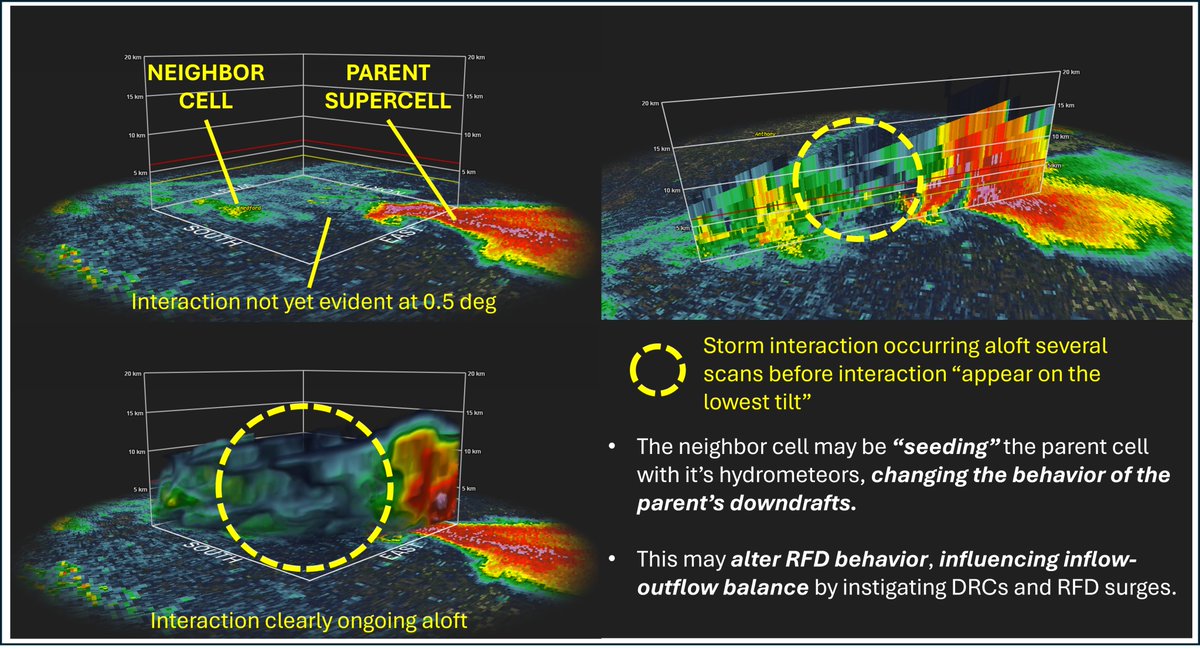
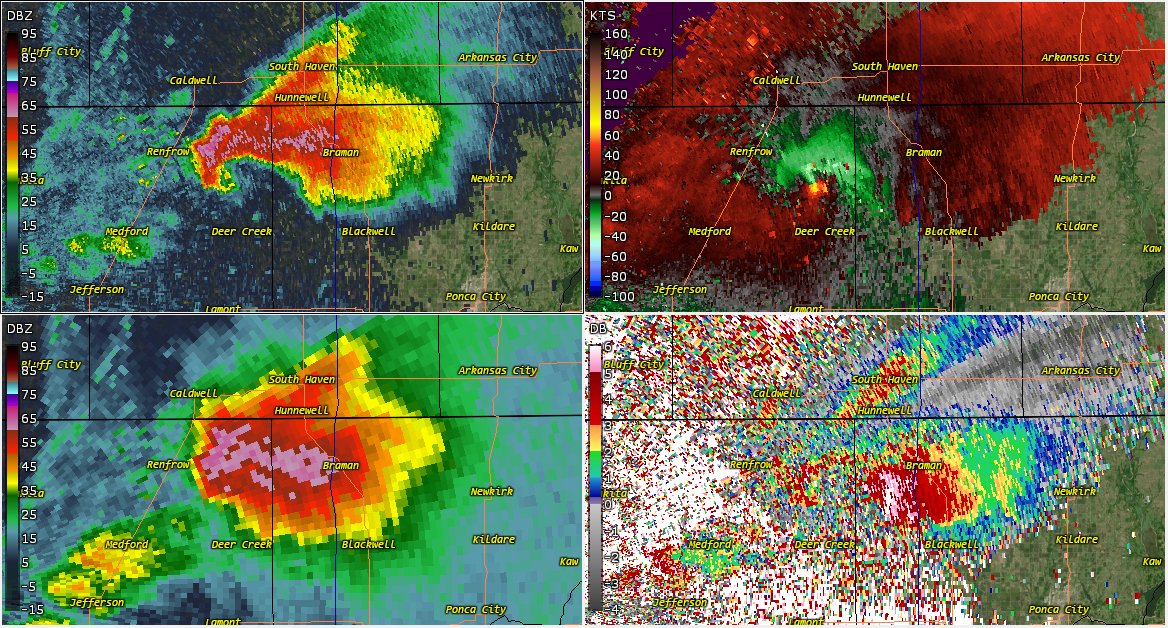
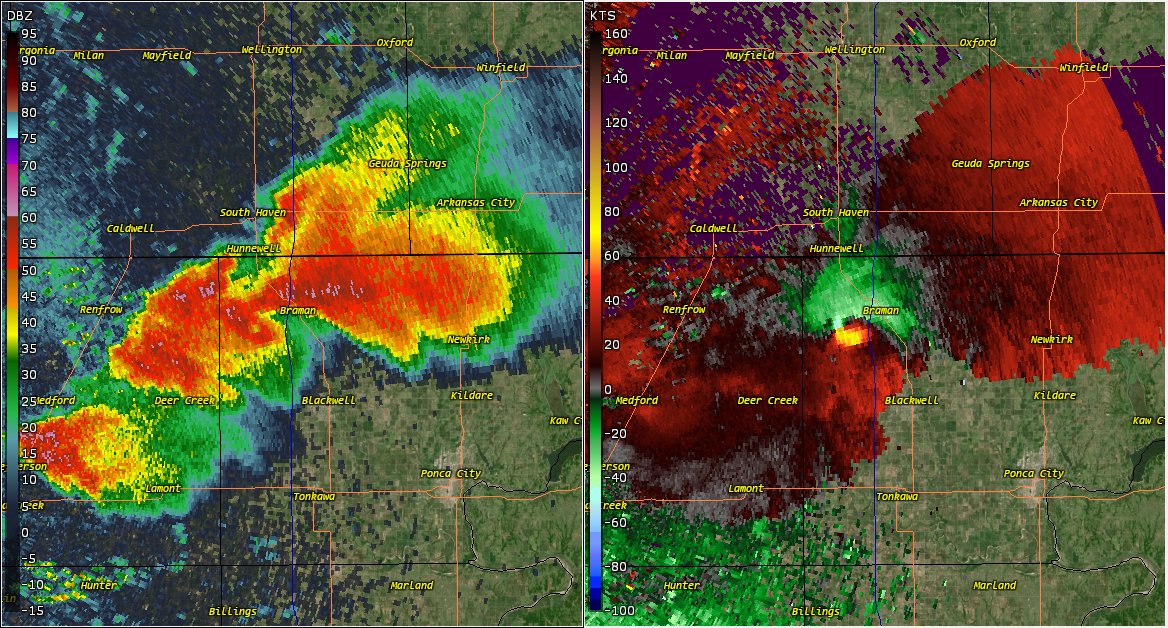
The Braman supercell is experiencing numerous rear-flank interactions in the last 30 minutes. Rear-flank interactions are found to alter downdraft behavior, influencing RFD evolution and instigating transition to a more HP storm mode. The initial interaction occurred aloft first!
English
sheeshwiz ری ٹویٹ کیا

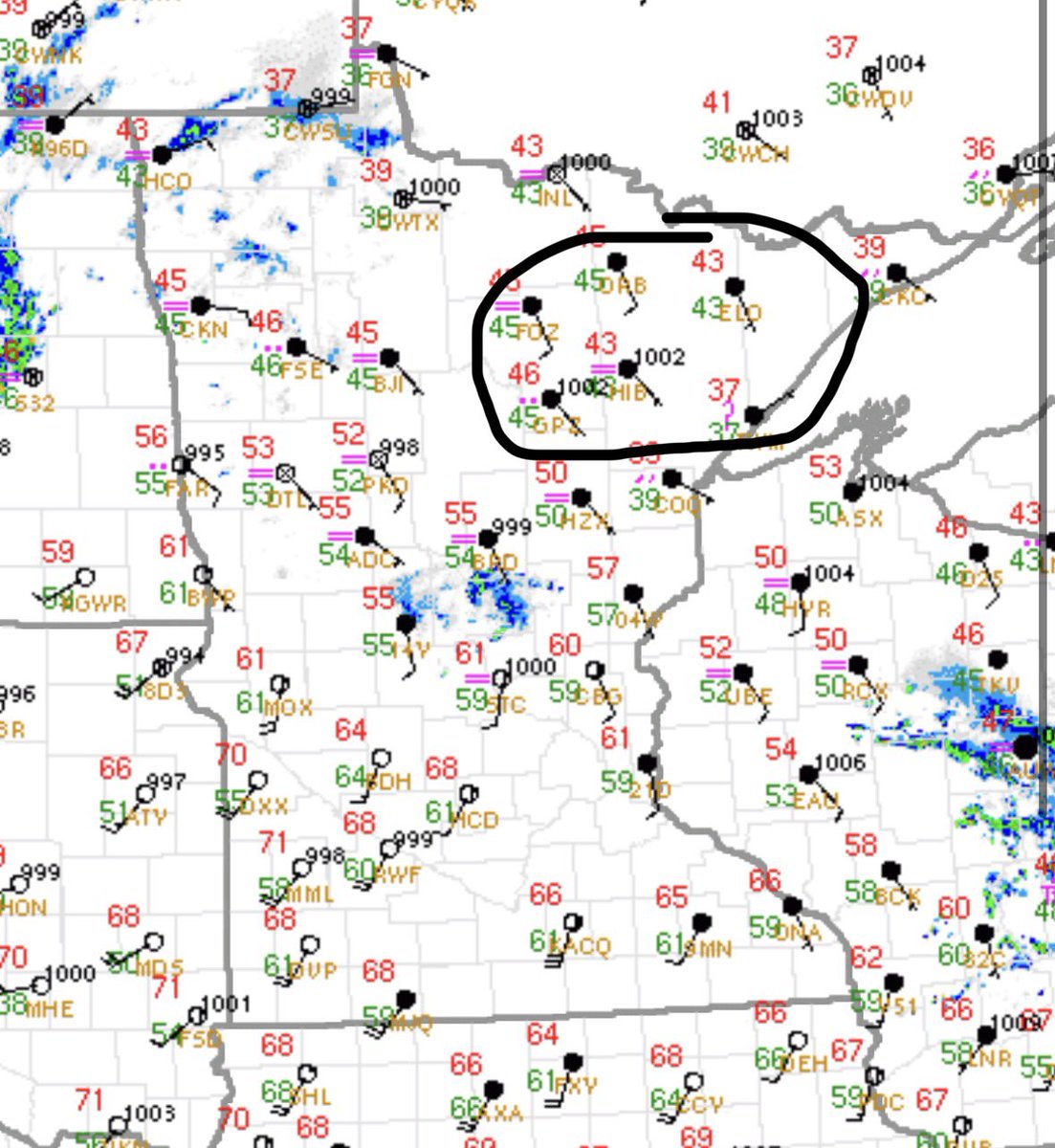
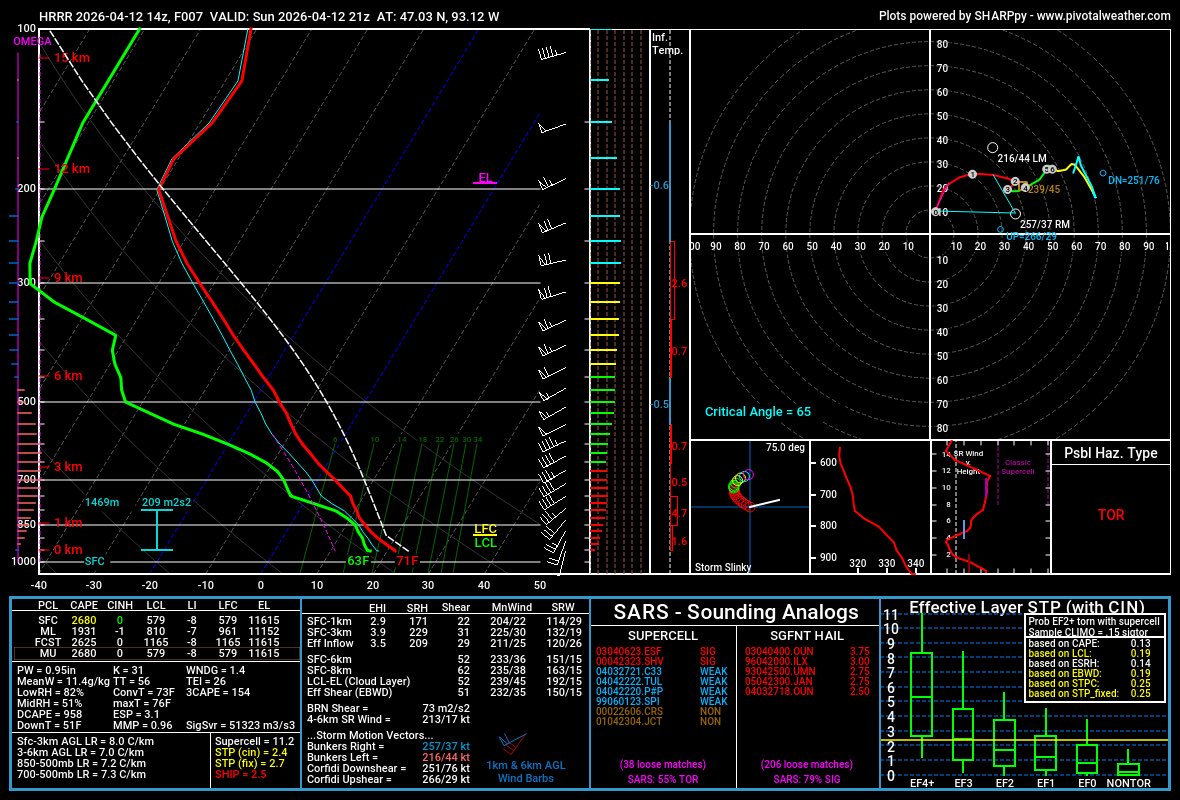
Really would love to be up in NE MN today, nice photogenic tor setup… Currently temps are in the mid 40s, there’s still snow cover up there, they need to recover into the upper 60s at least, WF rapidly moving North. Good low level thermos are forecast with adequate wind shear!


English

More footage showing an interceptor trying yet failing to down and the resulting impact of an Iranian ballistic missile earlier in the Southern Israeli city of Dimona.
English
sheeshwiz ری ٹویٹ کیا

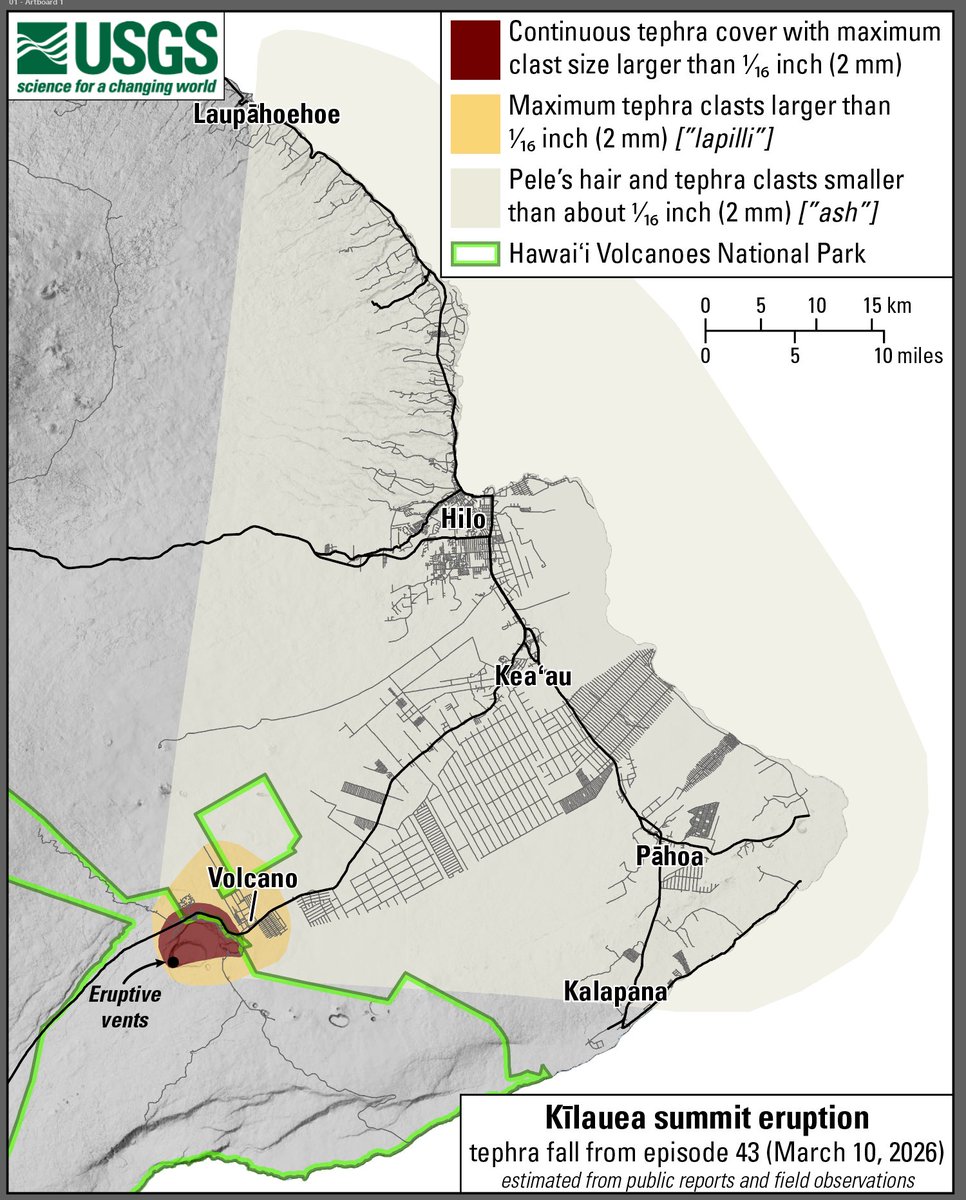
#VolcanoWatch summarizes episode 43 at Kīlauea, which lasted for 9 hours on March 10, with lava fountains up to 1,770 ft — the tallest of this eruption. Tephra fell across areas NE of the vents, prompting temporary road + park closures for cleanup. 200+ tephra reports helped agencies issue early Ashfall Advisories. Read more here: usgs.gov/observatories/…

English
sheeshwiz ری ٹویٹ کیا
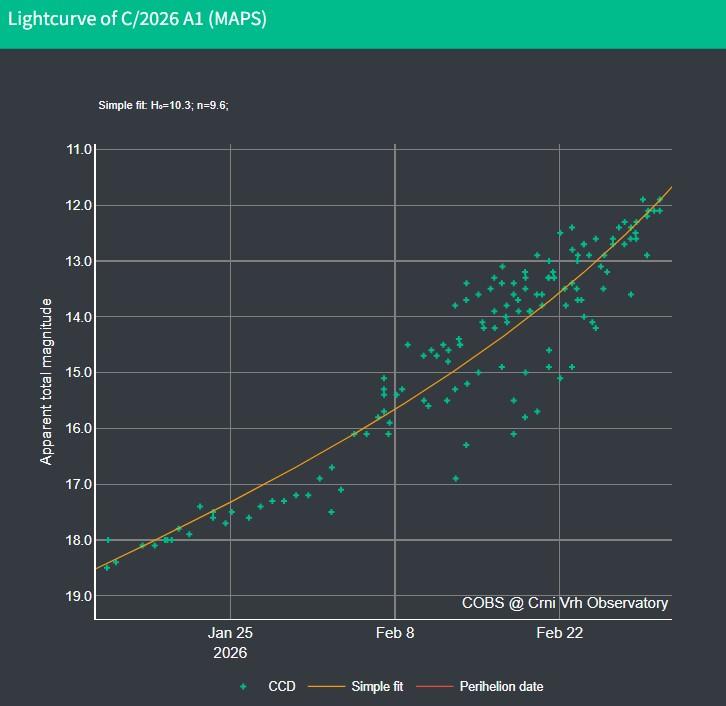
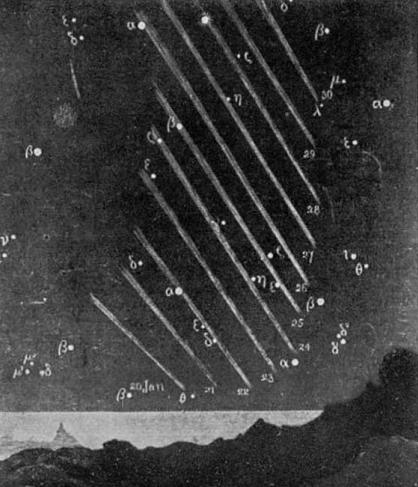
Bright comet (?) update! The latest brightness measurements (photometry) of comet C/2026 A1 (MAPS) indicates the comet has reached 12th magnitude. The rapid brightening appears to continue. Most currently posted brightness predictions are unrealistic, predicting a far too bright peak brightness (thousands of times brighter than the sun!). The comet underwent rapid brightening in February in a "switch on" phase. Any model that just extrapolates the brightening to perihelion predicts unrealistic brightness. The very rapid brightening rate from this "turn on" phase will not be sustained and there is evidence that it has indeed slowed down over the past week or so.
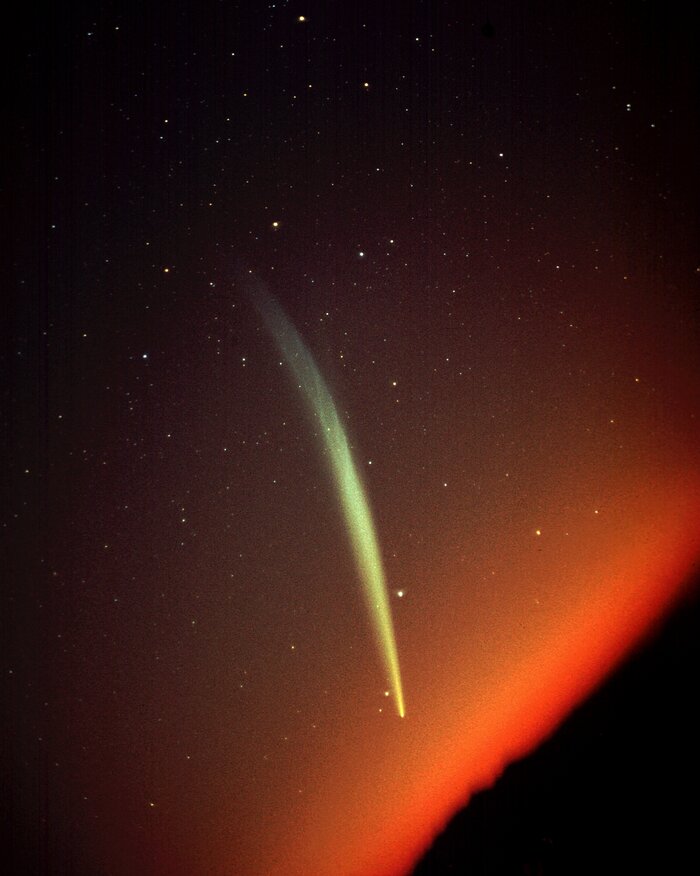
So where does all of this put the comet? How bright might it become? We can compare comet MAPS with comet Ikeya-Seki - the Great Comet of 1965. It appeared in 1965 and was the brightest (observed) Kreutz comet of the 20th century. We may assume that the brightening rate during the 'final approach' to perihelion of both comets will be similar. Ikeya-Seki was discovered 33 days perihelion, which coincidentally is exactly where MAPS is today. Ikeya-Seki was a bit closer to the Sun, but a bit further from the Earth - so the brightness contributions cancel out sufficiently for a good comparison.
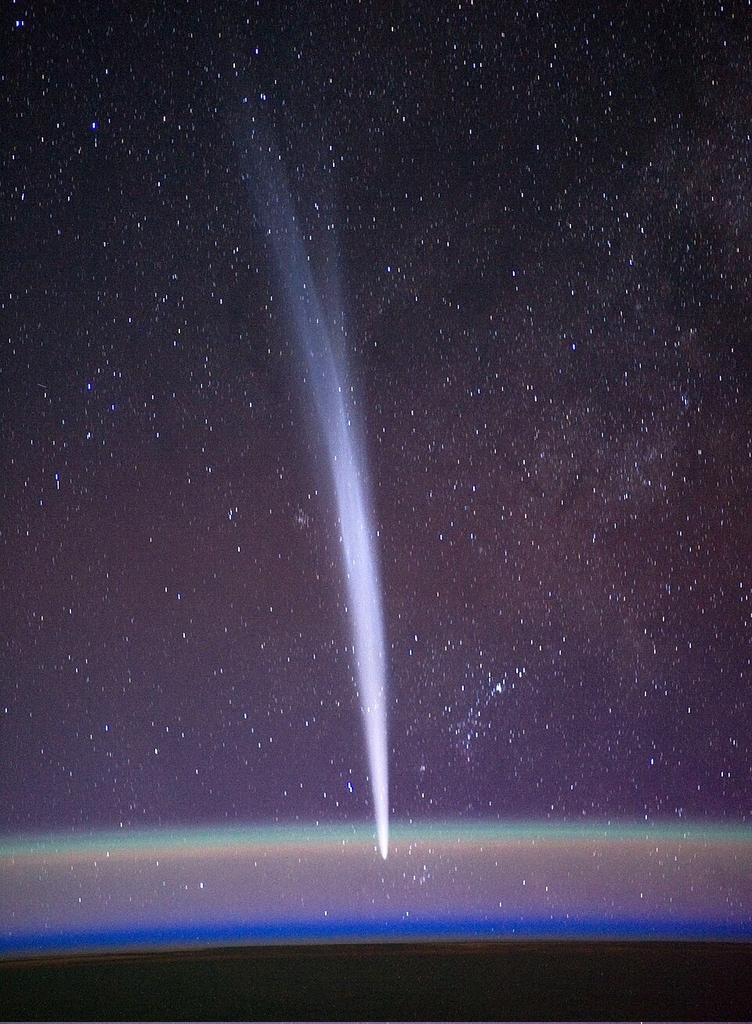
Comet C/2026 A1 (MAPS) is currently at magnitude 12. Ikeya-Seki was discovered at 8th magnitude. That is four magnitudes (40x) brighter. I will go out on a limb and say that the gap may be slightly smaller, since all current MAPS photometry is done with CCD cameras and visual estimates are usually slightly brighter. But there is no question, MAPS is nowhere near as brighte as Ikeya-Seki was. It is on the other hand *far brighter* than comet C/2011 W3 (Lovejoy), which was intrinsically the faintest Kreutz comet in the last century that survived perihelion. It survived, but disintegrated shortly afterwards, becoming a 'headless comet'. It was still impressive enough to become the Great Comet of 2011. There was another similar headless Kreutz comet - the Great Comet of 1887, also known as the Headless Wonder of 1887.
This indicates that, unless something unexpected happens, comet C/2026 A1 (MAPS) has the potential to become bright. Unless the nucleus is very fragile it seems to be above the survival limit. If it does survive it seems likely that it will become the Great Comet of 2026. I don't want to go into numbers just yet, let's wait another two weeks to see how rapidly it brightens.
English
English

@Sheesh3530 @WarMonitor3 @grok are you right in the head? what does the easy or the hard way sound like to you??
English
Reporter-"You said you would acquire Greenland by force."
Trump-"I never said that."
English
@WarMonitor3 @grok he did say it right? how can he lie this bad?
English
@USGSVolcanoes When will the cam get zoomed back in with the fountains getting smaller?
English
Hawaiian Volcano Observatory Message 2026-01-12 12:54:52 HST. Tephra is falling north of Halema'uma'u, visible in V1 cam. Reticulite up to 2 inches in diameter falling at Uēkahuna overlook. Airborne hazard exposure varies with wind speed and direction.
English
sheeshwiz ری ٹویٹ کیا


sheeshwiz ری ٹویٹ کیا
Footage showing a massive explosion earlier at Higuerote Airport in the State of Miranda, Northern Venezuela, with the secondary explosions and fire suggesting a strike against a surface-to-air missile launcher with the Venezuelan Air Force.
English
sheeshwiz ری ٹویٹ کیا

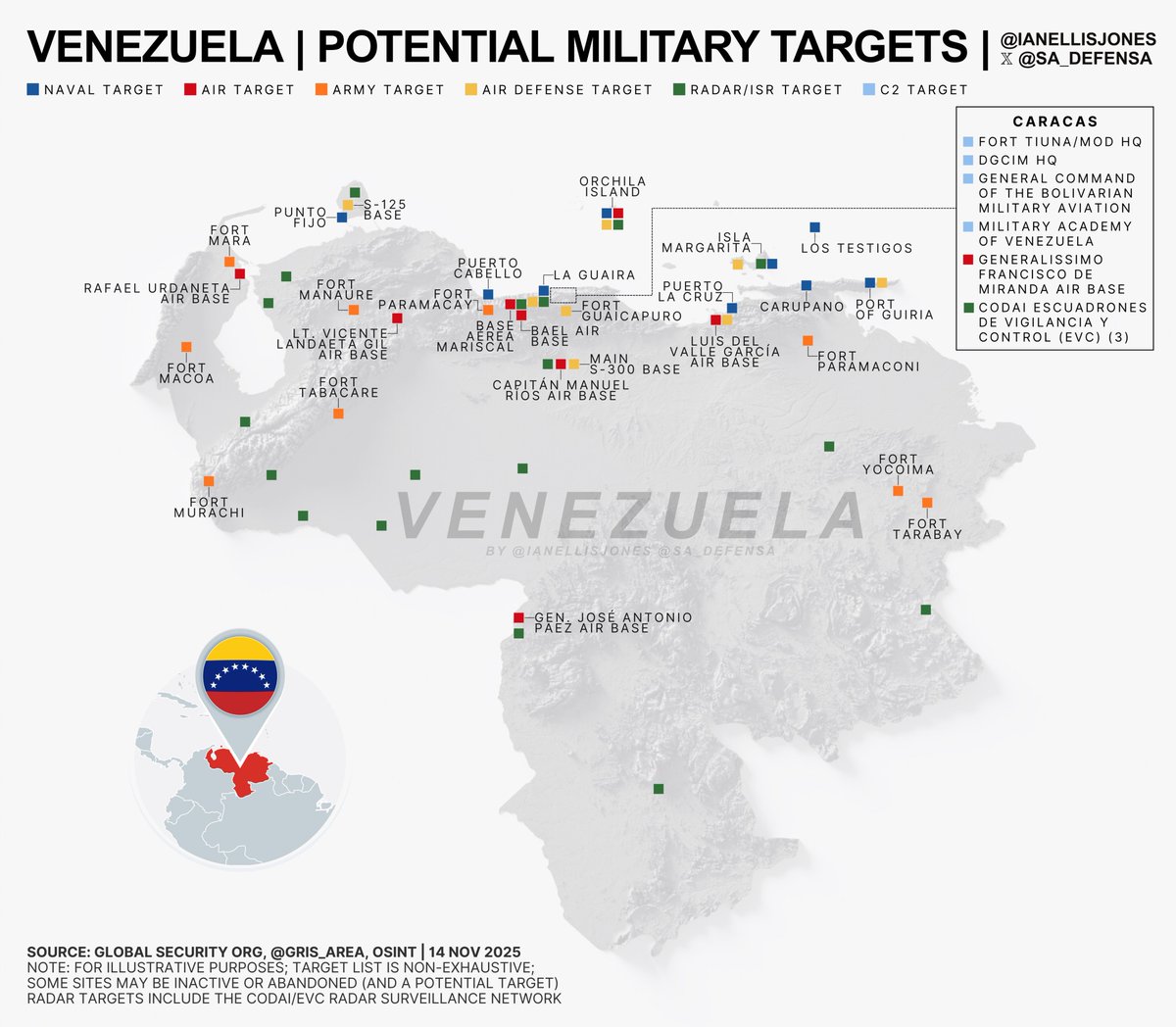
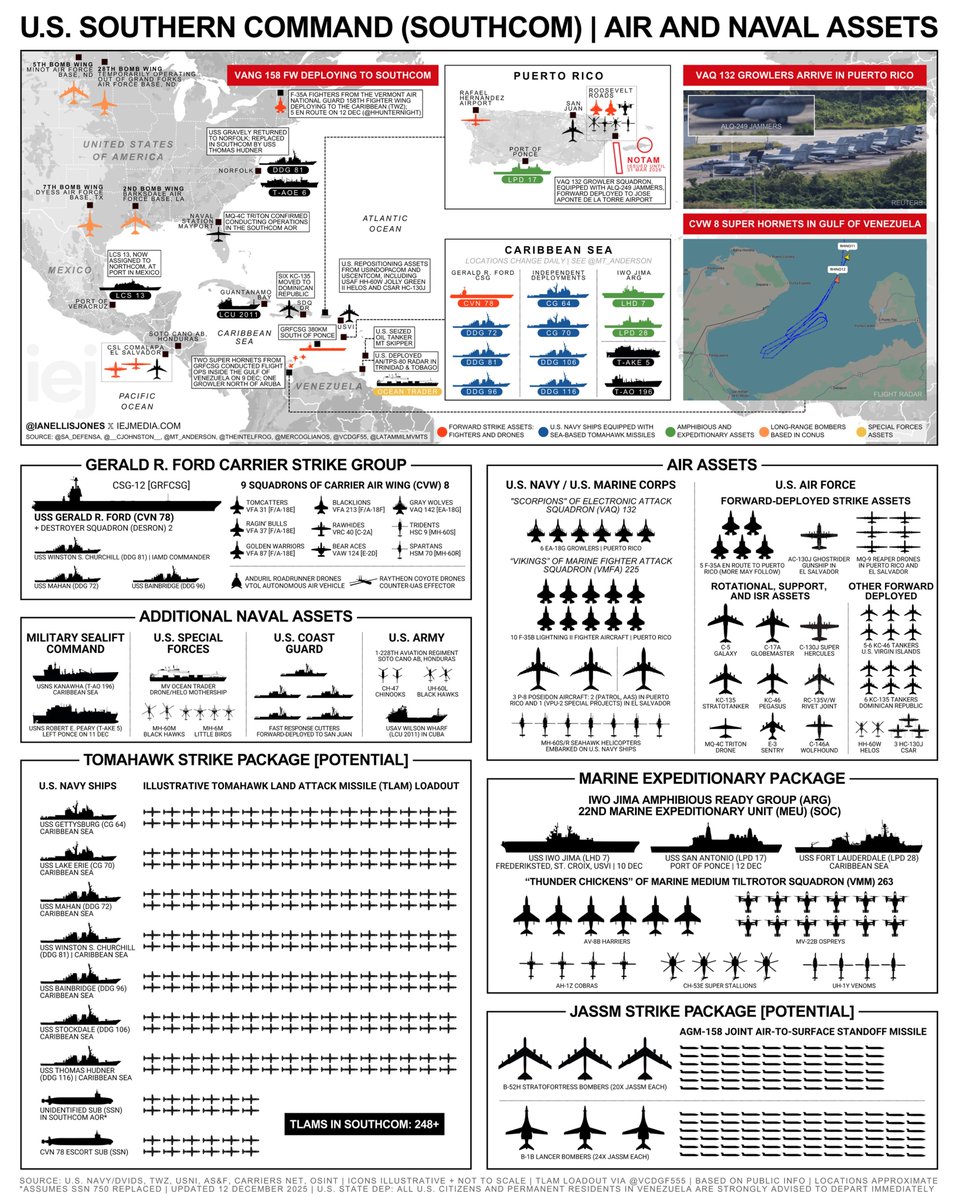
With the Blockade of Venezuela beginning, I recommend to everyone to take a look back at @ianellisjones's infographics that detail potential strike targets and current assets in the region.
English
sheeshwiz ری ٹویٹ کیا
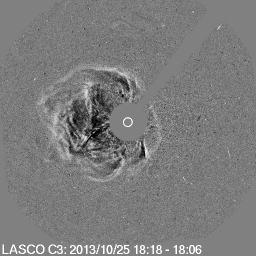
Another eruption from AR12474, associated with an X5.1 flare. It has become a full halo CME. I am truly impressed by how fast and global this coronal wave is. The CME will arrive on November 13, but because of earlier CMEs it will be challenging to isolate the ICME from this.
English
sheeshwiz ری ٹویٹ کیا

Veteran's Day fireworks!
X5.1 flare (R3-Strong) from Region 4274
Region 4274 produced an X5.1 flare at 11/1004 UTC. Likely the strongest flare of the cycle. More information will follow in subsequent posts.
Stay tuned to our website for updates.

English
@DerekOrtt I’m guessing severe turbulence on entry, so maybe getting their bearings good before they exit ?
English


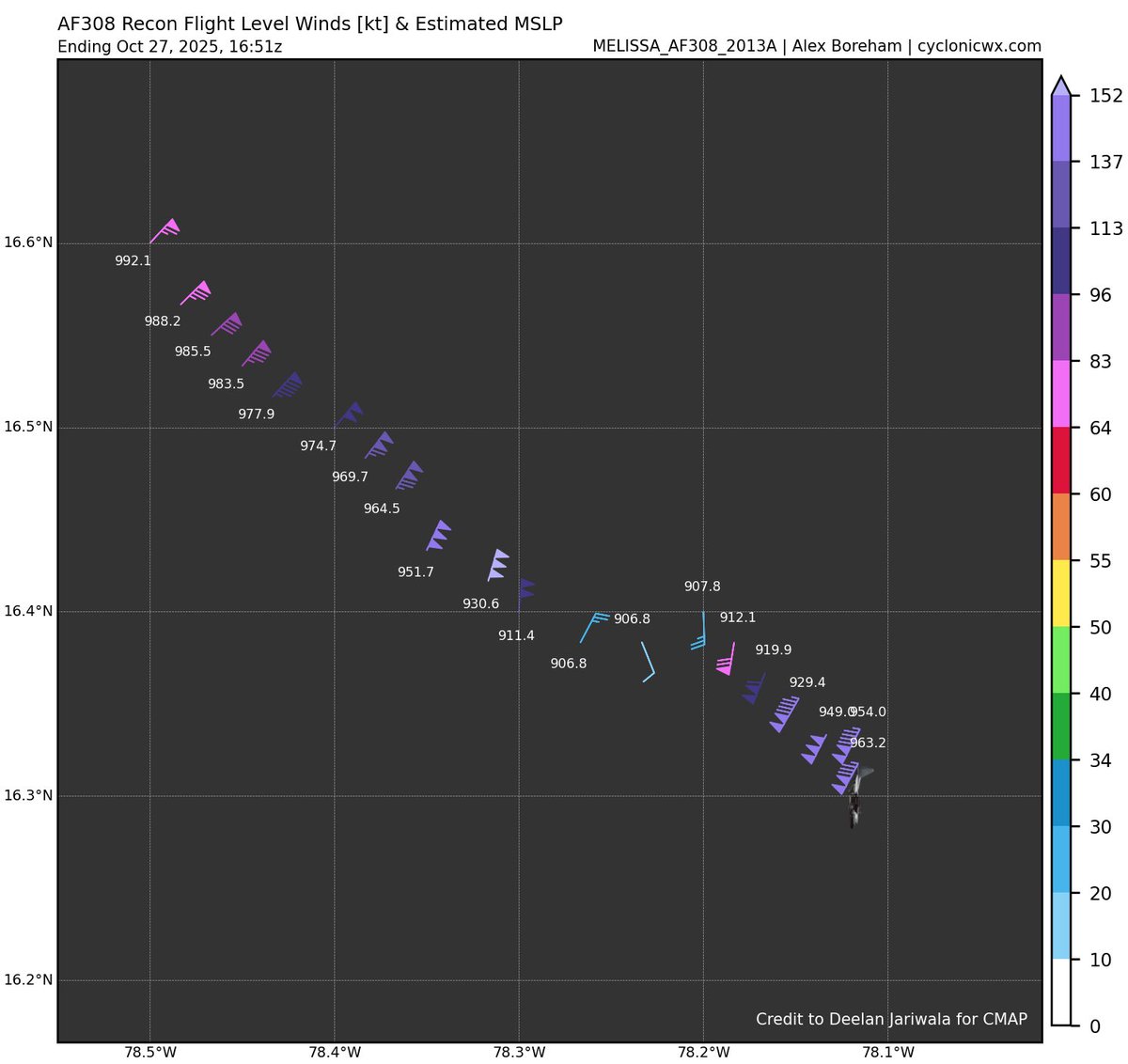
First recon pass records an extrap pressure of 893.5mb with flight level winds of 165kt. This is not good.
Also noting that barb with the low pressure reading has a 55kt wind barb, so I think it could be a bit lower just for the record. I think we have a chance at being sub 890mb if this extrap pressure is close to what it actually is.

English
@FerragamoWx Just in time for recon to leave lol. Be tough to get sub 900 with just satellite estimates overnight
English

That looks to me like a 902-903 mb reading from dropsonde — meaning #MELISSA just deepened ~4 mb in half an hour.
Lock it in, we’re going sub-900 mb tonight.

English
@FerragamoWx Do you know by a chance when the next recon flight heads out ?
English
Latest recon pass just now still finding a pressure ~906 mb. The winds have definitely caught up now, and I expect an upgrade to 150-155 kts (175-180 mph) next advisory.
English