

Jon Mattos
79 posts
Jon Mattos
@jonmtts
Science, Tech and Politics. Expect multilingual posts (mainly English and Portuguese).
Brazil شامل ہوئے Eylül 2020
132 فالونگ26 فالوورز

He spent way too much time entertaining this guy. The second he mentioned his daughter he should have did what he needs to do and let him know he’s not welcome
English
Yeah, the "Earth protected the nearside" idea is pretty common, but evidence suggests the opposite actually happened. The nearside got punished by heat from Earth (intense Earthshine) and by internal heating due to Earth’s gravitational pull (asymmetric tidal heating).
So instead of being shielded, the nearside stayed hotter and molten longer, which is why its crust is thinner and has more lava-filled maria.
If you want to read more about it, here's a really interesting explanation from The Planetary Society: planetary.org/articles/the-t…
English


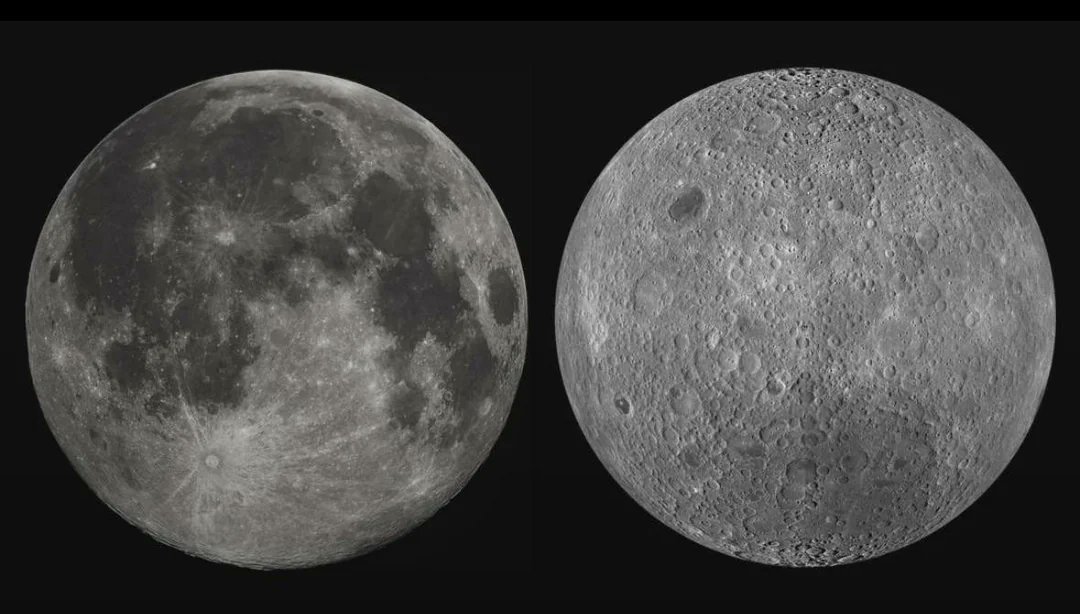
Earth's gravitational pull likely played a big role in the Moon's two-faced crust. Right after the Moon formed, it was much closer to Earth (about 10–15 times closer than today) and became tidally locked very quickly — meaning the same side (the nearside) always faced Earth.
At that time, the early Earth was still extremely hot (~2,500°C / 4,500°F) from the giant impact that created the Moon. Because the nearside was constantly facing this blazing-hot Earth, it received intense Earthshine (infrared radiation). This kept the nearside molten longer, while the farside (facing cold space) cooled and crystallized faster, building a thicker crust.
On top of that, Earth's gravity caused asymmetric tidal heating — basically flexing and squeezing the Moon more on the nearside, generating extra internal heat there (about 10–20% more). Together, these effects (both from Earth's gravity) made the nearside crust thinner and the farside much thicker. This is one of the leading explanations, though scientists are still debating the details.
Main source: The Planetary Society
English

Earth's gravitational pull likely played a big role in the Moon's two-faced crust. Right after the Moon formed, it was much closer to Earth (about 10–15 times closer than today) and became tidally locked very quickly — meaning the same side (the nearside) always faced Earth.
At that time, the early Earth was still extremely hot (~2,500°C / 4,500°F) from the giant impact that created the Moon. Because the nearside was constantly facing this blazing-hot Earth, it received intense Earthshine (infrared radiation). This kept the nearside molten longer, while the farside (facing cold space) cooled and crystallized faster, building a thicker crust.
On top of that, Earth's gravity caused asymmetric tidal heating — basically flexing and squeezing the Moon more on the nearside, generating extra internal heat there (about 10–20% more). Together, these effects (both from Earth's gravity) made the nearside crust thinner and the farside much thicker. This is one of the leading explanations, though scientists are still debating the details.
Main source: The Planetary Society
English

@jonmtts @maniaUFO Thanks for providing such a succinct and pragmatic explanation - a rarity with specialists!
What role might Earth's gravitational pull have played in this phenomenon, early in the Moon's life?
Genuine open-ended question. Always felt like this may be a big part of the solution.
English
MISSION COMPLETE! Welcome back home, @astro_reid @Astro_Christina @AstroVicGlover @Astro_Jeremy
#ArtemisII 🚀

English
Jon Mattos ری ٹویٹ کیا
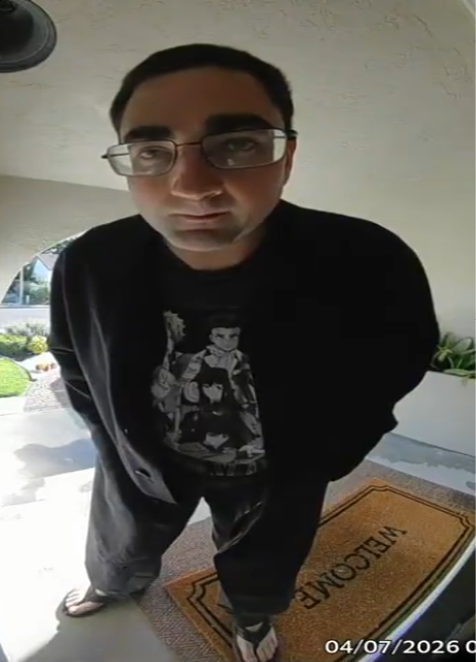


@Metropoles "Não levo isso para um campo moral. Eu abriria essa discussão (sobre liberação de drogas) de estado a estado. Querem discutir? A partir de um determinado grau de IDH, você discute. Eu não vou discutir droga no Maranhão, vou discutir analfabetismo."
Renan Santos em 15/12/2025.
Português

➡️ “Contradição”: colunista avalia consumo de cogumelos por Renan Santos
Veja mais no programa Agora Metrópoles, no nosso canal no YouTube
Português
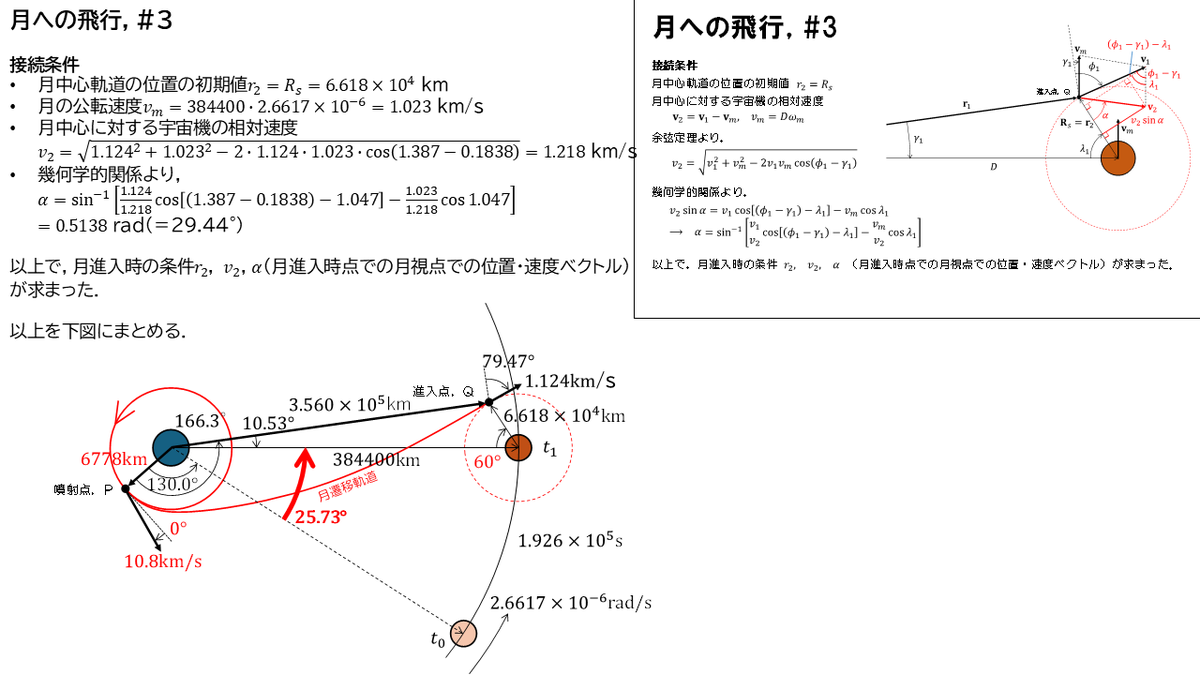
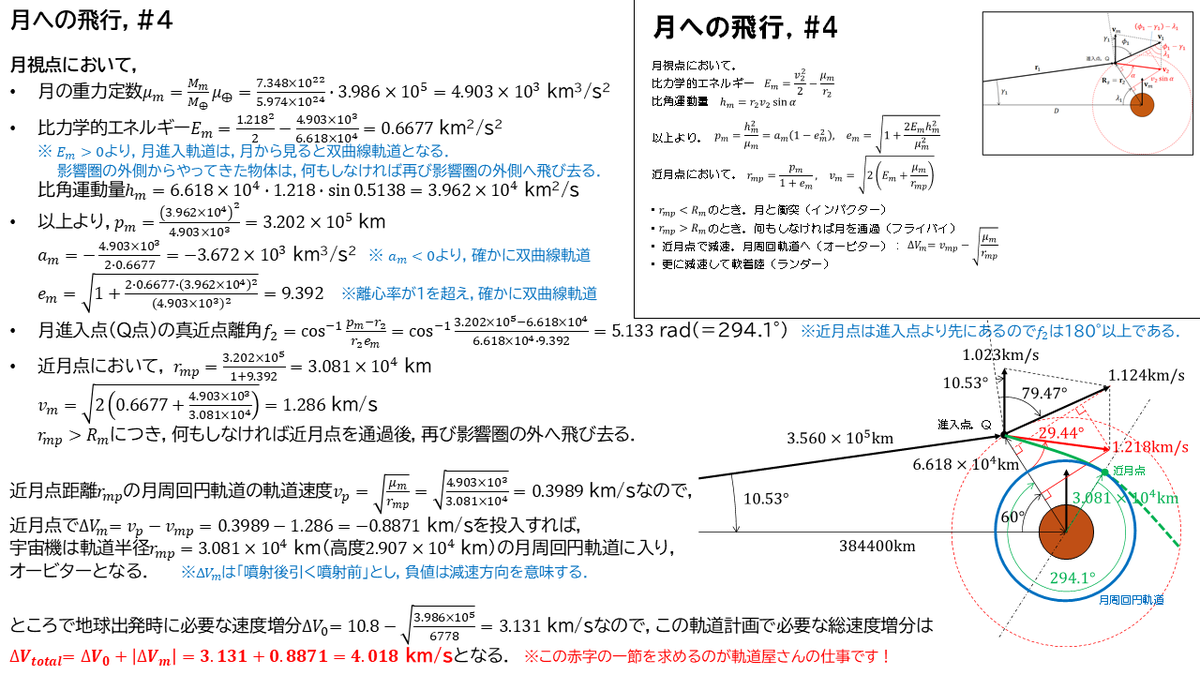
If you're interested in orbital mechanics, this is a really nice breakdown of the Earth-to-Moon calculation flow. Check it out:
宇宙システム研究室@東京都立大学/佐原研究室@TMU_SSL
English

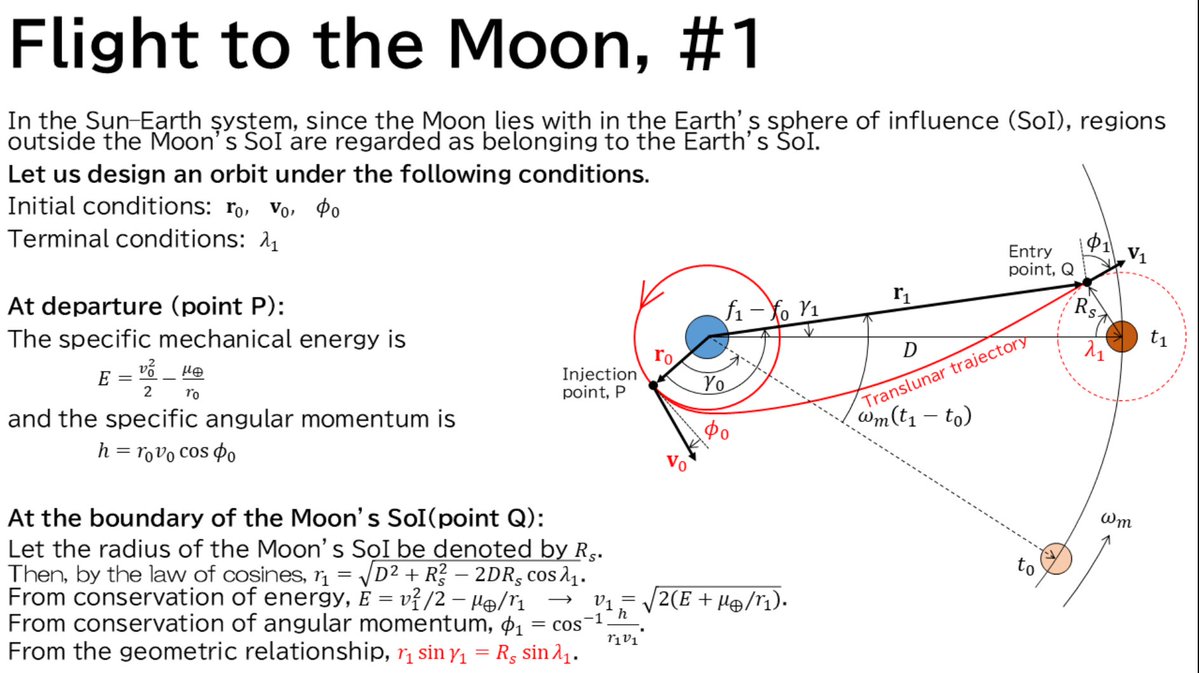
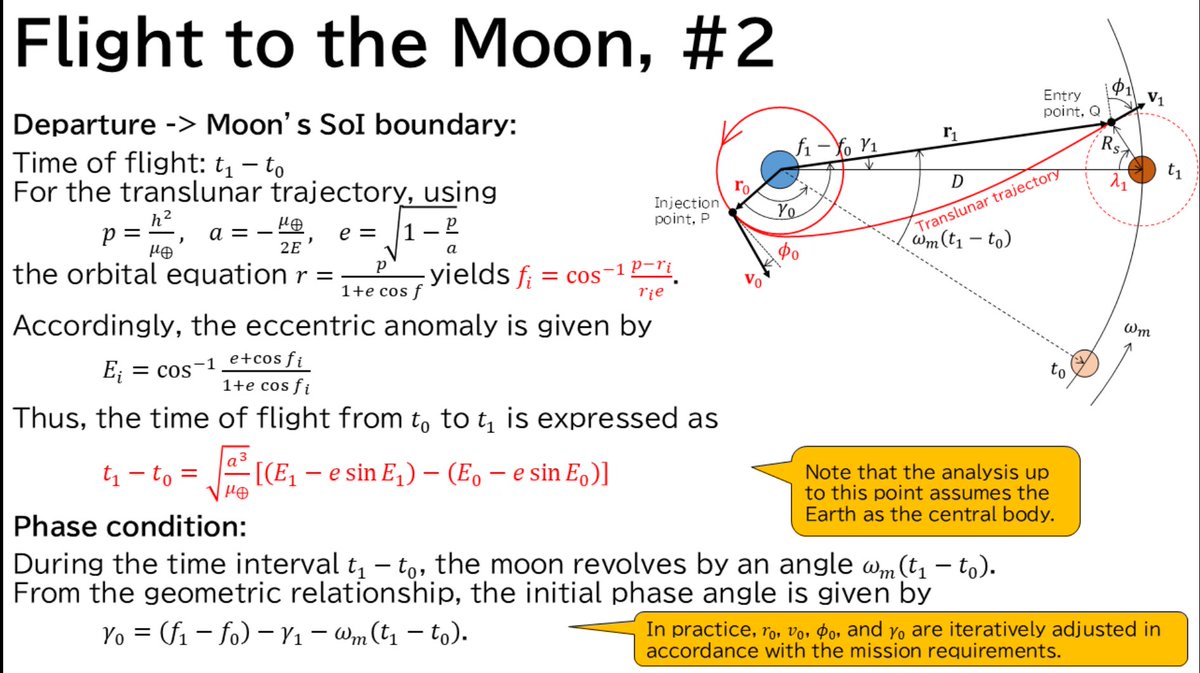
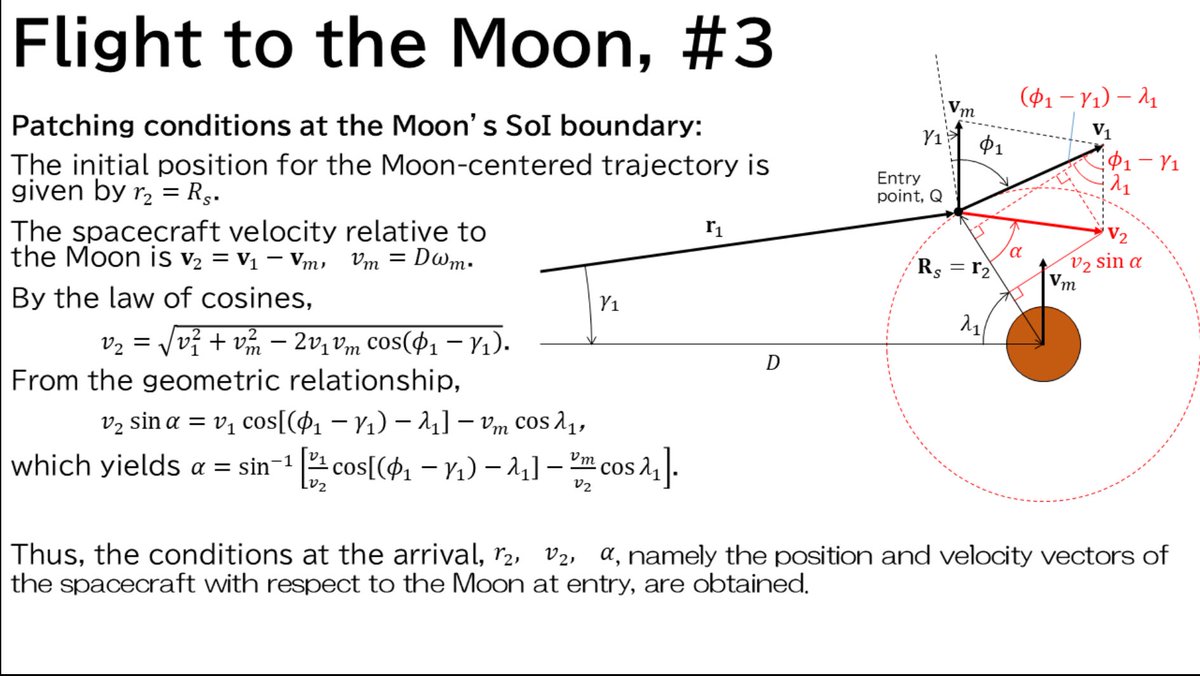
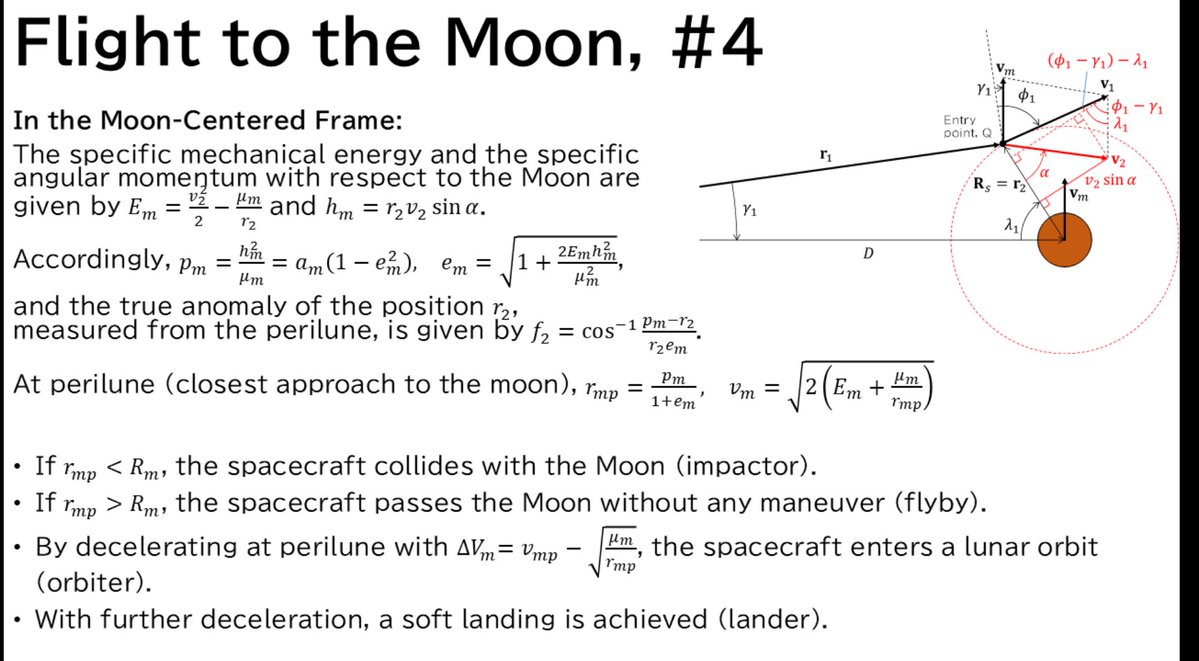
@TMU_SSL @manarmn__ I'll definitely take a look at this. Nice work!
English

@manarmn__ I’m technically not supposed to have my slides quoted like that, but thanks for sharing them!
Since you’ve gone that far, why not add a concrete calculation example as well?
Apologies that it’s all in Japanese—just let an AI handle the translation and have fun with it.
#TMU_SSL
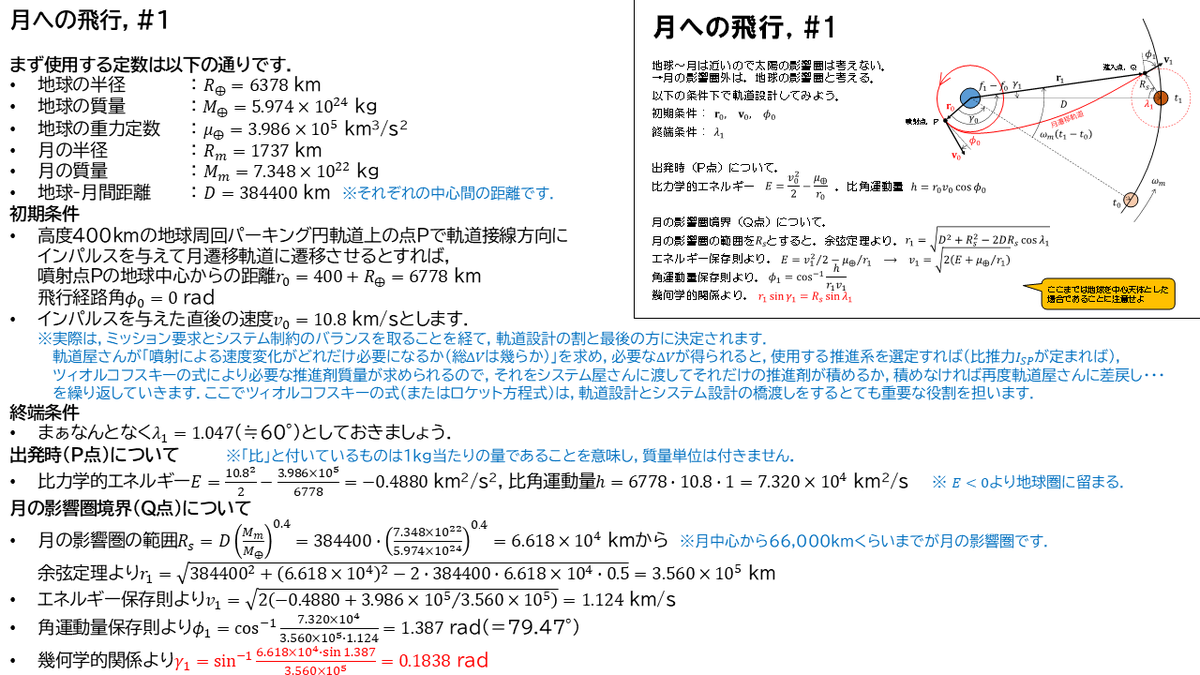
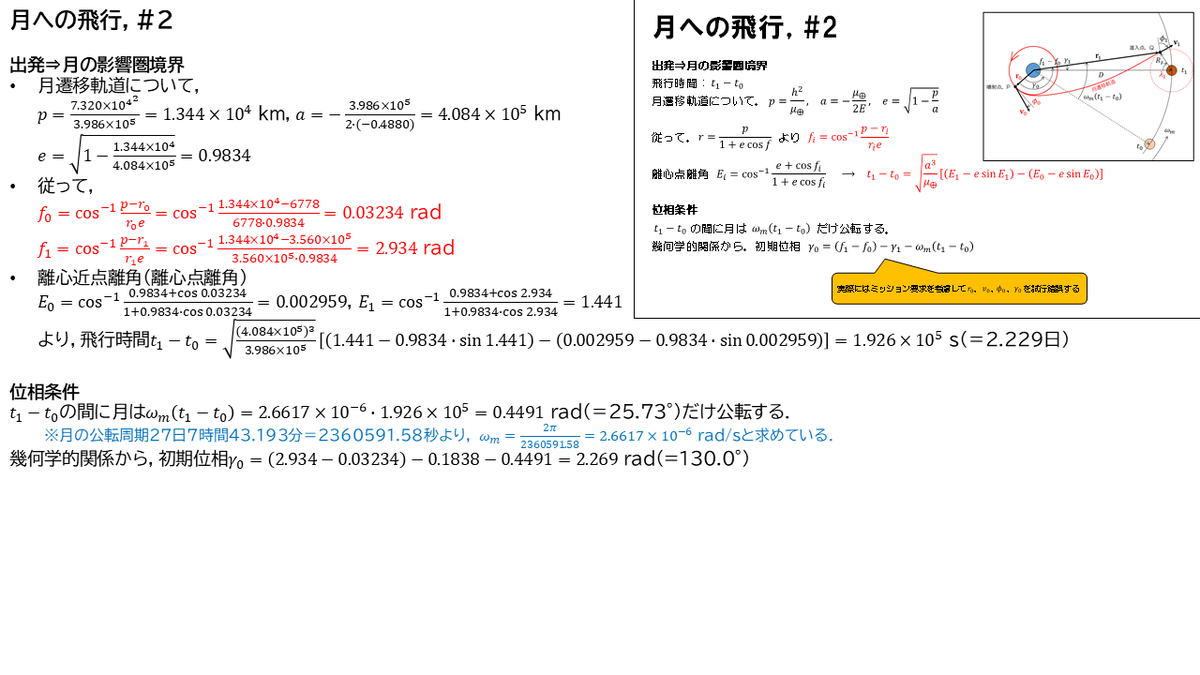
English

English
If I went to space I'd probably listen to "M83 - Solitude" on repeat while staring out at the infinite void. 🌌
English
The toilet manufacturer:
GIF
Peter Hague@peterrhague
Brands that have done well out of Artemis 2: Apple GoPro Nutella Brands that have done less well: Microsoft
English
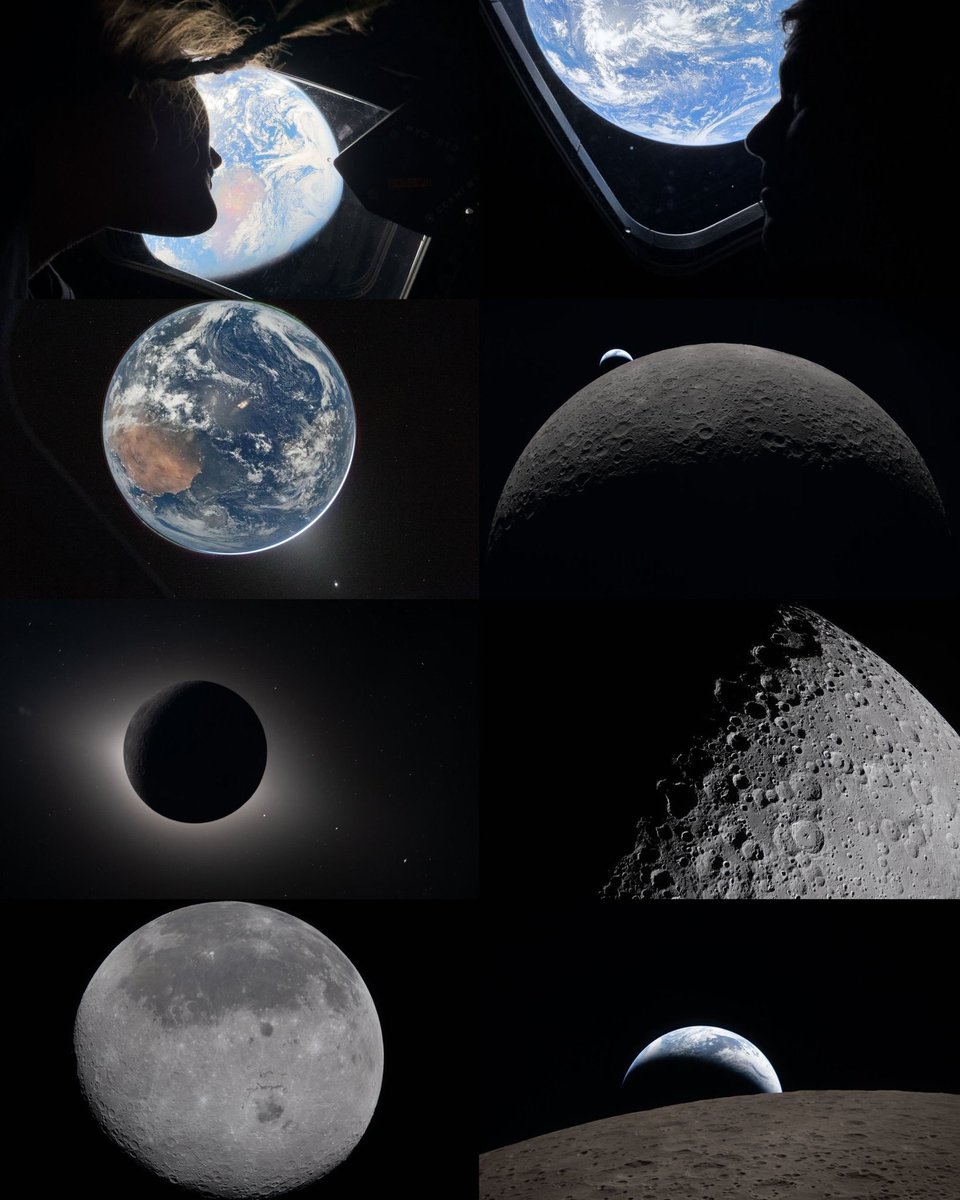
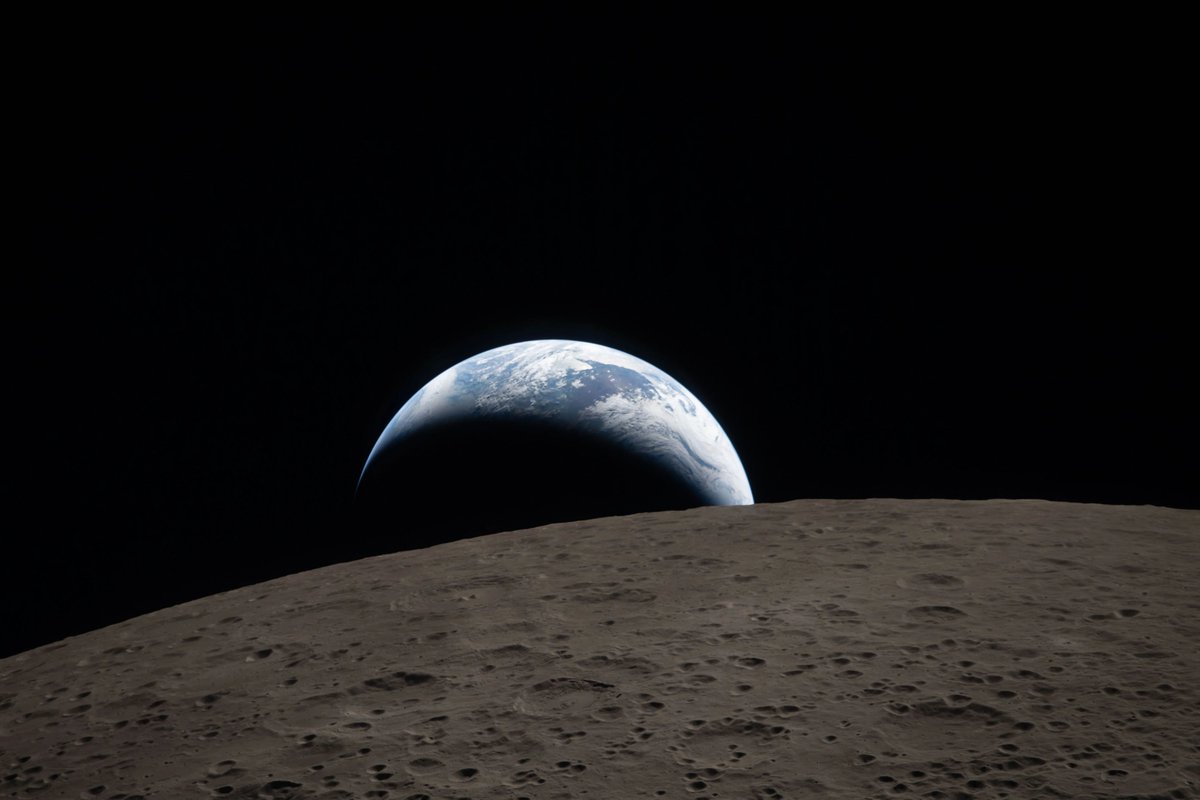
It’s been an incredible experience watching Artemis II from launch day all the way through the mission.
I’m truly grateful to witness this historic moment in my lifetime — and I’m already dreaming of the day I can see a launch like this in person.
Thank you, @NASA, for sharing this unforgettable journey with the world. 🚀
English