
q.e.d Science
182 posts

q.e.d Science
@qedScience
qed is transforming scientific research with AI
شامل ہوئے Nisan 2025
7 فالونگ1.6K فالوورز

@DrEmmaZang Hi Emma, did you try our platform? @qedScience does that!
English

Hot take for the future of peer review: Journals should start asking for a lightweight AI-based replication check (e.g., via Claude) at submission.
Not to replace reviewers, but to catch coding errors, logic inconsistencies, and reproducibility issues before a paper reaches them. At this point, many of these checks are fast, cheap, and automatable. There’s little reason to rely solely on human detection.
Even with restricted data, this is feasible. Authors can generate simulated datasets that preserve structure and run identical pipelines. The goal is just basic verification.
More broadly, we need to rethink how we use reviewer time. Not every submission needs 3 full human reviews. A more efficient pipeline might look like: editorial triage, AI-assisted checks/review, targeted human evaluation where it matters most. If done well, this could raise standards while reducing burden on the system.
English

New preprint! We show that conjugation accelerates the segregation of #plasmid alleles -> horizontal transfer is a route for allele segregation in MGE evolution. Led by Lisa Hartmann, with @MarioSanter @NilsHuelter. Naturally, reviewed by @qedScience!
doi.org/10.64898/2026.…

English
Amazing! Congratulations @DaganLab
Tal Dagan@DaganLab
New preprint! We show that conjugation accelerates the segregation of #plasmid alleles -> horizontal transfer is a route for allele segregation in MGE evolution. Led by Lisa Hartmann, with @MarioSanter @NilsHuelter. Naturally, reviewed by @qedScience! doi.org/10.64898/2026.…
English
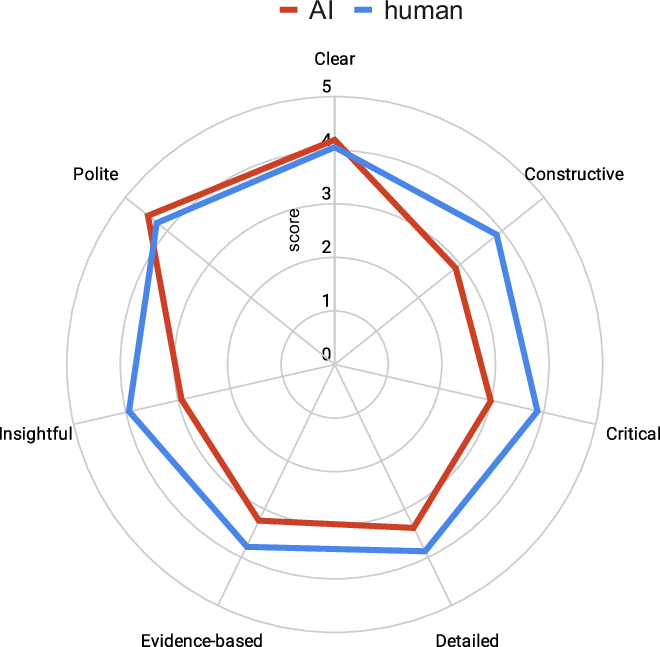
Not every day an AI gets called polite...especially when our friends at Claude have started signing off with heart emojis. 🤖❤️
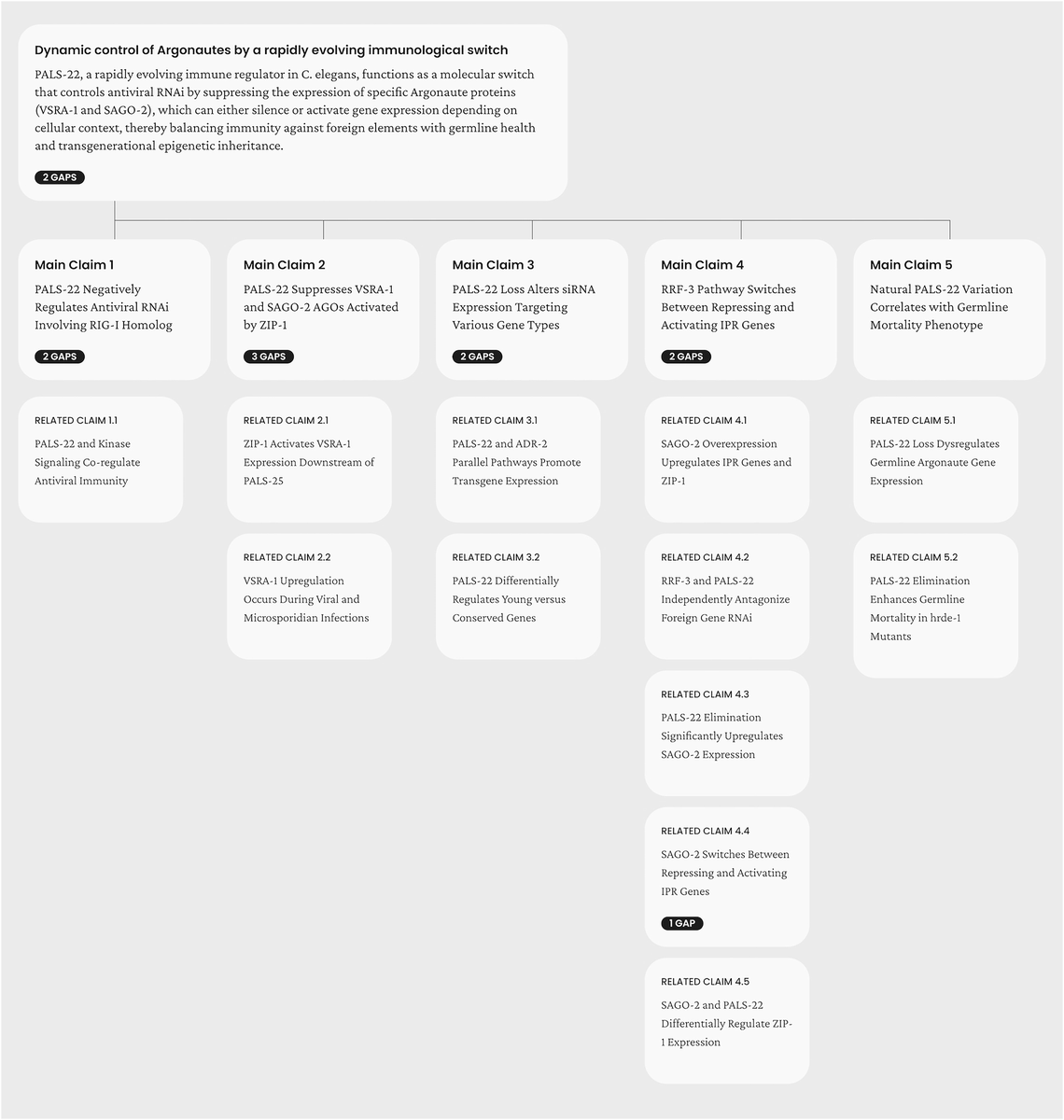
A peer-reviewed study in @EMBO just named qed as a platform built for exactly what authors want most: structured criticism that's hard to hear, but impossible to ignore.
One AI vs three human reviewers. The lines ran close.
And that was v1.0.
We're just getting started.
English
q.e.d Science ری ٹویٹ کیا

After testing @qedScience review, I suspect we may yet remember Reviewer 2 with fondness.
Journal club: I asked students to review a paper of their choice & compare their reports with qed. Early results: qed stricter, spots more gaps. We’ll summarize it at the end of the semester
English
q.e.d Science ری ٹویٹ کیا
Humanity is notorious for leaving problems for the next generations, but in animals we are discovering the biological mechanisms: we found that C. elegans develop germline tumors if THEIR GRAND GRANDPARENTS’ cells fail to clear the garbage from their body cavity… What the hell, you ask? Read our new preprint! 👇
Congrats to Itai Rieger, Yael Mor, Itamar Lev, and all the other authors on a superb job (this was many years in the making):
“Scavenger Cells Failure to Maintain Systemic RNA Homeostasis Causes Epigenetically Inherited Germline Tumors”
biorxiv.org/content/10.648…
English
q.e.d Science ری ٹویٹ کیا
More arguments for using q.e.d science (drop a paper in our website now, it's free): "Peer review is working at unacceptable reliability levels", "The path forward requires structured, transparent AI integration deployed by journals and funders rather than the current landscape of unregulated individual adoption or blanket prohibition."
Stephen Turner 🦋 @stephenturner.us@strnr
Peer review reliability is shockingly low. Meta-analyses show reviewer agreement barely above chance, and grant outcomes often depend more on who reviews than what's proposed. Our new preprint: papers.ssrn.com/sol3/papers.cf… 🧵 1/
English
q.e.d Science ری ٹویٹ کیا

Just tried @qedScience on a project proposal. Got painfully good feedback!
@OdedRechavi
English
q.e.d Science ری ٹویٹ کیا
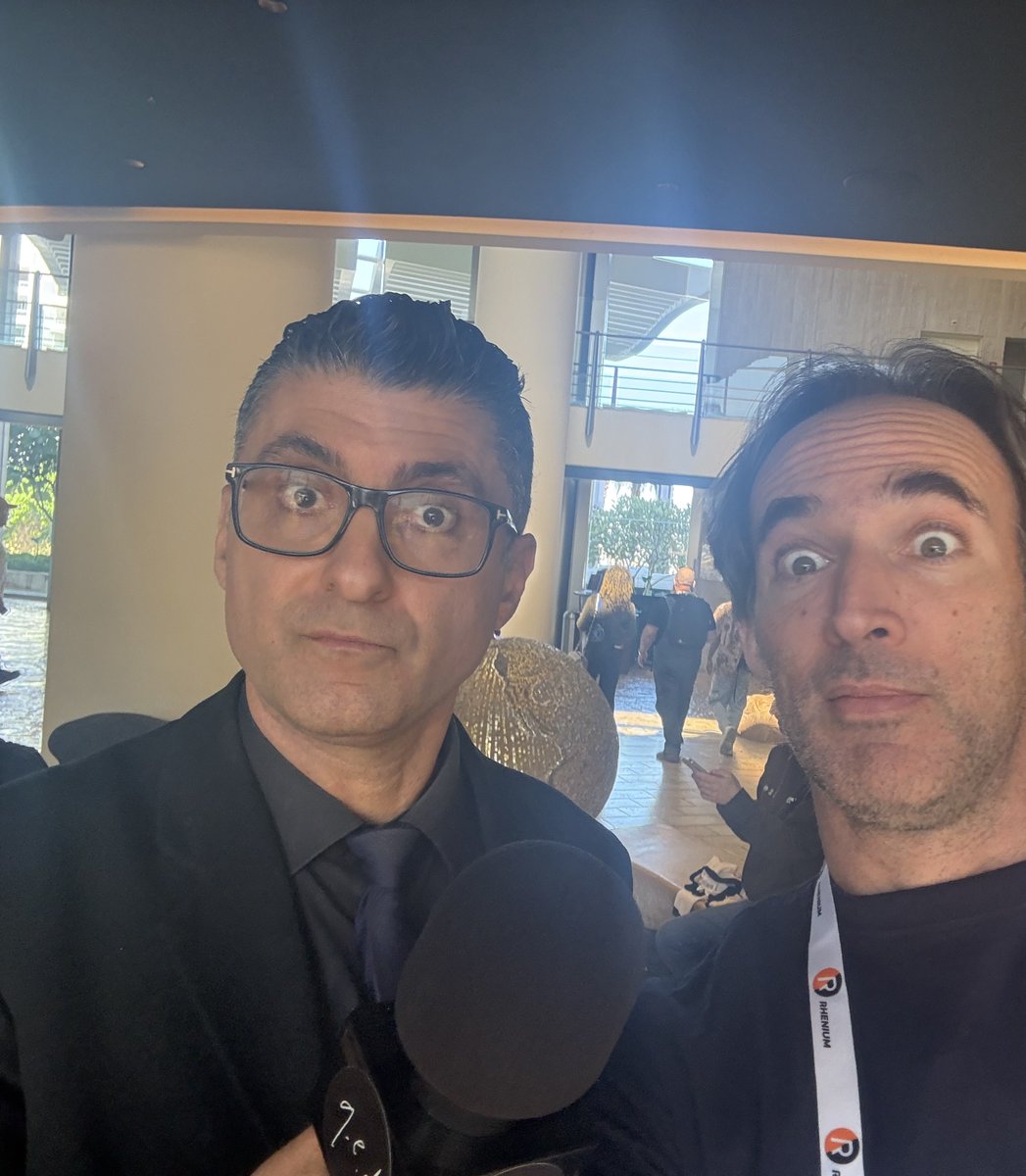
What do scientists think about the process of scientific publishing? @qedScience sent @DuduErez1 to #ilanit2026 to find out. The results are shocking (the videos are coming up soon)

English
q.e.d Science ری ٹویٹ کیا

A great advance in scientific data dissemination !
q.e.d Science@qedScience
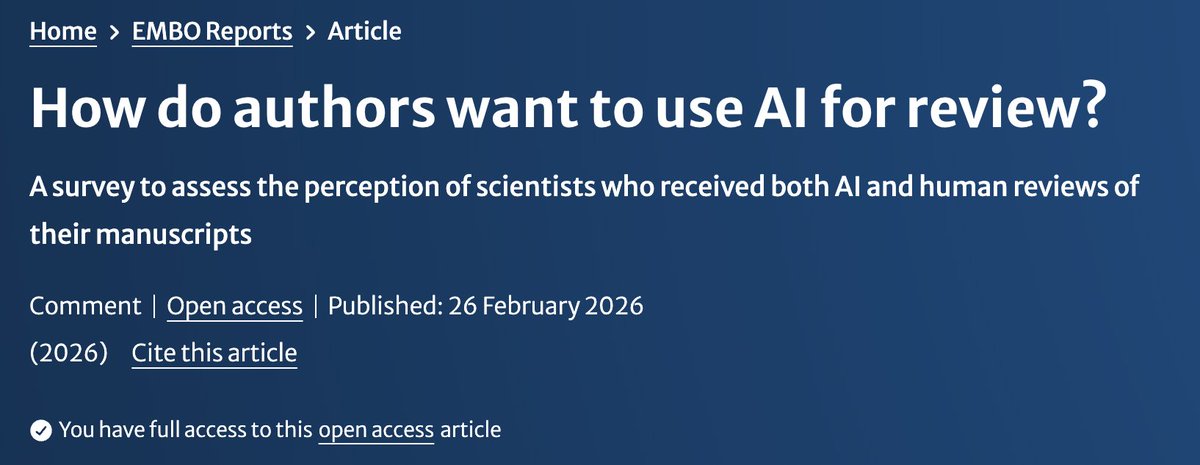
Our joint study with EMBO is just out! We are proud to be at the forefront of this sea change. AI will reinforce the central role of scientists in this new era. Strong science should be seen! @tlemberger @EMBO @ReviewCommons #Sec2" target="_blank" rel="nofollow noopener">link.springer.com/article/10.103…
English
q.e.d Science ری ٹویٹ کیا
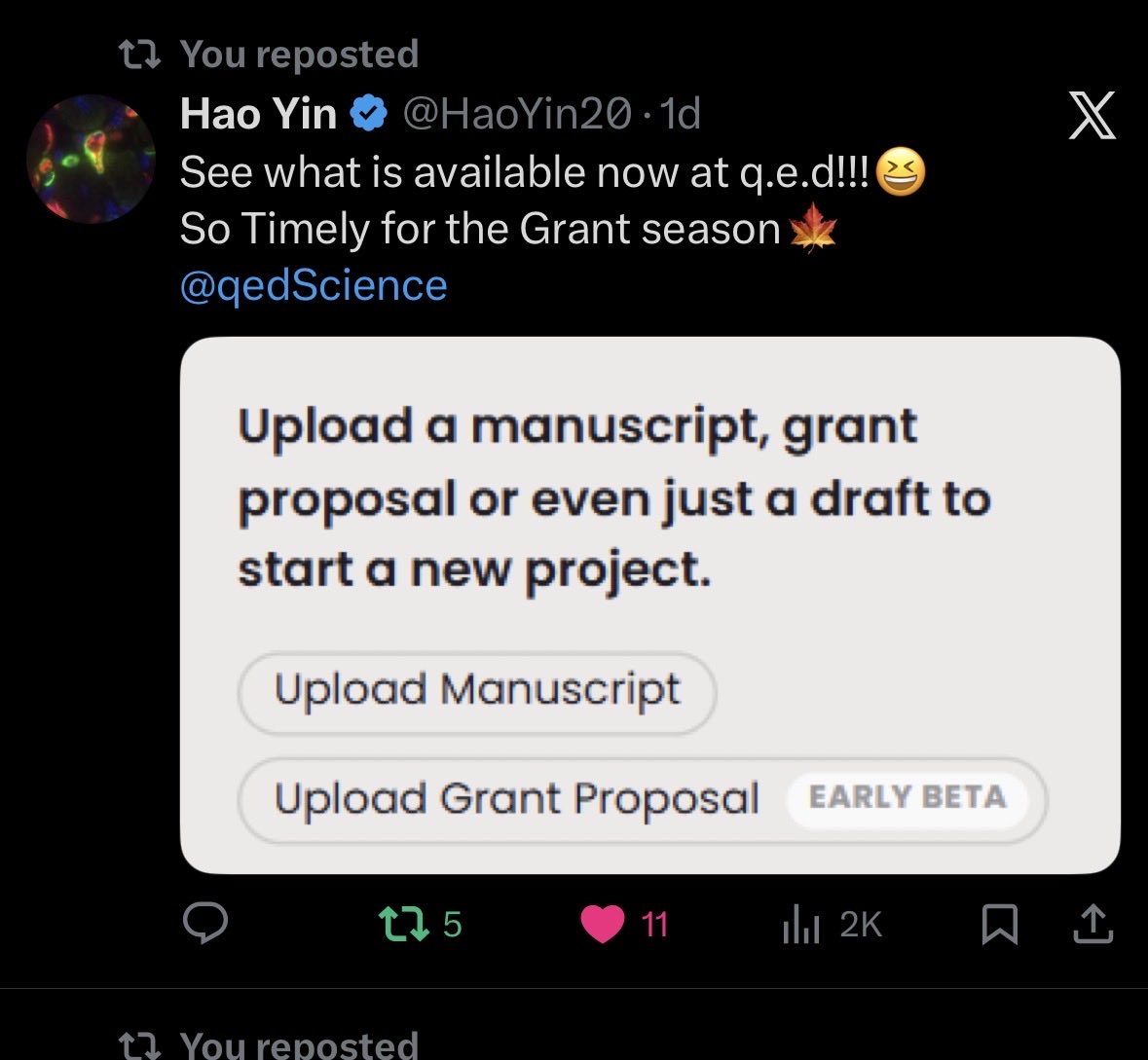
More collaborations between q.e.d and key players in this complicated ecosystem (research institutions/journals/libraries/industry/AI) and more measurments/benchmarks coming up soon! 👏 Stay Tuned! Oh, and importantly, TOTALLY new functionalities released soon!
Oded Rechavi@OdedRechavi
It’s finally out! Together with @EMBO and @ReviewCommons, we conducted a structured side-by-side comparison of human peer review and our AI scientific review. Here’s what we did: Authors whose manuscripts had already received journal-agnostic review at Review Commons were provided with an independent AI review generated by @qedScience. The AI analysis was compared to the combined feedback of multiple human reviewers, not to a single report, and had no access to those reviews. We then asked authors how they evaluate the strengths and limitations of both approaches, and how they would actually want to use AI. The conclusion was clear: Scientists want AI feedback to strengthen their work IN ADVANCE, under their control. Not as a gatekeeper, but as a tool for constructive input. That is exactly what we are building at q.e.d! We are on the authors' side. q.e.d. is not working in isolation; we are collaborating with leading pro-scientists organizations, including EMBO (and other journals), Review Commons, and OpenRxiv (@biorxivpreprint), and are working closely with researchers across fields. At the same time, we are building an alternative model that puts agency directly in scientists’ hands. Researchers should be the ones deciding when their work is ready to be shared. We are building the infrastructure to support that. A pleasure doing this with the great Thomas Lemberger @tlemberger and Niv Samuel Mastboim @nivmast
English
q.e.d Science ری ٹویٹ کیا
It’s finally out! Together with @EMBO and @ReviewCommons, we conducted a structured side-by-side comparison of human peer review and our AI scientific review.
Here’s what we did: Authors whose manuscripts had already received journal-agnostic review at Review Commons were provided with an independent AI review generated by @qedScience. The AI analysis was compared to the combined feedback of multiple human reviewers, not to a single report, and had no access to those reviews.
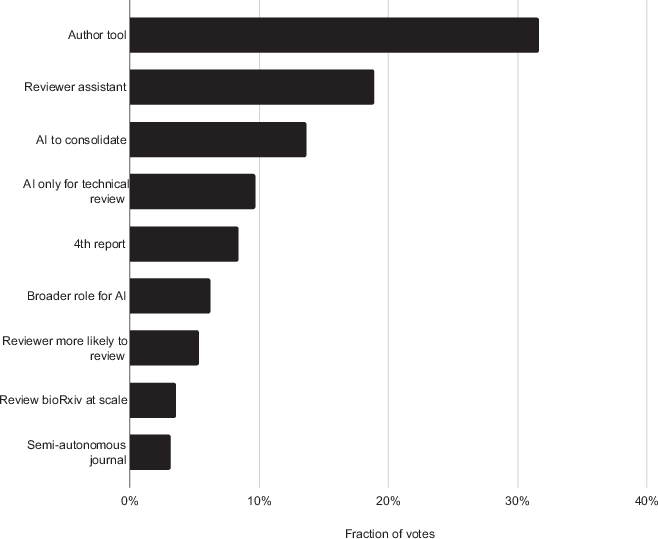
We then asked authors how they evaluate the strengths and limitations of both approaches, and how they would actually want to use AI.
The conclusion was clear: Scientists want AI feedback to strengthen their work IN ADVANCE, under their control. Not as a gatekeeper, but as a tool for constructive input.
That is exactly what we are building at q.e.d! We are on the authors' side.
q.e.d. is not working in isolation; we are collaborating with leading pro-scientists organizations, including EMBO (and other journals), Review Commons, and OpenRxiv (@biorxivpreprint), and are working closely with researchers across fields. At the same time, we are building an alternative model that puts agency directly in scientists’ hands.
Researchers should be the ones deciding when their work is ready to be shared. We are building the infrastructure to support that.
A pleasure doing this with the great Thomas Lemberger @tlemberger and Niv Samuel Mastboim @nivmast
English
Our joint study with EMBO is just out! We are proud to be at the forefront of this sea change. AI will reinforce the central role of scientists in this new era. Strong science should be seen! @tlemberger @EMBO @ReviewCommons
#Sec2" target="_blank" rel="nofollow noopener">link.springer.com/article/10.103…
English
q.e.d Science ری ٹویٹ کیا

@jt_kerwin @Tomodovodoo @ben_golub Hey you definitely should try @qedScience . You will see that it just works. Made by academia, for academia. Great reviews, always
English
@metapredict Thank you Jamie, we want to learn and always work to improve - we would love to talk with you and get down to details. If you’re interested in talking, let us know
English

@qedScience Helpful, but still flaky with omics (plans to upgrade on that topic?) - its suggesting network experiments that can't be done/invalid & trials that cost 10's of millions. Important not abused by reviewers to suggest "plausible sounding" critiques (to ill informed editors).
English
@Nature is right: AI still can’t reliably choose the best scientific questions to pursue. That’s where @qedScience helps by stress-testing the logic, originality and validity of your work, so you can decide better which direction is worth betting your next study on
nature@Nature
Which science jobs are most at risk from AI? To find out, Nature spoke to more than four dozen researchers across academia and industry who use AI in their work. go.nature.com/3My5R0X
English
q.e.d Science ری ٹویٹ کیا
q.e.d Science ری ٹویٹ کیا
Just had a very nice online meet up with a bunch of hardcore users of @qedScience. It's amazing to have this support from the scientific community, to hear your ideas for new features & directions, and to learn how to improve based on your feedback - thank you! 🤟🍻
GIF
English