vuk cosic

3.2K posts

vuk cosic banner
vuk cosic

vuk cosic

@supperman

Classic of https://t.co/7NpZz35QOd, digital strategist and whatnot.

Ljubljana, Slovenia شامل ہوئے Nisan 2007
768 فالونگ5.7K فالوورز
Internet Archive
Internet Archive@internetarchive·
A trillion webpages, saved. 🌐 To mark the milestone, Internet Archive x @GrayAreaOrg commissioned new net․art created from within the Archive’s vast collections. Ex. “alive internet theory” by @spencerc99 takes the form of a séance with the Internet, channeling millions of archived media files to ask: can the web feel alive? This, and works by @parka, Chia Amisola, Jesse Walton, mai ishikawa sutton, Olivia M Ross, Ophira Horwitz, Raúl Feliz, Rodell Warner, and @isthisanart_ turn preserved data into presence & memory into experience. Learn more about the Trillionth Webpage Commissions ⤵️ blog.archive.org/internet-archi… 🧵 1️⃣/2️⃣ #Wayback1T
English
5
67
330
10.1K
Ewan Morrison
Ewan Morrison@MrEwanMorrison·
For 2026, let's subvert the name of those who call themselves "tech optimists". We're up to our necks in the AI slop their optimism has generated. So, let's rename them SLOPTIMISTS.
Ewan Morrison tweet media
English
20
125
601
10K
anika meier
anika meier@postanika·
"It is an eye-watering reminder that the most influential and expensive digital artists at the top of the pyramid might have arrived there because they are very good internet users, not necessarily good artists. It is crucial for the digital art community, as well as the media that covers it, to recognise that this reactionary, adolescent approach does not have to define digital art. Digital art does not need to be viral or so exhaustingly post-internet. It does not have to be defined or governed by the rules of the internet at all. Cryptocurrency culture has led to a paradigm shift wherein viral fame and shock value, rather than conceptual heft, seem to determine value, and consequently even enabled some artists to present at an Art Basel fair without passing through the traditional art world filters. The implication seems to be that those filters are somehow incapable of vetting digital art and that doing so requires different metrics and channels. Ironically, most digital art that successfully passes through those filters has been much more likely to stand the test of time." – Sarp Kerem Yavuz Digital art today has a narcissism problem in: The Art Newspaper, 22 December 2025
anika meier tweet media
English
53
36
285
39.3K
jiwa
jiwa@dotjiwa·
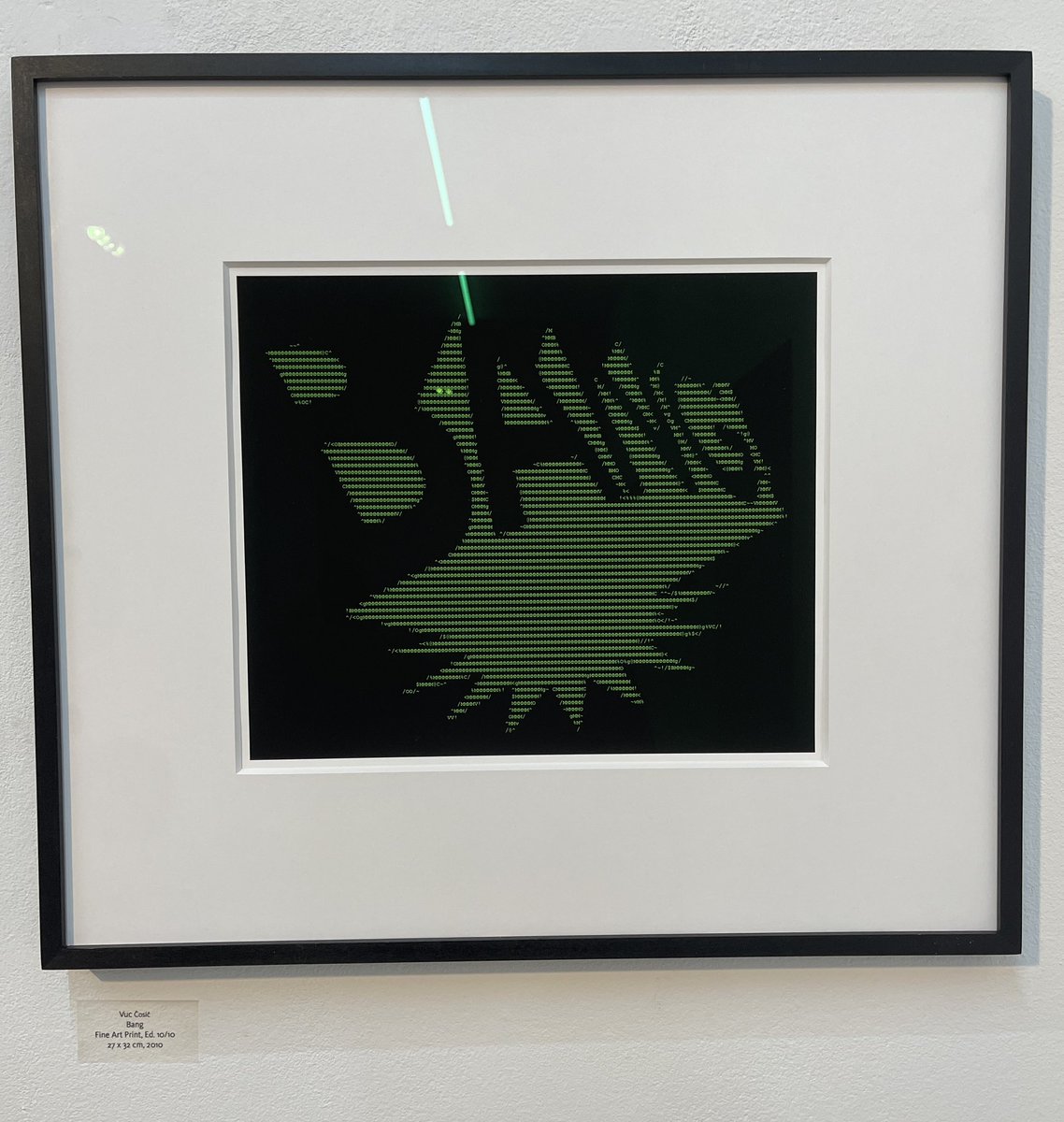
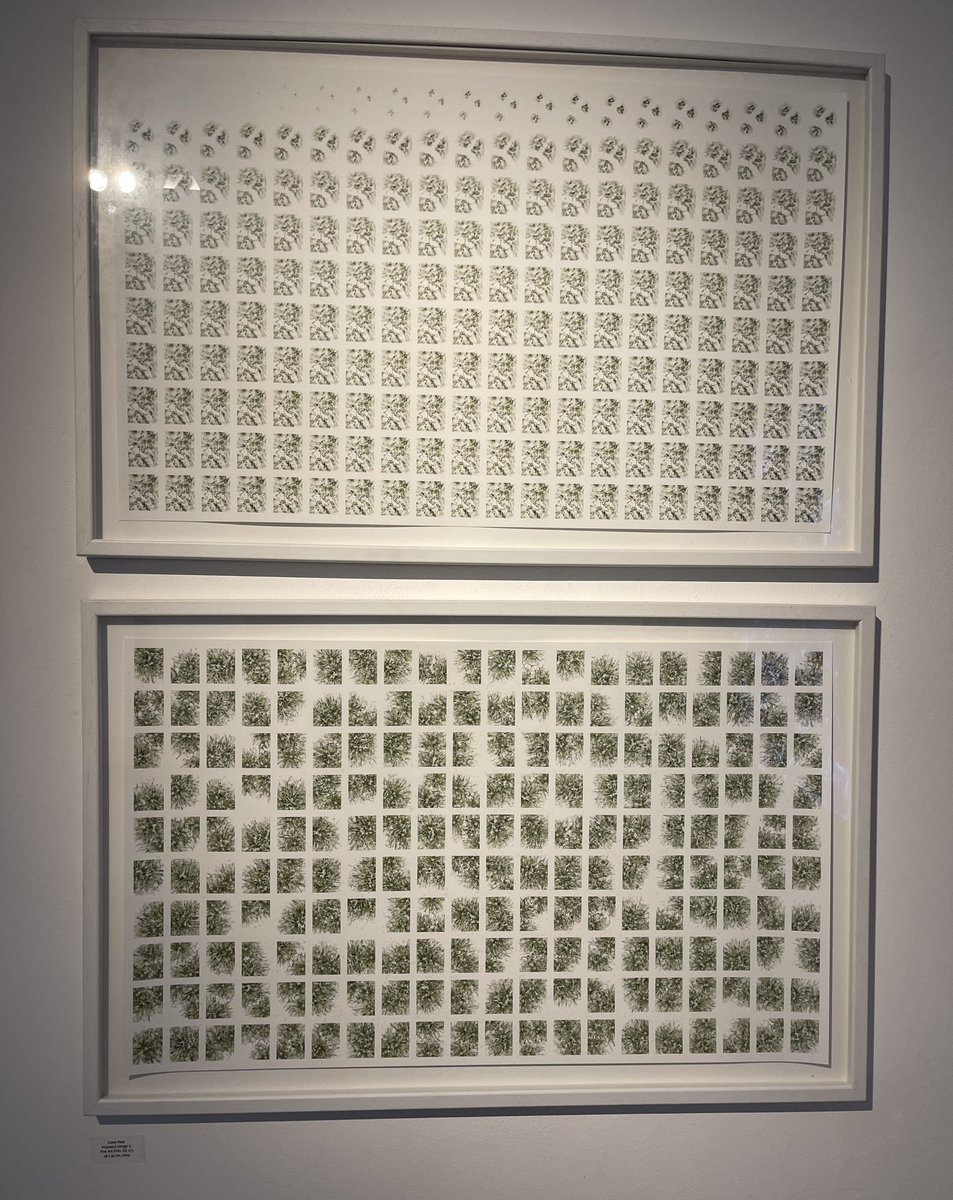
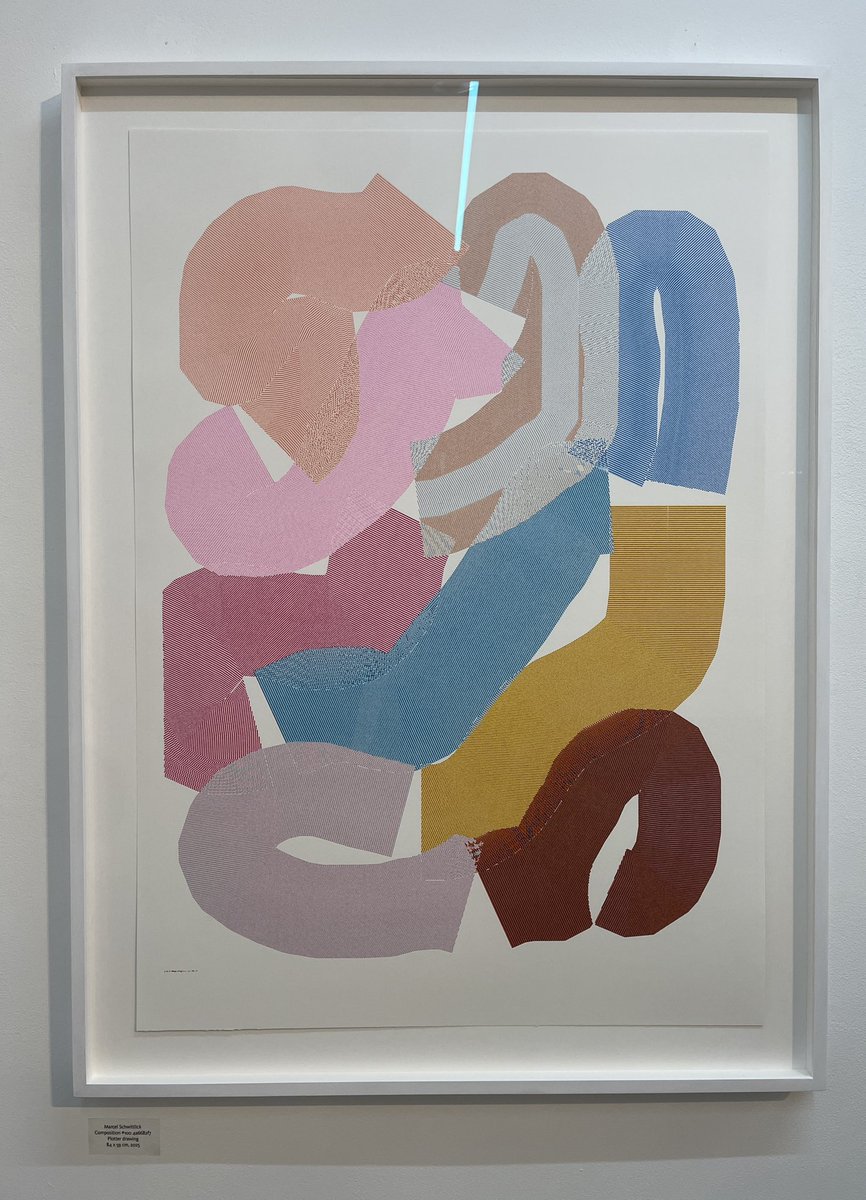
Well.. I just can’t escape @supperman this week. Stopped by @DAMDigitalArt today and caught some works by Vuk and others, including @REAS and @schwittlick_ pictured below.
jiwa tweet mediajiwa tweet mediajiwa tweet media
jiwa@dotjiwa

This week, I helped out Vuk Ćosić (@supperman) & @PostmastersNYC mint Psycho, originally created in 1998. (@lovidlovid put us in touch) Last year, @andreasgysin (+ @lerandomart) built a modern javascript player to play Vuk's classic, Deep Throat, as a live running work, which was collected by Le Random. I repurposed the player for Psycho and helped Vuk get it minted and sent over to a new collector. Just jumped in as a favor, was cool to connect with Vuk and get another classic work on the blockchain.

English
2
5
28
1.3K
jiwa
jiwa@dotjiwa·
This week, I helped out Vuk Ćosić (@supperman) & @PostmastersNYC mint Psycho, originally created in 1998. (@lovidlovid put us in touch) Last year, @andreasgysin (+ @lerandomart) built a modern javascript player to play Vuk's classic, Deep Throat, as a live running work, which was collected by Le Random. I repurposed the player for Psycho and helped Vuk get it minted and sent over to a new collector. Just jumped in as a favor, was cool to connect with Vuk and get another classic work on the blockchain.
GIF
English
6
7
41
3K
vuk cosic
vuk cosic@supperman·
@postanika Belief in potential of tech is a great initial motivator. But you gotta observe and if *your* tech turns out to be predatory it might be time to think again. Imagine being a drone enthusiast and becoming an arms dealer. Same for blockchain.
English
0
0
2
20
anika meier
anika meier@postanika·
Here are the links to the texts, etc., mentioned above: Back to the Future: The Potential of the Digital in Art—Then and Now, March 2022 ooekultur.at/back-to-the-fu… Brian Boucher, Collectors are spending more, not less, on NFT art, according to the Art Market Report, in: Art Basel, December 2022 artbasel.com/stories/art-ma… Sarah Douglas, Daniel Cassady, Blue-Chip Galleries Drop Out of Art Basel Miami Beach with Two Months to Go, in: ARTnews, October 2025 artnews.com/art-news/news/… Claudia Altman-Siegel Is Closing Her Beloved San Francisco Gallery: 'One Unsuccessful Fair Can Put You Out of Business', in: Artnet, October 2025 news.artnet.com/market/altman-… Zero 10 by Art Basel artbasel.com/miami-beach/ze…
English
1
0
21
660
anika meier
anika meier@postanika·
Have we now moved, as a community, from celebrating auction houses to seeing art fairs as the saviors of NFTs? Yes, that’s the rage bait intro. I’ve seen quite a few people respond angrily to the thread quoted below, only to delete their tweets afterward. Some of those responses included ad hominem attacks (for example, "Look, someone hasn’t been invited!"). There are conversations we can and should have, so here are my thoughts: – Digital art: First and most importantly, let’s not confuse NFTs with digital art itself. Digital art is much broader than this/our (beloved) community on Twitter. It has existed for decades, supported and shown by galleries (e.g., Postmasters, bitforms, DAM), presented at art fairs, and collected and exhibited by museums (e.g., ZKM Karlsruhe, HeK Basel) and festivals (e.g., Ars Electronica since 1979). To give just one example to underline my point: Christiane Paul, curator of digital art at the Whitney Museum of American Art, first published her book titled Digital Art with Thames & Hudson in 2003. The fourth edition was published in 2023 (358 pages; the other editions in 2008 and 2015). On the cover: Claudia Hart, Alice Unchained XR, 2018. Christiane Paul writes that NFTs function as digital certificates of authenticity and as sales mechanisms, and that most of the so-called NFT art represents only a small fraction of digital art—images, animated GIFs, or video clips—rather than the full complexity of its forms. – Why now? Why is digital art being accepted only now? "The art world was based on parties. It was always: 'Who do you meet at the party? Who do you hang out with at the party?' Nerds don't like parties. And so, all these nerdy artists were making art, but they felt really bad at the parties. And now, all of a sudden, there's this distribution on the Internet, and they can get away with being not really people-oriented. This whole idea of galleries and biennials, where you have to be cool and meet the right people—that era is over. Now, nerds can just make their work and spread it online. Maybe that answers the question of why we're seeing it grow now." – Rafaël Rozendaal, March 2022 Panel "Back to the Future: The Potential of the Digital in Art—Then and Now," Francisco Carolinum Linz, for HERBERT W. FRANKE—VISIONARY. With, among others, Kevin Abosch and Georg Bak. I moderated the discussion. Yes, that’s the short and more fun answer. Otherwise, this post would explode in length. – Art fairs: Digital art at art fairs is not new. Digital art at Art Basel is not new. NFTs at Art Basel are not new. "Galerie Nagel Draxler (Berlin, Cologne, Munich) presented NFTs at its Art Basel stands in Switzerland and in Miami Beach in 2021. It has also devoted a Berlin space to a Crypto Kiosk, and invited dealer/collector/artist/critic Kenny Schachter to curate the 2021 show 'Breadcrumbs: Art in the Age of NFTism,' which included artists such as Kevin Abosch, Sarah Friend, Rhea Myers, and Anna Ridler." – Brian Boucher, Collectors are spending more, not less, on NFT art, according to the Art Market Report, in: Art Basel, Dec 2022 And that’s just one example that includes artists who are seen and respected as native to this community. Of course, digital artists have been represented by galleries before and presented at art fairs before. Just to name a few galleries that represent artists working in the field of digital art: Esther Schipper (e.g., Hito Steyerl, Anicka Yi), Sprüth Magers (e.g., Jon Rafman), Société (e.g., Petra Cortright, Lu Yang, Marianna Simnett), Galerie Buchholz (e.g., formerly represented Simon Denny), Kraupa-Tuskany Zeidler (e.g., Simon Denny, Anna Uddenberg, Katja Novitskova), Altman Siegel (now closed, previously represented Lynn Hershman-Leeson), Hauser & Wirth (e.g., Avery Singer, Camille Henrot). That being said, some of the biggest galleries in the world were representing and exhibiting digital art long before NFTs. Or maybe take a look at what we have done at KÖNIG GALERIE, for example, with "The Artist Is Online" or Refik Anadol, endeavors that were undertaken before the hype. – Art Basel Miami: Some of the galleries mentioned above have exhibited at Art Basel Miami before and are not returning this year. Here are excerpts from an ARTnews article published in October 2025: "Art Basel Miami has lost at least eight exhibitors in its main sector since the fair released its list over the summer. Two galleries, Altman Siegel and Tilton, are not there because they closed between July 28, when Basel released the list, and today. (...) It’s no surprise that dealers across the globe have been using a different calculus to decide whether or not to participate in an art fair. Even mega-galleries have seen falling sales at marquee fairs. Add the cost of shipping, storage, and a softening market that has caused some galleries for close their doors altogether. (...) As Artnet News reported when the exhibitor list was released in July, a number of galleries that were in the main sector last year are not returning. These include Galerie Buchholz, Company, Pilar Corrias, Dan Galeria, DC Moore, Greene Naftali, Galerie nächst St. Stephan Rosemarie Schwarzwälder, Galerie Nagel Draxler, David Nolan, and Waddington Custot." – Sarah Douglas, Daniel Cassady, Blue-Chip Galleries Drop Out of Art Basel Miami Beach with Two Months to Go, in: ARTnews, October 2025 From an interview with Claudia Altman-Siegel published in Artnet in October 2025: "We had to gross about $350,000 a month in sales to keep the space open, but that number is not just my rent and employees; it also includes art fairs, travel expenses, and everything. Art fair expenses were a really big part of my overhead. (...) For a small gallery, one unsuccessful fair can literally put you out of business. It can put you into debt and then it’s hard to get out of that cycle. That’s what happened to me in 2023. (...) I took a big booth at Art Basel Miami Beach, and I didn’t sell enough to pay for it. (...) Yes, I’m being treated basically the same as a gallery that’s a multinational corporation. I have a staff of five, and I’m showing right next to these galleries that have a staff of 400. It’s just completely unrealistic to think that I could compete in the same financial sphere as these huge galleries." – Artnet: Claudia Altman-Siegel Is Closing Her Beloved San Francisco Gallery: 'One Unsuccessful Fair Can Put You Out of Business', October 2025 SO, WHAT’S NEW? – It’s a win for the crypto native community! Zero 10 at Art Basel Miami Beach is led by individuals who are respected as crypto natives within this community, which is why it’s celebrated as a win by the community—unlike past events. How can we foster a more inclusive dialogue instead of an "us vs. them" dynamic? – Artists present next to galleries next to platforms! To be accepted as an exhibitor at art fairs, participants usually have to meet certain criteria. The bigger the fair, the more a gallery had to prove itself. This changed, for example, with Zero 10 at Art Basel Miami. Now, artists are exhibiting on their own, presenting with their studios. Galleries funded by investors are showing next to galleries funded by the gallerist. Galleries founded by platforms exhibit alongside galleries for which they provide the technology—and from whose sales they profit. The art fair becomes a stage for platforms to pitch their tech. We see expanded gallery formats that put significant pressure on traditional galleries, for example, because they can offer different deals to artists or can—and must—take greater risks. See also what Claudia Altman-Siegel says about the established art world and the various gallery models. How do we ensure that the gap does not continue to widen between traditional gallery models and investor-funded galleries? – Can we still call it curation? Curation often means that a curator invites artists to an exhibition, and the production costs are covered by an institution. The Zero 10 announcement might be a bit misleading because it looks and sounds like a curated program, which could create the impression that the fair covers the costs. At least, this is how I explain to myself why some artists are angry, frustrated, and feel powerless (again). When an artist exhibits with a gallery, the gallery covers the costs of participating in the fair, while the production costs of the artworks are usually shared according to the agreed split after the sale. – A new gender gap! At Zero 10, we see fewer women and non-binary artists participating than male artists. Based on available data, male artists still perform significantly better on the art market. Now that Art Basel is inviting artists directly, how do we ensure fair representation? And how many artists can afford to spend—an estimated—50,000 to 75,000 USD to present at an art fair? Thank you for taking the time to read this! P.S. Disclaimer: I am a non-native speaker, and I used ChatGPT only to correct the grammar—not to write the text or conduct research. And honestly, I love em dashes, and it’s wonderful that ChatGPT provides them in the correct length. When ChatGPT corrected the grammar for this paragraph, it called my disclaimer charming.
Kate Vass Studio@KateVassGalerie

Is this what passes for avant-garde now? 1/ A look at Art Basel Miami’s Zero10 — and how Web3 risks celebrating the very walls it was meant to disrupt. 🧵

English
18
16
133
15.9K
vuk cosic ری ٹویٹ کیا
Emi Kusano🌠
Emi Kusano🌠@emikusano·
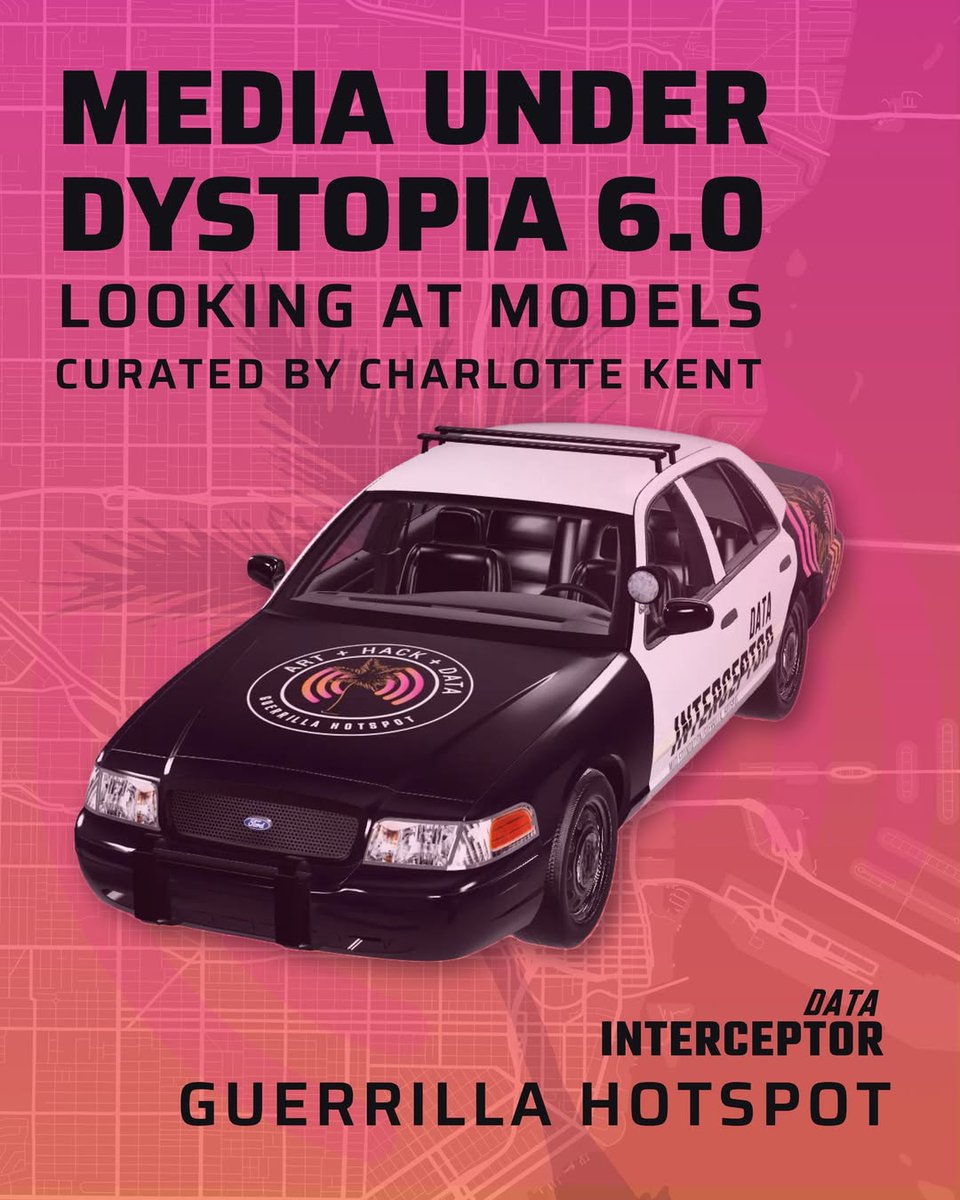
MEDIA UNDER DYSTOPIA 6.0 — Looking at Models Presented by: MUD Foundation Exhibition Dates: December 2–6, 2025 Opening Event: December 2 at 6 PM (Miami local time) Curated by: Charlotte Kent @Lucy2Scribbles Work on view: Algorhythm of Narcissus Exhibition Details: verse.mud.foundation/xr-creator/act… Alongside with incredible artists: @BorisEldagsen @carlagannis @fabiolalariosm @jamesbridle @mayaonthenet @MichaelMandiberg @supperman This hybrid exhibition examines the evolving relationship between bodies, models, and technological systems. The program blends media art, XR, and digital interfaces, and my video work Algorhythm of Narcissus will be included as part of the presentation.
Emi Kusano🌠 tweet media
English
1
3
6
550
xinc
xinc@0xinc·
Sitting next to my AARON on the right and and Fidenza on the left. #1 red shoes from @mayaonthenet Wall is becoming a tribute to digital art. Still waiting for vuk cosic’s psycho piece to complete the room, with an @aleqth piece and a @dannycoleee holding the corners
xinc tweet media
English
8
2
10
877
Sokol
Sokol@sokol_cc·
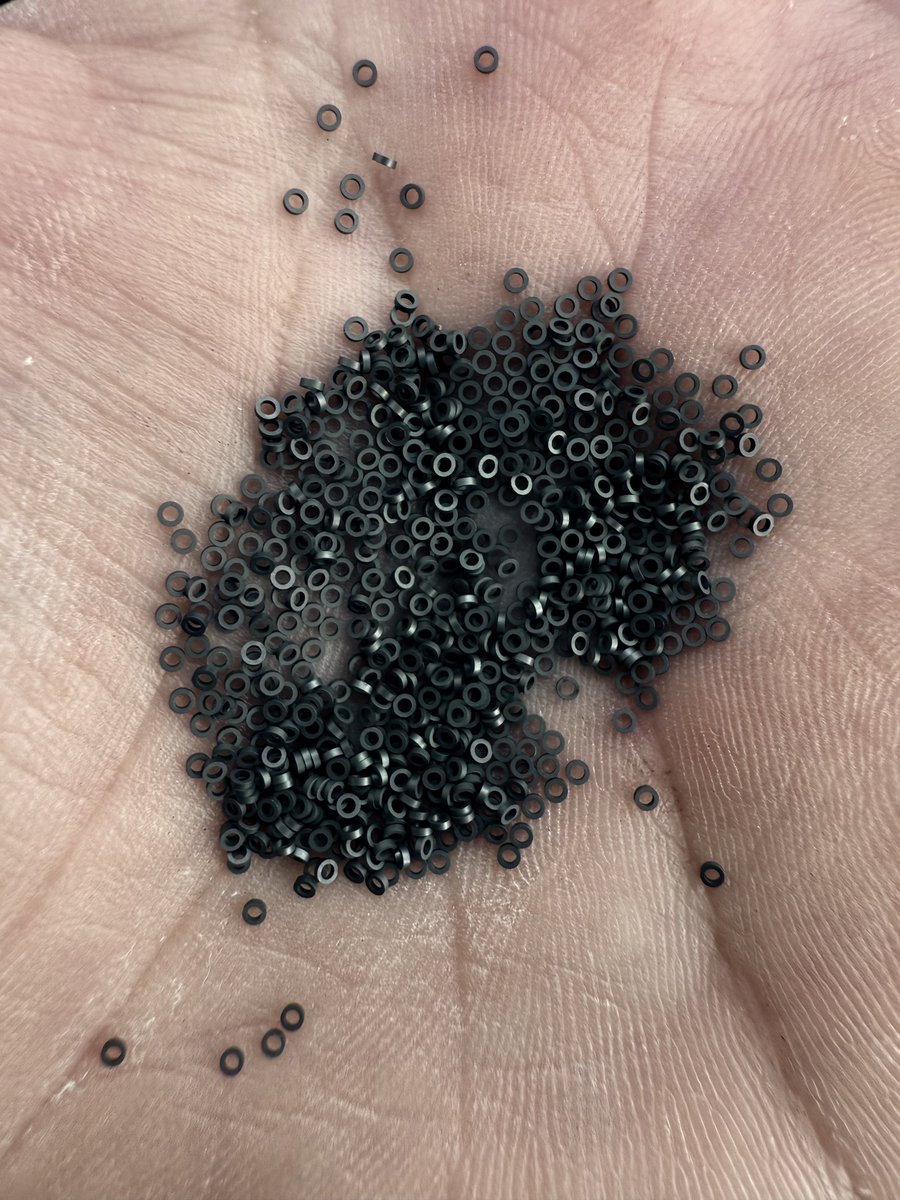
Arround 480 bits in the palm of my hand. Ferrite core memory is fascinating but i lost some of bits because of heavy breathing.
Sokol tweet media
English
26
12
496
18.6K
ertdfgcvb 𓅰 𓅬 𓅭 𓅮 𓅯
Fixed an issue with the “Crush” website: an expired OS API key used only to retrieve the metadata, unrelated to the project. ↓
English
4
7
74
3.5K
Steppenwolf76
Steppenwolf76@KomakinoJoy·
Maribor, civilizacija
Steppenwolf76 tweet media
67
63
918
29.1K
thefunnyguys.eth/tez
thefunnyguys.eth/tez@thefunnyguysNFT·
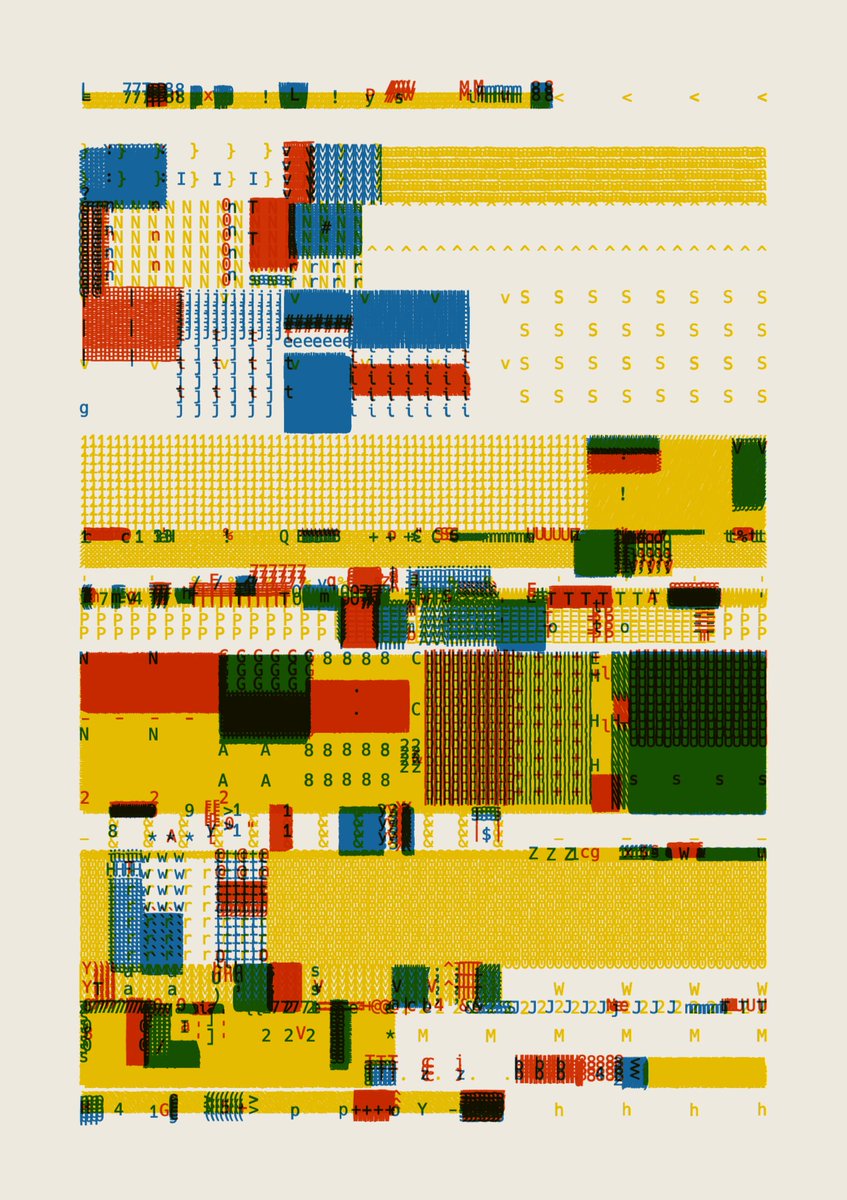
FOLIO #36, @mattdesl, 2022 Acquired by @lerandomart on Jun 04, 2024 FOLIO can be connected to many historical moments, as it directly references concrete poetry and early computer art in its description. Although more figurative, Harmon and Knowlton used ASCII characters to create "Figurative Studies" in 1967, four years after ASCII became adopted as a standard: 1967: Computer Nude (Studies in Perception I) by Leon Harmon and Ken Knowlton "Created by Harmon and Knowlton at Bell Labs, this 12-foot-long computer generated mural of a reclining nude was made entirely of abstract symbols. Consisting of bitmapped ASCII characters, Computer Nude is one of the most famous and recognizable of the early computer artworks and is one of the first ASCII artworks. Harmon and Knowlton had been introduced by Experiments in Art and Technology (EAT). In the collection of the Buffalo AKG Art Museum, the piece “demonstrates the unique capacity of the viewer's brain to interpret a composition of abstract symbols grouped to emulate areas of tonal value as a human figure.” The piece would be exhibited the following year at the legendary The machine, as seen at the end of the mechanical age."
thefunnyguys.eth/tez tweet mediathefunnyguys.eth/tez tweet media
English
9
5
65
2.8K
Tadej Štrok
Tadej Štrok@tadejstrok·
Lignjasti Prebilič spet zavrača sodelovanje z (ekstremno!) Levico. Posledično očitno tudi z Vesno, ki ga je pripeljala do evroposlanske plače in te pozicije, s katerem lahko zdaj stresa prazne floskule. Škoda, da @UrosEsih ni zmogel vprašati, kaj je ekstremnega na Levici.
Slovenščina
28
17
91
9.5K
Mika Ben Amar
Mika Ben Amar@100o111·
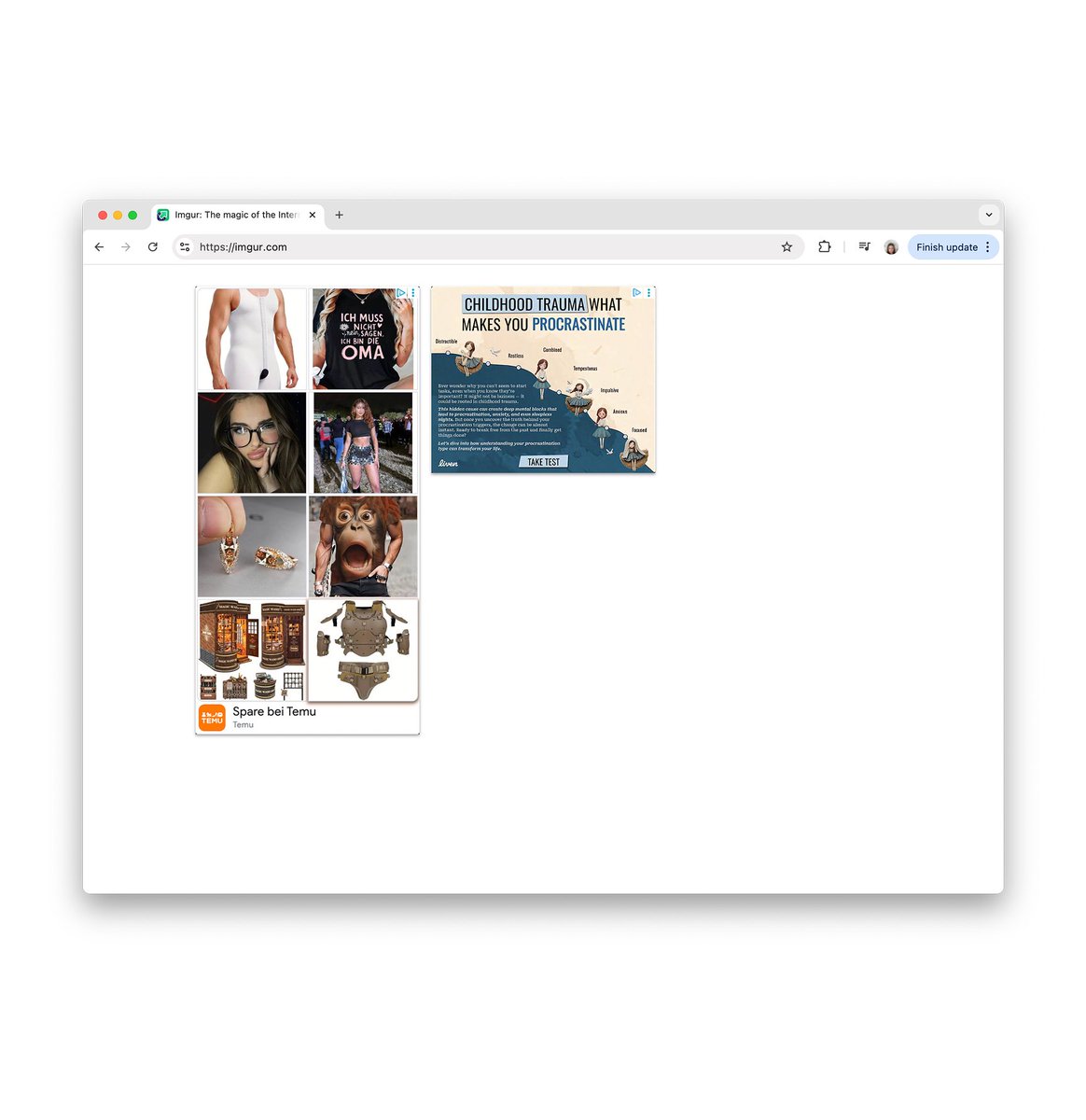
i made a chrome extension that hides all website content except ads
Mika Ben Amar tweet mediaMika Ben Amar tweet media
English
721
2K
34.7K
1.2M