@JasCrypto_ @joe4deadcat @cosmoslabs_io @interchain_io is being exploited considered a use case now?
English
Ray Raspberry
5.5K posts

@RayRaspberry1
@theturkeydao Advisor & Don Quixote of the Cosmos


The new PoA module in the Cosmos-SDK will not allow you to use it in production or commercially by default but it lives IN the cosmos-sdk...



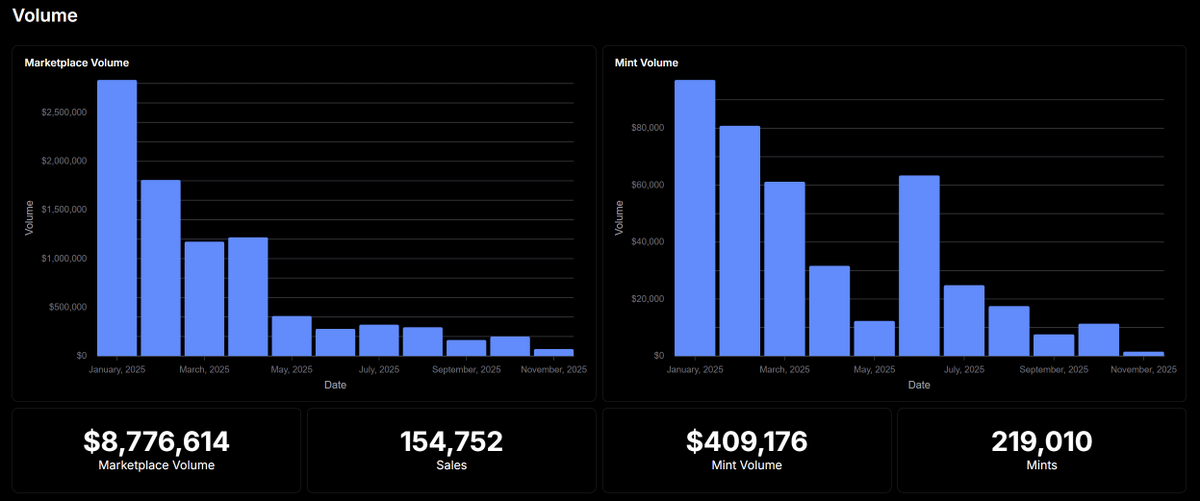
Anyone remember SAGA? Looks like they've been exploited now too. Can't see them recovering from this either. RIP.
The team is looking hard at how incentives are distributed and the value they bring back to the ecosystem. This is a proposal for the first step in a new approach in how we achieve incentives with accountability. forum.berachain.com/t/proposal-dec…

You can but to be quite honest with you your lecturing me on communication when I'm getting messages like this. I think it's super unprofessional. Or like here, where jack said that notional "crept in" to composable. Believe it or not, composable approached us because they saw the high quality of our work. I hope you have a good day sir.
DYM - Now Officially on Solana Official Token Address: AjnUVPffPT91gBS7KADzXgpdTPFrjJURHrKWAa1fQbHH Bridge, Trade, and Add Liquidity Links in comments 👇





Let's clarify the facts, since MANTRA team continues to push a misleading narrative: 1. OKX identified evidence that multiple connected and colluding accounts used large quantities of OM as collateral to borrow significant amounts of USDT, artificially pushing OM’s price up. 2. Our risk team properly flagged this abnormal activity, contacted the account holders, and requested corrective action. They refused to cooperate. 3. To contain the risk, control of these related accounts was taken. Shortly afterward, the OM price crashed. OKX liquidated only a very small portion of OM, yet the sharp price collapse resulted in substantial losses that were fully absorbed by the OKX Security Fund. 4. Multiple third-party analyses indicate that the price crash was predominantly driven by perpetual trading activity that was not on our exchange. 5. The OKX Security Fund operated exactly as designed. There has been no explanation of where those unusually large quantities of OM originated, nor why these groups of individuals held and controlled such a substantial portion of the token supply. 6. OKX has already submitted full evidence and documentation to regulators and law-enforcement agencies. 7. Multiple litigations and legal proceedings are currently underway. Instead of addressing these serious and suspicious activities, the MANTRA team continues to ignore the facts and publicly blame OKX. This behavior is highly unprofessional. OKX will continue to cooperate fully with regulators and remains committed to protecting our users, as we always have.




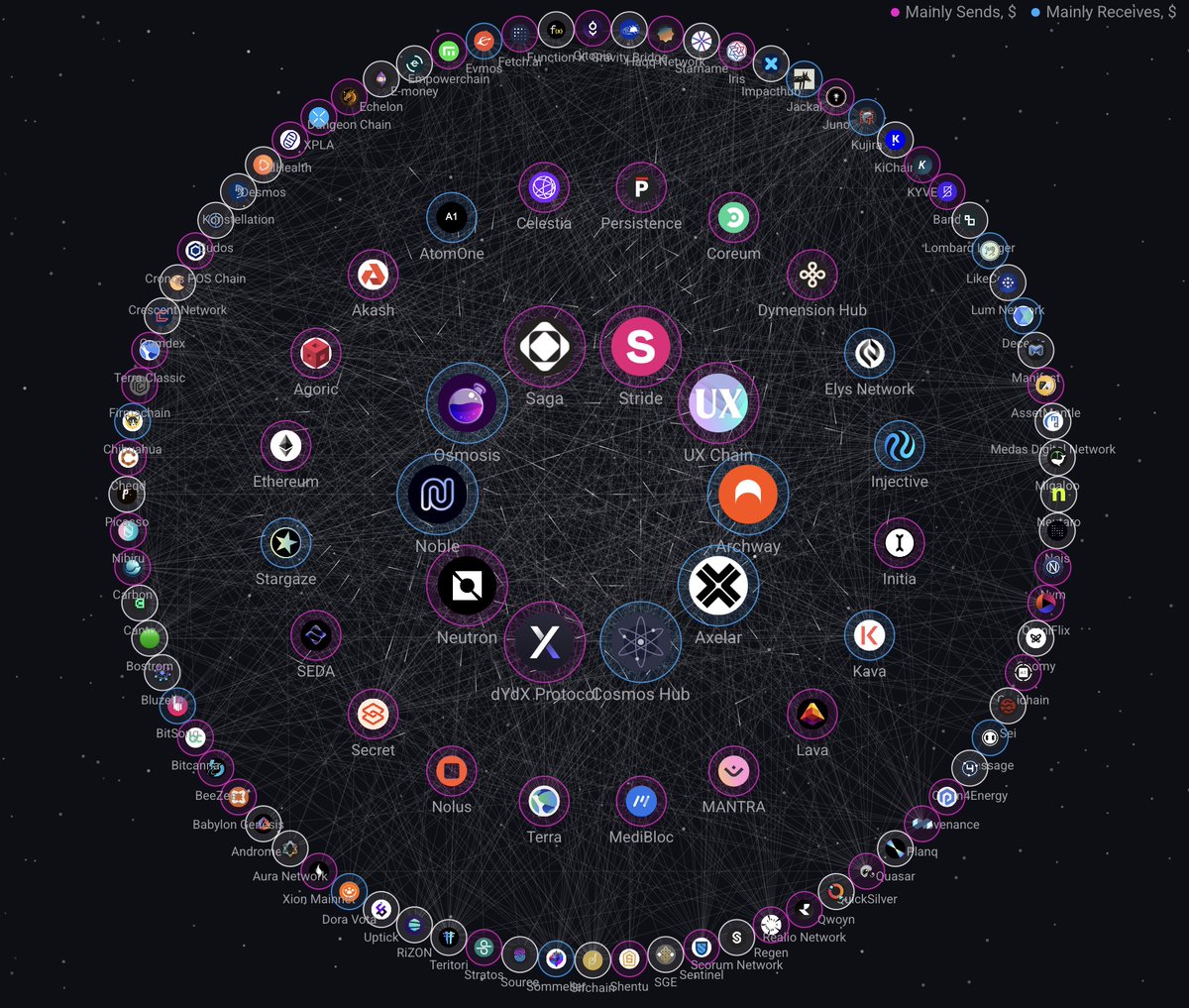
Majority of the funds were held in StratComm subDAO wallet. In July, 216310 ATOM and 80591 USDC returned to the cp. daodao.zone/dao/neutron1rx… Only Ops and Grants subDAO wallets are active and funded w combined ~1M. After all core members left, there were 11 active grants. I've canceled/re scoped/closed 8 of 11. Milestone definitions were missing or insufficient for nearly all, so the past 2.5 months entailed negotiations w grantees. x.com/arlai_mk/statu… Hoping to close out all grants mid Nov. Probably $400k more returning to the hub. Might be more.


Jump is back, crime season is real One of the most demoralizing parts of crypto is that there’s ~zero accountability for bad actors Just go into hiding for a few years until people have forgotten about your crimes and then re-appear like nothing happened Never mind the fact Jump “allegedly”extracted $1B+ from retail investors by propping up the Terra ponzi before its collapse via a undisclosed agreement with Do Kwon (CFTC case, pled the 5th) They’re proud to talk about how they built Pyth, but won’t tell you they built it in direct collaboration with SBF (FTX + Alameda) They’ll talk about building Wormhole, but nevermind it experienced one of the largest bridge hacks in history and its most notable user is just a Jump portfolio company Beware of the wolves in sheep’s clothing, who come in to build tech that directly facilitats their ability to extract value from retail