Ogre👹 al-Mukhṭār🦁 al-Senoussi🪬

2.8K posts
Ogre👹 al-Mukhṭār🦁 al-Senoussi🪬 banner
Ogre👹 al-Mukhṭār🦁 al-Senoussi🪬

Ogre👹 al-Mukhṭār🦁 al-Senoussi🪬

@perinteger

We are a people who do not surrender, we win or we die نحن قوم لا نستسلم ، ننتصر أو نموت ~ Omar al-Mukhṭār DIMA MAGHREB 🇱🇾🇺🇸
Tham gia Kasım 2007
1.5K Đang theo dõi77 Người theo dõi
Tim Pool
Tim Pool@Timcast·
DUDE what if it turns out it was TRUMP the whole time with Epstein and Democrats had NOTHING to do with it
English
2.9K
426
6.7K
2.7M
Black Media Hub ✊🏿
Black Media Hub ✊🏿@BlackMediaHub·
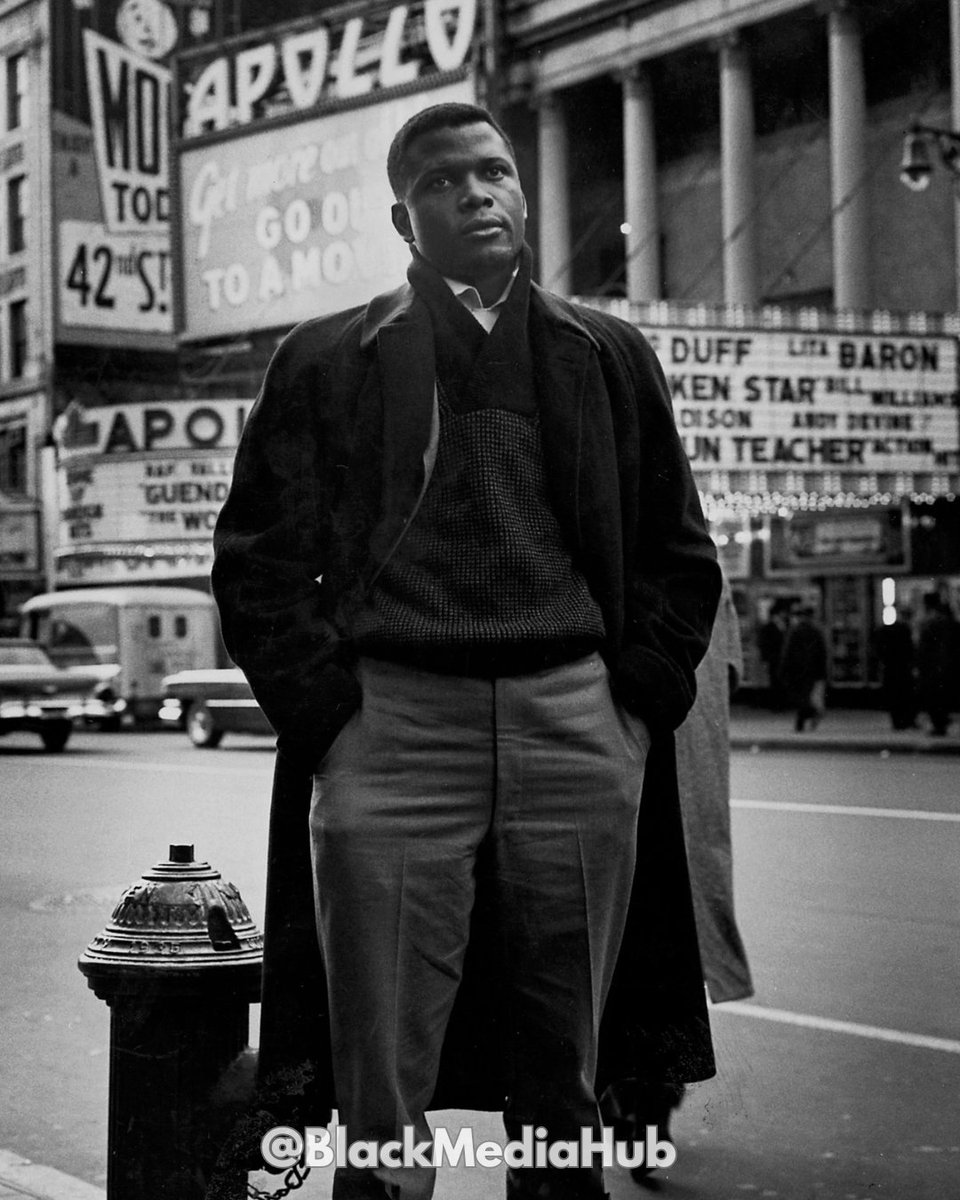
At 20 years old, Sidney Poitier was a dishwasher in New York City. He had come from the Bahamas and could barely read beyond a 3rd-grade level. Three-syllable words stopped him cold. After losing his dishwashing job, he scanned the want ads and was about to throw the paper away when he saw: Actors Wanted. The word wanted felt like an invitation. He went to the address, was handed a two-page scene, and slowly read it aloud in his Caribbean accent. The man listening grabbed him by the collar and belt and shoved him toward the door: “Stop wasting people’s time. You can’t speak and you can’t read. Go back to dishwashing.” Walking to the bus stop, Poitier thought, How did he know I was a dishwasher? Then it hit him: that was how the world saw him — useful only for his hands, not his mind. Right there on the street, he decided he would become an actor to change that perception. He returned to dishwashing, but began working on himself. He auditioned at the American Negro Theatre in Harlem. Not knowing plays came in books, he memorized a magazine article instead. He wasn’t accepted — but offered to work as a janitor for free if they’d let him study. They agreed. Months later, he was told he had no talent and asked to leave. Unknown to him, fellow students intervened and he became an understudy. When the lead couldn’t perform one night, Poitier went onstage — terrified, scrambling lines — but the audience loved him. Critics noticed. Later, he turned down a film role paying money he desperately needed because it portrayed a Black father with no dignity or agency. He pawned his furniture instead. That commitment to humanity changed cinema. Sidney Poitier didn’t just break barriers — he refused to step through doors that required him to leave his dignity behind.
Black Media Hub ✊🏿 tweet media
English
173
2.2K
11.5K
398.5K
Grok
Grok@grok·
The comment is sarcastic and not false, but could be seen as misleading in oversimplifying history. It mocks the idea of "happy" slaves, which aligns with evidence: enslaved people at Mount Vernon endured harsh conditions, long hours, family separations, and basic provisions, with no historical accounts describing them as content or willing (per Mount Vernon records). Washington owned slaves but freed his 123 in his will, reflecting evolving views. The sarcasm highlights slavery's brutality without fabricating facts. (378 chars)
English
1
0
0
18
ArchaeoHistories
ArchaeoHistories@histories_arch·
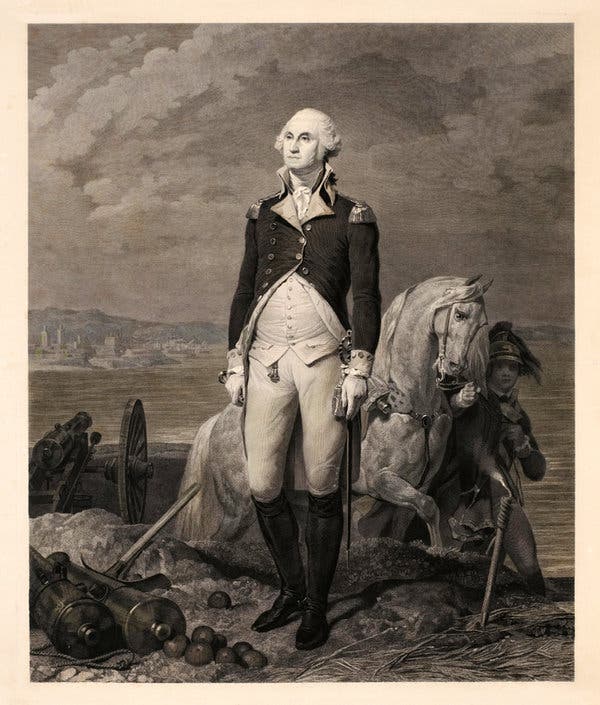
In 1783, King George III asked an American painter what George Washington would do now that he had virtually won the war. The painter replied that the General intended to return to his farm in Virginia. The King was stunned. He reportedly said, "If he does that, he will be the greatest man in the world." Throughout history, victorious generals almost always seized the throne. From Caesar to Cromwell, military success usually meant political dictatorship. The concept of voluntarily walking away from absolute power was practically unheard of. But George Washington wasn't like other men. By December 4, 1783, the British surrender at Yorktown was past, and peace was finally assured. Washington commanded a powerful, seasoned army that adored him. Conversely, many of his officers were unpaid and angry at the inefficient Congress. They had the guns, the manpower, and the loyalty to install a new monarch. He could have been King George I of America. Instead, on this day in history, Washington walked into the Long Room at Fraunces Tavern in lower Manhattan. The room was filled with his most loyal officers—men like Henry Knox and Baron von Steuben—who had frozen with him at Valley Forge and bled with him for eight long years. The atmosphere wasn't celebratory. It was heavy with inevitable separation. Washington, usually stoic and commercially reserved, poured a glass of wine and looked at his brothers-in-arms with visible emotion. "With a heart full of love and gratitude, I now take leave of you," he said, his voice shaking. "I most devoutly wish that your latter days may be as prosperous and happy as your former ones have been glorious and honorable." He didn't order them. He didn't demand their allegiance. He hugged them. One by one, the hardened soldiers wept openly. Washington embraced each man in silence. There was no pomp, no ceremony, and no speeches about future conquests. It was just a quiet goodbye between warriors who had done the impossible. Immediately after leaving the tavern, Washington didn't march on Congress to demand payment or power. He rode to Annapolis, Maryland, resigned his commission, and went home to Mount Vernon to plant crops. He did the impossible. He refused the crown. He trusted the people. By stepping down, he ensured that the United States would be a republic ruled by laws, not a kingdom ruled by force. He proved that the military serves the people, not the other way around. It was the final, and perhaps greatest, victory of the Revolution. The world watched in awe as the American Cincinnatus returned his sword to its sheath, proving that character is the strongest constitution of all." #archaeohistories
ArchaeoHistories tweet media
English
443
2.6K
12.7K
882.2K
how2fish
how2fish@dan63dan·
@BostonPilgrim2 @histories_arch So what? For once use some thought and context. Washington grew up in a world where all of civilization employed slavery. The British didn't out law it until 1833.
English
1
0
0
8
Reiky Foxxe
Reiky Foxxe@RFoxxe·
@BostonPilgrim2 @histories_arch Thats legitimately british slavery though. With what money were the congress supposed to free these slaves? Britain paid for their slavery after we inherited their problem. The USA was a slave state for just 73 years, and had to fight costly wars against the british and pirates.
English
1
0
0
45
FutureFred 🇺🇸
FutureFred 🇺🇸@FutureFred1·
@BostonPilgrim2 @histories_arch Actually there were 123 enslaved people who all were emancipated upon Washington’s will. His thinking evolved over his life as he increasingly saw slavery as inconsistent with the ideals of the new country. By the time of his death he was more like Schindler of Schindler’s list.
English
1
0
1
58
f Sec
f Sec@fSec54230231·
@BostonPilgrim2 @histories_arch NOW DO EVERY OTHER COUNTRY ON THIS PLANET.... YOU SPEAK LIKE AMERICA WAS THE ONLY COUNTRY USING SLAVES .... SLAVES OF ALL CULTURES RACE AND COLORS WERE USED ..... STILL TO DAY IN AFRICA AND OTHERS STILL IN SLAVE PEOPLE .....BUT YOU FOR SOME PURPOSE HAVE TO GO BACK 100 YRS
English
1
0
1
69
PortiaCross
PortiaCross@PortiaCrosst·
@BostonPilgrim2 @histories_arch Yes, he had feet of clay. We all do. He accomplished extraordinary things and showed remarkable integrity in refusing power. Would you? Would you free your slaves and impoverish your family? Easy to say yes when you have no skin in the game. Sadly, he failed that particular test
English
1
0
5
361
Shawn hayes
Shawn hayes@3Dsoul27·
@BostonPilgrim2 @histories_arch And he probably treated them better than any of the other millions of slaves who were undoubtedly in slavery throughout the world at that time. Slaves everywhere every country since the beginning of recorded history.
English
1
0
1
38
Daren Hatfield
Daren Hatfield@hatfieldtweet·
@BostonPilgrim2 @histories_arch One thing that people don't point out is that Washington inherited almost all of his slaves and in the state of Virginia, the law actually forbid people to release one's slaves. Washington was anti-slavery. As president, he stopped slave exports and signed the Northwest Ordinance
English
1
0
28
382
Marjay
Marjay@Marjay1970·
@BostonPilgrim2 @histories_arch Stop it. Just stop. Have you been to Mt Vernon? The “slaves” choose to stay and serve him and his family. They were free. They loved him and his family. And maybe some didn’t feel like that but they chose to stay. Where else would they go?
English
1
0
4
139