Matthew Katz, MD 🇺🇸🟦

108.4K posts

Matthew Katz, MD 🇺🇸🟦 banner
Matthew Katz, MD 🇺🇸🟦

Matthew Katz, MD 🇺🇸🟦

@subatomicdoc

I'm a doctor @TuftsMedicalCtr dedicated to improving health and cancer care. Trust, learn, collaborate. Neutral good. He/him. עם ישראל חי

Boston, MA Tham gia Kasım 2009
4.9K Đang theo dõi19.6K Người theo dõi
Matthew Katz, MD 🇺🇸🟦 đã retweet
npj Digital Medicine
npj Digital Medicine@npjDigitalMed·
The future of medicine may not be AI vs clinician, but AI + clinician. A randomized trial shows collaborative workflows improve diagnostic accuracy, highlighting the shift from AI as a tool to AI as a teammate. A significant takeaway: AI first OR AI second showed similar improvement This challenges assumptions like: 1. It’s not about “who leads.” 2. It’s about having structured interaction at all nature.com/articles/s4174…
English
0
15
50
2.7K
Matthew Katz, MD 🇺🇸🟦 đã retweet
Eric Topol
Eric Topol@EricTopol·
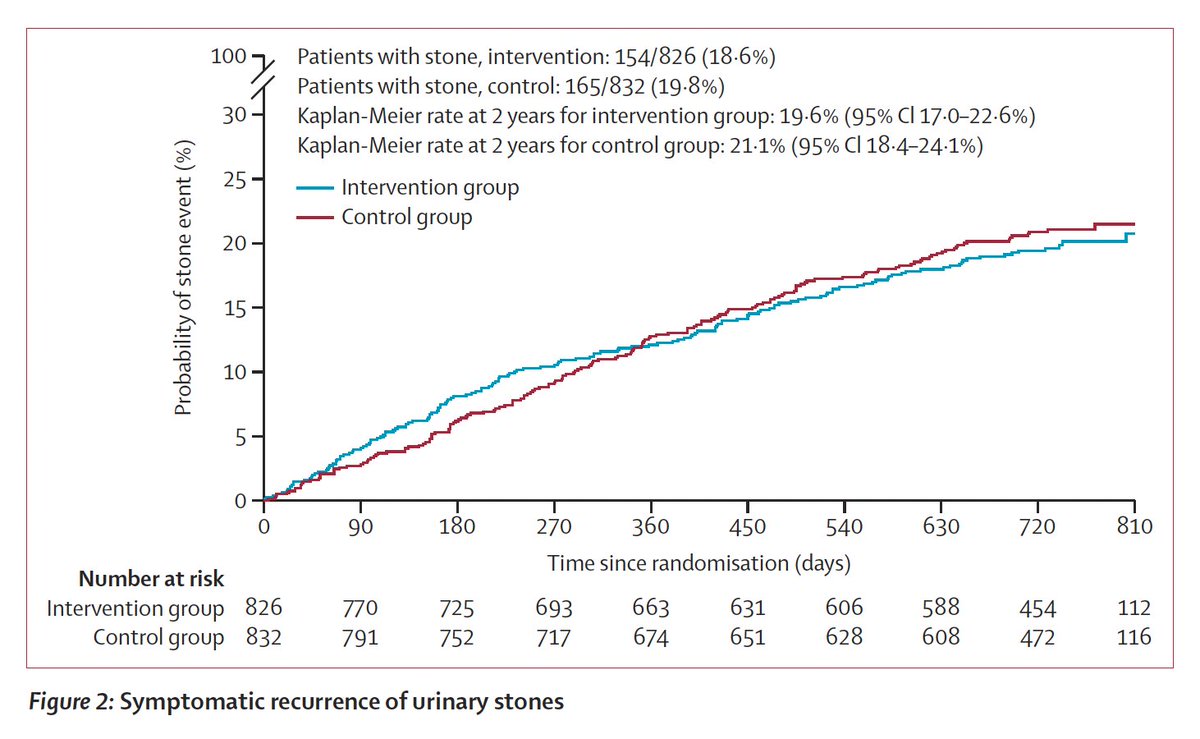
If you've had a kidney stone, you've been advised that the most important thing to prevent another bout is to increase hydration. Now a randomized trial of hydration in over 1600 participants showed no benefit, despite evidence of increase during volume. thelancet.com/journals/lance…
Eric Topol tweet media
English
84
256
1.7K
283.1K
Matthew Katz, MD 🇺🇸🟦 đã retweet
npj Digital Medicine
npj Digital Medicine@npjDigitalMed·
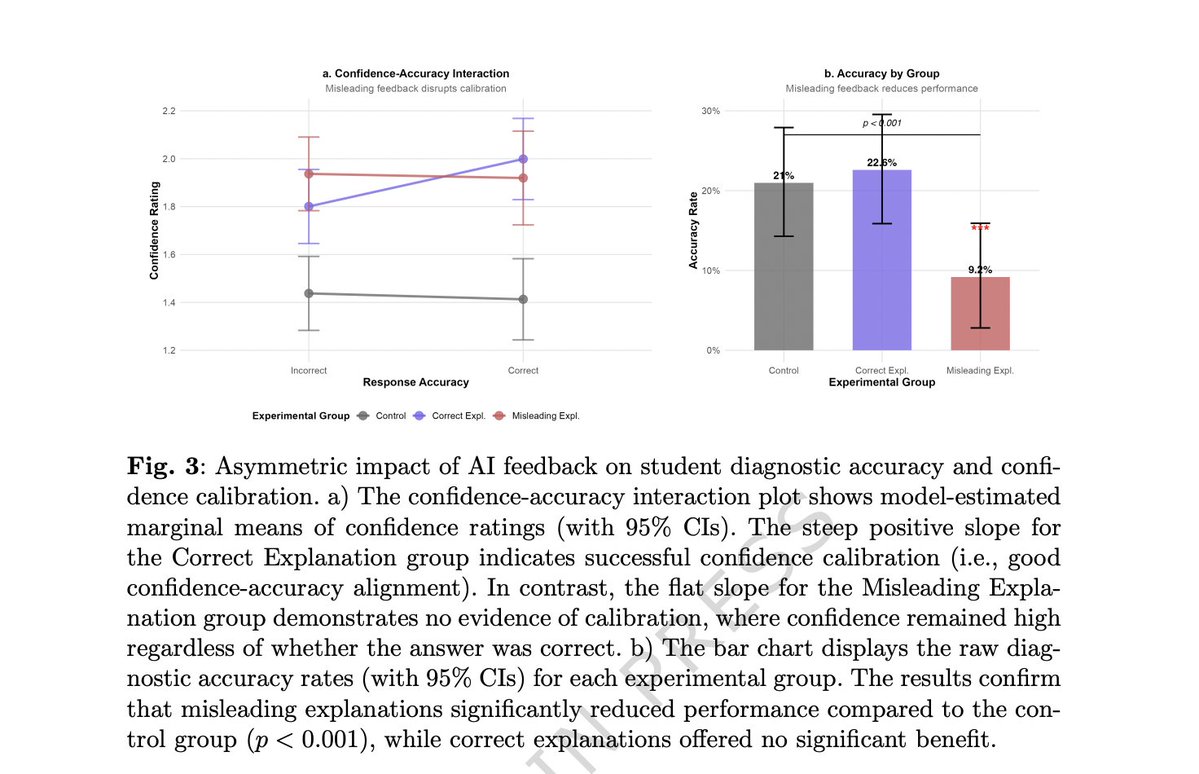
AI use in medical school is an ongoing conversation. But, wrong AI advice is more harmful than correct advice is helpful. In a randomized trial, misleading AI explanations lowered diagnostic accuracy, and students couldn’t reliably tell when they were wrong. nature.com/articles/s4174…
npj Digital Medicine tweet media
English
2
14
38
4.4K
Matthew Katz, MD 🇺🇸🟦 đã retweet
Blake Burge
Blake Burge@blakeaburge·
A rule that will accelerate your career: If you bring a problem, bring context. If you bring context, bring options. If you bring options, bring a recommendation. People trust people who help them think. Anyone can spot an issue, few can actually help move things forward.
English
93
563
3.1K
77.4K
Matthew Katz, MD 🇺🇸🟦 đã retweet
Muhammad Ayan
Muhammad Ayan@socialwithaayan·
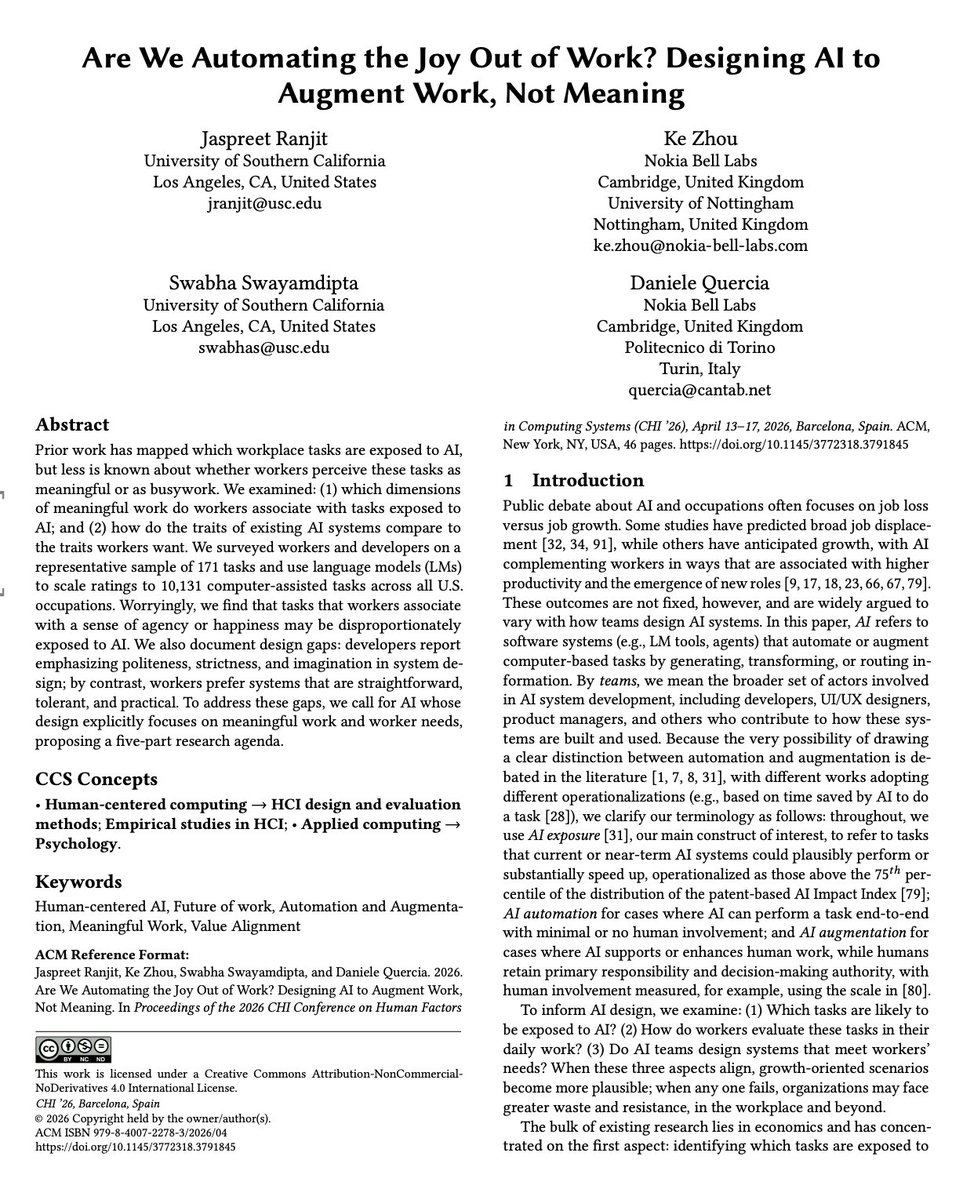
🚨 BREAKING: New USC and Nokia Bell Labs research just found something the entire AI productivity narrative has gotten backwards. AI is not automating the boring parts of your job first. It is automating the parts you actually like. The study analyzed 171 distinct work tasks, scaled using language models across 10,131 U.S. occupations, and then cross-referenced which tasks were most exposed to AI with how workers rated those same tasks on four dimensions. Novelty. Creativity. Happiness. Autonomy. The result was not close. Tasks flagged as high AI-exposure scored significantly higher on every single one of those dimensions compared to tasks with low AI-exposure. The tasks AI is coming for first are the ones workers describe as interesting, creative, and meaningful. The tasks being left behind are the ones workers find repetitive, constrained, and draining. The productivity promise was: AI handles the drudgery, humans keep the good work. The data says the opposite is happening. The second finding is the one that explains why. The researchers found a fundamental mismatch between what AI developers are optimising for and what workers actually want from AI systems. Developers are building systems that are imaginative and strict. Imaginative: capable of generating novel outputs, creative suggestions, diverse solutions. Strict: rule-following, precise, consistent, controllable. Workers want systems that are practical and tolerant. Practical: useful for the actual workflow, not impressive for its own sake. Tolerant: flexible with ambiguity, forgiving of imprecision, able to work with how humans actually communicate. Developers are building AI that is good at the creative tasks workers value. Workers want AI that handles the structural friction they hate. Those are almost perfectly inverted design philosophies. The result is a deployment pattern where the most capable AI systems are being pointed at the most meaningful work because that is where they demonstrate the most impressive performance. Automating a creative task is a better demo than automating a data entry task. It generates more interest, more investment, more press. So that is what gets built and deployed first. The worker sitting at the other end of that deployment did not ask to have the interesting part of their job handed to a model. They asked for help with the part that was grinding them down. They got the opposite. The long-term implication is the one that should concern anyone thinking beyond the current deployment wave. Work is not just economically important. It is psychologically important. Decades of research on job satisfaction consistently identify the same factors that make work meaningful: autonomy, novelty, the sense of creating something, the experience of exercising skill and judgment. Those are precisely the task characteristics that the USC study found most correlated with AI exposure. If this pattern holds as AI capabilities expand, the workforce that remains after automation will be doing the work that was already the least fulfilling. Not because anyone planned it that way. Because the systems being built are optimised to perform impressively, and impressive performance shows up most visibly on the tasks that require imagination and creativity. The drudgery is harder to automate and less compelling to demo. So it stays. The humans keep it. And the work that made the job worth showing up for gets handed to a model that will never notice the difference.
Muhammad Ayan tweet media
English
15
31
74
5.3K
Matthew Katz, MD 🇺🇸🟦 đã retweet
The BMJ
The BMJ@bmj_latest·
"The language of the home and the street should also be the language of the consulting room." IIona Heath explores the gaps in consulting rooms between scientific knowledge—largely expressed in number—and poetic knowledge, always expressed in words bmj.com/content/392/bm…
English
0
7
26
4.4K
Matthew Katz, MD 🇺🇸🟦 đã retweet
Cancer Cell
Cancer Cell@Cancer_Cell·
AI for cancer treatment information: Can academia stay in the game? dlvr.it/TRWgWH
Cancer Cell tweet media
English
0
27
69
4.9K
Matthew Katz, MD 🇺🇸🟦 đã retweet
CBS News
CBS News@CBSNews·
Italian soldiers are patrolling Rome's ancient Jewish quarter and Belgian troops will help secure Jewish sites as an official warns the threat of antisemitic violence "is very real." cbsn.ws/472gEYk
English
183
541
2.5K
316.3K
Matthew Katz, MD 🇺🇸🟦 đã retweet
Derek Griffin
Derek Griffin@DerekGriffin86·
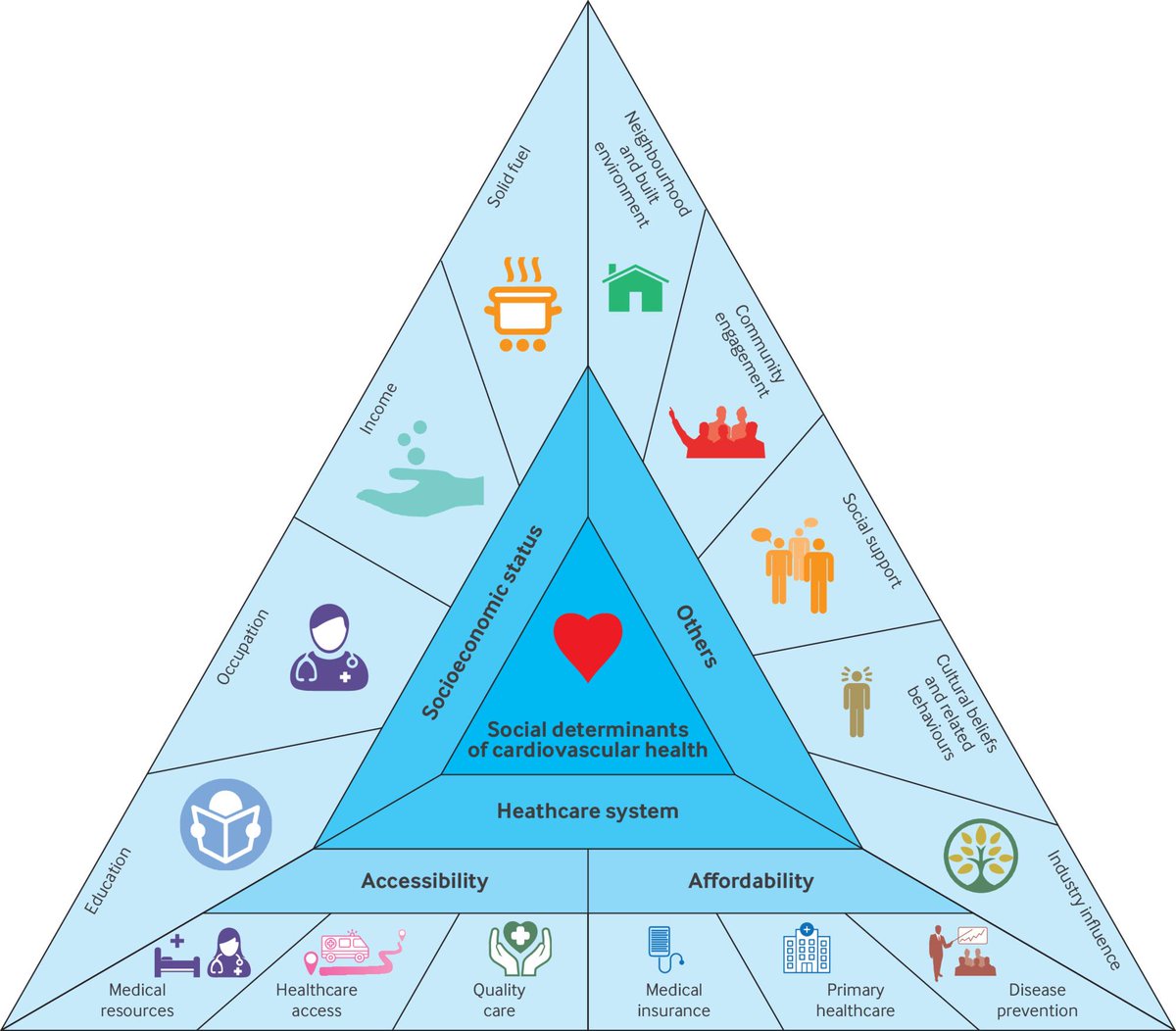
The role of the social determinants of health in non-communicable diseases such as CVD is well established. We also need to see pain through this big picture lens. bmj.com/content/387/bm…
Derek Griffin tweet media
English
0
11
29
1.7K
Matthew Katz, MD 🇺🇸🟦 đã retweet
Advances, an ASTRO Journal
Advances, an ASTRO Journal@Advances_ASTRO·
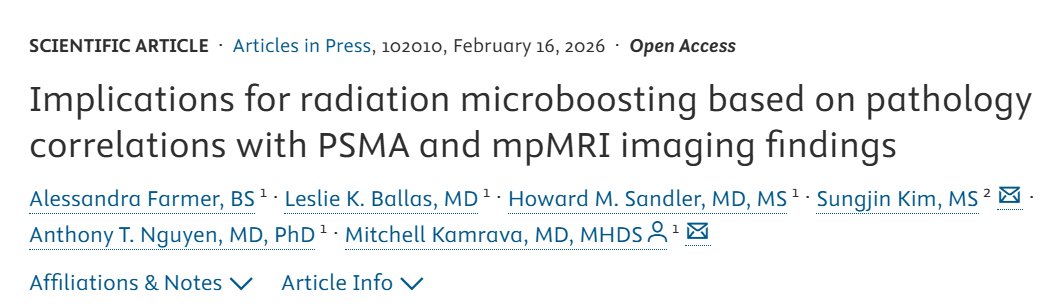
How well does the size of the dominant intraprostatic lesions (DIL) correlate between #pcsm imaging and surgical pathology? In this institutional cohort (n=48), DIL size on surgical pathology was compared to DIL size on PSMA-PET (PSMA) and multiparametric MRI (mpMRI) 🔘 Median difference in max diameter between surgical DIL and PSMA DIL was 3.4mm (IQR 16.3-24.8) 🔘 Median difference in max diameter between surgical DIL and mpMRI was 4mm (IQR 3-9) 🔘 PSMA and mpMRI, underestimated DIL size in 59% and 64% of cases, respectively 🔘 On MVA, discrepancy in size🔼 w/ 🔼PSA (PSMA, mpMRI) and 🔽 group grade (PSMA) 🔘 Further understanding of DIL size discrepancy could better inform #radoc microboosting volumes 🔗 - tinyurl.com/5n85f9az @ASTRO_org @KamravaMD @l_ballas @AnthonyNguyenMD
Advances, an ASTRO Journal tweet media
English
1
11
23
4.5K
Matthew Katz, MD 🇺🇸🟦 đã retweet
Daniel E Spratt
Daniel E Spratt@DrSpratticus·
Learn something new every day! Never knew testosterone so frequently dropped post-RP. May explain why sometimes first PSA is undetectable but recurrence happens months later when T recovers. Or it is meaningless and just a factoid great to ask med students and residents.
Mohammed Shahait@MShahait

New in @UrolOncol Our review on “Etiology of Testosterone Deficiency After RP” highlights an underrecognized consequence of RP: • ~1 in 3 men develop testosterone deficiency • Likely due to venous disruption & ischemia • Most recover within 12 months ➡️ Takeaway: Not all post-RP low libido, or delayed recovery is “expected”—testosterone matters @faysal_a_yafi @Mo_Moukhtar #prostatecancer #MensHealth sciencedirect.com/science/articl…

English
3
13
64
10.4K
Matthew Katz, MD 🇺🇸🟦 đã retweet
John Mandrola, MD
John Mandrola, MD@drjohnm·
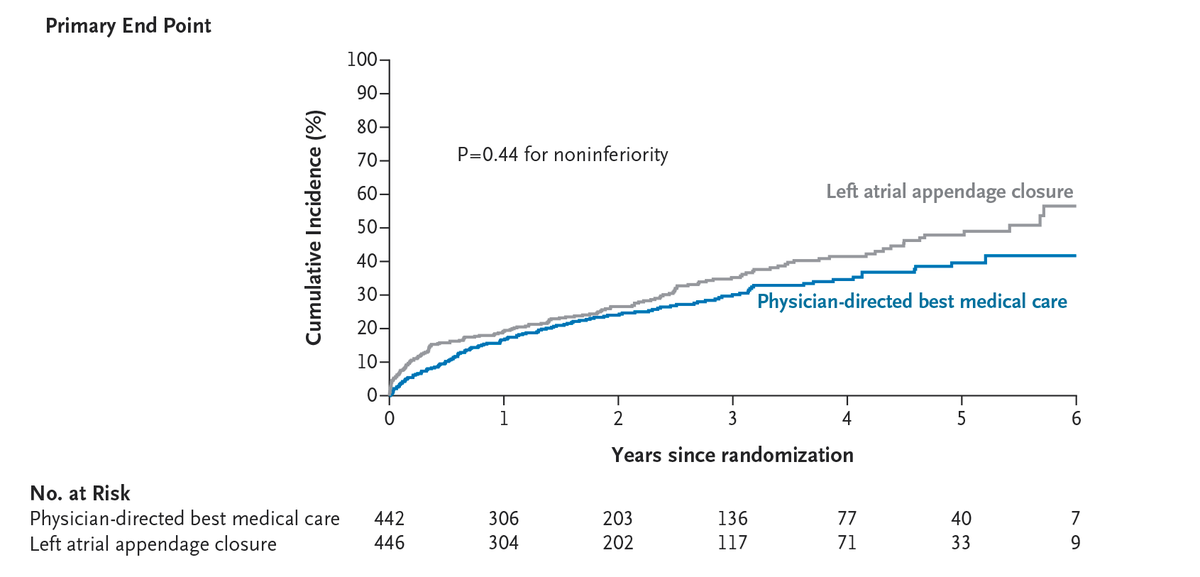
> 600,000 left atrial appendage devices have been placed NOT NONINFERIOR 👇🏻 Trial is large, nonindustry funded and done in experienced centers in Germany Endpoint had both efficacy and safety components and still did not make non-inferiority I tried to tell you all
NEJM@NEJM

Among patients with atrial fibrillation at high risk for stroke and bleeding, left atrial appendage closure was not noninferior to medical therapy in reducing the risk of stroke, embolism, major bleeding, or death at 3 years. Full CLOSURE-AF trial results: nejm.org/doi/full/10.10… Editorial: Left Atrial Appendage Closure — Another Overused Method in Cardiology? nejm.org/doi/full/10.10…

English
43
121
525
189.6K
Matthew Katz, MD 🇺🇸🟦 đã retweet
NEJM
NEJM@NEJM·
Among patients with atrial fibrillation at high risk for stroke and bleeding, left atrial appendage closure was not noninferior to medical therapy in reducing the risk of stroke, embolism, major bleeding, or death at 3 years. Full CLOSURE-AF trial results: nejm.org/doi/full/10.10… Editorial: Left Atrial Appendage Closure — Another Overused Method in Cardiology? nejm.org/doi/full/10.10…
NEJM tweet media
English
16
298
686
427.4K
Matthew Katz, MD 🇺🇸🟦 đã retweet
Aakash Gupta
Aakash Gupta@aakashgupta·
This is a 12-year-old study that has failed replication three times. And the underlying claim is still probably right. The paper is Mueller and Oppenheimer, 2014. 67 students at Princeton. Longhand note-takers scored higher on conceptual questions. Became the most cited paper in every “ban laptops” argument on Earth. Then three separate labs tried to reproduce the result. Urry et al. at Tufts in 2021, 145 students. No effect. Morehead et al. in 2019, two experiments. No effect. A meta-analysis pooling eight similar studies. No effect. So why am I saying it’s still right? Because a 2023 Norwegian EEG study with 256 channels found something the behavioral research couldn’t measure. Handwriting produces theta and alpha connectivity patterns between parietal and central brain regions that typing does not produce. Those specific frequencies are the ones your hippocampus relies on for memory formation. Your brain treats handwriting as a motor-spatial problem. Five brain regions fire in coordination: premotor cortex, parietal cortex, cerebellum, fusiform gyrus, sensorimotor cortex. Typing activates a fraction of that network. The original study measured the right outcome with the wrong methodology. The real finding lives at the neural level: handwriting rewires the encoding process itself.
Brandon Luu, MD@BrandonLuuMD

Students who took notes by hand scored ~28% higher on conceptual questions than laptop note-takers. Writing forces your brain to process and compress ideas instead of copying them.

English
50
325
1.4K
127.5K
Matthew Katz, MD 🇺🇸🟦 đã retweet
Haviv Rettig Gur
Haviv Rettig Gur@havivrettiggur·
Extraordinary choice, @usatoday.
USA TODAY@USATODAY

Rachel Goldberg-Polin (@BringHershHome) is the embodiment of every mother’s worst nightmare: losing a child. Now, she is turning her loss into a way to help others heal. Hamas kidnapped and executed her son, Hersh. Her commitment to save as many of the 251 hostages as possible never wavered. bit.ly/4lsFXIS 📸: Avishag Shaar-Yashuv, for USA TODAY

English
9
65
1.2K
37.6K