

Drain the Trainer
425 posts


Work-Work balance is about doing….
Just enough simulator to wanting to go on an actual flight and doing just enough of flying to wanting to go back into the simulator 👨🏻✈️
#Pilot #pilotlife #Training #SafetyFirst
GIF
English
Drain the Trainer 已转推

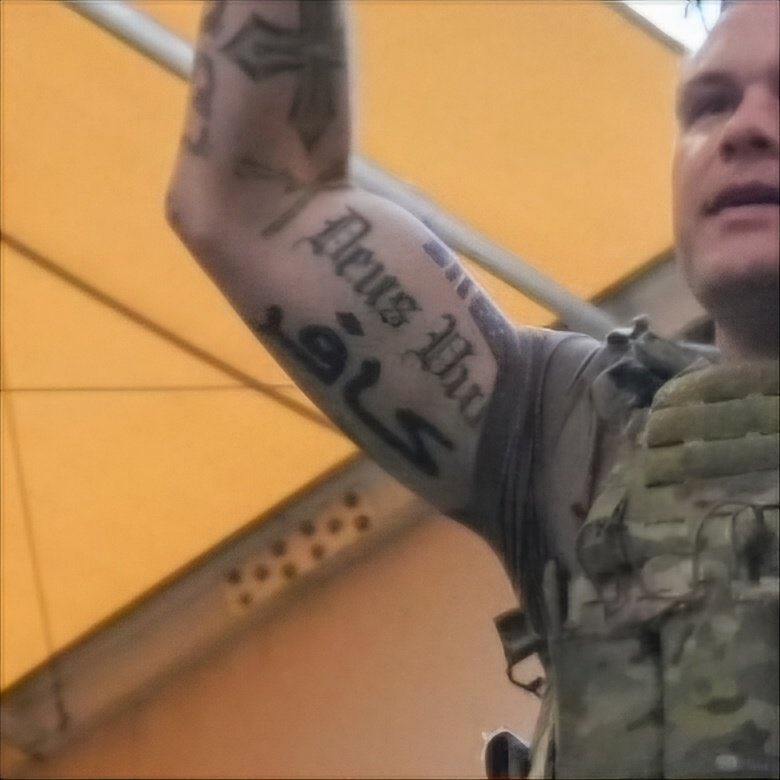
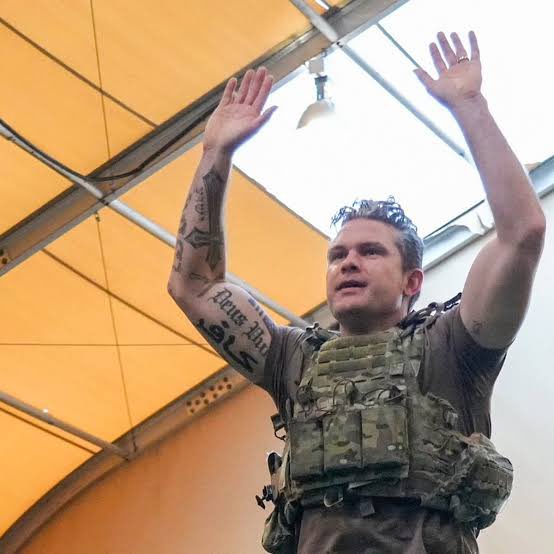
US @SecWar Pete Hegseth is a self-declared kafir, with the word كافر tattooed on his right arm.
On the same arm he has the words Deus Valt (God wills it), the rallying cry of the mediaeval crusaders.
The Department of Defense was renamed Department of War in 2025, just before he took office. A few months later, @realDonaldTrump established his @BoardOfPeace. Really.
Hegseth participated in US atrocities in #Iraq and #Afghanistan and human rights violations at #Guantanamo.
He’s currently leading joint US-Israeli military strikes on #Iran. The airstrikes have hit a girl’s school, which killed 165 children and several hospitals.
During the #GazaGenocide, Israel destroyed almost all functioning Palestinian hospitals.
Remember that next time they try to convince you with their fork-tongued talk of wanting peace.
English
🇺🇸 : Let’s use Speed brakes to expedite our descent 👨✈️
🇮🇳 : Lets not use Speed brakes to expedite our descent 👨🏻✈️
#Pilot #pilotlife #Training #SafetyFirst
GIF
English
@adityakalra Out of all the concerning topics plaguing Indian aviation, you decided that this was the hill you wanted to die on? 😭
English

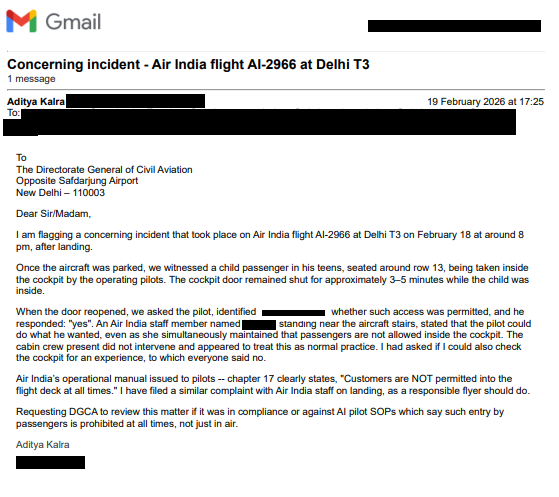
I've sought clarity from India's regulator on Air India pilots allowing a teenage passenger into the cockpit & briefly shutting the cockpit door after landing & parking in Delhi. AI manual, as per a pilot, says "Customers are NOT permitted into the flight deck at all times". Are kids exempted?
English
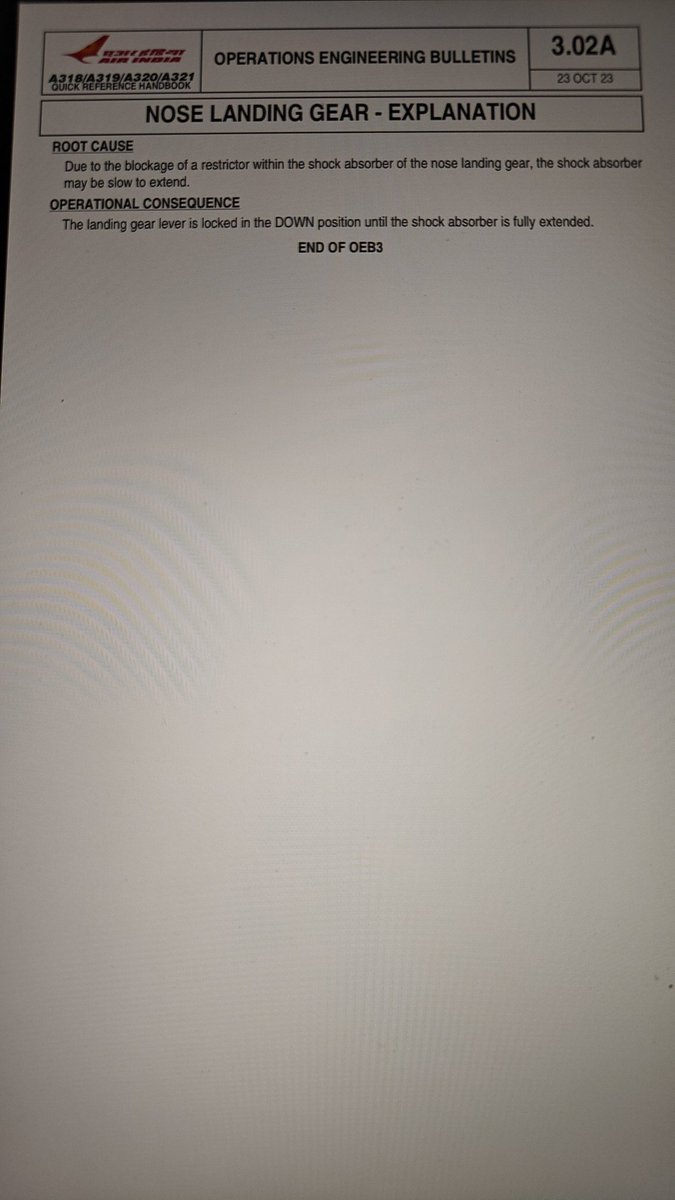
@trend_nosig @chainsawrocks There used to be an OEB on the Classic 320s for LG LEVER stuck after take off which required a 1 min wait time before trying again IIRC.
English

Correction!
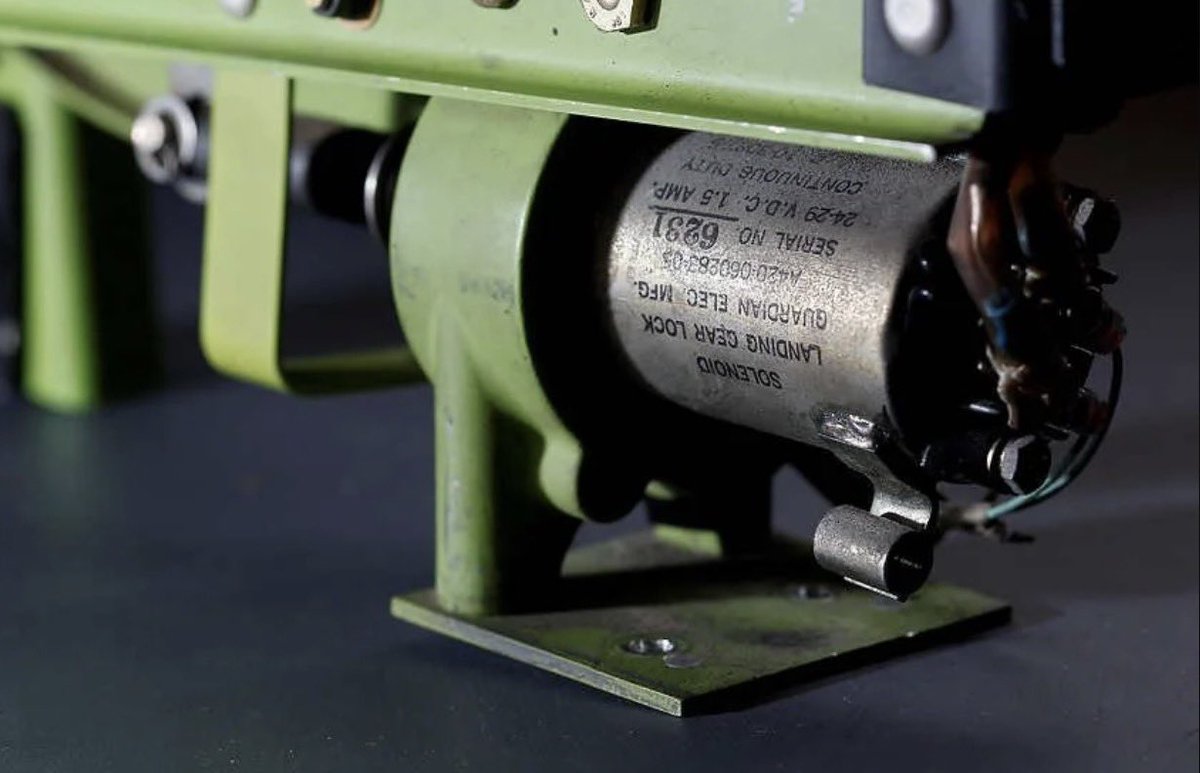
The “click” we hear is from the “Landing Gear Lock Solenoid” and not the relay.
This is designed to prevent the landing gear lever from being moved to the UP position while the aircraft is still on the ground.
The PSEU energises this 28V solenoid.
No 🍻 this year.
The Joker@trend_nosig
The Proximity Switch Electronic Unit (PSEU) on Boeing 737 NG/MAX aircraft is a computer system that monitors and controls critical sensors and air/ground logic. Those with a keen ear will hear the click of the air/ground relay once she gets airborne.
English

@trend_nosig When you’re willing to transmit VIP on board on the RT just to get ahead of others and ATC obliges you can imagine the mental picture some of these companies work with.
English
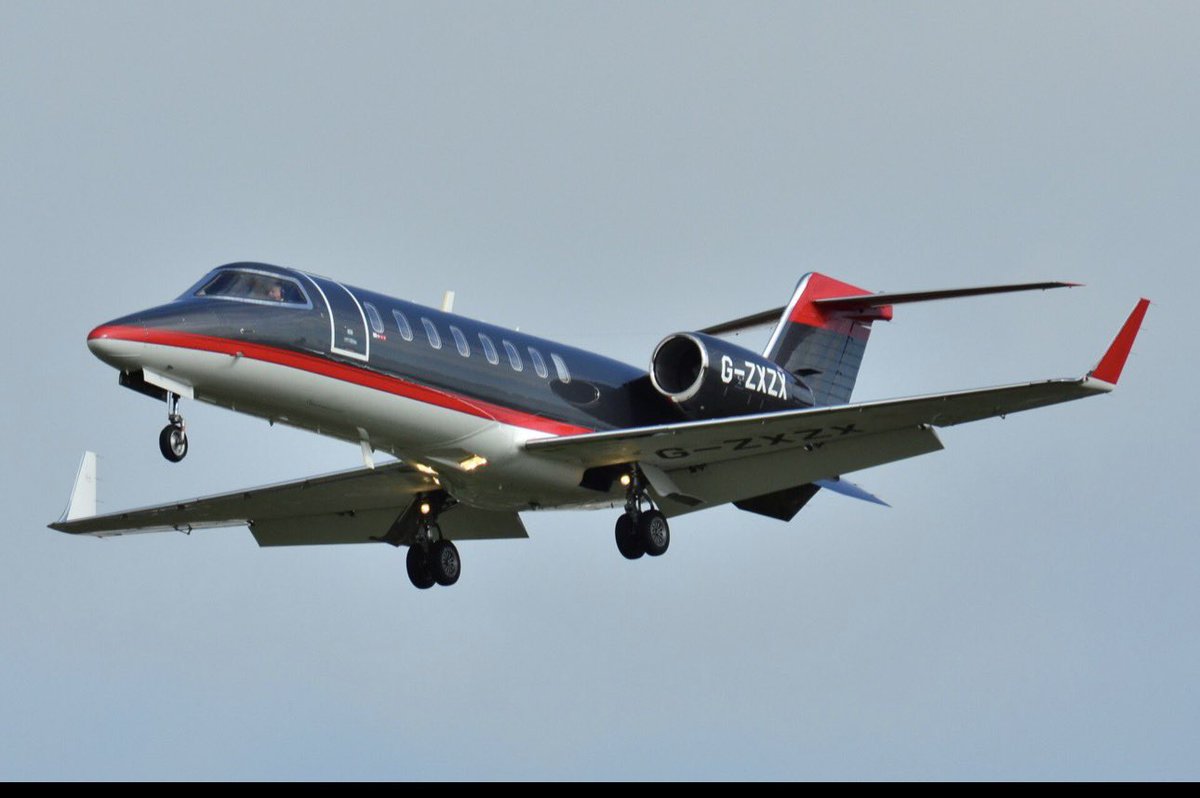
Follow up on the VSR Aviation Learjet crash.
While the Baramati airfield doesn’t have any navigational aids, it doesn’t have any published RNP approaches either.
If an airfield has NO instrument approach, then the visibility required is 5000M.
Tower reported visibility at the time of approach was 3000M.
They were landing in the easterly direction. Time ~0845 local. The Sun in the eyes would have further hampered a runway sighting.
During the flight planning stage, if the WX is not available for the destination airfield or if the WX is below minima, we file two destination alternates.
Fuel uplifted for the farther alternate. It is legal to depart.
This is what is done in commercial operations, I’m unsure about the rules which govern NSOPs.
Maybe someone could throw light on this?
The Joker@trend_nosig
This is Tweet is pure conjecture. 1. The type of approach being carried out was a visual approach. In this type of approach, we need to be visual with the runway at all times. 2. The crew carried out a missed approach, as perhaps the runway was not visual. Baramati has no nav aids, hence the visibility requirement for a visual approach is 3200M for CAT C aircraft and 3600M for CAT D. If the airfield has a circling approach, then we need 5000M. 3. During a visual approach, the Pilot Flying (PF) is primarily looking outside while manually flying the airplane. It is critical for the Pilot Monitoring (PM) to be looking “inside” and monitoring the instruments, specifically the airspeed. We see a number airplanes stalling during a visual approach, especially on the base to final turn. You have the flaps out and the gear down, high drag configuration. It is easy to get fixated on manoeuvring towards the runway and let go of the airspeed. The higher your bank angle, the higher the stall speed. 4. The PM needs to be strictly “inside” and not get tempted to look outside. Give standard callouts in case of deviations. Monitor the instruments closely and move control levers in accordance to the PF commands, for eg. the gear/flaps. It is pertinent to look at the control being moved rather than do it from muscle memory. This prevents “action-slip-error”. Experienced Pilots have fallen prey to this. An accident on an ATR comes to mind. This happened in Pokhara, Nepal. A senior Examiner seated on the right seat accidentally put the condition levers to feather instead of extending the flaps. This was a visual approach as well. Loss of life is always tragic. Thoughts go out to the affected families and may the departed RIP. For the final report, we wait.
English
@TRE_320 In 🔴 everyone identifies each other by 810, 8005, 8006, 8000 and so on. 🥴
English
Baby Boomers : Good morning I’m Captain Raj 👨🏻✈️
Gen - Z : Good morning I’m Captain Raj Kapoor 👨🏻✈️
Gen - Next : Good morning I’m Captain employee ID 835672 👨🏻✈️
#Pilot #pilotlife #FutureOfWork
GIF
English
@Aviatorflyboy Sad to see the mighty centaur relegated into insignificance.
English

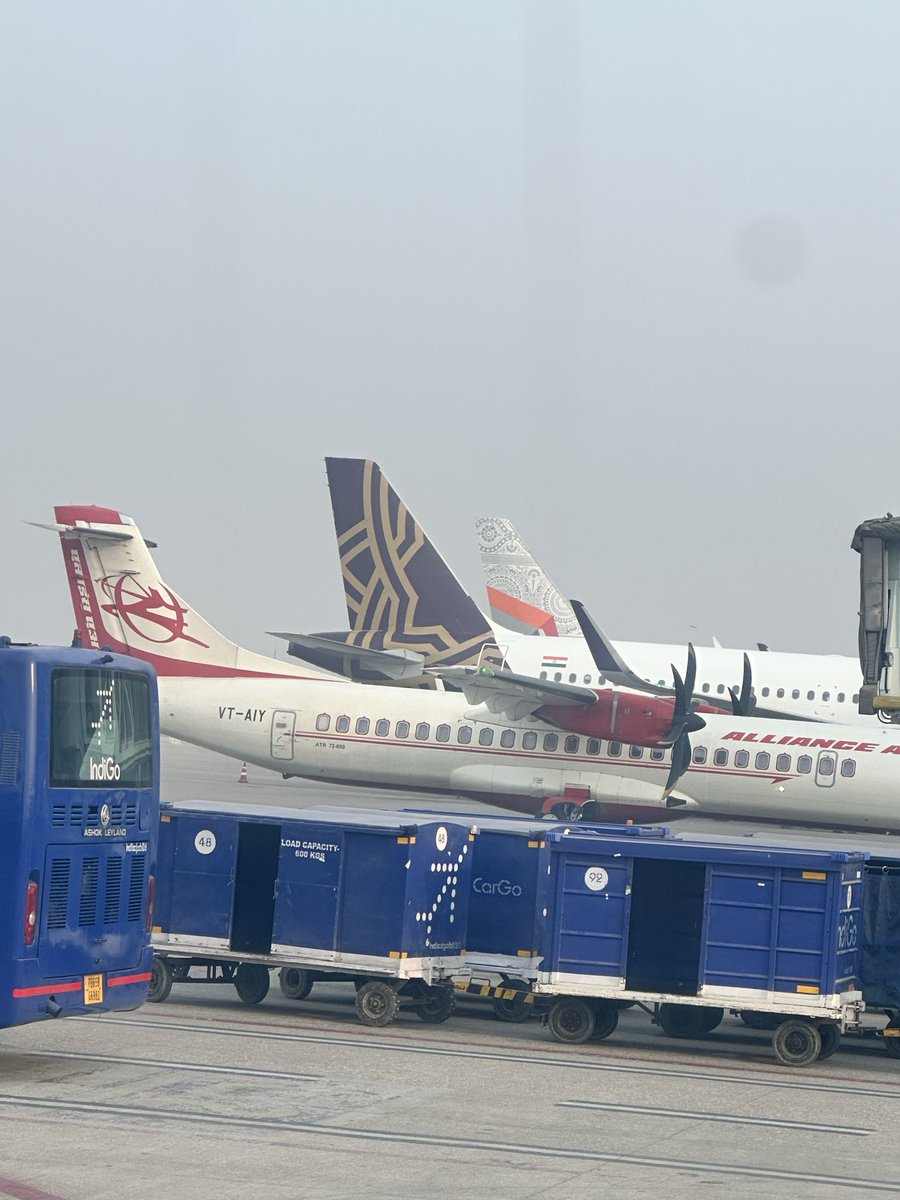
This photo is dramatic in so many ways.
All three tails were once a separate Airline but now they are two entity and the airline whose ground equipment is in foreground is market leader.
Aliance Air is a insignificant now and Vistara and Air India are still many years away from being a serious contender to the Big Blue
Picture credit -Me
English
@TheSanjivKapoor This looks like a doctor trying to chalk and talk an EFATO.
English

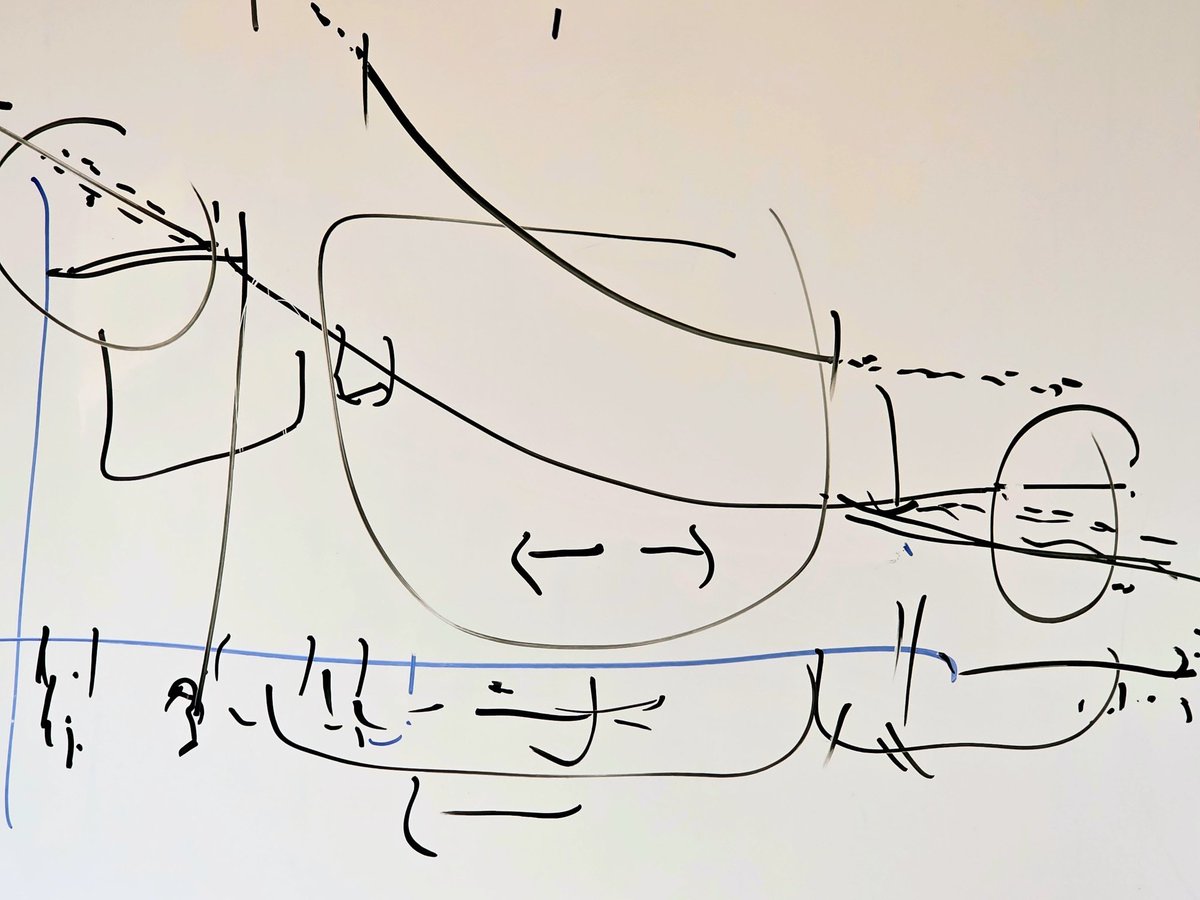
All you #avgeeks out there... airline management involves a lot of mathematical concepts. Anyone care to guess what these curves on my whiteboard depict?
English
English

👨🏻✈️Jetsmart🇵🇪A320👇
🎥 youtu.be/J7IuF9wEW0E 👈
✈️ Short runway at Cajamarca
#pilot #aviation #avgeek #Peru @VuelaJetSMART @Airbus

YouTube
English
Being a pilot based out of BOM requires you to be exceptionally patient with nerves of steel 😬.
Delays,holding,crawling around,waiting,weather,extreme ATC,slot this TSAT that blah blah…
All this after living in humid heat, broken/expensive everything and a 10x12 master bedroom 👨🏻✈️ #Mumbai #Pilot
GIF
English
@tweetpratikm Something about that letter tells me this kid is going to be the next Joker.
English

Early morning Pull out on a Sunday morning and then a pax hands you this note!! 🫶🤌

English
@trend_nosig I've been using the Blue Pmp OVRD pb for years to get the slats to retract faster....thanks for finally showing it to me in the book. 🤭
English
Most people are of the opinion that post engine shutdown, retraction of slats/flaps just requires the activation of the yellow electric pump.
This is incorrect.
The correct procedure can be found in FCOM-SUPP PROC-ADVERSE WX-OPERATIONS ON CONTAMINATED AIRPORTS

The Joker@trend_nosig
After landing with OAT >30° C, @Airbus recommends that the Flaps be retracted to CONF 1. On ground, hot wx conditions may cause overheating to be detected around the bleed ducts in the wings, resulting in AIR L(R) WING LEAK alert. Such warnings may be avoided in transit by keeping the slats in CONF 1. However, on the CEOs, be aware that the SLATS/FLAPS should be retracted before all the ADIRS are set to OFF simultaneously. This is to be strictly adhered to in order to avoid damage on the Rudder Travel Limit Unit (RTLU). This RTLU issue is not there on the NEO.
English
When an engine begins to Stall on an Airbus A320, the immediate action is to 👨🏻✈️ #Pilot #pilotlife #Airbus #SafetyFirst
English
@tweetpratikm @airindia Can't wait for you to fly the 'classic' A321s
English


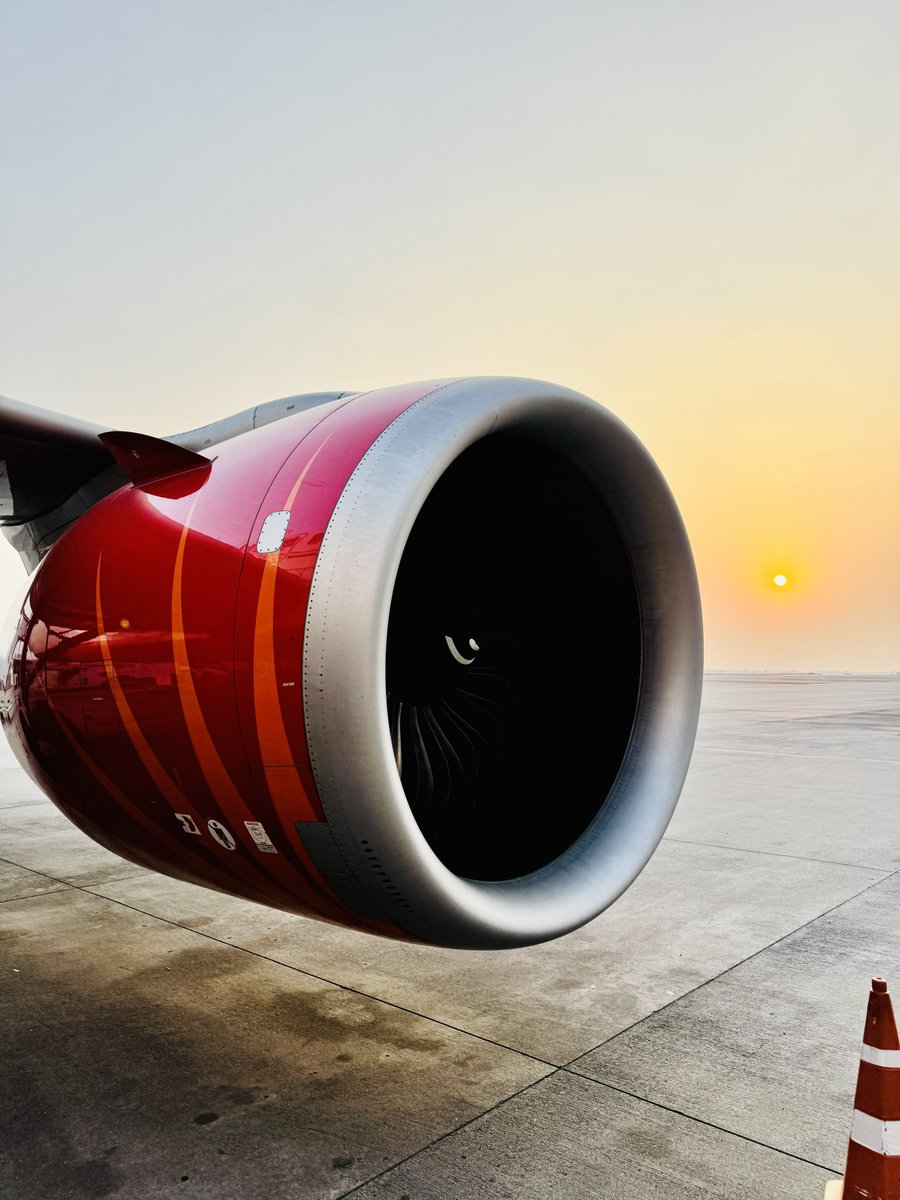

@tweetpratikm The new ID makes you look more...sarkari already 👌🏾
English
@troubledtrainee Arre RT peh ho bhaiya...araam se pyar se..
हिन्दी
@trend_nosig Thankfully those grannies have been long retired 🙏🏽
English
@trend_nosig I just blast Slayer's Silent Scream on my earpods until I accept take off clearance.
English
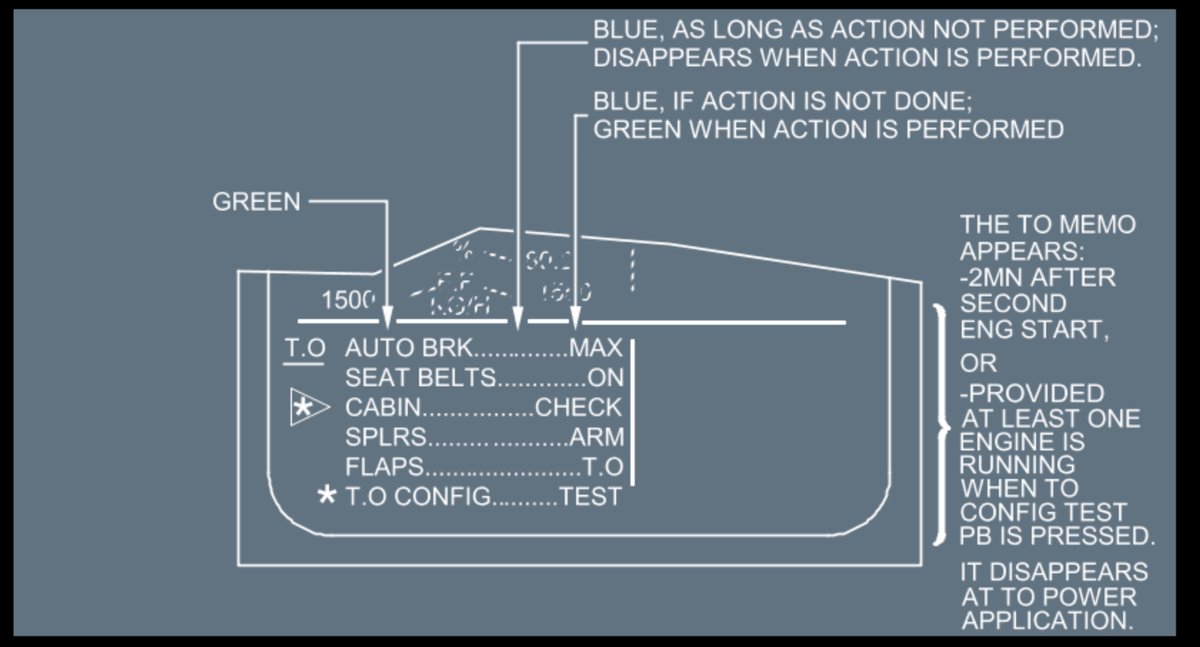
Forgot to start the timer⏰ post startup to check for thermal stabilisation on your A320?
The 'TO Memo' appears 2 mins after the last ENG start.
Once you see it, start the timer and time for another min for e.g if running the LEAP 1A, it needs 3 mins for thermal stabilisation.
English