置顶推文

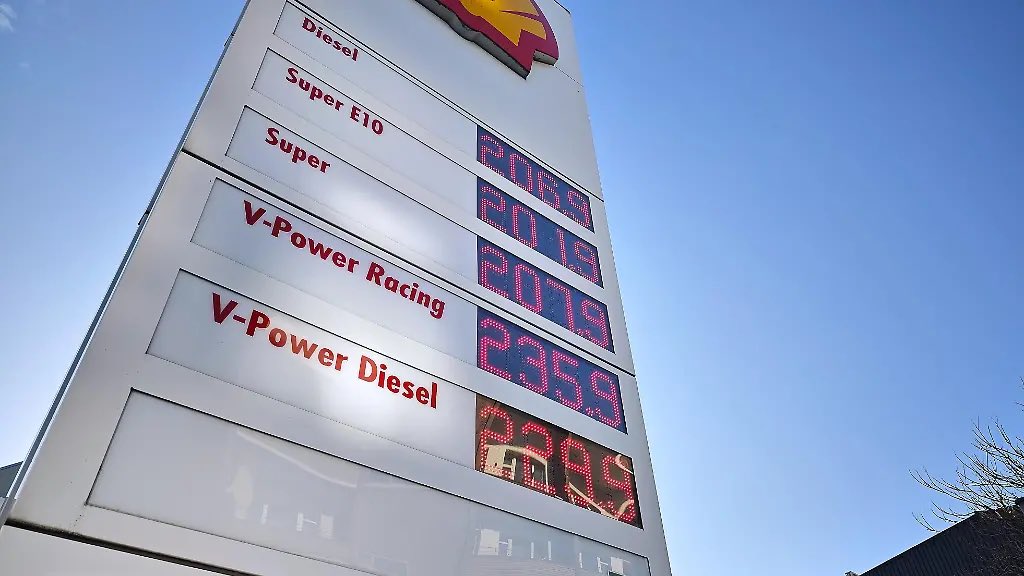
Gas prices in Germany just jumped ~40 cents to around €2.00 per liter (diesel even over €2.05 according to ADAC today), and it’s basically the Iran-Israel-US war doing the damage.
Why so fast and painful? The Strait of Hormuz is the choke point—about 20% of global oil (15-20 million barrels/day) flows through this narrow strip between Iran and Oman. After US/Israeli pre-emptive strikes killed Khamenei, hit leadership/Natanz/etc., Iran retaliated hard: threats to torch ships, attacks on tankers, electronic jamming, insurance pulled, traffic basically frozen or crawling. Ships are avoiding it, some got hit, Saudi/Qatar facilities shut or damaged.
Result: Brent crude spiked 7-13% in days, briefly over $82-85/barrel (highest since early 2025), settling around $81-83 now. Oil futures react instantly, refiners pay more upfront, and pump prices follow within hours/days (even though physical crude takes weeks to turn into gas).
Germany gets slammed extra because:
• We import almost everything—no big shale cushion like the US.
• Heavy taxes on fuel mean small crude jumps = big cent increases at the pump.
• European natural gas (TTF) exploded 40%+ too from LNG reroute fears and panic.
• Spring driving season kicking in + general energy shock = perfect storm.
If Hormuz stays messed up long-term (more strikes, no quick escorts/resolution), analysts say oil could push $100+, and €2 could feel cheap soon with knock-on inflation everywhere (food, transport, heating). Short blip? Prices might ease after a week or two. Prolonged? We’re looking at sustained pain.
Frustrating that a war halfway around the world jacks up our fill-ups, but that’s how interconnected global energy is. Combine trips, maybe carpool..hope this de-escalates fast. 😩
English