تغريدة مثبتة

Orven Web3
12K posts







Most people look at yield and ask one question "How much?". I think a better question is "Where does it come from?" That's where many DeFi products struggle. A lot of yields depend on emissions, incentives, or taking directional market bets. The returns can look attractive during good times, but they often become difficult to sustain when conditions change. Proposal 39 from @PikuFinance takes a different approach. Instead of increasing exposure to market speculation, it expands USP's backing with two market-neutral vaults designed to capture inefficiencies that already exist in financial markets. 🔹 The Morini StockMarketTRBasisTrade Vault focuses on pricing differences between Turkish equities and their futures contracts. 🔹 The Morini FXArbUSDTRY Vault focuses on spreads between USD/TRY markets across crypto venues and traditional banking infrastructure. The interesting part? Neither strategy depends on predicting whether markets go up or down. The objective is to generate returns from arbitrage opportunities while maintaining hedged exposure. That matters because one of the biggest challenges in DeFi isn't finding yield. It's finding yield that can be explained. Yield that comes from identifiable market activity. Yield that can be backed by transparent structures. If approved, Proposal 39 would strengthen USP's exposure to regulated, market-neutral strategies while improving transparency through on-chain vault infrastructure. Less dependence on market direction. More focus on process. More focus on where the yield actually comes from. And in my view, that's a conversation worth paying attention to. Cast your vote now:-snapshot.box/#/s:pikudao.et… #Piku #PIKU #DeFi #Yield #RWA #Crypto #USP @PikuFinance









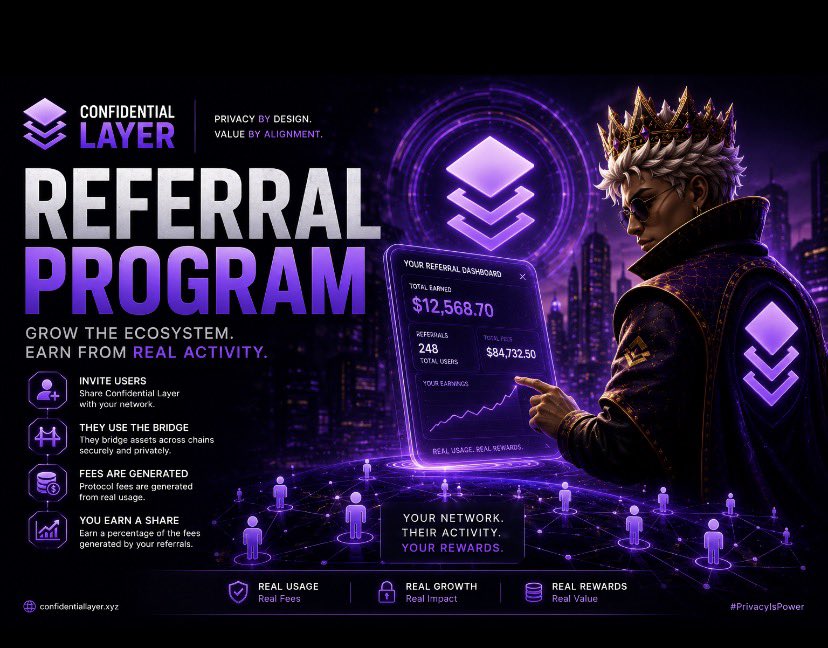
Creator Program & Ecosystem Growth While researching deeper into @ConfidentialLyr’s 2026 roadmap, another section that caught my attention was the upcoming Creator Program. Most crypto projects focus only on infrastructure and marketing separately. @ConfidentialLyr appears to be connecting both. According to the roadmap, creators and community contributors who consistently bring visibility, education, and value to the ecosystem will eventually be rewarded through a dedicated program. That matters more than many people realize. Strong ecosystems are not built only by developers. They’re also built by: • educators • researchers • content creators • community builders • translators • long-term advocates Especially in privacy infrastructure, education becomes extremely important because many users still don’t fully understand: • cross-chain privacy • confidential assets • private bridging • on-chain exposure risks The more understandable the technology becomes, the easier adoption grows. From my perspective, this roadmap point shows that @ConfidentialLyr understands the importance of community-driven expansion, not just protocol development. And honestly, rewarding contributors who consistently help grow awareness is a healthier approach than relying purely on short-term hype campaigns. The interesting part now is how the program will eventually be structured: • activity-based rewards? • referral metrics? • educational contributions? • ecosystem impact? Still researching deeper into how this may evolve as more official details are released. Next roadmap breakdown: Referral Program: one of the clearest adoption mechanisms inside the entire ecosystem.






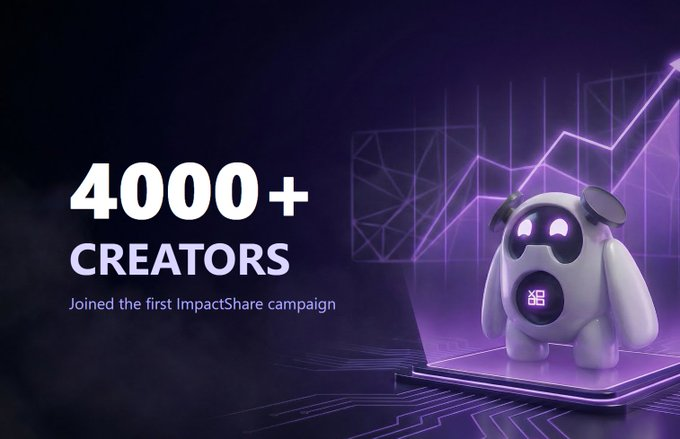
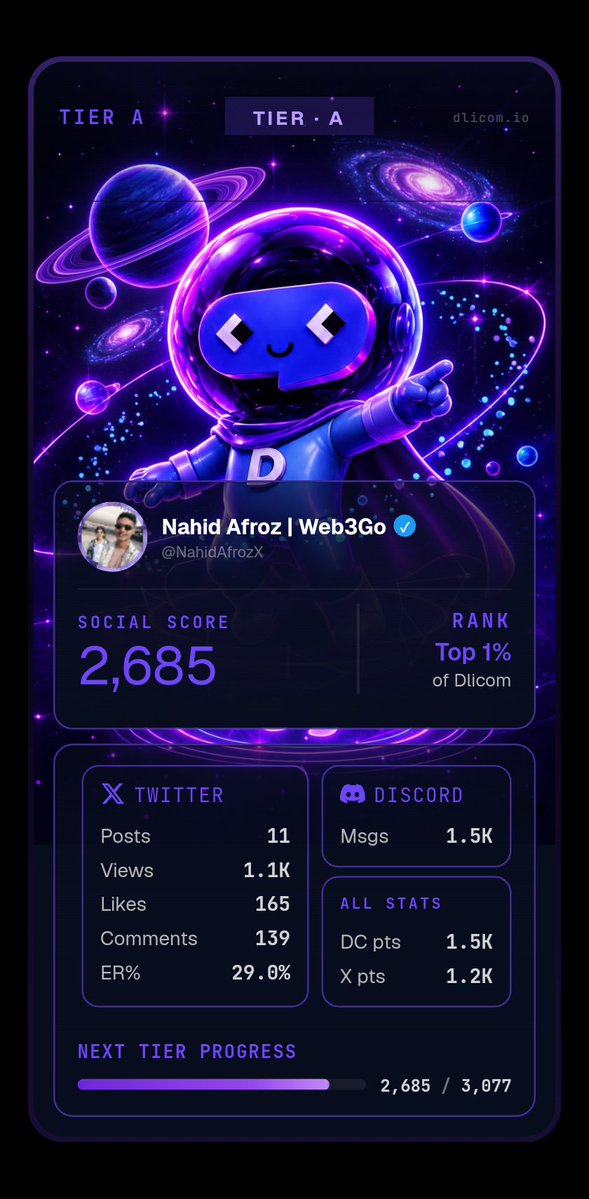
Three different projects. Three different problems being tackled. @XOOBNetwork is focused on creator contribution and measurable impact. The direction feels bigger than simple posting mechanics. → creator-driven growth → transparent participation systems → rewards tied to sustained contribution → infrastructure built beyond short-term attention cycles Then there’s @sleepagotchi approaching wellness from another angle. Turning sleep into a more interactive layer built around: → routines → consistency → AI-powered wellness guidance → progression linked to daily behavior Not just tracking habits building around them. And on the execution side, @TheARCTERMINAL is working on simplifying fragmented Web3 operations. → unified multichain workspace → analytics + portfolio visibility → autonomous execution tools → non-custodial control remaining with the user Different sectors. But a similar pattern appears underneath. XOOB explores impact systems. Sleepagotchi explores behavior systems. ARC explores control systems. All three are pushing toward environments that are more connected, measurable, and practical for long-term users.