Timothy D Ayars🐈‍⬛

74.6K posts

Timothy D Ayars🐈‍⬛ banner
Timothy D Ayars🐈‍⬛

Timothy D Ayars🐈‍⬛

@ayars_d

I read a lot and think a lot.

انضم Ocak 2019
2.5K يتبع1.2K المتابعون
Timothy D Ayars🐈‍⬛ أُعيد تغريده
Jarret Keene
Jarret Keene@KeeneJarret·
I’m signing books at Copper Cat in Henderson, Nevada this Saturday. Come visit a fantastic bookshop and say hello!
Jarret Keene tweet media
English
0
2
15
114
Timothy D Ayars🐈‍⬛ أُعيد تغريده
Atlas Tales
Atlas Tales@AtlasTales·
Stories: It's Waiting for Me!; The Invisible Woman; The Third Ear; The Secret of the Strange Stone; +3 more. Journey Into Mystery #43 (1957). Story creators: Jay Scott Pike (pencils and inks), Syd Shores (pencils), Matt Baker (inks),... atlastales.com/issue/1271
Atlas Tales tweet media
English
0
5
11
114
Timothy D Ayars🐈‍⬛ أُعيد تغريده
derek guy
derek guy@dieworkwear·
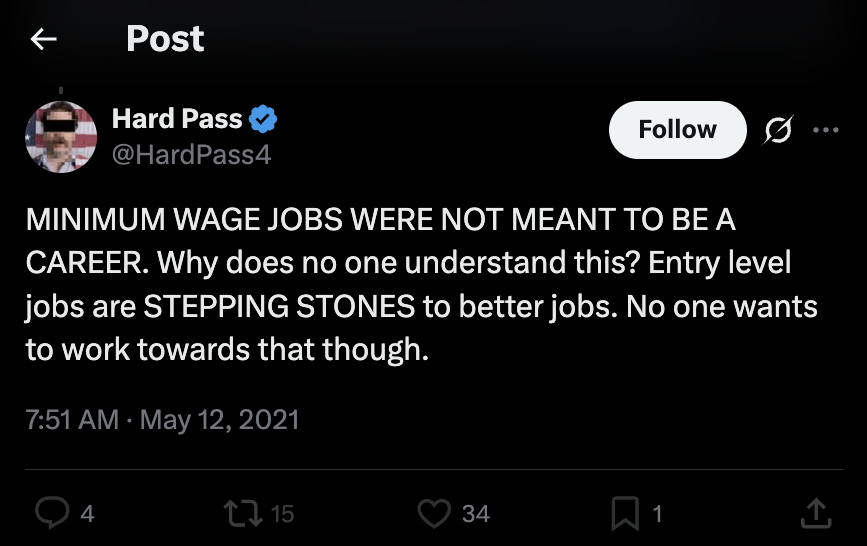
No, I don't think the average US consumer will pay 150% more for MiUSA goods. A few things: First, consumers are practical. They will not pay more just because something was made in the US, but they may pay more if the upcharge comes with an increase in quality. There's no reason to believe that MiUSA clothing is inherently better than clothing made abroad. In fact, sometimes it's worse. Second, you can look around you. Look at the vociferous MAGA influencers who criticize corporations for offshoring their manufacturing, while at the same time getting their merch made abroad. They could get their merch made right here in the US from fiber to finish — it literally only takes a few clicks of a button — but they won't. I know because I've offered my services to help them reshore their manufacturing, and not a single one has accepted. Third, look at consumers. Consumers don't want to pay a lot of money for clothes because Western society has long discounted the cultural significance of clothing. Fashion is commonly considered too vain, too mercantile, and too superficial. Just look at how many people loudly posture about how much they either dislike or don't care about clothes. This is a form of virtue signaling to show that you're smarter and more substantive than other people. Thus, it's unreasonable to expect this sort of person to pay a lot of money for clothes — they take pride in not valuing them. If you want to reinvigorate US garment manufacturing, you can't envision a future in which thousands of Americans make crappy t-shirts and jeans that eventually retail for $25 and $75, with such items sold to US consumers who are likely to be bitter about having fewer options and higher prices. This is not a sensible strategy for either employment or wage growth, as those jobs will eventually be replaced by robots anyway. IMO, you'd be better off moving upstream into luxury goods and exporting them to the global market. Just as the average Italian doesn't wear luxury Italian suits and the average French person doesn't carry saddle-stitched bags, you don't have to count on Americans wearing Alden shoes and Rochester Tailored Clothing suits. Instead, you can access the larger global market. This strategy protects the worker. We already live in a world where a machine can pad-stitch a suit. Whether this industrially produced garment is up to snuff to benchmade tailoring is up for debate, but no one can argue that the average consumer can tell the difference between machine and handwork. Yet, those who have the means are willing to pay for the handwork. Why? Because at that tier of clothing, handwork adds a sense of romance — human labor adds something that a machine can never replace. This higher-skilled work also comes with higher wage growth. The US doesn't have an employment problem; it has a wage growth problem. Instead of erecting tariffs that increase the cost of European leathers, British and Italian wools, and Mongolian cashmere (inputs we need to make high-quality clothes), you can tax the rich and use the money to train Americans in crafts-based, high-end luxury sectors. Then you can export these goods to the global market. But doing so requires government spending (in training and education), lower trade barriers (so you can access other markets and get cheaper inputs), and improved relationships with other countries (such as not insulting Canadians, prompting them to boycott our goods). The primary MiUSA customer has always been a fashion customer, not someone buying something out of patriotism. I'm reminded of an interview I did long ago with someone who owned a custom button-up shirt company. He had his shirt manufactured at the Garland factory in North Carolina, which is now unfortunately closed. He recalled standing on the factory floor and watching his shirts roll off the same assembly line as some of Thom Browne's Brooks Brothers Black Fleece shirts, which retailed for about twice his prices. His company primarily served people who said they "love" supporting US manufacturing, but behind the scenes, they were often complainers, time wasters, and people with a high return rate. Meanwhile, the fashion customer thinks nothing of spending $300 for a button-up shirt because it has a fashionable label on it. This is the kind of customer you want to pursue, not the supposed "patriots." The strategy was always doomed from the start because the most vociferous proponents hold all three positions at once: — wants to virtue signal about supporting US manufacturing — is against increasing the minimum wage — buys foreign imports because they're cheap and see thrift as a moral virtue
derek guy tweet mediaderek guy tweet mediaderek guy tweet mediaderek guy tweet media
Ankah@Marcelo10677130

@dieworkwear You don't think the American consumer is willing to pay 150% to support a national industry? I think they are. They are not ready to dish out 400% to 500% which is what you see as soon as move away from tshirts. I don't disagree with the rest.

English
26
105
1.4K
112.6K
Certified Jugger Boy
Certified Jugger Boy@EddieMcstriplin·
Wtf happened with Billy Bat? Did Abrams under print it with low expectations because it's their first foray into Manga? Does America just have Urusawa Fever? Why does no one have it?
English
2
0
8
403
Crazy ass moments in DC history 🏳️‍🌈
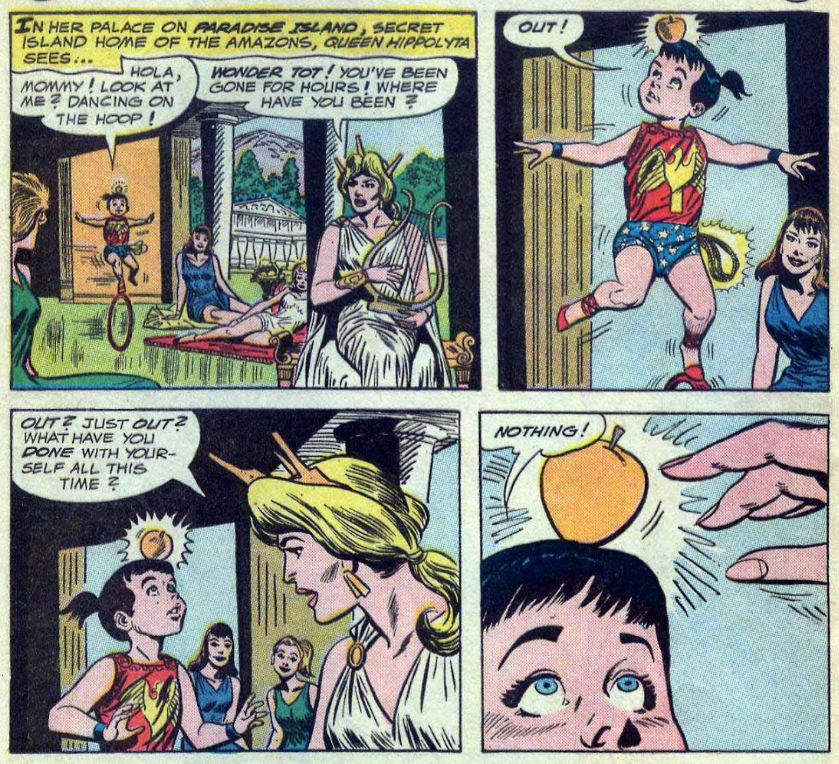
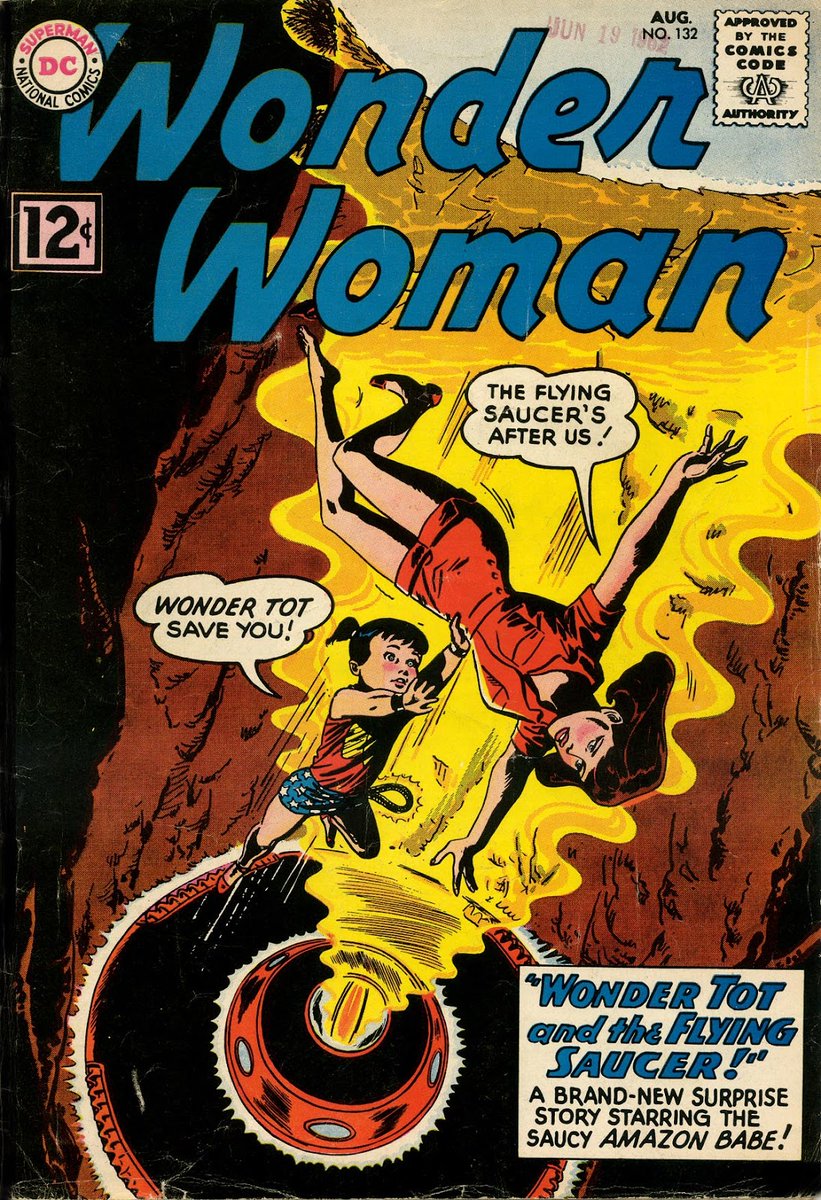
Back when Wonder Girl was just a time-displaced teen Wonder Woman, there was also a time-displaced toddler Wonder Woman known as "Wonder Tot" (1961-1965).
Crazy ass moments in DC history 🏳️‍🌈 tweet mediaCrazy ass moments in DC history 🏳️‍🌈 tweet mediaCrazy ass moments in DC history 🏳️‍🌈 tweet mediaCrazy ass moments in DC history 🏳️‍🌈 tweet media
English
4
18
127
4.7K
Ken Gardner
Ken Gardner@KenGardner11·
I refuse to believe that even Trump has finally had enough with the IRG terrorists. I just can’t.
English
6
4
66
1.8K
Michael Macenas
Michael Macenas@MMacenas·
@BackintheBronze I loved the heck out of Pulp Magazine inspired bad guy Copperhead. Killed off after only a couple issues?
Michael Macenas tweet media
English
2
0
5
62
BackintheBronzeAge
BackintheBronzeAge@BackintheBronze·
Are there villains from Daredevil's past that you'd like to see return as major comic threats? Have Kingpin, Bullseye, the Hand, & Muse step aside and let the Silver & early Bronze Age threats like Cobra, Mr. Hyde, Gladiator, Beetle, Jester, Death's Head take new shots! Thoughts?
BackintheBronzeAge tweet mediaBackintheBronzeAge tweet mediaBackintheBronzeAge tweet mediaBackintheBronzeAge tweet media
English
16
10
151
3.3K
Timothy Imholt
Timothy Imholt@TimothyImholt·
So far everyone has survived. Seems like it will be a happy ending.
Timothy Imholt tweet mediaTimothy Imholt tweet media
English
10
1
50
714
MyComicShop
MyComicShop@mycomicshop·
Captain Marvel becomes a hwat???
MyComicShop tweet media
English
2
0
2
119
AWWarts
AWWarts@AwWarts·
Nick Cardy 1962 Aquaman no 6 #comics
AWWarts tweet media
English
1
2
7
91
BCKOMIX
BCKOMIX@bckomix·
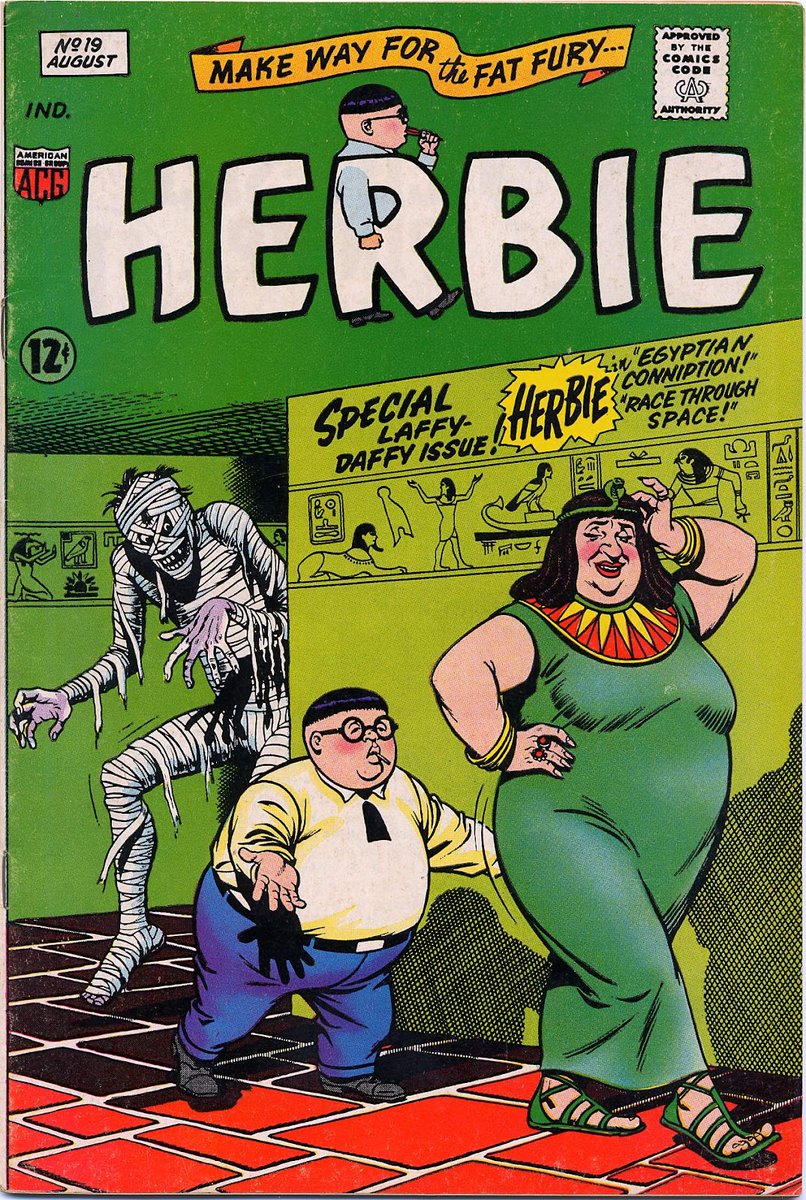
Kurt Schaffenberger Herbie #19 (1964) "LAFFY DAFFY issue!" with rizzlin' Herbie, slab it!
BCKOMIX tweet media
English
3
26
149
2.3K
Timothy D Ayars🐈‍⬛ أُعيد تغريده
Donal DeLay
Donal DeLay@DonalTDeLay·
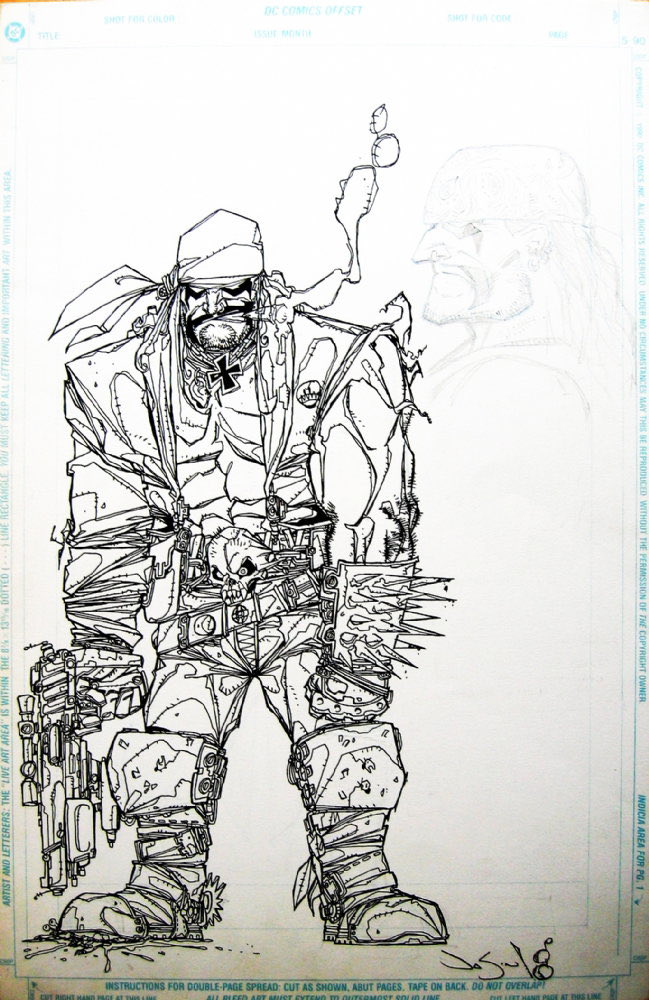
Jason Pearson drawn Lobo inked by Keith Giffen. So rad.
Donal DeLay tweet media
English
1
11
93
1K