
Lisa Sy 🦋
7.4K posts

Lisa Sy 🦋
@lisasy
product designer at coinbase illustrator and artist based in southern california
Los Angeles, CA انضم Mayıs 2008
1.2K يتبع1.6K المتابعون
After an amazing 4.5+ years, I wrapped up my time at Coinbase late last year to work on something new (more on that below).
I learned more than I could have asked for across two bull markets and a bear market building teams at Coinbase and remain as inspired as I was on day 1 (in the shadow of a global pandemic, no less) to increase economic freedom in the world through the blockchain and I'm thrilled to cheer from the sidelines as the team continues to pursue that vision.
To the entire Coinbase team, especially @maxbranzburg and @brian_armstrong: thank you for showing me what a strong mission and vision can do to shape a company. And for trusting me to help be a part of that.
Coinbase Design & Research remains one of the most inquisitive and low ego teams building world class experiences. It was an honor to be in the trenches with them. And they're hiring.
As to what’s next: I'm taking some time to get a fresh perspective on what I see was one of the most dynamic times in our industry. The way we build is changing. What we build is changing. And it couldn't be more exciting.
I hope to start something of my own after taking some time to recharge. I think we need more design founders and look forward to taking that leap myself. Stay tuned.
English
@jenny_wen @AnthropicAI Congrats Jenny! They're super lucky to have you
English

✌️i joined @AnthropicAI recently to help lead design for our friend, claude.ai.
i'm also returning to IC! i believe that design leadership in this era demands us to be excellent at crafting products *and* teams. i love embracing this fluidity.
English


@kyliebytes Listening to "Kids" at @wesleyan_u 's 2009 orientation was a canon event.
English

the kids are on tiktok romanticizing MGMT and being a college student in 2006, just thought i'd let yall know
English

all ex-meta designers either die and become a woodworker/blacksmith/reviver of obscure archival fashion or live long enough to go back to meta
English
The only "golden arches" without the iconic gold color are in Sedona, AZ.
Local officials in the '90s required the change to preserve the town's aesthetic and complement the natural beauty of the red rocks.

English

Realized at the eleventh hour that we could add a transom window (to bright hallway) to my windowless bathroom reno, colossal W

English
@zackrosebrugh Incredible! I really love seeing the textures and can feel the brush stroke
English

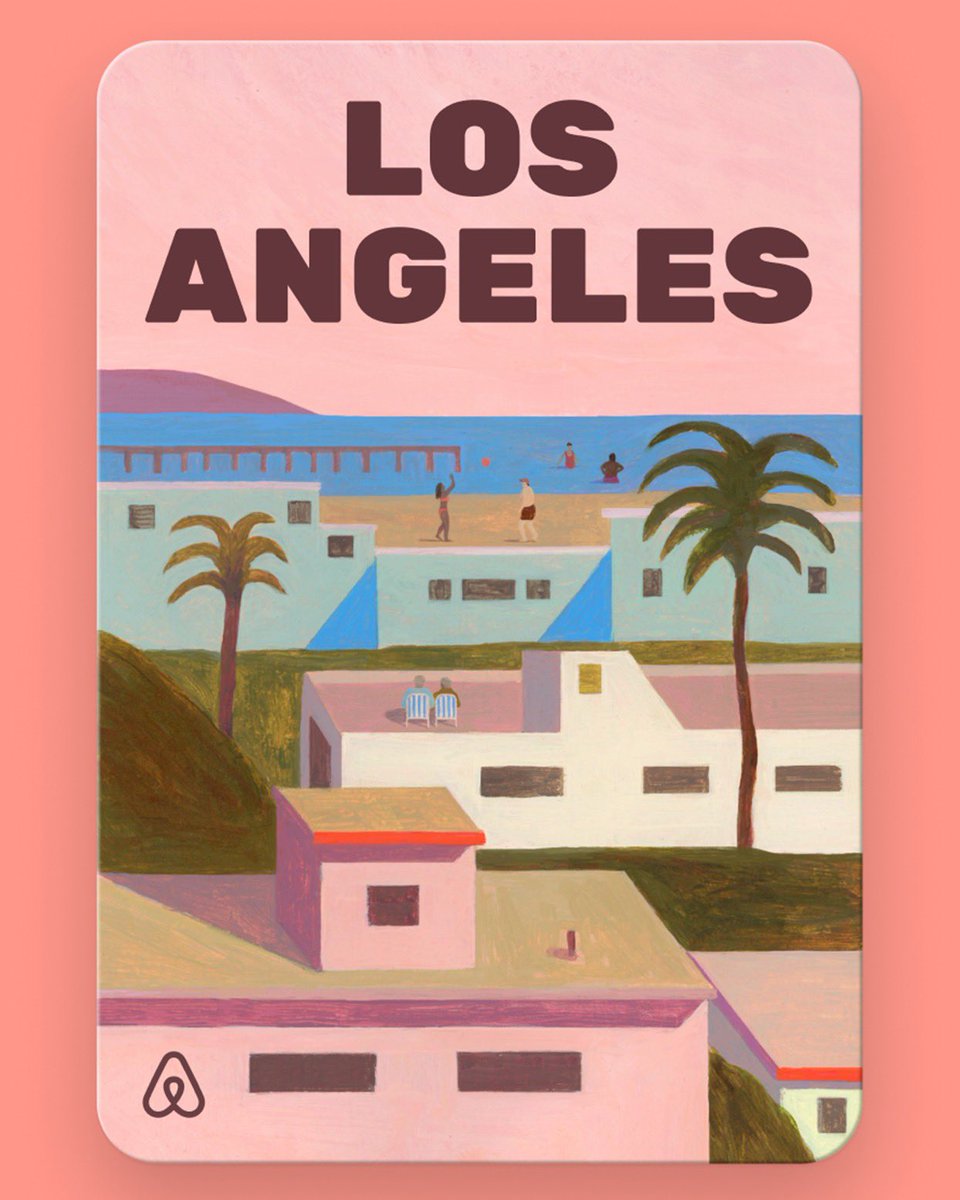
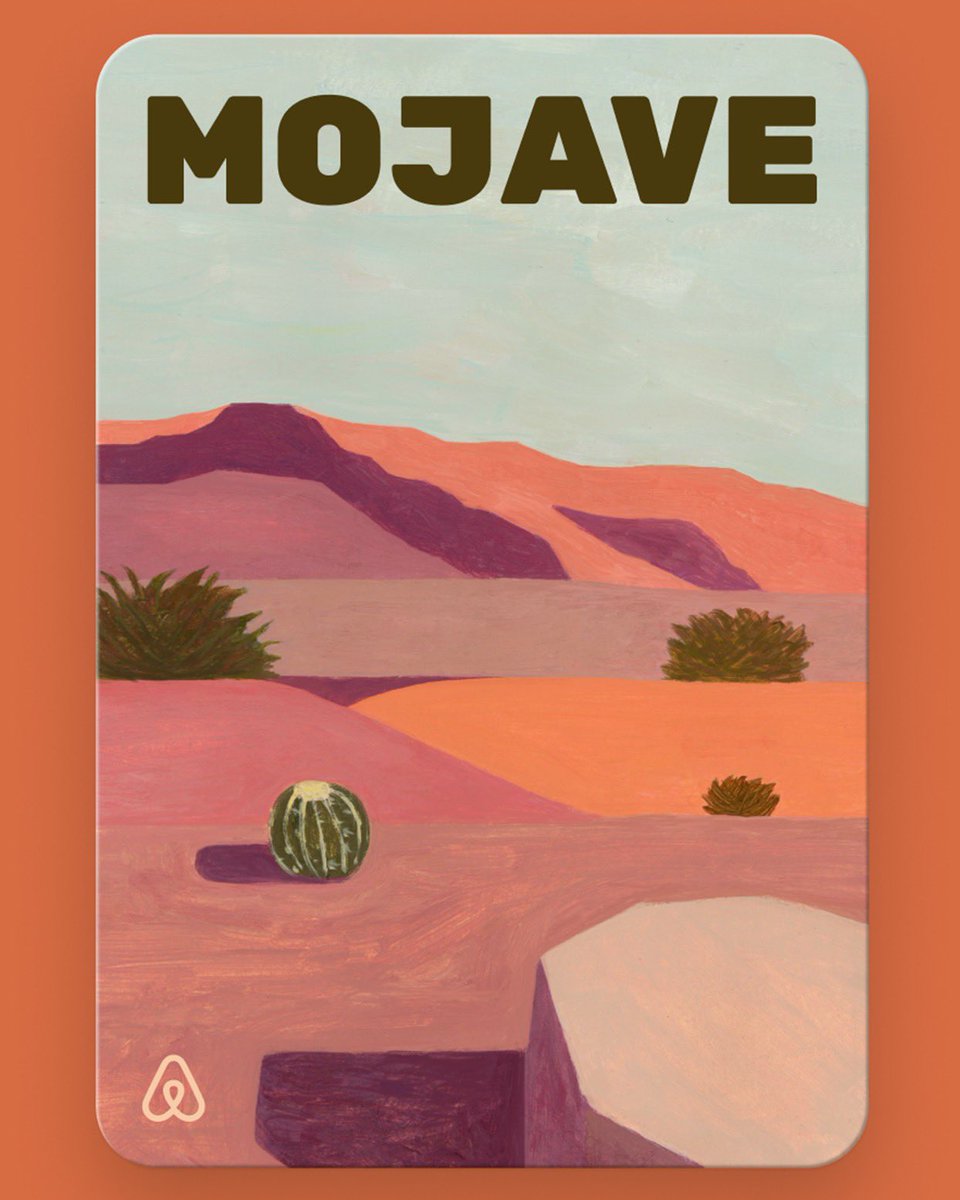
@lisasy Painted on paper, scanned, then cleaned up/tweaked in photoshop 👍
English
Two small paintings I did for Airbnb. You might even see them in the app
English
@ericeriksson I'd like that Eric :)!
I'm focused on building little side apps to get into the flow of starting, building, and getting things out with React. Please send away!
English

Is there any prototyping tool that can handle well transitions with background blur and shadows?
(except SwiftUI...)
English

Having used Meta Quest 3, past Quest devices, and other VR headsets… After trying on Apple Vision Pro this morning, here’s how I compare the two:
If Apple Vision Pro is like the 2007 iPhone, then the Meta Quest 3 currently feels like the 2007 LG Prada or the Droid phone.

English
Lisa Sy 🦋 أُعيد تغريده
Hey folks, it’s rare for me to post about work these days but for the first time in a few years we have an opening for a new client at the end of Q1.
My design partner, @justinrgraham, and I specialize in solving unique and high leverage design problems. Our studio is results focused and obsessive over quality. We strive to be the design partners we wish we had as founders.
Highlights from the past few years:
→ Redesigned user onboarding for Top 100 mobile app that directly attributed for adding $7M+ of ARR.
→ Managed design of content products (blog, edu, NUX) for Fortune 500 company that led to 40% improvement of new user acquisition.
→ Led design team of first generation hardware product featured at Apple retail stores.
→ Founded and developed the B2B product for a $10B+ consumer company.
→ Created a newsletter and educational product with 400K+ subscribers.
→ Responsible for the first revenue generating product at a Series-B stage start up.
Looking for similar results? Book a call here calendar.google.com/calendar/u/0/a…
English

In 2021, I was depressed, living with my parents and 0 income.
One day, I saw a tweet from @levelsio:
A guy building startups with a laptop and no employee — Freedom.
I took the plunge, moved to Bali, and shipped like a madman.
I showed up every day, even when I didn't feel like it.
2 years later, I'm making $50K/month with my 20 products.
Today, I was awarded @ProductHunt Maker of the Year 2023 — just like my idols when I got started.
Go fucking do it.

English
Lisa Sy 🦋 أُعيد تغريده

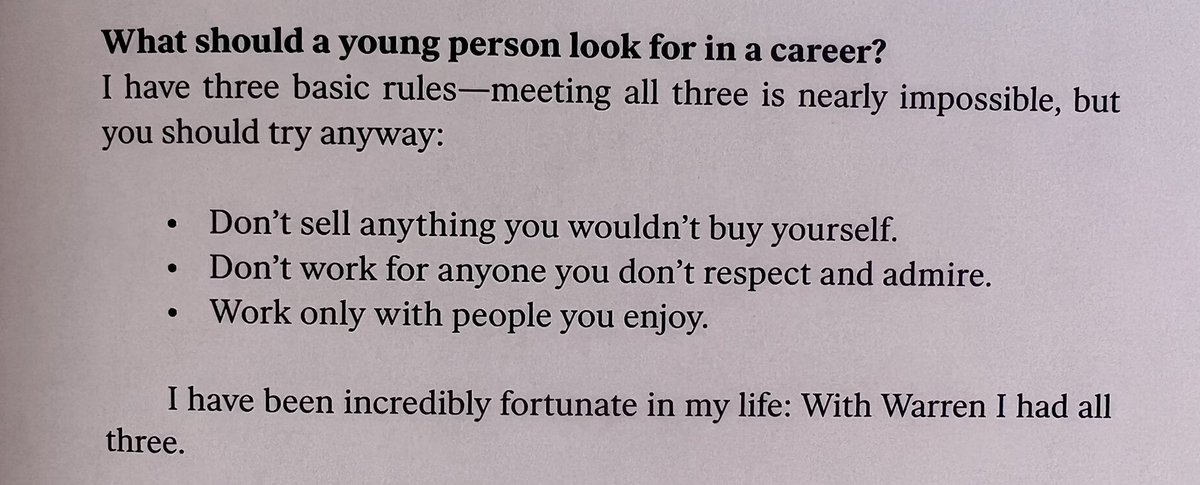
Good worldly wisdom from Charlie Munger. I’ve generally never had problems finding (1) and have left companies because of (2) and (3).
English
Lisa Sy 🦋 أُعيد تغريده

Seeking product market fit isn’t a fine art; it’s wielding a blunt instrument to strike gold.
Part of my concern about some of the more academic takes on the practice of product management are that they almost make building great products feel like an inevitability. Smart people who do smart things the right way are told: if you do this, it will work.
And it’s not just frameworks or the academic side of the industry, it’s the startup lore and revisionist history that create this belief that you can pattern match how company A, B, or C did things you, too, could be as great as company A, B, or C.
But I’ve been a PM. And a founder. And a director. And at the C-level. Two decades of my career dedicated to trying to build great things—by myself or through a team.
And my gut (yes that second brain where all my startup trauma lives) continues to tell me:
Building something 0 > 1 is about 3 simple things, and those things only:
1. Finding the right problem
2. Solving it marginally well
3. Enough so you get paid
Early PMF feels so…stupid. It’s that: “wait—you’ll use this even though it barely works?” feeling. And it’s usually not about what or how exactly that thing works, but rather, #1 above: did you find the right problem?
(Note: I’m putting aside market opportunity, and identifying venture scalable problems, and all that jazz and focusing exclusively on building things people want, use, and pay for.)
And what I sometimes see is folks spend a lot of time on how they’ll solve the problem, to the detriment of being bold in the problem-to-be-solved side of things. I’ve been guilty of this: being so personally convinced a problem needs solving that I bang my builder head against the wrong thing, too long.
Now what’s interesting imo is that as soon as you strike down with that PMF pick and oil starts to flow (what metaphor should I use here?) then you very quickly have to scaffold structured PM mechanics on maximizing and expanding the opportunity. Though I might argue: vibes and hustle mode can and should last much longer than you think.
And the best of the best can do it all:
- brute force problem seeking
- hacky scrappy proto-building
- structured, analytical product scaling
- as ICs or as leaders of teams
But too many folks are trained exclusively on the 2nd half of that stack, and may not have the experience to grok the difference between a cleanly solvable optimization problem and a messy PMF issue. Not only do the frameworks fail here: they mask core problems by distracting with activity.
So my advice to both rising PMs and ambitious product leaders is this:
Go off and build something 0 > 1 until you remember how shockingly simple PMF feels.
Talk to users.
Test a landing page.
Ask for money.
Find the problem.
Your job may not give you this opportunity (building features is not going 0 > 1!)—so put down the non fiction books and go pick up some code.
Tune that second brain in your tummy—not on data analysis or sensible user stories or a spreadsheet of prioritized hypotheses—but on the direct hit of building something and vulnerably asking: will you buy this?
Remind yourself of how simple it can be.
English