
Five years in the making…
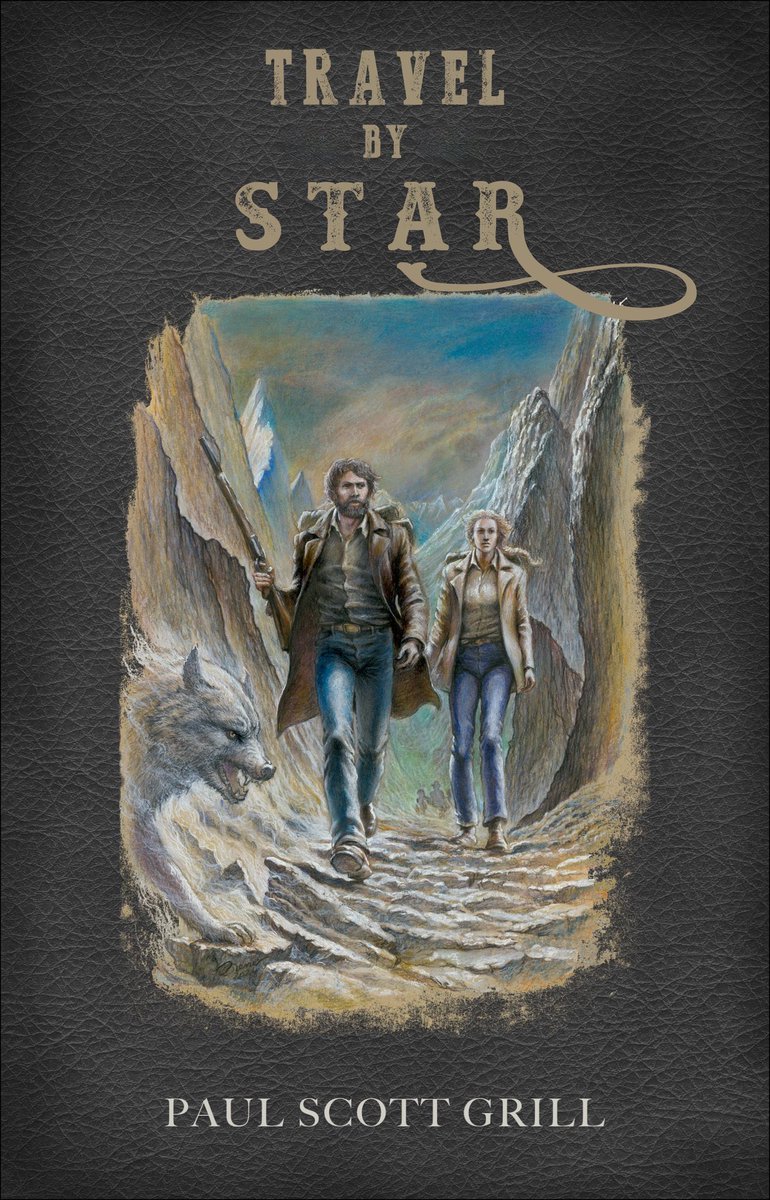
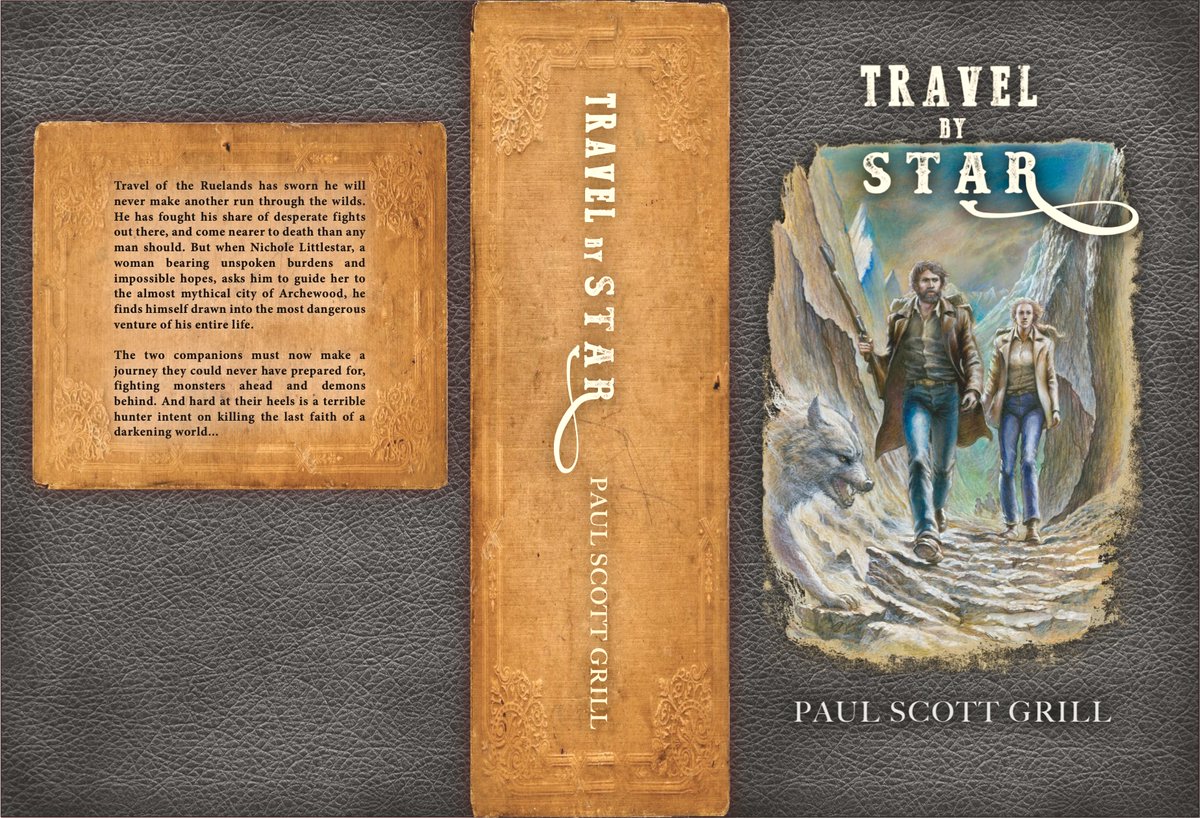
I am excited to announce my first novel, "Travel By Star" is available today in paperback (details in the replies).
Inspired by the works of C.S. Lewis and Louis L'Amour, it is a story of fallen days and homeward hopes. Of sons adrift, and prodigal daughters.
And what it takes to find the way back.
Many good friends, both in in real life and here on X, have helped bring this book to completion, but I want to especially thank my editor and layout designer @JohnBLeonard for his faithfulness and friendship. A lot of life has passed since we first began. We are finally here, brother.
I also want to thank once more my brilliant cover artist, @BarbaraBrendt. She showed me what these characters could be. More than that, she believed in me. I am forever grateful for her talent and her kindness.
I only wish I could write faster so that I might be able to work with both of them again.
Sincere thanks, as well, go out to @HeidiAHill1 and @KingAriPress. They were among my first writer friends in the world of social media and I was blessed to happen upon such steadfast encouragers.
To everyone else who has befriended me here, offering timely advice, or a gentle query, or a friendly jab in the side - and to those of you who gave your time to my short stories - you are deeply appreciated. I hope you enjoy this story (at last). More than anything, I hope you come away from it resolved to fight your own good fight, and to run well, even into the sunset, knowing its light will reach back to draw you on.
Thank you, all, truly. To the City!
A challenge for you—for one week, do not “water the weeds” by engaging any content that is negative, artificial, cruel, or anxious.
Instead, like, watch, read, and share *only* what is beautiful, human, true, and good.
See what happens.
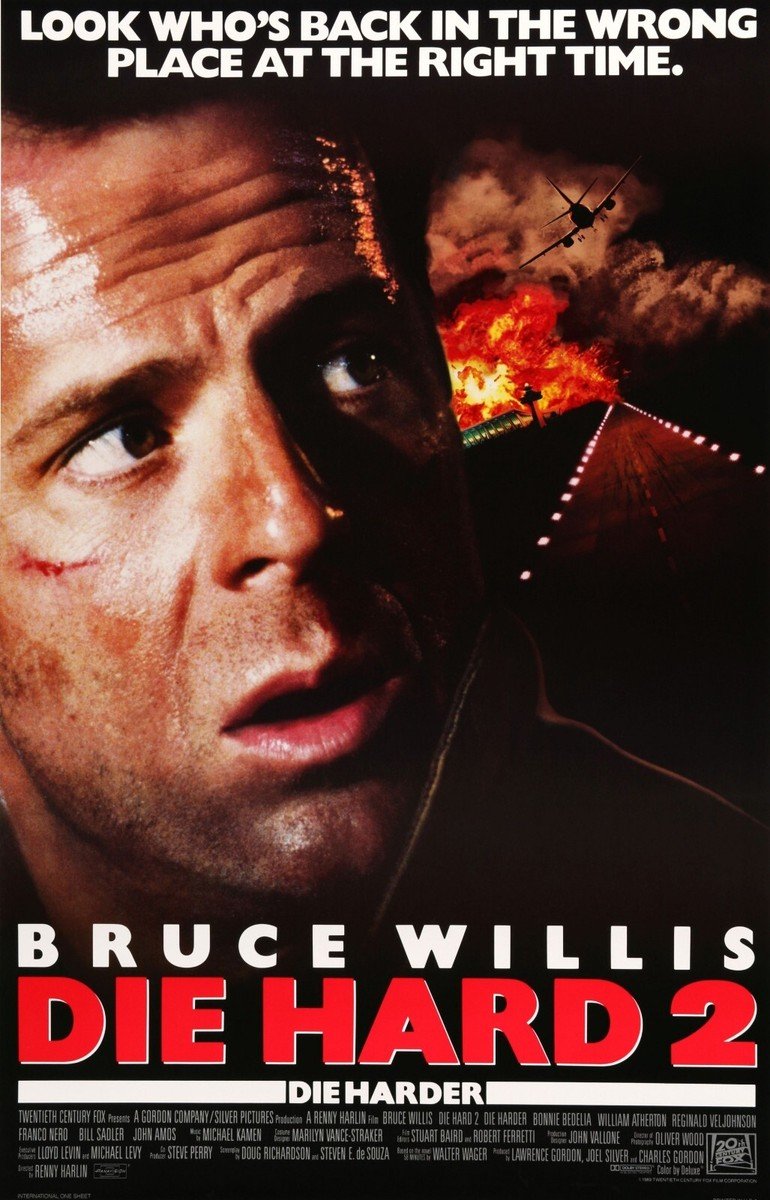
I’m a big fan of Westerns. My debut novel, FIRST BLOOD (Rambo), was inspired by Westerns and my Western novel, LAST REVEILLE, was inspired by Sam Peckinpah’s classic Western movie, THE WILD BUNCH.
davidmorrell.net/books/last-rev…
@plainrunner2 From thr practical standpoint, the only thing I regretted not recording by volume six of After Moses was not having a master character list. I was forgetting a few minor characters by the end.
I'll be keeping a character list this time.
Them: You must have a Lore Bible.
Me: First off, this is an archaeological dig on another world, so watch your step. Second, it’s a treasure hunt with a map that was torn in half during a desperate escape which I only remember in scattered dreams. Third, it’s a Library tour in a city that makes Alexandria look like a malfunctioning smoke alarm. Fourth, it’s an age spanning drama in which I’ve only met a handful of characters, and they’re not always forthcoming. Fifth, it’s a spiraling song whose instruments I’m still learning to play, calling for a voice that is still finding its strength.
Last of all, some of my best inspirations come from tying up seeming contradictions.
This is an adventure, my friend. We’ll get there when we get there, and no, I won’t know where ‘there’ is till it’s written.
But I’d love for you to come along.
@plainrunner2@TheMiddleborne Imagine throwing a fit as your man subdue the emperor of the galaxy who offer a political alliance to seal the deal.
Even without reading the books. She has the political acumen of a cucumber and is a liability to Paul in the movie.
That character as written doesn't work.
I read several Frank Herbert books in high school:
Dune
Dune Messiah
Children of Dune
I wish I'd just stopped with the first one, which had a unique world, political intrigue of warring aristocratic houses (planets), some key words of Arabic, and some philosophical reflection on fate and free will. It also had a hero's journey in a new land, which was fascinating. I suppose it's an example of the cliche, "I'm thirteen and this is deep." But it's a good example. The first two recent Dune films end here.
The second book lacks much of the political intrigue I liked about the first. The philosophy angle was okay, but I didn't feel like I was learning much. The hero's success from "Dune" is inverted, which is the author's perogative but I didn't like reading that.
The third book took a strange turn toward the end over the course of two paragraphs or so. I reread the chapter incase I missed something. The series entered a subgenre of scifi that was quite unlike the first book. I stopped at that point. I've heard that many people stop after that one. I'll bet that the "Dune 3" film combines elements of the "Dune Messiah" and "Children of Dune."
This doesn't specifically address your questions, but that's my take.
Alright, my sci-fi friends (looking at you, @RedHedgedragon, @DavidRoomeAuth, @MichaelFKane, @TheMiddleborne), I have enjoyed the first two Dune movies as such, and I’ll be there for the third. However, I honestly don’t see myself getting to the books any time soon. The reading and writing stack is just too high at the moment.
So, tell me (without too many spoilers), what are the major differences I’m missing out on? Also, I’ve heard rumors that Herbert wrote Messiah to counter the interpretation many fans were coming up with for the first book, so would love to hear more about that. And, lastly, seeing as how most of my sci-fi knowledge extends to Star Wars, what influences and overlaps do you see there?
Go.
So like David I think most of the changes 'work' as well. Chani's changes are the most frustrating for me but maybe not for the same reason as others.
Paul Atreides is a tragic hero. He spends much of Dune trying to avoid a bloody war and ultimately there isn't a route around it. He must embrace and subvert the plans of the Bene-Gesserit witches, become the Fremen messianic figure, and become emperor.
And it is tragic. The Atreides men are the only Good men in the universe. This is evident in how their captains love them rather than fear them in Dune's barbaric feudal society. And Paul is forced to become a tyrant. The alternative is a Bene Geserrit controlled Harkonen Emperor that (to Paul's visions) lead to humanity's eventually extinction.
So he has to become a tyrant. The Chani change is so jarring because she is the only happiness in the book ending. Paul's destiny force him to marry Peincess Irulan, but in the book the final scene is a quiet one between Jessica and Chani where Jessica comforts Chani. Both women were forced to be concubines of political men. Men that loved them dearly but had other obligations.
But Jessica reminds Chani that the princess will lead a cold and lonely life, never to be touched by her husband. She says that history will remember that Jessica and Chani were the real Atreides wives.
And the book ends right there.
The movies ending is much darker and more ominous as result of chani leaving (and I have no idea how they course correct, because all huge part of the plot of Dune Messiah is that Chani has been barren for all across the time jump)
So most of it I think is pretty good. I do think the tone of the ensing is altered substantially though.
Oh boy that could be at least three different essays.
You are missing out on Chani being a supportive partner who believes in Paul, the weirdness of Alia being born with adult consciousness and playing a pivotal part in the conclusion of Part 2, deeper themes of religion and institutional pressure, exploration of prophesy realized and the even more despicable depravity of the Harkonnens. Also a fair bit more ecological details and parallels to contemporaneous Middle-east oil wars.
The claim that Messiah is meant to counter bad reading of Dune is overstated retcon not supported by Herbert’s own words. But Herbert did not completely understand his own work.
Dune is a primary source inspiration for Star Wars with desert planet, pseudo-religious order of magical priests, sword fights + lasers and a messiah 1 generation late all all directly passed through.
@DavidRoomeAuth I’ve heard that, which is why I haven’t taken the plunge. Honestly, I’m a slow and distracted reader as it is, but I feel like the films are pretty accessible without being watered down.
@Doucherson@TheMiddleborne My TBR stack groans at the thought, but I shall never say never. Also, don’t get me wrong… I’m not defending the modern impositions in the films, which, even apart from any book knowledge, seem fairly obvious.
@plainrunner2@TheMiddleborne You should read the books, at least the first 4, they are really good! Movie Chani is VERY different than book Chani. Movie Chani is a cookie cutter "strong female character" we've all seen a zillion times. Book Chani actually had depth and complexity.
@plainrunner2 I’m nearly halfway through my first reading of Travel by Star, and the characters are so easy to get invested in. Several times I’ve found myself half heartbroken, thinking “don’t you DARE let XYZ happen to them!”
It is certainly an adventure, and one I’m thrilled to be part of.
When I was reading The Princess and the Goblin recently, it popped out to me that MacDonald (as the narrator) occasionally throws a little “you might be wondering about X, but the goblins have never told anyone the answer” kind of line in, and that got me to thinking that some of the best stories have that subtly thrown in there. It feels like the author is guiding you through a universe that he knows better than you, but still discovering himself.