

Lydia Brownback
888 posts

Lydia Brownback
@LydiaBrownback
Author, Speaker, Editor. Lover of Jesus, family, friends, and books.
Beigetreten Ocak 2010
91 Folgt766 Follower

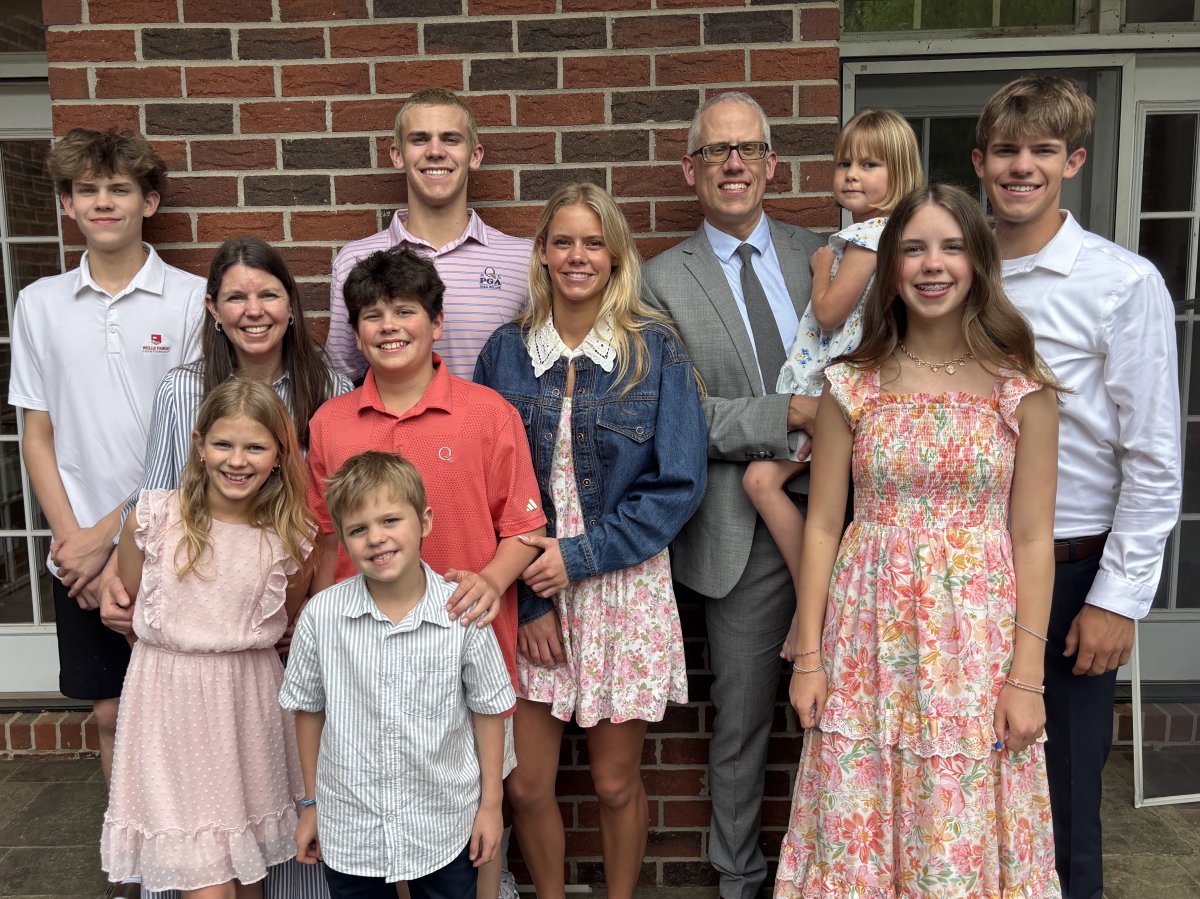
Being a parent is a lot of work. Some years we just tell the kids, “Like the tomb, the Easter baskets are empty.”
English

I thank God for the birth of my first grandchild, son to Sarah Kennedy and Thomas Spurgeon: Charles Harley “Chip” Spurgeon.

English
A first for our family: our oldest son, Ian, got engaged this week. He’s marrying the wonderful Anna Barnes. They are high school sweethearts who have been dating for over four years. The wedding will be in November. We are so proud of Ian and thrilled with his choice!

English
@Digitalliturgy I know a lot of Gen-Xers and Millennials who do too.
English

After 9 days in the hospital, he was finally released.
Chris Cowan@Chris_Cowan
Would appreciate prayers for our son Zachary. He had an emergency appendectomy for a ruptured appendix. The Lord’s providential care was critical. Lots of severe pain over the last few days. He’s had some complications, so he’s having to stay longer in the hospital. Thank you.
English
Would appreciate prayers for our son Zachary. He had an emergency appendectomy for a ruptured appendix. The Lord’s providential care was critical. Lots of severe pain over the last few days. He’s had some complications, so he’s having to stay longer in the hospital. Thank you.
English
Lydia Brownback retweetet

Crossway is hiring a qualified academic book editor.
recruiting2.ultipro.com/CRO1011CRWY/Jo…
English
English

@jeffwindt signing a contract for his commentary on 2 Peter-Jude in the P&R Reformed Expository Series with @RDP4Christ. We'll be on the lookout for this book to be available next year from P&R.
prpbooks.com/series/reforme…
Congratulations Jeff!

English
@Digitalliturgy The anti-boomer rants are so wearying and increasingly trite. Every generation has its strengths and blind spots. We learn both from those who’ve gone before us. And it takes humility to accept the reality that there’s a wisdom that comes only through experience.
English
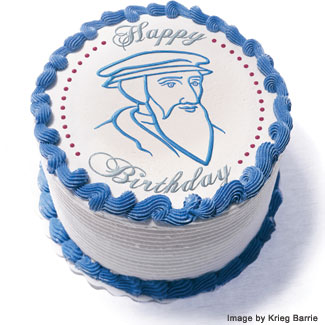
@between2worlds Lots to celebrate on July 10. HBD, JT! 🎉
English
@DrTomSchreiner @between2worlds Yes! Such a helpful series. Thanks for highlighting it here.
English

The Crossway Series on NT Theology is helpful if you are teaching, preaching, or just studying a particular NT book.
crossway.org/books/?availab…
English
@between2worlds @crossway Agreed. This series has become my go-to.
English
I know I'm biased (since it's @crossway), but if I was a young pastor or seminarian—or a layman wanting to develop a thorough knowledge of the whole Bible—this is easily the first commentary set I would buy.
crossway.org/books/esv-expo…
English

Good to see this. The influence of JMB has been under-acknowledged in recent years.
John W. Tweeddale@jwtweed
I'm delighted that my proposal on "New Evangelical Networks & the Early Ministry of James Montgomery Boice" was accepted by the American Christianity section for the annual conference @etsjets in the fall. See below for a summary. Feedback welcome! New Evangelical Networks and the Early Ministry of James Montgomery Boice John W. Tweeddale Reformation Bible College This paper examines the impact of key evangelical leaders and institutions on James Montgomery Boice’s (1938–2000) early ministry by focusing on his transition from academia and editorial work at Christianity Today to his pastoral call to Tenth Presbyterian Church in Philadelphia. Following Boice’s doctoral training and ministry experience in Basel, Switzerland, he emerged as a promising young leader in an aging evangelical movement. Boice’s relationships with Donald Grey Barnhouse, Carl F.H. Henry, and Frank E. Gaebelein shaped his sense of calling and paved the way for him to become pastor of one of the most storied congregations in America before his thirtieth birthday. Henry’s mentorship prepared Boice for a broader evangelical platform, Barnhouse’s legacy provided a pastoral model, and Gaebelein’s recommendation played a direct role in Boice’s call to Tenth in 1968. Drawing on Daniel Silliman’s insight that “evangelicalism is an imagined community, organized by communication networks,” this study will demonstrate how these connections catalyzed Boice’s rise to prominence. By the late 1960s, American evangelicalism was undergoing a leadership transition. As George Marsden has observed, “By 1967 . . . it was becoming impossible to regard American evangelicalism as a single coalition with a more or less unified and recognized leadership.” With Boice’s blend of academic training, extensive network, and personal ambition, he was well positioned to step into this shifting landscape. This paper situates Boice within the evolving leadership dynamics of mid-century evangelicalism and argues that his early ministry navigated the tension between inheriting a fractured yet still prominent new evangelical tradition and pioneering a model of urban ministry for evangelicals in center city Philadelphia. Incorporating never-before-analyzed archival material, this study assesses the impact of Boice’s ministry during the years 1966–1968 on the trajectory of American evangelicalism in the final decades of the twentieth century.
English
Lydia Brownback retweetet
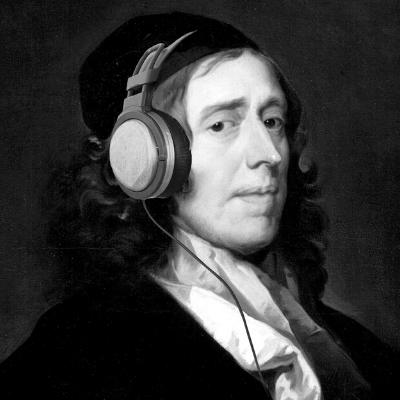
Join us and @LydiaBrownback for a thought-provoking episode that emphasizes the need for sound Biblical doctrine and encourages women to engage deeply with Scripture and their local church! 🗣️🎙️
#WomensMinistry #SoundDoctrine #CommunityBuilding

English