Rhainer Guille

1K posts

Rhainer Guille banner
Rhainer Guille

Rhainer Guille

@RhainerGuille

PhD Zoologia, professor, editor

Uberaba, Brasil Beigetreten Mayıs 2018
251 Folgt152 Follower
Rhainer Guille retweetet
Joachim Schork
Joachim Schork@JoachimSchork·
The Wilcoxon Signed-Rank Test is a non-parametric statistical test used to compare two related samples or repeated measurements to determine if their population distributions differ. Unlike the paired t-test, which assumes normal distribution, the Wilcoxon Signed-Rank Test is suitable for non-normally distributed data or data with outliers. Advantages: ✔️ Suitable for non-normally distributed, ordinal data, or data with outliers. ✔️ Ideal for small sample sizes, providing robust results where the paired t-test may not be reliable. ✔️ Uses rank differences instead of actual values, reducing the impact of outliers and making fewer assumptions about the data. Limitations: ❌ Compares ranks of differences, not specific measures like means or medians, potentially losing information about the magnitude of differences. ❌ Results can be misleading if data isn’t truly paired or if the assumptions, such as symmetry of differences around the median, are not met. ❌ Less powerful than the paired t-test when data is normally distributed. Important Considerations: While often used to assess differences between medians, the Wilcoxon Signed-Rank Test actually tests for differences in ranks of paired observations. This means it is sensitive to various aspects of the data, including the distribution's shape. If the data isn’t symmetric or doesn’t meet the test's assumptions, the test may not compare medians accurately and could lead to increased Type I error. For direct median comparisons, especially with non-symmetric data, consider alternatives like quantile regression or Mood's median test. Permutation tests also offer a flexible, non-parametric option for testing hypotheses about various statistics without relying on rank transformations. Visualization Explanation: The visualization compares the distributions of two skewed samples, "Time 1" and "Time 2," using density plots with dashed lines indicating their medians. Although the medians are displayed, the Wilcoxon Signed-Rank Test actually assesses the ranks of paired differences, rather than directly comparing medians. The test can only be used to compare medians if the samples are independent and identically distributed (IID), have the same dispersion and shape, and are symmetric about their medians. If these conditions are not met, the test may not accurately compare medians. In such cases, consider alternatives like quantile regression or permutation tests, which do not depend on rank transformations. Explore more on this topic and other statistical methods in my online course on Statistical Methods in R! Learn more by visiting this link: statisticsglobe.com/online-course-… #RStats #DataAnalytics #Python #VisualAnalytics #R4DS
Joachim Schork tweet media
English

2
78
491
28K
Rhainer Guille retweetet
Qiusheng Wu
Qiusheng Wu@giswqs·
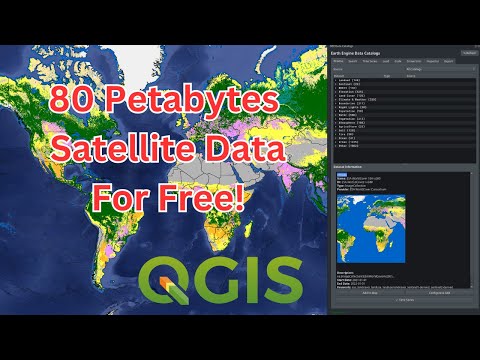
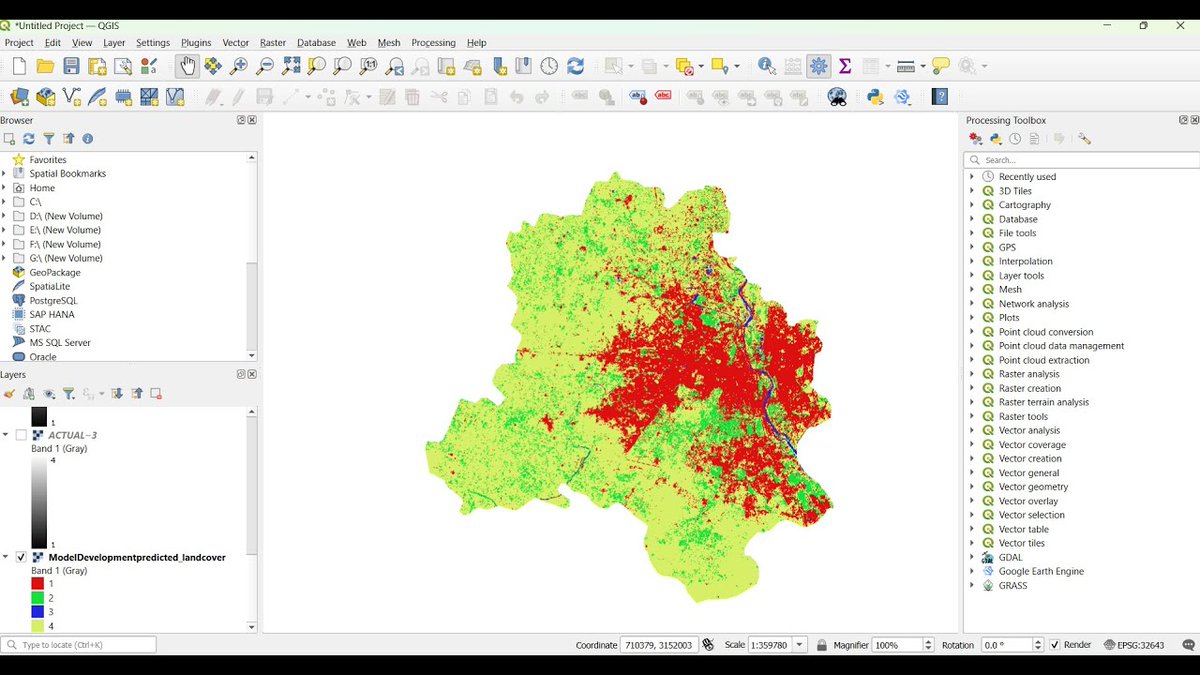
🎁 A New Year’s gift to the geospatial community: a brand-new QGIS plugin that unlocks access to 80+ petabytes of satellite imagery and geospatial datasets with zero coding required. In my first video of 2026, I’m excited to share what might be one of the most powerful QGIS plugins I’ve built so far. This plugin makes it incredibly easy to explore the official Earth Engine Data Catalog and the Awesome GEE Community Catalog directly inside QGIS. With just a few clicks, you can browse massive Earth Engine datasets, visualize them on the map, generate time series from ImageCollections, export data for further analysis, and even convert Earth Engine JavaScript workflows to Python, all without writing a single line of code. If you’ve ever wanted the power of Earth Engine inside QGIS without the learning curve, this plugin is for you. 👉 Download the plugin and follow the full step-by-step video tutorial to get started today: QGIS Plugin Page: plugins.qgis.org/plugins/gee_da… GitHub Repository: github.com/opengeos/qgis-… Video Tutorial: youtu.be/nZ3D6wLKJQw Happy New Year, and I hope this tool helps you do more with geospatial data in 2026 🚀 #QGIS #geospatial #EarthEngine #Python #datascience
YouTube video
YouTube
English

22
268
1.6K
84.6K
Rhainer Guille retweetet
CAPES
CAPES@CAPES_Oficial·
O documento vai funcionar como uma bússola da pós-graduação brasileira para, a partir de bases científicas, identificar oportunidades de expansão de acordo com as necessidades regionais e induzir a geração de talentos nos mestrados e doutorados. Acesse: capes.gov.br/NcnEo
CAPES tweet media
Português
0
1
1
378
Rhainer Guille retweetet
Joachim Schork
Joachim Schork@JoachimSchork·
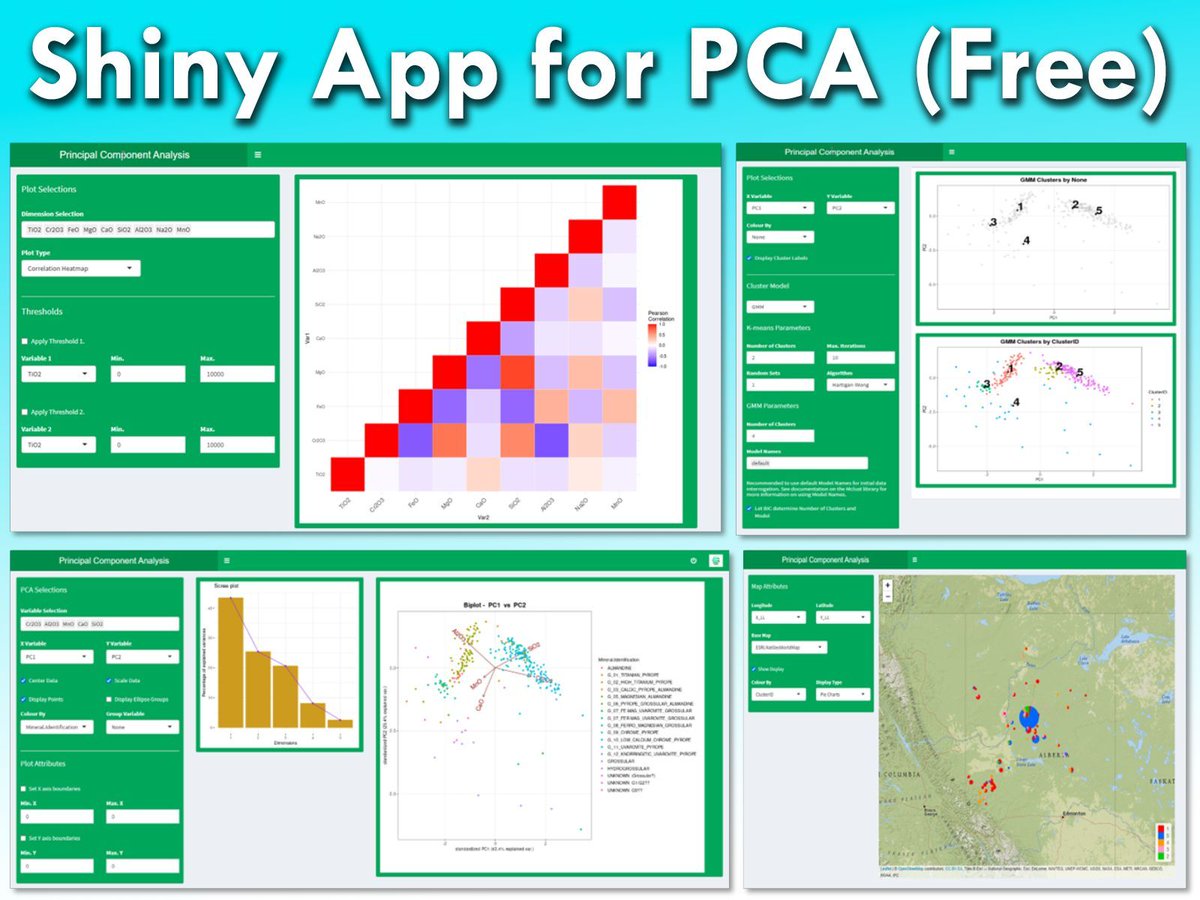
Check out this R Shiny app for Principal Component Analysis (PCA). It is an easy way to explore your data without writing code. Upload your CSV file to: ✔️ Analyze correlations between variables ✔️ View scree plots and loadings ✔️ Generate biplots for visual insights ✔️ Apply K-means or GMM clustering for classification The image shows the PCA tool in action, including correlation heatmaps, scree plots, biplots, clustering results, and interactive maps. All features run directly in your browser. Thanks to Dean Smith for creating this app! Try it here: atamaianalytics.shinyapps.io/PrincipalCompo… Ready to learn more about PCA using the R programming language? Enroll in my online course. More details are available at this link: statisticsglobe.com/online-course-… #Statistical #datastructure #RStats #VisualAnalytics #Python
Joachim Schork tweet media
English

0
17
113
5.8K
Rhainer Guille retweetet
Michael Vinyard
Michael Vinyard@vinyard_m·
I just updated the scDiffEq Python API (v1.1.0) to include animated visualizations of simulations. You can generate GIFs (or still images) showing: - Temporal gene expression dynamics - UMAP projections of simulated trajectories During my PhD, I found animations like these useful in presentations. Available now in the latest release: scdiffeq.com/_tutorials/vis…
GIF
Michael Vinyard@vinyard_m

How does a stem cell "decide" its fate? Development requires both reliability (consistent cell types) AND flexibility (diverse outcomes from identical progenitors). Cells achieve this by dynamically tuning deterministic drift and stochastic diffusion. New in @NatMachIntell: scDiffEq models state-dependent drift AND diffusion, improving fate prediction by ~8% over SOTA. scDiffEq also enables genome-wide in silico perturbation screens and reveals temporal gene dynamics. 🧵nature.com/articles/s4225…

English
8
73
466
51.2K
Rhainer Guille retweetet
Brady Long
Brady Long@thisguyknowsai·
🚨 BREAKING: Google Research just dropped the textbook killer. Its called "Learn Your Way" and it uses LearnLM to transform any PDF into 5 personalized learning formats. Students using it scored 78% vs 67% on retention tests. The education revolution is here.
English
175
1.8K
17.4K
1.3M
Rhainer Guille retweetet
Copernicus EU
Copernicus EU@CopernicusEU·
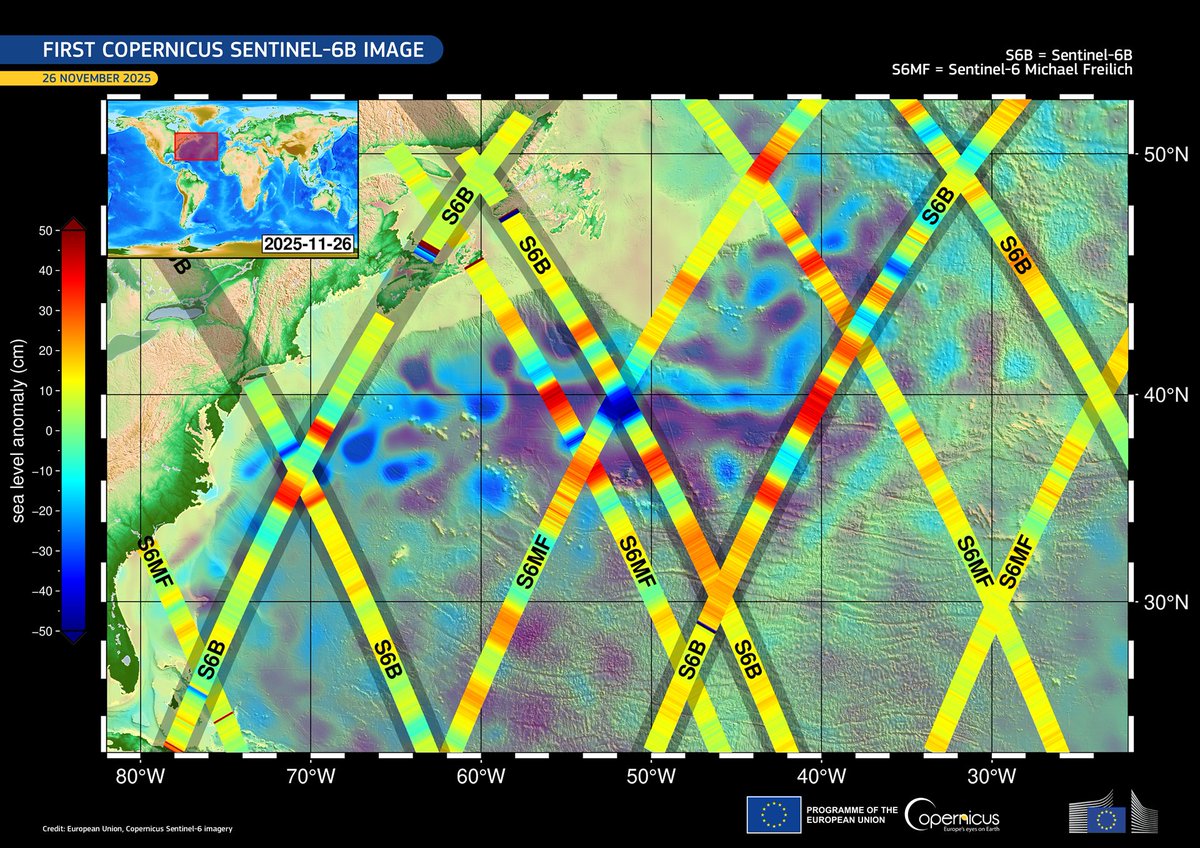
🌾 Around Prague 🇨🇿, large arable fields highlight the region’s strong farming tradition. This #ImageOfTheDay uses #CopernicusEU Land Monitoring data to map crop types, revealing detailed patterns in land use that support food security & policy. 🔗 copernicus.eu/en/media/image…
Copernicus EU tweet media
English
0
14
48
2.3K
Rhainer Guille retweetet
Faheem Ullah
Faheem Ullah@Faheem_uh·
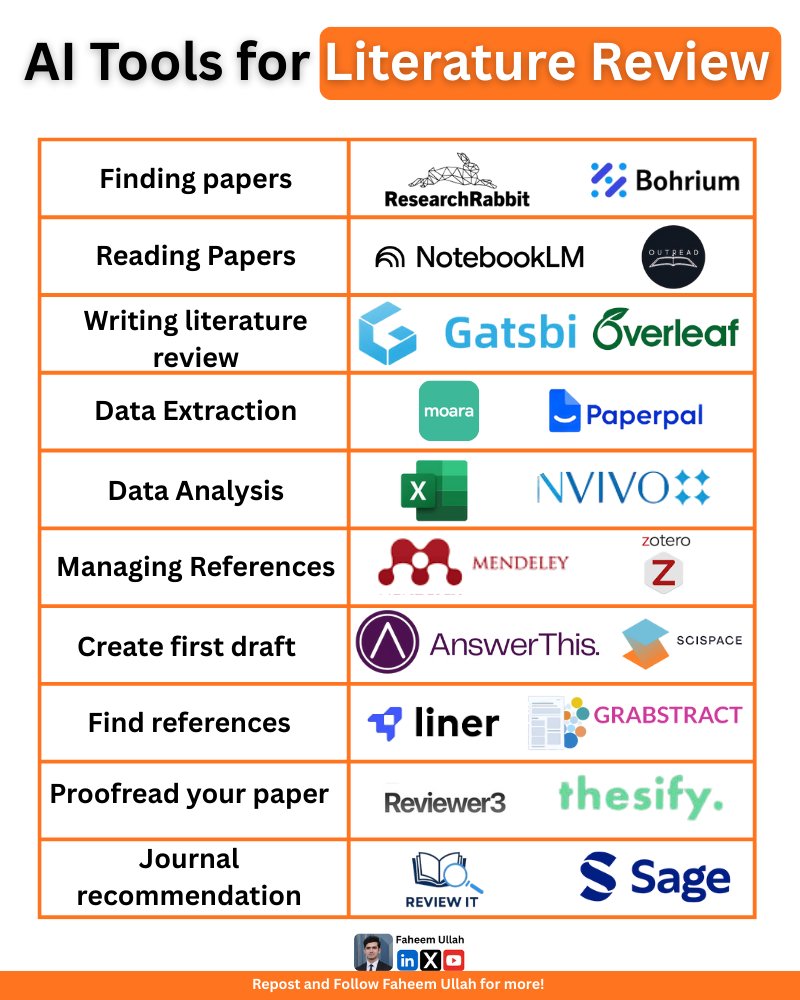
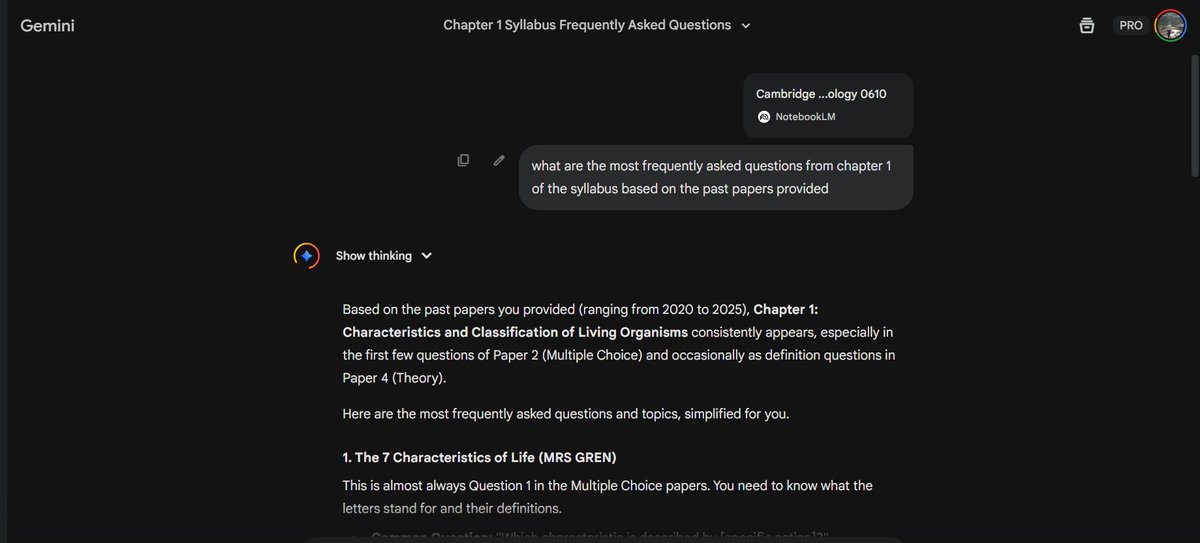
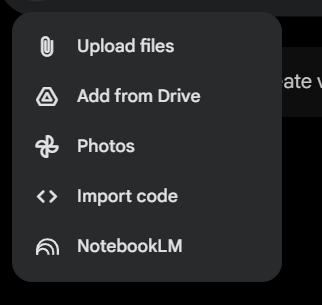
AI Tools for Literature Review 𝐅𝐢𝐧𝐝𝐢𝐧𝐠𝐬 𝐩𝐚𝐩𝐞𝐫𝐬 @RsrchRabbitresearchrabbit.ai @Bohrium_AI4Sbohrium.com 𝐑𝐞𝐚𝐝𝐢𝐧𝐠 𝐩𝐚𝐩𝐞𝐫𝐬 NotebookLLM ➝ notebooklm.google @Outreadofficialoutread.ai 𝐖𝐫𝐢𝐭𝐢𝐧𝐠 𝐥𝐢𝐭𝐞𝐫𝐚𝐭𝐮𝐫𝐞 𝐫𝐞𝐯𝐢𝐞𝐰 @Gatsbi_AIgatsbi.com @overleafoverleaf.com 𝐃𝐚𝐭𝐚 𝐞𝐱𝐭𝐫𝐚𝐜𝐭𝐢𝐨𝐧 moara ➝ moara.io Paperpal ➝ lnkd.in/d_HFd4QT 𝐃𝐚𝐭𝐚 𝐚𝐧𝐚𝐥𝐲𝐬𝐢𝐬 MS Excel ➝ lnkd.in/gXdhyrr4 Nvivo ➝ lnkd.in/g4mESped 𝐌𝐚𝐧𝐚𝐠𝐢𝐧𝐠 𝐫𝐞𝐟𝐞𝐫𝐞𝐧𝐜𝐞𝐬 Mendeley ➝ mendeley.com Zotero ➝ zotero.org 𝐂𝐫𝐞𝐚𝐭𝐞 𝐟𝐢𝐫𝐬𝐭 𝐝𝐫𝐚𝐟𝐭 @AnswerThislnkd.in/dm9xdAfx @scispacelnkd.in/gv8FpUpU 𝐅𝐢𝐧𝐝 𝐫𝐞𝐟𝐞𝐫𝐞𝐧𝐜𝐞𝐬 @liner_appliner.com @grabstractiograbstract.io 𝐏𝐫𝐨𝐨𝐟𝐫𝐞𝐚𝐝 𝐲𝐨𝐮𝐫 𝐩𝐚𝐩𝐞𝐫 @reviewer3comreviewer3.com @thesify_aithesify.ai 𝐉𝐨𝐮𝐫𝐧𝐚𝐥 𝐫𝐞𝐜𝐨𝐦𝐦𝐞𝐧𝐝𝐚𝐭𝐢𝐨𝐧 Review-it ➝ review-it.ai Sage ➝ lnkd.in/dYka-nqm Any other tool you'd like to add?
Faheem Ullah tweet media
English
6
317
1.1K
63.6K
Rhainer Guille retweetet
Alejandro
Alejandro@AlejandroDnsmr·
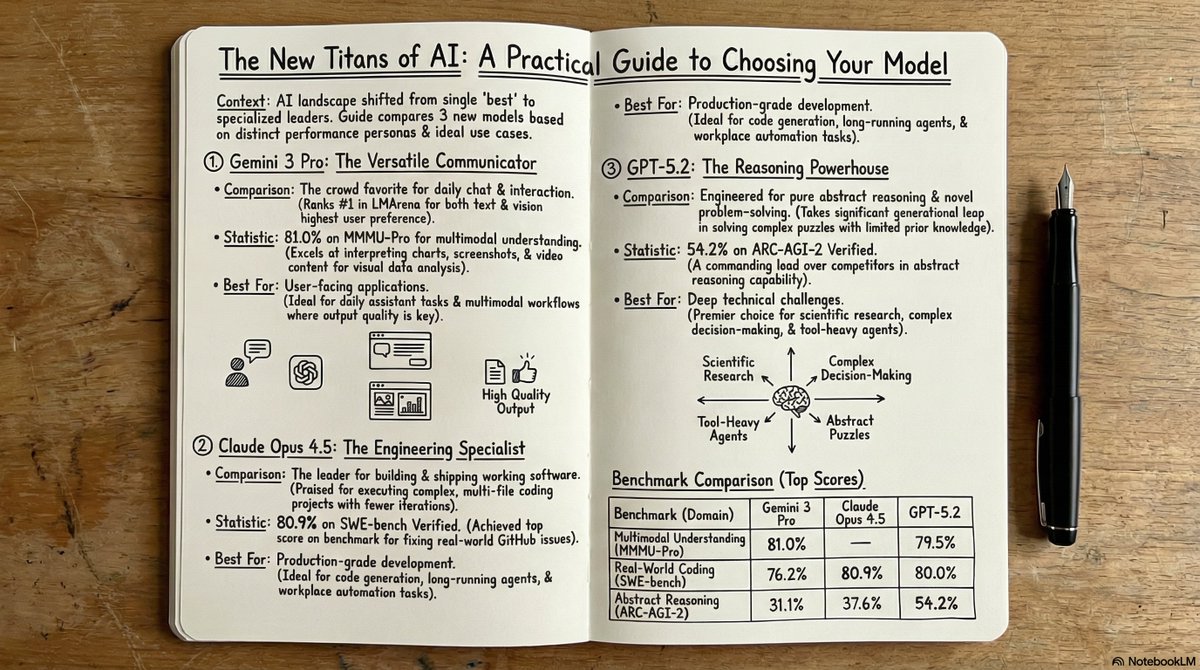
using @NotebookLM vanilla (no prompt) infographic function vs adding a custom prompt makes a HUGE difference in quality! No prompt (L) Custom prompt (R)
Alejandro tweet mediaAlejandro tweet media
English
14
64
640
49.8K
Rhainer Guille retweetet
AshutoshShrivastava
AshutoshShrivastava@ai_for_success·
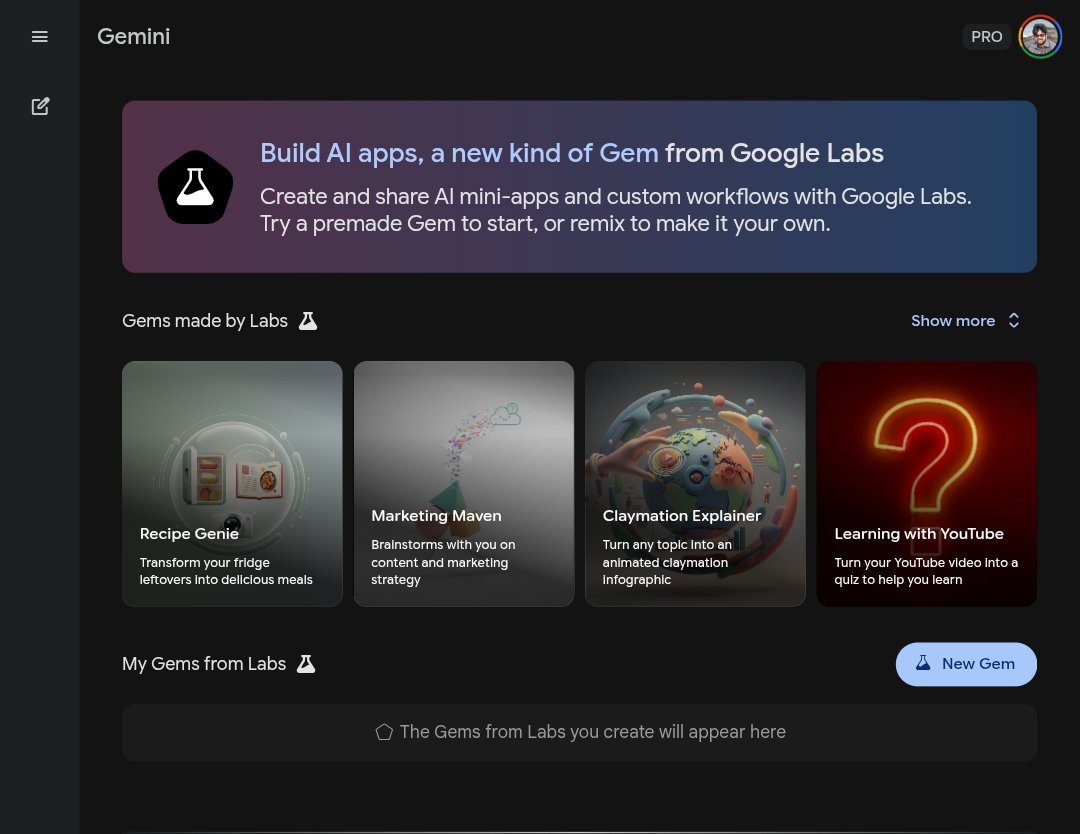
Official: Google has added Opal to the Gemini web app as an experimental Gem, letting users build reusable AI powered mini apps from the Gems manager.
AshutoshShrivastava tweet media
Google Labs@GoogleLabs

Opal, meet @Geminiapp. 🤝 We’ve now brought Opal, our tool for building AI-powered mini apps, directly into the Gemini web app as an experimental Gem. You can find the Opal Gem in your Gems manager and start creating reusable mini apps to unlock even more customized Gemini experiences. Go forth and customize! Learn more here: blog.google/technology/goo…

English
13
32
494
45.4K
Rhainer Guille retweetet
CAPES
CAPES@CAPES_Oficial·
O documento vai funcionar como uma bússola da pós-graduação brasileira para, a partir de bases científicas, identificar oportunidades de expansão de acordo com as necessidades regionais e induzir a geração de talentos nos mestrados e doutorados. Acesse: capes.gov.br/NcnEo
CAPES tweet media
Português
0
1
0
292
Rhainer Guille retweetet
CAPES
CAPES@CAPES_Oficial·
O prazo para inscrição de proposta vai até 30 de dezembro e serão ofertadas uma bolsa na modalidade cátedra. O selecionado poderá indicar um bolsista de pós-doutorado e outro de doutorado-sanduíche. Confira o edital e inscreva-se em:capes.gov.br/xGKT0
CAPES tweet media
Português
0
1
3
574