

Travis Driessen
73 posts

was talking to an elderly woman recently. she told me about a man she fell in love with in her twenties. he was from australia. she said he treated her so well. she said she loved that man so much. he had to go back to australia but she couldn’t leave the midwest and go with him. he went back to australia and they never spoke again. she went on to have 8 children, get married to another man, divorced. her kids have their own lives and don’t speak to her much and now she’s alone in the world and talking to me about how much she loved the man from australia that got away 60 years ago. there is no stronger force in life than Love Unrealized
English
Travis Driessen retweetet

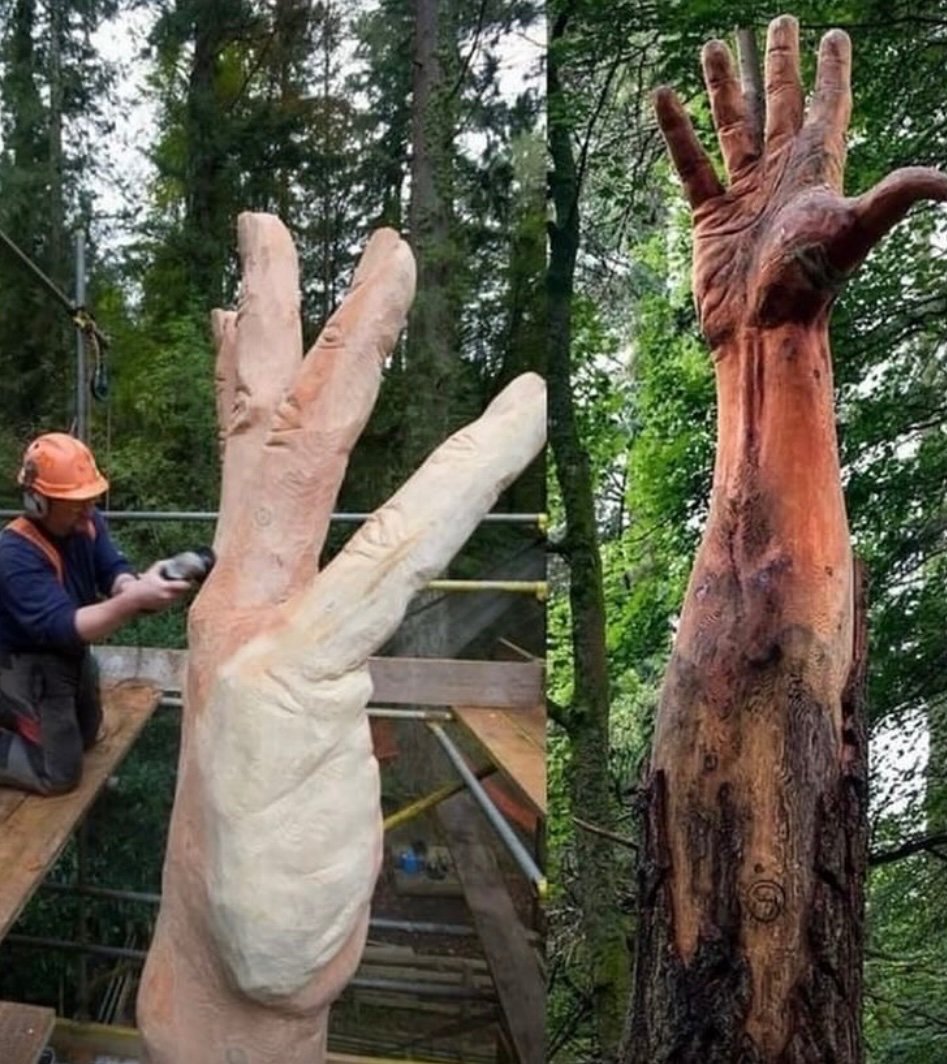
@MattWallace888 The tallest tree in Wales was damaged by lightning and instead of cutting it down, a chainsaw artist decided to do this as a symbol of the tree's last attempt to reach the sky.
English
Travis Driessen retweetet

@timClicks @mkenzo_8 Yeah when I (aussie) go to Norway I get confused about all the context where chitchat is sanctioned. ANZ has the mate spirit.
English

@mkenzo_8 Australia is the only other country I can think of where 'casual chit chat with strangers waiting in line' is perfectly normal
English
Apparently when I travel, I always forget that people don't talk to strangers in other countries. My New Zealand mind cannot comprehend this.
English
@DrDavidVernon Keep uploading these Mishima excerpts. Eventually I'll turn the corner.
English
@timClicks I like your YT. Feels authentic. Lean more into yourself ✌️
English
Do you have any recommendations for YouTube channels that release good technical material without the cringe YouTuber feel?
I want to up my game, without playing the 'like and subscribe' algorithm slavery game, so to speak.
English
@DRKoepsell That's a moral argument right? I agree with you and I'm sure many people do. But why doesn't it play out this way? Seems to me that you are levelling the problem at the academic agents. I think it's a system problem. It's a hunger game of prestige.
English
@DRKoepsell You could be right mate but from my view culture is downstream of incentives.
English
@DRKoepsell How could you design the biz model an alternative way?
English
#Starbucks's New #CEO:
He's been an exec at PepsiCo & McKinsey & is a trustee of the Brookings Institute. Most recently, he was CEO of UK based Reckitt, which makes Lysol & baby formula products.
Nothing in his bio suggests how he’ll seek to lead his people.
#Leadership #CSuite

English

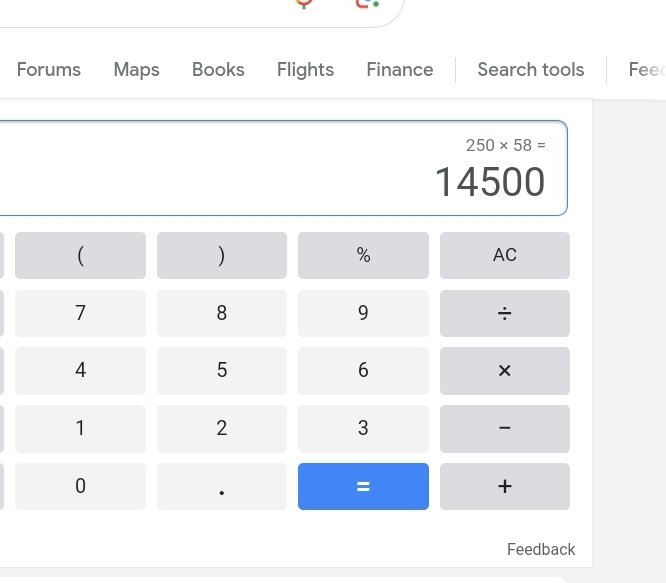
Planting 58 apple trees.
Just now decided to see how much fruit a typical tree gives per year.
250 lbs.
English
@Dan_Jeffries1 Absolutely. Non-anthropogenic expressive movement is nascent!
English

One of the best design patterns in AI agents is to let go of anthropomorphism.
The new Boston Robotics robot can move in decidedly non human ways. It takes inspiration from human design but moves beyond it.
The same is true with LLMs. They're an alien intelligence. Learn how they "think" and design patterns that go with that rather than superimposing anthropomorphic characteristics on them at every turn.
English
@russian_cosmist Psychedelic popcorn crumpets. Weird name - great tunes.
English
@sentientist He made a speech encouraging "dragon babies" for Chinese New Year but it will likely have a lacklustre impact given most young Singaporean people cite suitable and affordable housing as the biggest obstacle to starting a family.
English

Singapore's greatest asset is a relatively educated workforce. In the 80s Lee Kuan Yew implemented selectively pronatalist (aka eugenic) policies , like priority daycare, romantic getaways for educated singles and money for sterilization, to try to increase the number of children born to educated women. These were targeted at the better educated Chinese majority. They were both unpopular and ineffective- failing to bring Chinese birthrates up or the age of marriage for Chinese women down.


English

6. You say "A causes B". Have things like B happened before? Have things like B happened before A even existed? Were the things like B that happened before maybe even worse than the version of B that is happening now?
7. Would you have been able to publish journal articles, get tenure, research grants, your book contract, press coverage, speaking fees, prestige, prizes and awards with the opposite position, or with the null hypothesis?
8. If your analysis is later shown to be false, do you have to give all that back?
9. If your analysis is later show to be false, what is your plan for retracting the state power that you would like to see created now? Or will that just run in perpetuity forever, no matter what, regardless of the consequences?
Marc Andreessen 🇺🇸@pmarca
Prominent academic brings forward (a) studies and charts showing one thing is causing a second, bad thing, and (b) corresponding urgent policy reforms. The 5 big questions to ask: 1. Your field is crippled by a vicious replication crisis; 50%+ and maybe even 70% of your field's studies don't give the same results when run by someone else. Why believe any of your analyses? 2. Why should we believe "wet streets cause rain" vs "rain causes wet streets"? A big part of the scientific replication crisis is mispresentation of cause vs effect. Why should we believe the flow of causation is as you say? 3. Few important things in the world are monocausal, most outcomes are overdetermined by several or many causes. Why should we believe that this is the single or main cause that is generating the effect, and not one or dozens of other causes, or no causes at all? 4. Many prominent scientists just like you have come forward over the last 100 years with similar arguments; we look back on many of those as irrational moral panics, people freaking out over comic books and dime novels and bicycles and jazz music. Is this just another in a long series of academic- and activist-driven moral panics? 5. Thomas Sowell says, "There are no solutions, only tradeoffs." What are the tradeoffs of your proposed policy reforms? What are the downsides to be suffered by people you've never met and feel no responsibility to? Are you personally exposed to those downsides, or are you totally off the hook?
English
@DrDavidVernon Far out its hard to keep up with all these golden reccos. I have never read Amis but I've listened to many of his interviews in awe.
English

Amazon has announced they're phasing out their checkout-less grocery stores.
The "Just Walk Out" technology, which was labeled as automatic, was actually 1,000+ Indian employees monitoring you as you walked through the store.
gizmodo.com/amazon-reporte…
English
@TheMcVariations @MumblinDeafRo I thought IJ was excellent. 9/10. Will have to try his short stories.
English

@MumblinDeafRo Infinite Jest is not bad, but his short stories are where it’s at…they approach genius level. I suspect these who slag him off confuse the person they never knew with the person they’ve probably yet to read.
English
@jzdambrosio I think they do have skin in the game but to attract funding they need to make their work high impact. So things get politicised....e.g. I read a paper today on post-human creativity and somehow they find the need to anchor the discussion in enviro-diversity terms.
English

If philosophers had to risk a huge amount of money (or time, or happiness, or anything else important) on every philosophical position they endorsed, how many views would simply disappear?
English