Andrew Austin-Adler

1.7K posts

Andrew Austin-Adler banner
Andrew Austin-Adler

Andrew Austin-Adler

@WeathermanAAA_

Student Meteorologist specializing in Tropical Cyclones and public weather communication.

Beigetreten Mart 2025
201 Folgt2.4K Follower
Angehefteter Tweet
Andrew Austin-Adler
Andrew Austin-Adler@WeathermanAAA_·
Big thanks to the @FoxWeather team and @AriWeather for having me on tonight! Always an honor to share in the science with such an incredible group of meteorologists. 🌀✨⚡️ You can find my full interview below!
English
17
11
114
30.3K
Andrew Austin-Adler retweetet
Will Weaver ⛈️
Will Weaver ⛈️@WillWeatherRVA·
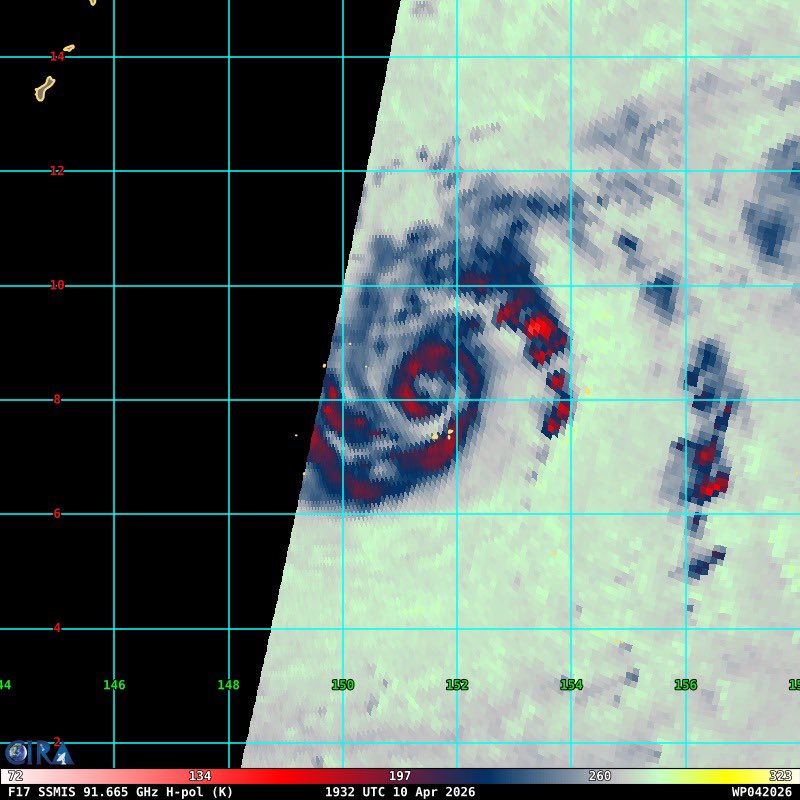
#Sinlaku (#04W) was upgraded to #typhoon status at 18Z, and it appears to be poised for rapid intensification. Microwave satellite imagery from about 1930Z suggests that an inner core has formed with a very small eye feature. This is bad news for #Guam.
Will Weaver ⛈️ tweet media
English
0
12
33
4.8K
Andrew Austin-Adler retweetet
Andy Hazelton
Andy Hazelton@AndyHazelton·
That microwave satellite look is mean. Looks like something that wants to become a very high end typhoon very shortly.
Will Weaver ⛈️@WillWeatherRVA

#Sinlaku (#04W) was upgraded to #typhoon status at 18Z, and it appears to be poised for rapid intensification. Microwave satellite imagery from about 1930Z suggests that an inner core has formed with a very small eye feature. This is bad news for #Guam.

English
1
6
45
2.8K
Andrew Austin-Adler
Andrew Austin-Adler@WeathermanAAA_·
Tropical Storm (now most likely a typhoon) #Sinlaku has been successfully wrapping deep, centralized convection upshear through the day, resulting in the generation of a nascent inner core. The overall structure of the cyclone is excellent, and it appears to be primed for impressive intensification as it nears Guam.
GIF
Andrew Austin-Adler tweet media
English
1
12
45
1.3K
Andrew Austin-Adler retweetet
cg15wx
cg15wx@cycloneguy15·
Sinlaku may be on the cusp of an explosive intensification phase. A CDO with intense convection exhibiting a "comma" shape successfully wrapping upshear is often a precursor or sign of rapid pressure falls & subsequent acceleration of the tangential circulation.
GIF
English
3
11
63
4.1K
Andrew Austin-Adler retweetet
cg15wx
cg15wx@cycloneguy15·
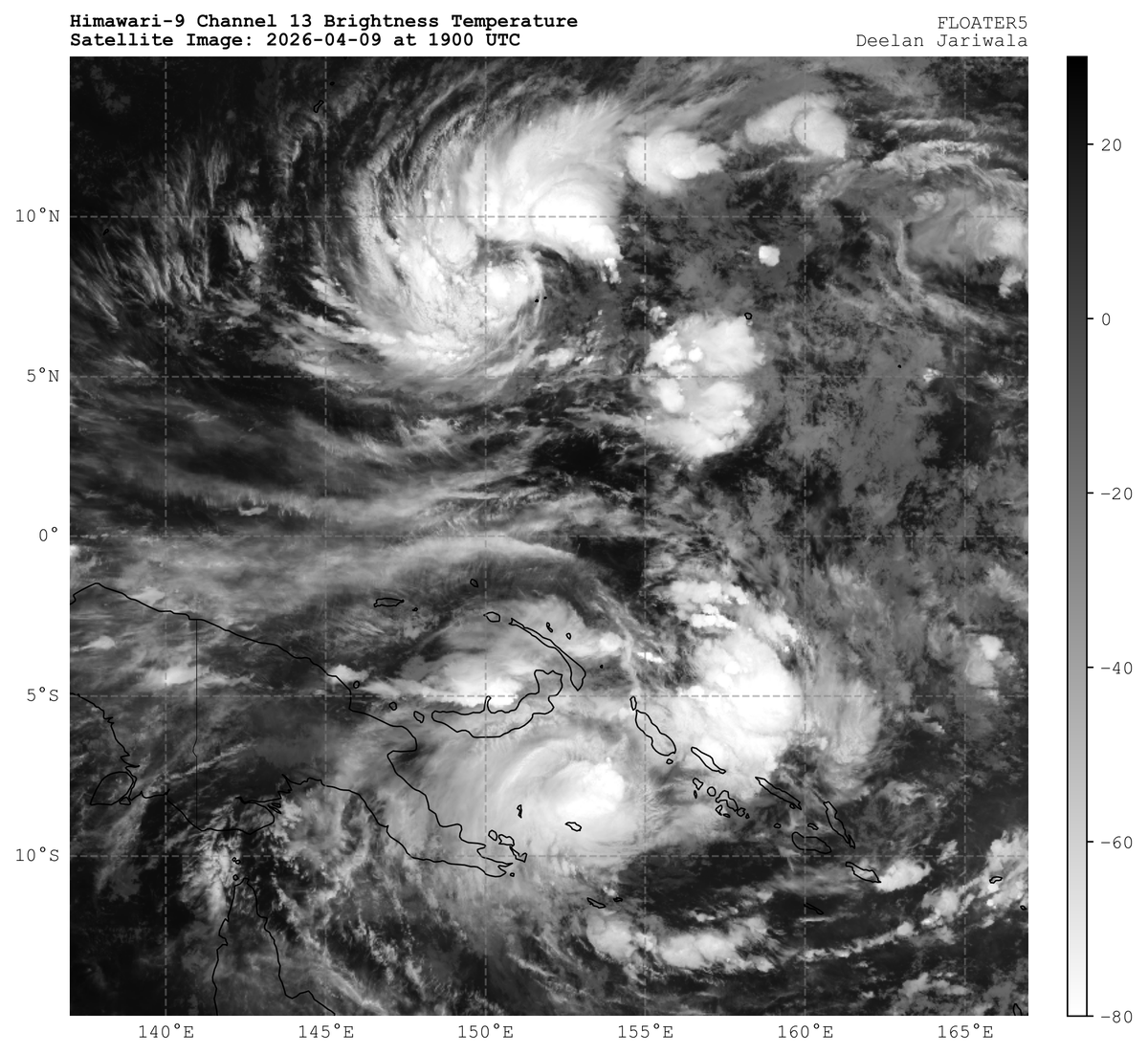
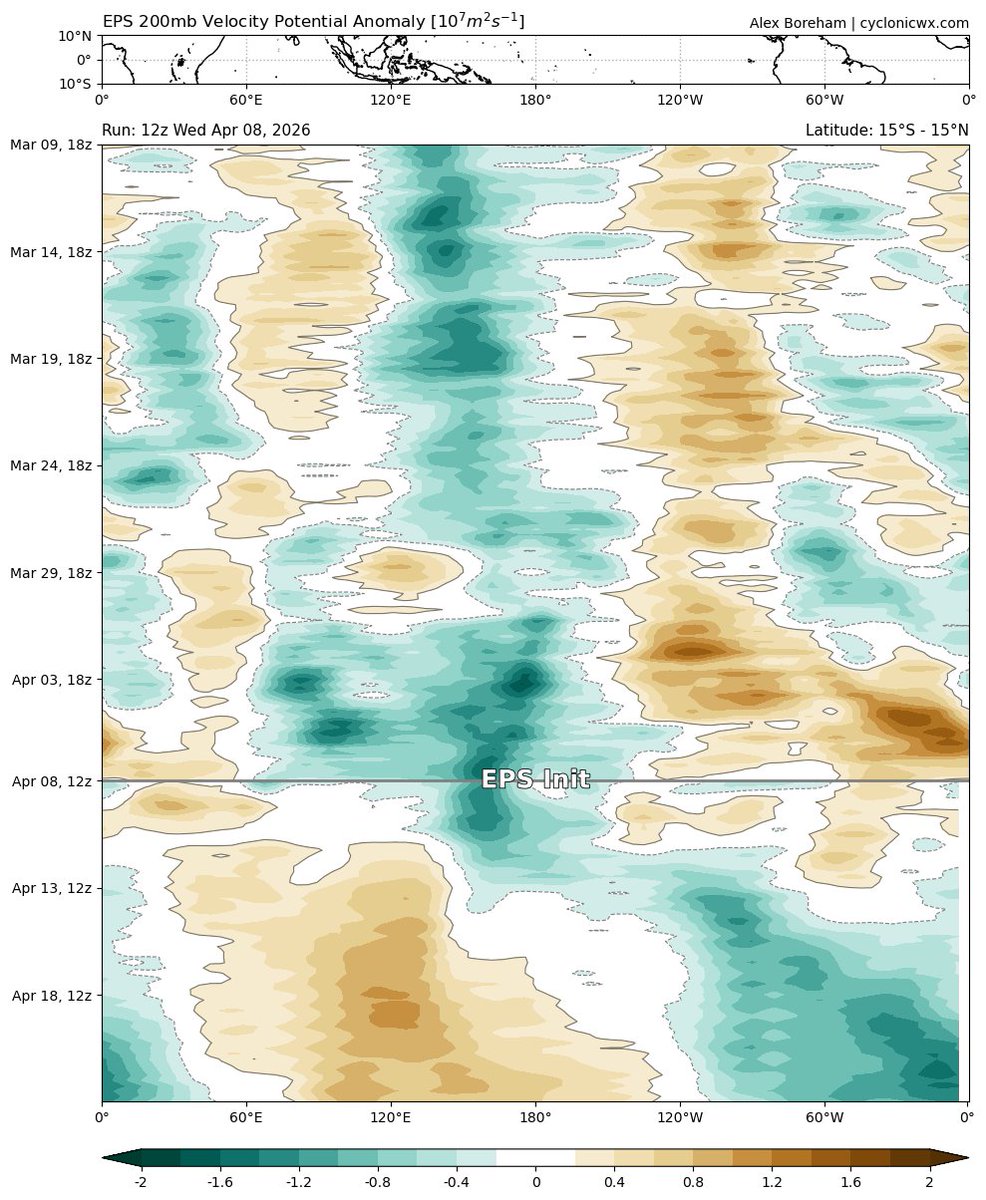
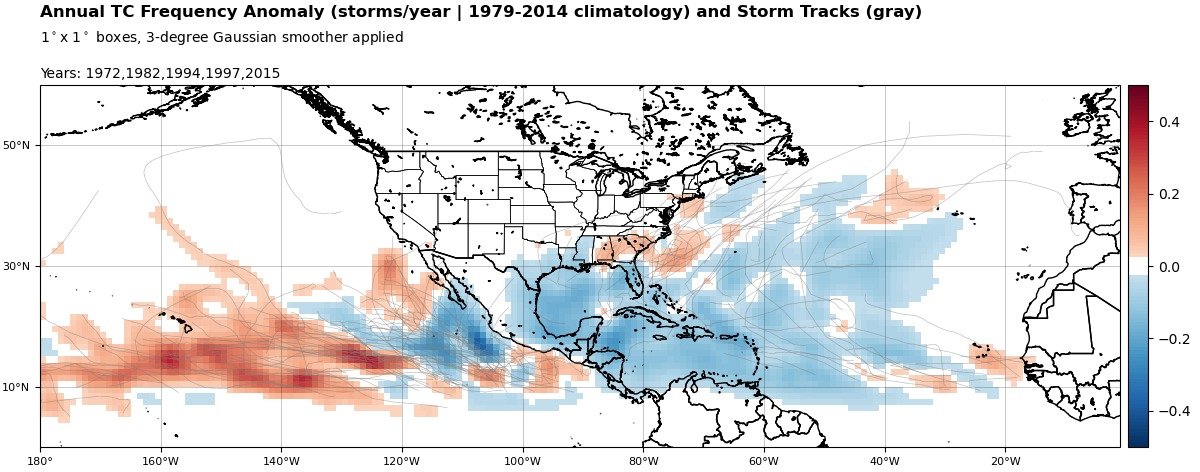
Absolutely textbook westerly wind burst over the equatorial Pacific right now. A strong ERW (equatorial rossby wave) constructively interfering with an approaching MJO pulse has *majorly* stoked zonal wind anomalies, bolstered by twin TCs straddling near the equator.
cg15wx tweet mediacg15wx tweet mediacg15wx tweet media
English
0
7
64
2K
Andrew Austin-Adler
Andrew Austin-Adler@WeathermanAAA_·
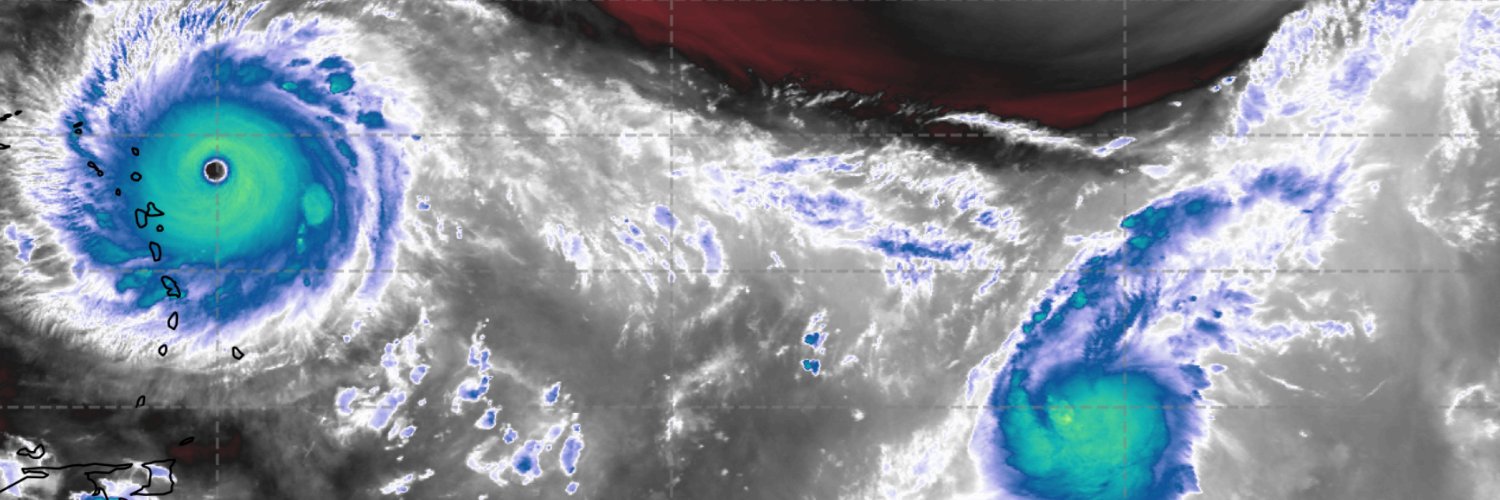
The full satellite view of the pacific provides a neat visualization of the twin Tropical Cyclones (TC's) occurring in both hemispheres. Note the belt of enhanced westerly flow visible along the equator as their circulations interact.
English
0
17
86
2.3K
Andrew Austin-Adler
Andrew Austin-Adler@WeathermanAAA_·
@Ronnie721131565 @daniloevan11 @hurricanetrack Even if the +ENSO event fails to meet expectations, 2023-level activity will not occur this year. The Atlantic in 2026 is far cooler, with the SSTA distribution considered fairly unfavorable (even for -ENSO years.)
Andrew Austin-Adler tweet mediaAndrew Austin-Adler tweet media
English
1
0
1
38
Andrew Austin-Adler
Andrew Austin-Adler@WeathermanAAA_·
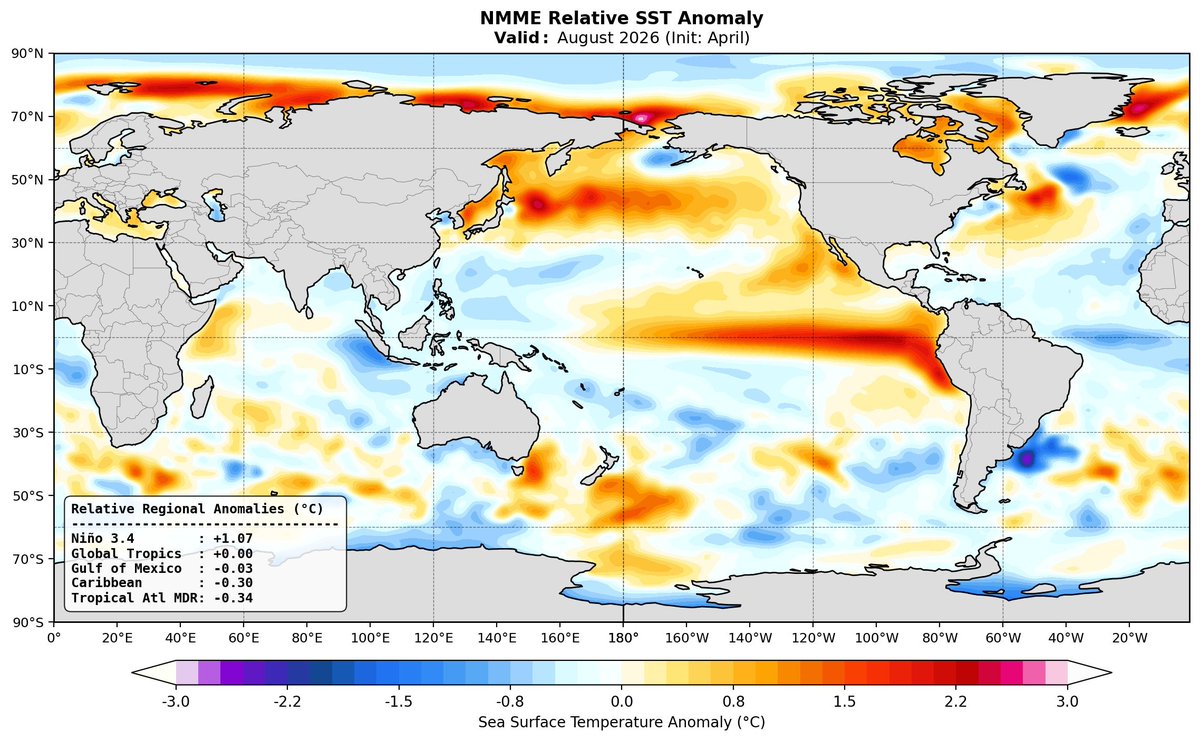
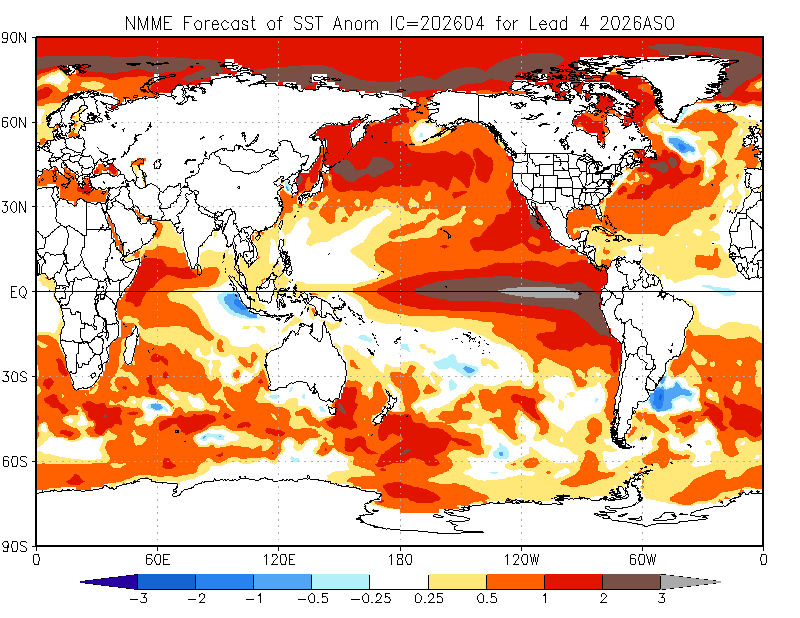
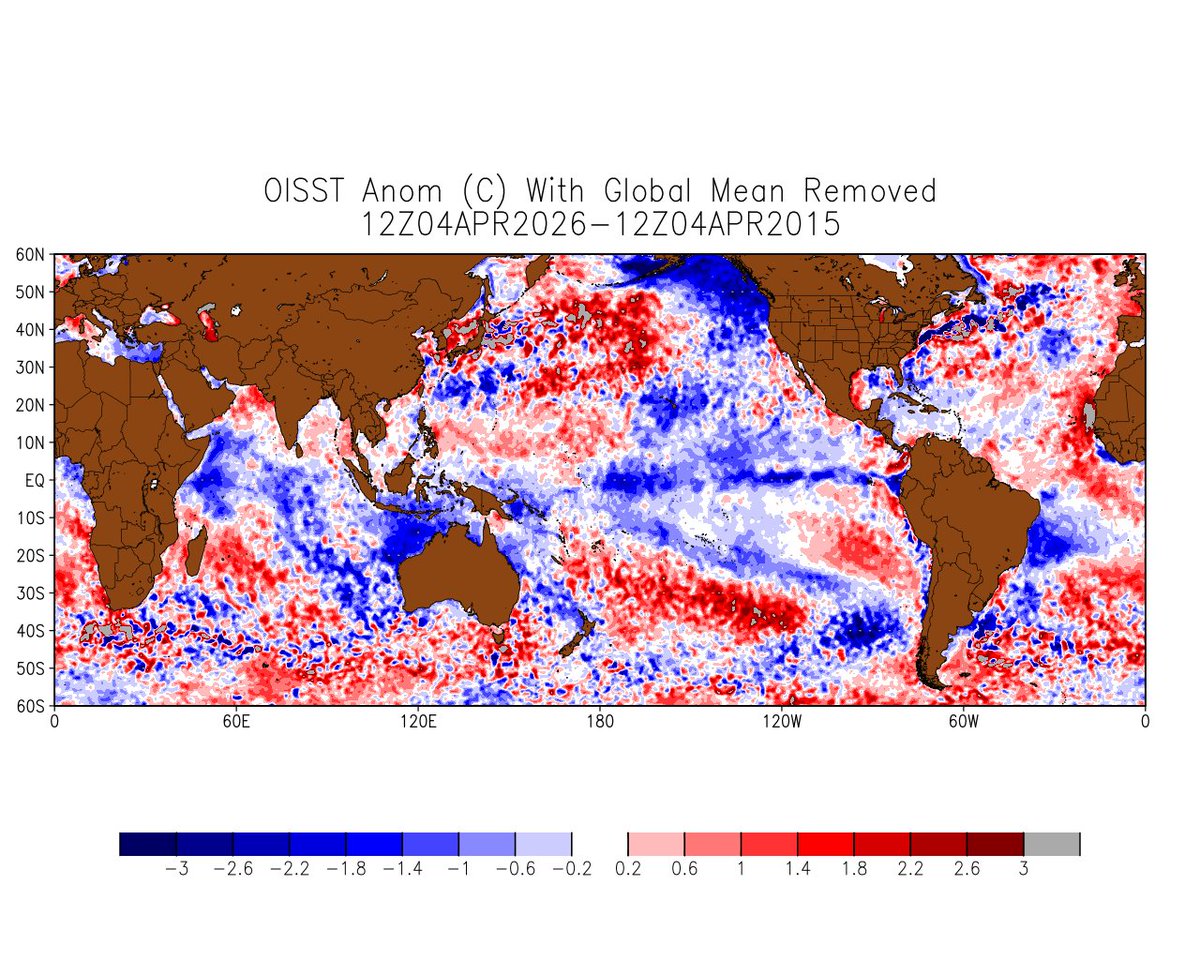
If the SST pattern verifies anywhere close to what’s presented here, we could be looking at one of the quietest Atlantic hurricane seasons in years. Hard to get a more unfavorable setup than this!
Andrew Austin-Adler tweet media
English
21
28
217
24K
Andrew Austin-Adler retweetet
Eric Webb
Eric Webb@webberweather·
The physical link b/t Tropical Cyclone (TC) pairs & El Niño intensity was established decades ago & further supplanted by modeling studies These TCs are a big reason why we’re likely headed for a “Super” El Niño later this yr journals.ametsoc.org/view/journals/… journals.ametsoc.org/view/journals/…
Andrew Austin-Adler@WeathermanAAA_

This is what it looks like when you begin to verify those bullish ENSO forecasts. #90W is knocking on the door of TC status whilst major cyclone #Maila churns directly to the south; in the opposite hemisphere. The projection of their circulations on the equator will generate an enormous westerly wind burst, likely leading to significant warming in the West/Central Pacific. Its worth noting that twin TCs have been consistent with super El Nino events in the past.

English
0
17
91
11.8K
Andrew Austin-Adler
Andrew Austin-Adler@WeathermanAAA_·
This is what it looks like when you begin to verify those bullish ENSO forecasts. #90W is knocking on the door of TC status whilst major cyclone #Maila churns directly to the south; in the opposite hemisphere. The projection of their circulations on the equator will generate an enormous westerly wind burst, likely leading to significant warming in the West/Central Pacific. Its worth noting that twin TCs have been consistent with super El Nino events in the past.
English
4
43
186
31.6K
Andrew Austin-Adler
Andrew Austin-Adler@WeathermanAAA_·
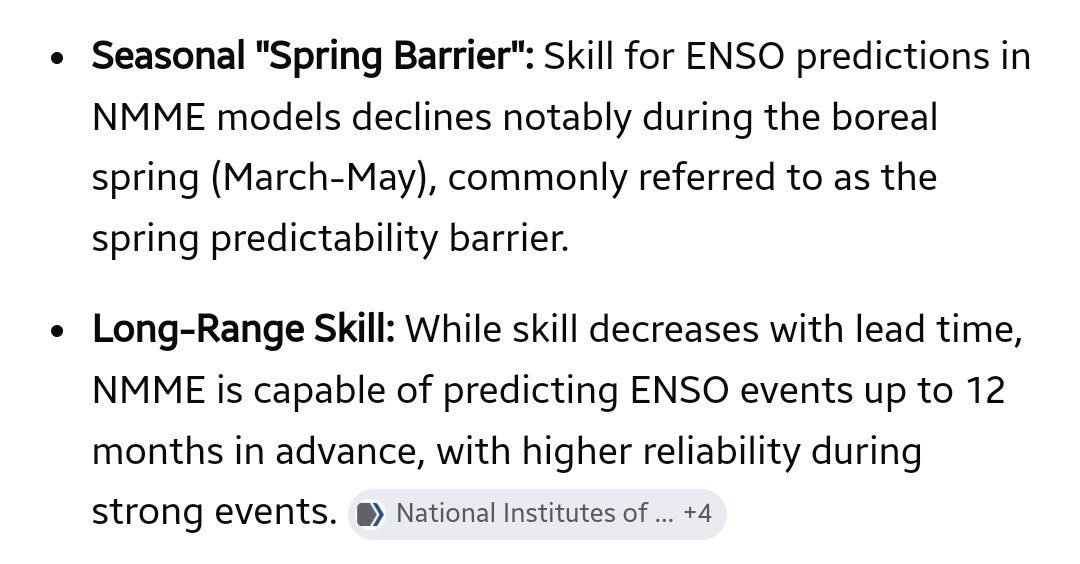
@PInstinctx The barrier goes both ways. In this case, if anything, it appears more likely that we've been under-resolving the strength of the upcoming ENSO event than over-forecasting it.
English
1
0
1
91
Will
Will@PInstinctx·
@WeathermanAAA_ Two things that needed to be taken into consideration when looking at this model output right now: ENSO Spring Predictability Barrier and current ENSO transition / ENSO neutral status:
Will tweet mediaWill tweet media
English
1
0
1
110
Andrew Austin-Adler
Andrew Austin-Adler@WeathermanAAA_·
April NMME is in with quite the signal for the upcoming Niño event. Notably, look at the 2.5 °C anomaly differential between the Atlantic MDR and the equatorial Pacific💀
Andrew Austin-Adler tweet media
English
5
28
127
7.2K
Andrew Austin-Adler retweetet
Andy Hazelton
Andy Hazelton@AndyHazelton·
This is something to keep in mind. "Spring predictability barrier" doesn't just mean that sometimes we get cooler ENSO than models expect (like some of the wishcast takes I've seen). Sometimes the error goes the opposite way and things adjust toward a stronger El Niño as the climate system adjusts that way!
Ben Noll@BenNollWeather

@AndyHazelton Ensemble mean up to +2.6˚C by the end of the year! Some stark increases this month (right) compared to last month (left).


English
9
14
84
14.7K
Mark Sudduth
Mark Sudduth@hurricanetrack·
@WeathermanAAA_ Gonna be a crazy 6-9 months if not more. And that’s just weather 😬
English
2
0
8
1K
Andrew Austin-Adler retweetet
Eric Webb
Eric Webb@webberweather·
I’m honestly not sure why I keep seeing the 2017 comparisons on my feed lately (even from degreed mets) because it looks absolutely nothing like this year Note the lack of westerlies on the equator in the Tropical West Pacific in 2017 (right, cool colors)
Eric Webb tweet mediaEric Webb tweet media
English
4
7
92
8K
Andrew Austin-Adler retweetet
Eric Webb
Eric Webb@webberweather·
The sheer amount of blatant wishcasting I’ve seen on this platform lately that ignorantly downplays this El Niño even existing in the first place is honestly alarming. A lot of people are about to find out the hard way.
English
11
5
177
19.4K
Andrew Austin-Adler retweetet
Andrew Markowitz
Andrew Markowitz@amarkowitzWX·
I’ve seen many times where pristine looking patterns in the long range don’t produce big snowstorms once the details are resolved. Shouldn’t the same principle be applied to severe weather which is even more dependent on small scale features?
English
5
4
52
4.4K
Andrew Austin-Adler retweetet
Andy Hazelton
Andy Hazelton@AndyHazelton·
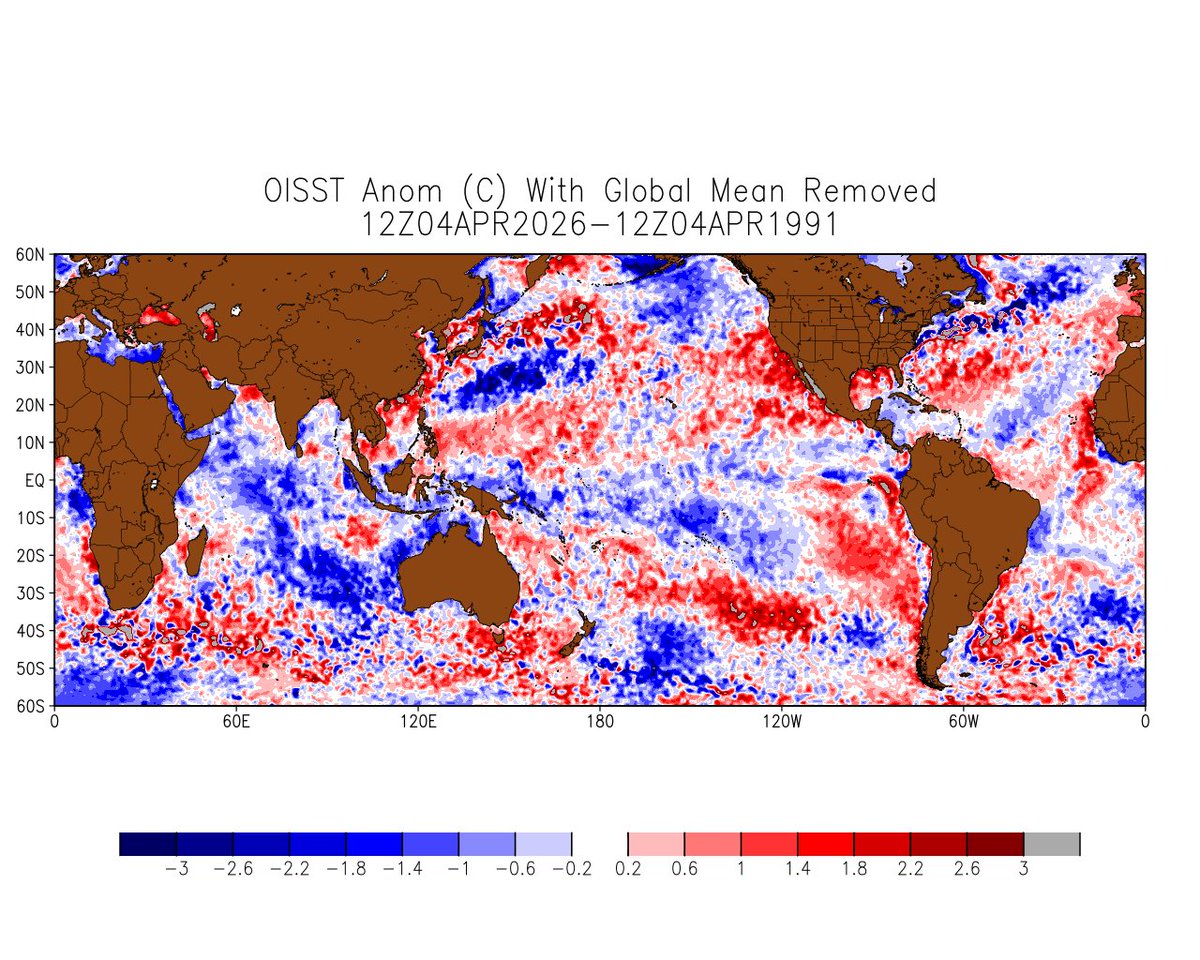
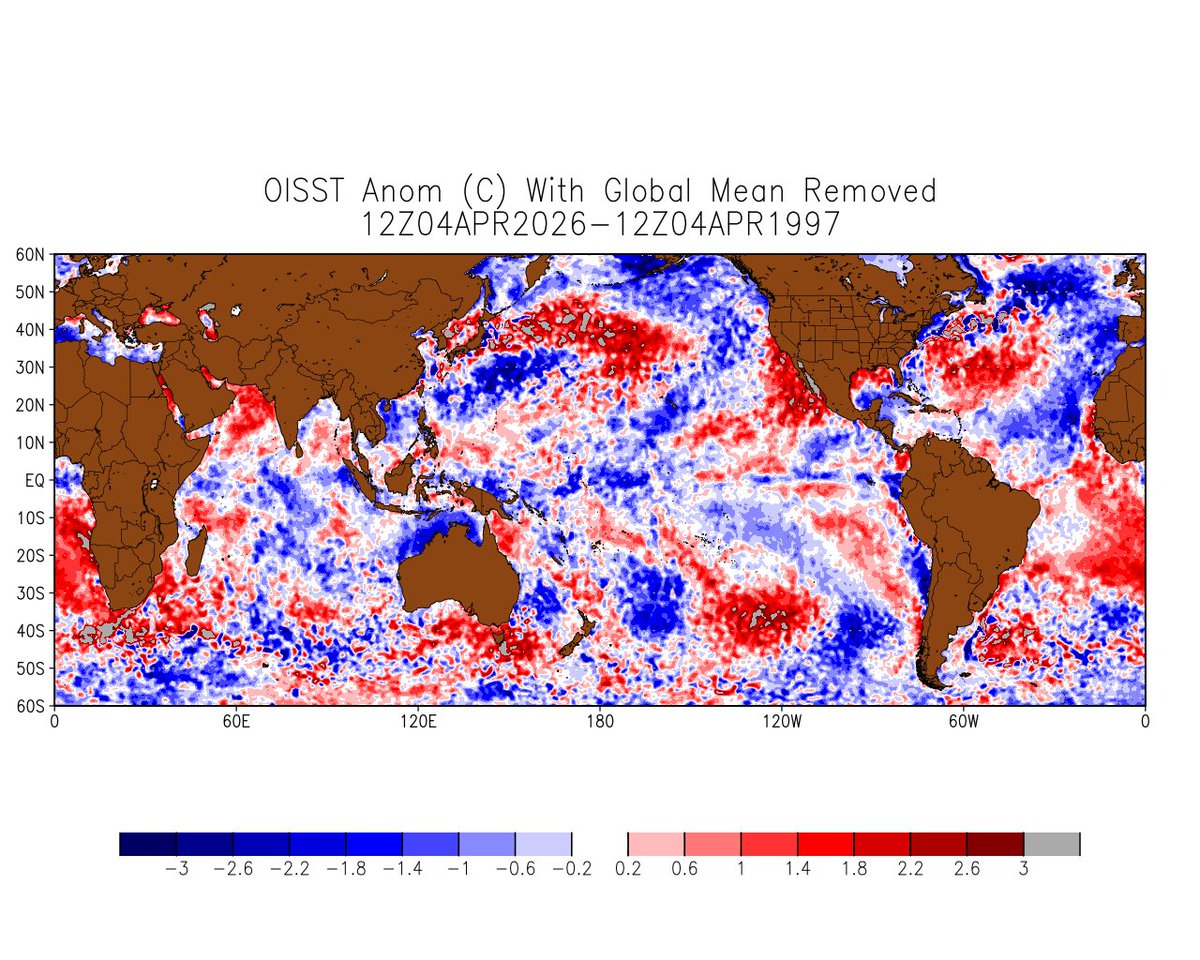
Ran my "SST difference" plots for the first time this year, to look at some possible analog years. One thing that jumps out about this year compared to 2023 is how much cooler the Atlantic is, and how much warmer the NE Pacific is. Those 2 things combined mean we should see a ton more shear than 2023. The ENSO regions aren't warming quite as fast as 2015 yet, but they seem comparable to 1997. One of the top analogs when I looked at several different key regions (MDR, Canary Current, ENSO, PDO) was 1991, which had 8 TS, 4 H, 2 MH. I think that's a reasonable approximation for what we might see in the Atlantic this year. Note 1991 did have Hurricane Bob impact New England. The Southwest Atlantic/East Coast region tends to be a little less vulnerable to the raging TUTT/shear brought on by strong Niño events.
Andy Hazelton tweet mediaAndy Hazelton tweet mediaAndy Hazelton tweet mediaAndy Hazelton tweet media
English
9
15
116
6.7K
Andrew Austin-Adler
Andrew Austin-Adler@WeathermanAAA_·
@climatecomedian It’s a lot more complex than that. Placement of the warmest water in relation to other areas is a huge aspect as well. In this case, the warmest water (compared to average) is in the pacific which kicks up a +shear response across the Atlantic, lowering TC potential.
English
0
0
6
426