
Mish retweetet
Mish
316 posts


Mish retweetet


I'm a Delta guy but this could potentially change the industry if succesful
United Airlines@united
The entire row is alllllll yours. Welcome to United Relax Row, three adjacent United Economy seats with adjustable leg rests that can each be raised or lowered to create a cozy lie-flat space for stretching out... You'll also get a mattress pad, blanket and two pillows. If you’re traveling with kids, a plushie too! United Relax Row will be available starting next year on more than 200 of our 787s and 777s, each with up to 12 of these brand-new rows. united.com/Elevated
English
Mish retweetet
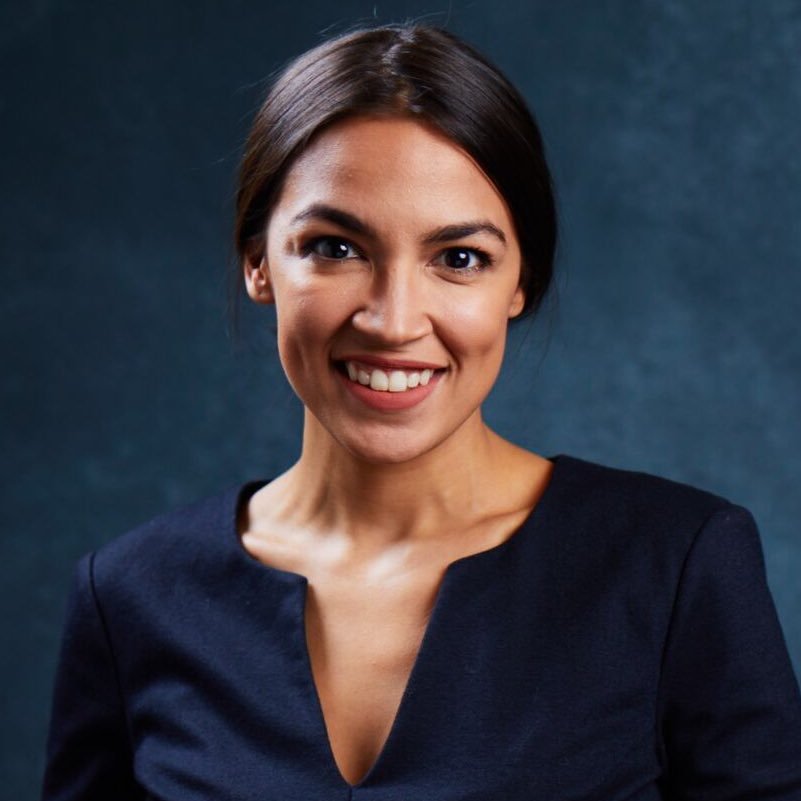
This is sad. I know as a politician these companies are going to spend a billion dollars against me for saying it but 🤷🏽♀️
Pervasive gambling is not good for society. It turns life into a casino, traps people in addiction & debt, surges domestic violence, and fosters manipulation.
Polymarket@Polymarket
We’re honored to announce MLB has named Polymarket as their Exclusive Prediction Market Exchange Partner. Polymarket 🤝 MLB
English
Mish retweetet

Mish retweetet

ITALY: Haha, we drink espresso in the dugout!
DOMINICAN REPUBLIC: Haha, we’re having so much fun hyping each other up!
TEAM USA: We’re listening to a man describe in detail the raid to kill Osama Bin Laden to prepare us to play Canada in baseball.
Jomboy Media@JomboyMedia
Robert J. O’Neill spoke in Team USA’s clubhouse ahead of their game vs. Canada O’Neill was one of the members of SEAL Team Six that carried out the mission to kill Osama bin Laden
English
Mish retweetet


I’m just a poker player.
And I built this animation in ~1 hour using Claude + Remotion.
No design background.
No motion graphics experience.
The barrier to creating is collapsing fast.
Remotion@Remotion
Remotion now has Agent Skills - make videos just with Claude Code! $ npx skills add remotion-dev/skills This animation was created just by prompting 👇
English

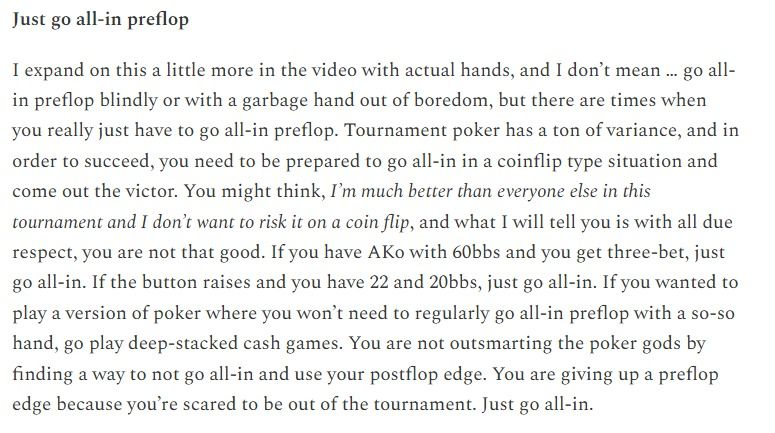
My thoughts on "avoiding flips". Don't do it!
Faraz Jaka@FarazJaka
. @padspoker recently posted a tweet asking how often a good player busts poker tournaments Bluffing / Coolered / Bad Beat / Losing a flip / Calling off dead. The most common response amongst top pros was: losing a flip is 40-60% of their bust outs.
English
Mish retweetet
If anyone saw this in their city or town, they would think:
"This is what liberation looks like. We are so grateful to the foreigners bombing our civilian and economic infrastructure and dropping bombs in our neighborhoods."
Iranian girls in particular are swooning with joy:
kev joon@never_oppressed
Apocalyptic scenes from Tehran tonight. I’ve never seen something like this.
English

🚨THIS IS CRAZZYYY: The United States Secretary of Defense just said this out loud:
“Flying over their capital. Death and destruction from the sky all day long. We’re playing for keeps.”
Tehran has a population denser than New York City.
“Death and destruction from the sky all day long.”
Those are human beings. Families. Children.
And the man controlling the most powerful military on earth is describing their deaths like a movie trailer.
Six soldiers dead. An illegal war built on lies.
No congressional vote. No plan.
And this is who’s running it.
English
@pokerheadrush prefer a check back flop and assess turn. anytime our bet gets this much action we're in trouble. as played fold, drawing dead against k10 and while one guy could have a 10 and is semi bluffing, 2 are in. as played we're behind or drawing too thin. no more money in this pot.
English
Happy Sunday, everyone.
Here’s another hand from the MSPT $1,110 in Black Hawk. This was also early in the tournament, and we were about 100 big blinds deep.
It folded to me in the cutoff, and I raised with Q♥ 10♦.
The button cold-called and the big blind called as well.
Board: Q♠ J♥ 9♦
It checked to me and I continuation bet 4 big blinds into about 10.5.
The button then raised to 17 big blinds and the big blind called.
At this point, the big question is what we want to do here. Fold, call, or raise? I don’t really care if someone guesses the same answer I came up with. What I care about is the process.
Share your process here, please. We can all learn from each other.
English
Mish retweetet
Mish retweetet


Don’t reach out to her though. Instead you should just post about it behind her back on a different emotional support app that you happen to be addicted to
g a b y@gabydvj
just saw a woman on the train type “emotional support” into chat gpt. as in she was asking it for emotional support. i know those kinds of people exist but it’s scary to see one in the wild. it makes me feel disconnected from the human condition in ways i cant fully articulate
English
Mish retweetet
Mish retweetet

Mish retweetet


Mish retweetet
