someone needs to run gpt-image-2 on swebench
this is insane.
Justin Schroeder@jpschroeder
what. what. what. gpt-image-2 almost passes the pelican test...in a screenshot of a code editor.
English
Avi Arora
3.6K posts

@c0delemons
building benchspan (backed by yc) prev. ml research @ github
what. what. what. gpt-image-2 almost passes the pelican test...in a screenshot of a code editor.
SpaceXAI and @cursor_ai are now working closely together to create the world’s best coding and knowledge work AI. The combination of Cursor’s leading product and distribution to expert software engineers with SpaceX’s million H100 equivalent Colossus training supercomputer will allow us to build the world’s most useful models. Cursor has also given SpaceX the right to acquire Cursor later this year for $60 billion or pay $10 billion for our work together.
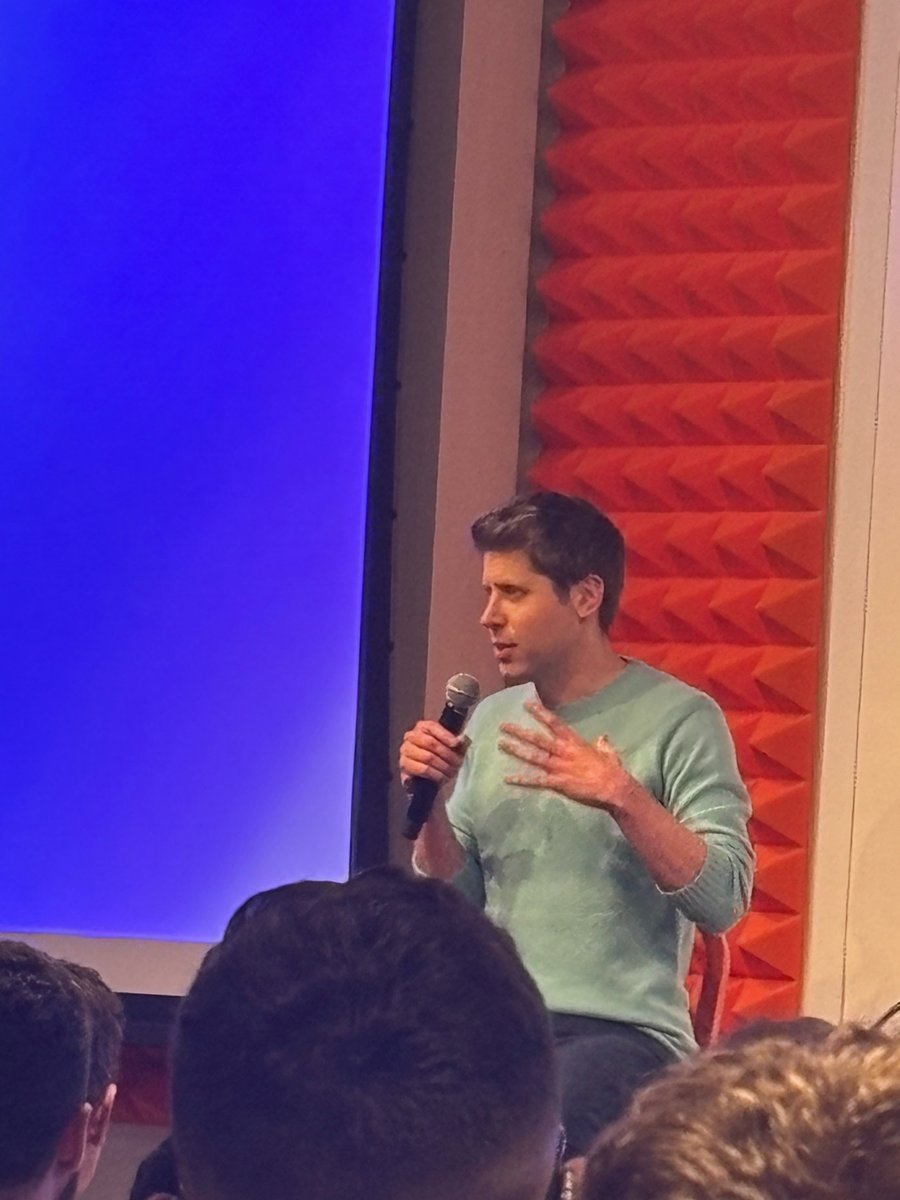




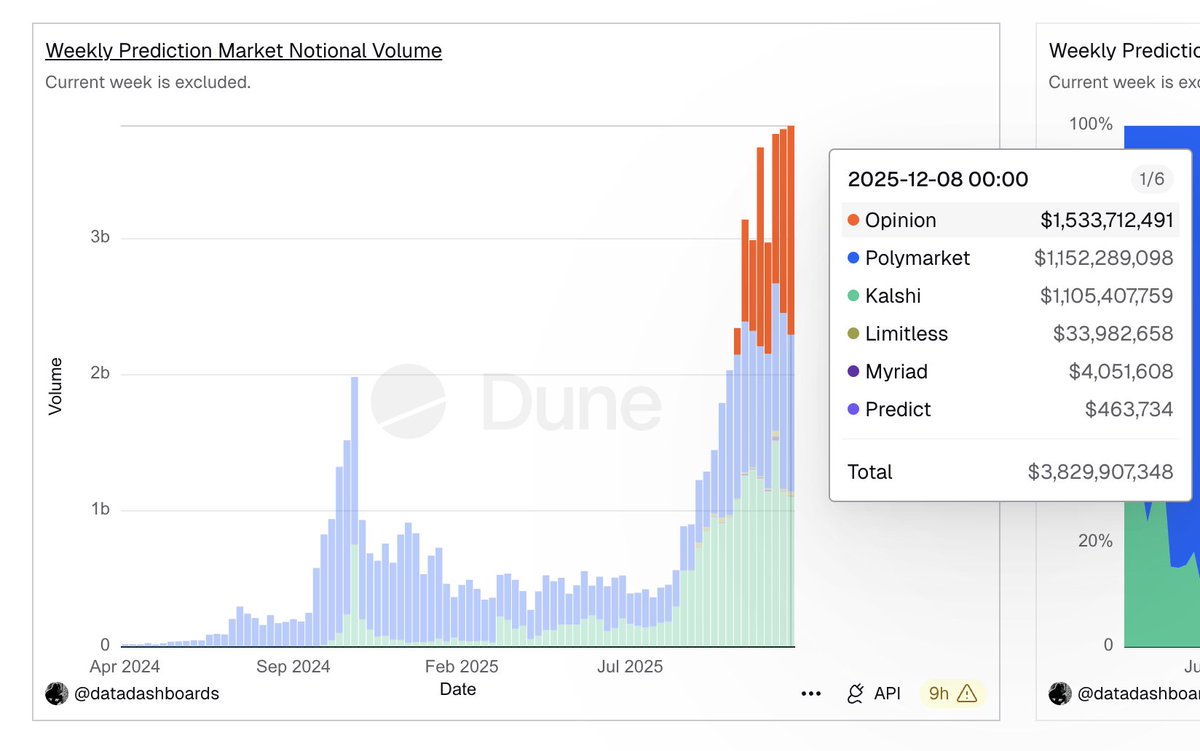
We are hosting our first Prediction Market Conference in March 2026. Researchers, economists, policymakers, traders will discuss big questions around prediction markets and knowledge aggregation. Spots will be limited. Reply here with a topic if interested in joining.

In 1945, Friedrich Hayek outlined the Knowledge Problem that any society faces: The central economic problem is not resource allocation - it is how to use knowledge that is dispersed among millions of individuals. He argues that information is fragmented, local, dynamic, and often hidden. He explains that no government or central planner can ever fully possess it, which makes them inefficient resource allocators. He proposes markets as the solution: knowledge is decentralized and prices are how society aggregates it. This idea is the intellectual foundation of modern prediction markets. Decades later, in 1988, the University of Iowa launched the Iowa Electronic Markets (IEM), which allowed small size trades on US elections and macro events. The results: even thin, low-capital markets outperformed polls. This was the first credible empirical proof that market prices are effective aggregators of public beliefs. A variety of corporate and policy experiments followed in the 2000s. Google, HP, and Microsoft all tried their own internal versions of prediction markets to forecast product launches and sales targets. DARPA built its own to forecast geopolitical events. The results were consistent: broad participation with monetary incentives led to accurate forecasts. Then, in 2015, Philip Tetlock published Superforecasting. The book, which is the culmination of decades of research into human judgment, shows that groups of curious and humble “forecasters” dramatically outperformed intelligence analysts and domain experts at forecasting. By showing that smart amateurs can outperform experts, Tetlock put into question authority figures and whether we should trust them for predictions about the future. Today, Kalshi is sitting on one of the largest repositories of high quality market data in the world. For the first time, public beliefs across a variety of domains - from economics, to politics and culture - are aggregated at scale through market prices and updated in real-time as new information arrives. Our data contains answers to open questions held about prediction markets - why they outperform traditional belief aggregation methods, how to detect shifts in collective sentiment, and which players drive market accuracy. This proprietary data has been closed to the public. We are launching @KalshiResearch to change that. We invite academics, researchers, economists, philosophers, and interested parties to work with us to study and uncover the fundamentals underpinning belief formation and prediction markets. Like Hayek proposed 80 years ago, prediction markets have the potential to improve society's collective decision making and resource allocation. The goal for Kalshi Research is to fulfill his vision.


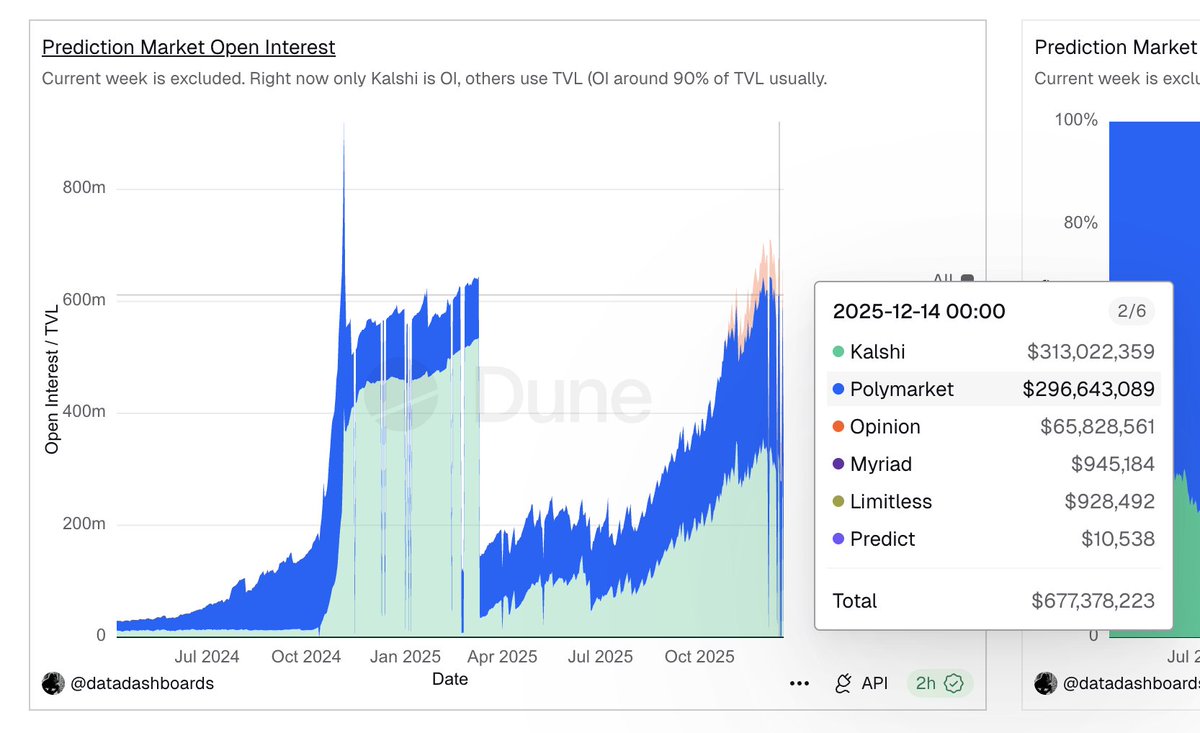
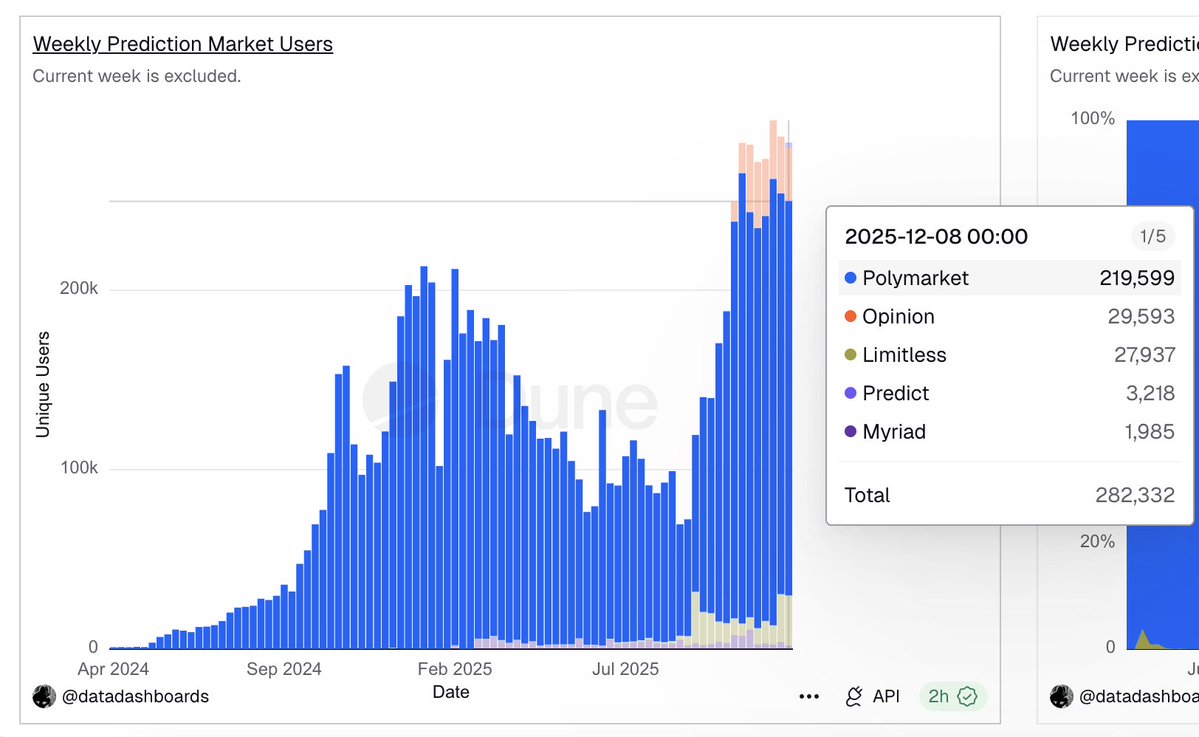
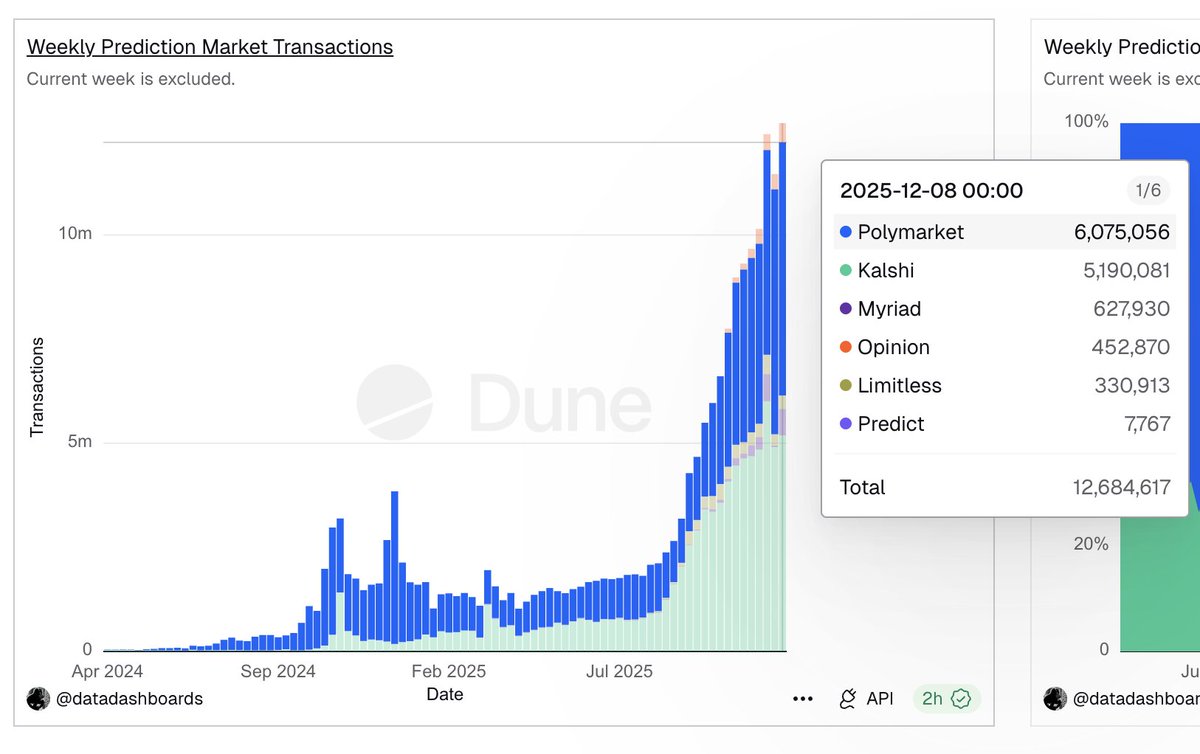

I’d use prediction markets 100x more if they lived in the place where I actually talked about predictions Small groups with friends. blog.shanemac.com/the-future-of-…