Diego Orofino

527 posts

Diego Orofino banner
Diego Orofino

Diego Orofino

@dorofino

Founder, Synapse Research Systems | Enterprise AI for Healthcare & Regulated Industries | 25+ Yrs Building Data Infrastructure | Azure, .NET, AI/ML

New York Beigetreten Şubat 2009
392 Folgt232 Follower
Diego Orofino
Diego Orofino@dorofino·
Hospitals must now publish median + 10th/90th percentile rates in machine-readable files. Named CEO attests. Enforcement live since April 1. Pricing got the audit-trail treatment. Coverage data is still a stack of PDFs. Guess what's next. #HealthIT #Transparency
English
0
0
0
9
Diego Orofino
Diego Orofino@dorofino·
@DrArturoAI The pattern keeps repeating across healthcare. Trial eligibility, hospital pricing under the MRF rules, prior auth criteria under Da Vinci. Wherever the cited, structured form replaces the PDF, you compress weeks to seconds. The hard part isn't the AI layer. It's getting the upstream document into a schema that holds up to audit.
English
0
0
0
36
Arturo LoAIza-Bonilla, MD MSEd
We just announced a collaboration with @OpenAI to make clinical trials computable. Complex eligibility criteria → structured, machine-readable parameters → real-time patient pre-screening at scale. Weeks → seconds. Trials shouldn’t be something patients have to find. Trials should find them. 🔗 massivebio.com/massive-bio-ex…?
Massive Bio@MassiveBio

@MassiveBio is collaborating with @OpenAI to expand global access to clinical trials. 🌍 Through @OpenAI's Impact Hours program, we're enabling real-time trial parameterization and free pre-screening services in high-population regions, ensuring that life-changing treatment opportunities are available to patients everywhere, not just those near major research centers. This is what AI-driven precision oncology looks like in practice: breaking down the barriers that have long kept underserved patients from accessing the trials that could change their lives. Read the full announcement → massivebio.com/massive-bio-ex… #ClinicalTrials #AIinHealthcare #PrecisionOncology #HealthEquity #CancerResearch #OpenAI #DigitalHealth

English
5
4
33
66.6K
Diego Orofino
Diego Orofino@dorofino·
@nikillinit The thornier piece sits in how the same provider gets reconciled across credentialing files, contracted rates, network attestations, and the directory shown to members. Each is owned by a different team with a different update cadence. The roster is the visible artifact. The data debt underneath is what makes it slow.
English
0
0
0
24
Nikhil Krishnan
Nikhil Krishnan@nikillinit·
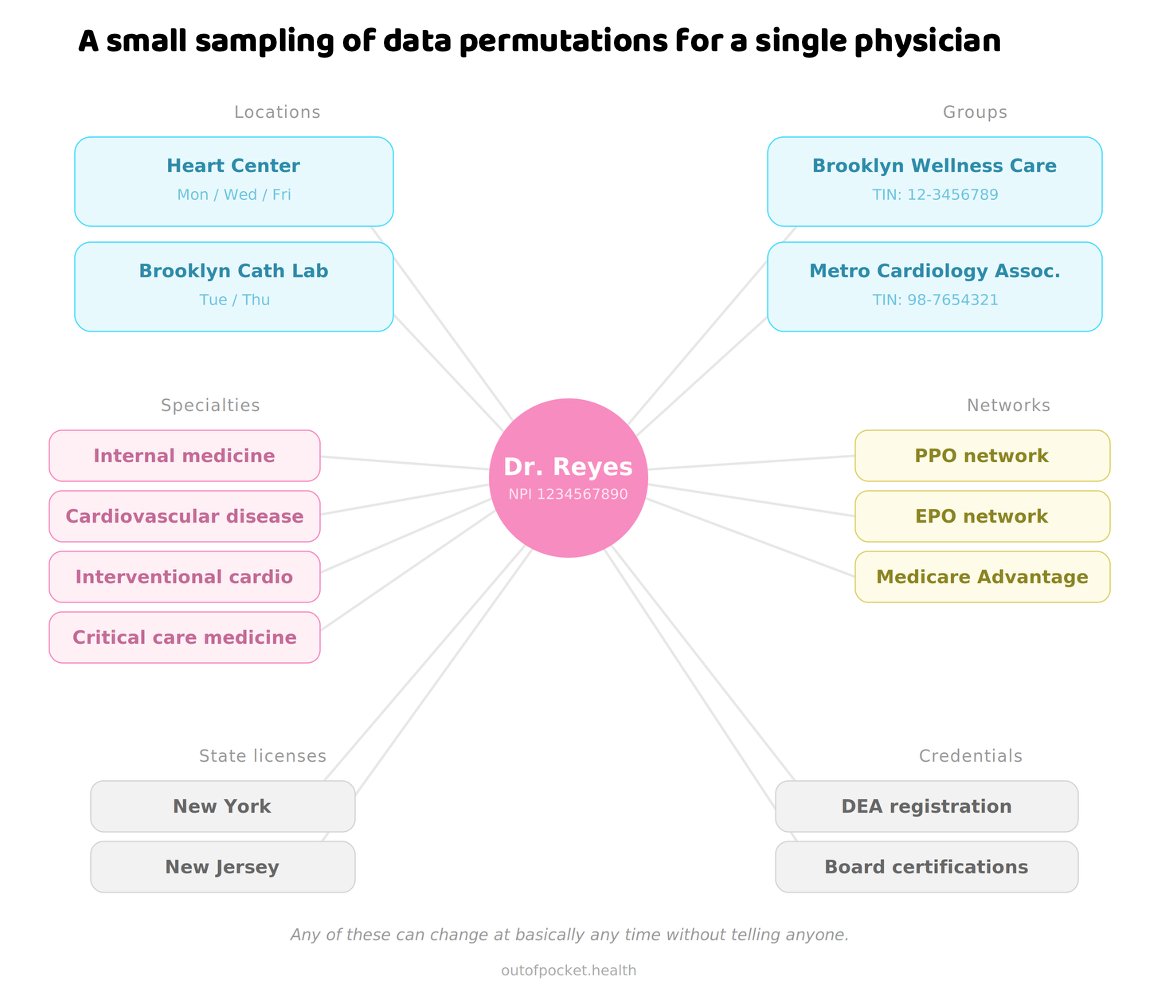
why is managing a roster of provider data so hard for payers? We walk through all the permutations one doctors can have. They can: - Practice at multiple locations - Dr. Reyes is at both the Heart Center Mon/Wed/Fri and the Brooklyn Cath Lab Tue/Thu. - Be part of multiple groups - She’s under Brooklyn Wellness Care AND Metro Cardiology Associates, each with their own Tax Identification Number. - Hold multiple specialties - Internal medicine, cardiovascular disease, interventional cardiology, critical care. - Have multiple personalities - mostly the psychiatrists, ironically Participate in multiple networks- PPO, EPO, and Medicare Advantage (each with different contract terms and effective dates) - Be in multiple states - New York and New Jersey, each with their own licensing board - Need to hold multiple different certificates, licenses, etc. - have to be confirmed and up to date (DEA registration, board certs, hospital privileges) If a doctor is in two groups at four locations across three networks with four specialties, that's potentially 96 unique rows on a roster. That’s for a single doc! Now multiply that by every provider in a health plan's network - the average provider contracts with 20+ health plans (telemedicine providers are even more promiscuous).
Nikhil Krishnan tweet media
English
6
1
15
1.5K
Diego Orofino
Diego Orofino@dorofino·
@healthapiguy The Faulkner interview always ends up at the same shape. Epic ships clinical data well. The coverage layer above it still moves as PDFs and fax. Until benefit structure is machine-readable, the FHIR PA work meets a wall it can't enforce against. Curious where your editorial notes land on that gap.
English
0
0
0
8
Brendan Keeler
Brendan Keeler@healthapiguy·
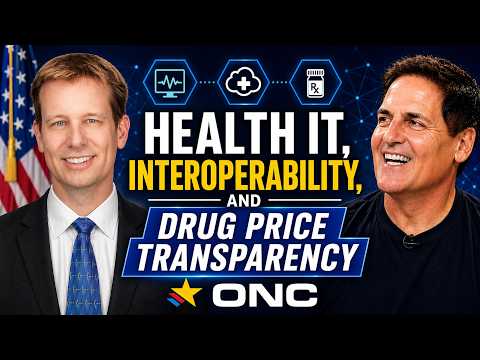
@HeyEpic CEO Judy Faulkner sat down with @Freakonomics last week, and the interview mostly covered familiar ground. I added some editorial notes that the show left on the table: why API counts don't equal developer experience, why her discussion of efficiency argument unnecessarily helps various plaintiffs' cases, and how Congress didn't condition interoperability on whether it's convenient
Brendan Keeler tweet media
English
2
0
5
775
Diego Orofino
Diego Orofino@dorofino·
Information blocking enforcement is live. ASTP issuing $1M-per-violation notices, stacking allowed. 1,600+ complaints already in the portal. Health data isn't "shareable when convenient" anymore. Provenance just stopped being optional. #HealthIT #Interop
English
0
0
0
7
Diego Orofino
Diego Orofino@dorofino·
The 27% is heavily concentrated in functions sitting on top of already-structured data. Claims edits, scheduling, revenue cycle. The functions still stuck in pilot land are the ones where the underlying source is a PDF, plan documents, PA criteria, formulary tier logic. Structure precedes scale.
English
0
0
0
11
Diego Orofino
Diego Orofino@dorofino·
That headcount is the real CMS-0057 ROI argument, not the regulatory deadline. The labor exists because medical-necessity criteria still live in PDFs. Da Vinci CRD/DTR/PAS only collapse the workflow once the upstream plan documents are themselves machine-readable. Otherwise you just move the manual step.
English
0
0
1
6
Thoughts on Healthcare Markets and Tech
The 20-to-1 ratio in hospital settings versus physician-run practices is a useful gut check, but the number that haunts me from my own reporting is this: a single academic medical center employs 60-80 people solely for prior authorization, at $70-90K fully loaded cost per head. One function. One hospital. Around $6-7 million annually before you touch anything clinical. That ratio gap you're describing is partly a staffing problem and partly a billing complexity problem, and those two causes have very different solutions. Recruiting fixes neither. Where it gets strange is that administrative workers are only 20-25% of hospital FTEs total, so even a complete administrative automation wave leaves the larger labor cost problem completely intact. The 75-80% who perform irreducibly physical work, moving patients, transporting specimens, managing environmental services, don't appear in the efficiency conversation at all, even though structural nursing shortages and $11.6 billion in 2022 travel nurse spend are the numbers actually threatening solvency for nonprofit systems running at 1-3% margins. The chart may be imprecise, but the instinct behind it is tracking something real. I wrote through the full structural picture here: onhealthcare.tech/p/the-labor-pr…
Anthony DiGiorgio, DO, MHA@DrDiGiorgio

The “healthcare administration” chart is inaccurate, but it does reflect the inefficiencies in the system. We discussed this with @EladLevyMD on our latest episode of @DRsLoungePod: In the hospital, it takes about 20 people to get a person through surgery. In a physician-run ASC, they got it down to 4. Those efficiency gains aren’t captured in charts like these, because all 20 people in the hospital setting are categorized as clinical staff. The reduction in staff is important. It means the surgery is less expensive. It’s also faster and more efficient. That means more people get access to the care they need. Fantastic conversation.

English
2
1
2
1.1K
Diego Orofino
Diego Orofino@dorofino·
The "touch once" framing has held up for clinical data through TEFCA. The harder lift is coverage data, where SBC and SPD content still gets re-extracted by every broker, TPA, and HR platform every plan year. Once those documents are emitted in machine-readable form aligned with US Core, the same compounding kicks in.
English
0
0
1
149
Diego Orofino
Diego Orofino@dorofino·
Vertafore now AI-imports SBCs into BenefitPoint. 45 min saved per plan, they say. The interesting question isn't "can we extract SBCs" anymore. That's commodity. The question is: can you cite the source page and bbox for every extracted value? #BenefitsTech
English
0
0
0
30
Diego Orofino
Diego Orofino@dorofino·
@_ACHP The path to zero runs through structured benefit data. If member eligibility, formulary tier, step therapy, and medical-necessity criteria are emitted in machine-readable form, routine cases get auto-approved and human review concentrates where it should. The nonprofit model proves the outcome side. The infrastructure side is what makes it scale.
English
0
0
0
7
Shawn Martin
Shawn Martin@rshawnm·
United Health Group (UHG) recently reported their Q1 2026 results, exceeding earnings expectations with $111.7 billion in revenue—a 2% year-over-year increase. They attribute their positive performance to “improved medical cost management.” Just so we are all clear - medical cost management is code for prior authorization, downcoding, care denials, etc. They take pride in denying care because it looks good on their earnings report.
English
19
44
117
9K
Diego Orofino
Diego Orofino@dorofino·
@NedOLutz That overturn rate is the signal. Once CMS-0057-F goes live the appeal-to-denial gap becomes machine-comparable across plans, and the PDFs that house the actual criteria stop being a defensible audit trail. The plans that emit structured criteria and dated decision provenance are the ones that will hold up when the discovery questions arrive.
English
0
0
0
6
Ned Lutz
Ned Lutz@NedOLutz·
Centene just told the feds: 1 in 8 Medicare Advantage prior auths denied last year. 94%+ of appeals get overturned. Public record now under CMS-0057-F.
English
2
0
0
19
Diego Orofino
Diego Orofino@dorofino·
@healthapiguy The Lewis trap is the real play here. Same dynamic shows up in coverage litigation. Arbitration and individual claim handling block aggregation, which insulates decision logic from systemic discovery. The defensible operators are the ones whose plan documents, criteria, and decision provenance can hold up when discovery does land. Path two looks right.
English
0
0
0
7
Brendan Keeler
Brendan Keeler@healthapiguy·
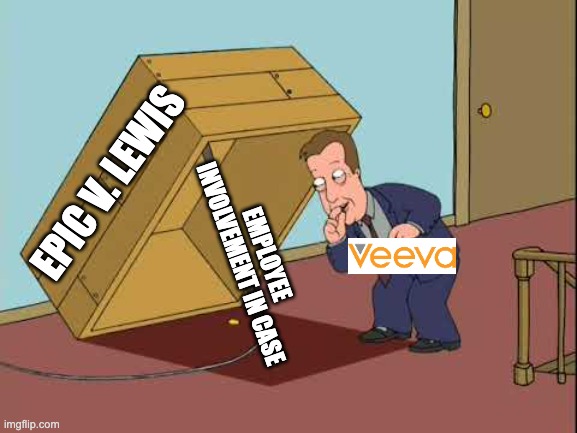
Epic filed their Reply in Veeva Systems v. Epic this week, closing the MTD briefing. The Reply is tight and surgical - Epic quotes Veeva's own opposition back at itself three times in the first paragraph and builds the whole case around those concessions. But the bigger story is what happens next. Both realistic outcomes for Veeva require pulling Epic employees more closely into the case, which triggers Epic's arbitration clauses and class-action waivers (see Epic Systems v. Lewis). Veeva's whole briefing strategy has been about avoiding exactly that trap. Full analysis on Daily Ping, including why I still think path two is the most likely outcome despite Epic's push for with-prejudice dismissal.
Brendan Keeler tweet media
English
2
0
1
501
Diego Orofino
Diego Orofino@dorofino·
Medicare's AI prior auth pilot turned 2-week approvals into 4-8 week waits at Washington hospitals. AI on top of unstructured benefit data isn't faster. It's just slower with extra steps. Cite the source or skip the AI. #HealthTech #PriorAuthorization
English
1
0
2
19
Diego Orofino
Diego Orofino@dorofino·
Indiana banned AI as the sole basis to downcode claims. Utah requires insurers to disclose AI use in authorization to enrollees starting 2027. The 2026 rule for AI in coverage: if it touched the decision, you better be able to show your work. #HealthcareAI
English
0
0
0
11
Diego Orofino
Diego Orofino@dorofino·
@NickHealthAI Audit rights on paper are easy. Audit rights with structured access to formulary tier logic, prior auth criteria, and rebate guarantee math are where transparency actually shows up. Most plan sponsors discover the gap during litigation, not contracting. Good to see this surfaced earlier in the cycle. Re: x.com/NickHealthAI/s…
English
1
0
0
252
Nick Beckman
Nick Beckman@NickHealthAI·
rxbasis.com It analyzes PBM contracts for rebate economics, spread pricing risk, specialty control, audit rights, and suggested contract redlines. Thoughtful work in an area that needs much more transparency.
English
2
6
17
53.8K
Diego Orofino
Diego Orofino@dorofino·
@healthapiguy The interesting boundary is the payer side, not the clinical reasoning. Once a copilot suggests an order, the next question is whether the patient's plan covers it and on what terms. Provenance from clinical recommendation back to the specific plan rule that allowed or denied it is where defensibility breaks today. Re: x.com/healthapiguy/s…
English
0
0
0
16
Brendan Keeler
Brendan Keeler@healthapiguy·
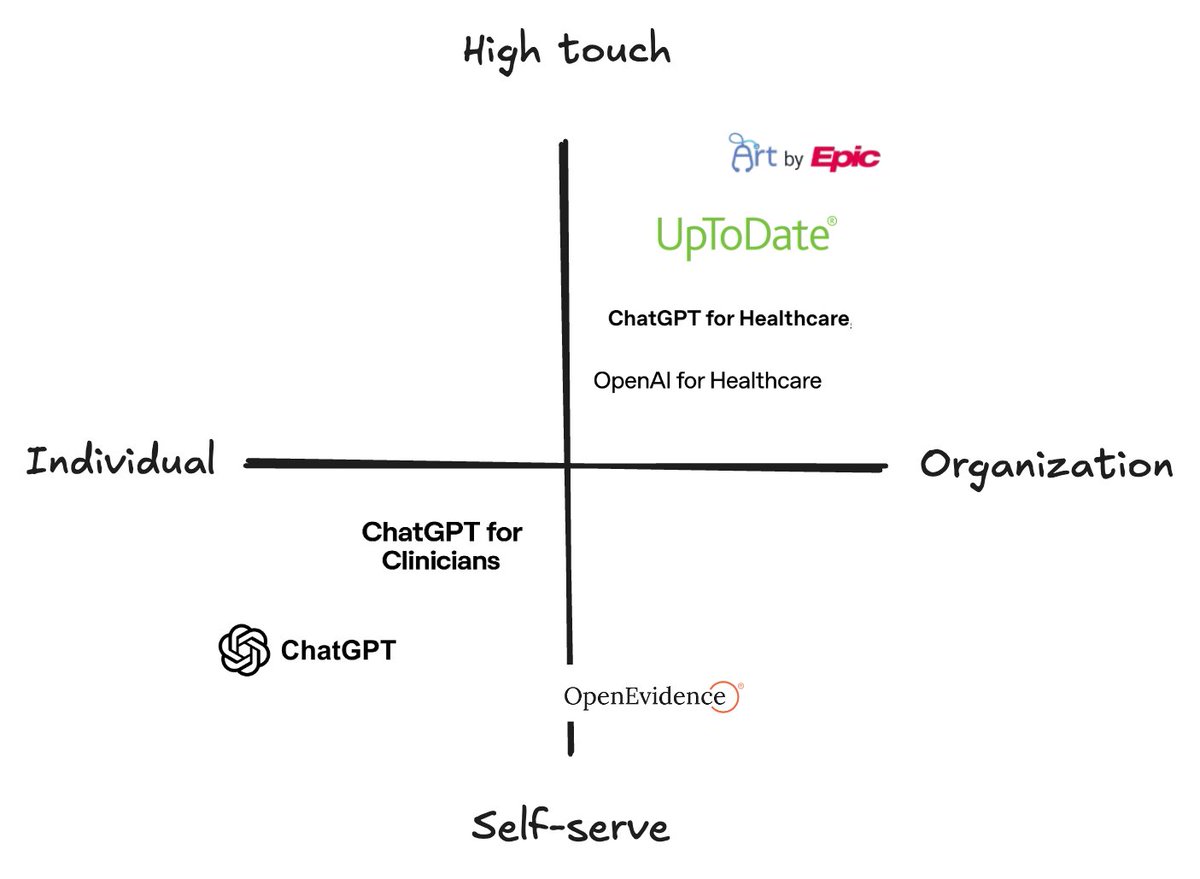
OpenAI launched ChatGPT for Clinicians this week. It's a free AI copilot for verified U.S. physicians, NPs, PAs, and pharmacists: - Clinical search grounded in peer-reviewed literature - Reusable skills for common workflows - CME credits baked in. The interesting thing isn't the product. It's that OpenAI already shipped most of these features in January as ChatGPT for Healthcare. What's actually new here is the go-to-market: free, individual clinicians, no institutional contract required. The rest is the enterprise product with the enterprise layer peeled off. So why the PLG pivot? Institutional sales in healthcare are slow and painful, and since most of the advertised use cases don't require PHI, OpenAI can skip the BAA overhead. The bigger story is competitive: OpenAI is winning consumer but losing enterprise to Anthropic, which now has a 70% win rate on new enterprise deals, just overtook OpenAI's total revenue run rate, and owns 54% of the enterprise coding market via Claude Code. When your enterprise motion isn't clicking, you lean harder on what you're good at. PLG is a consumer-adjacent motion applied to a B2B-flavored vertical. As others have noted, this is also a full frontal assault on OpenEvidence, the Miami-based AI company that's become healthcare AI's breakout story with 40%+ clinician adoption. Functionally, ChatGPT for Clinicians is OpenEvidence with a bigger brand name and deeper pockets. Which raises the real question: can a horizontal platform displace a hyperspecialized default that already has the clinicians' habits? The meta-lesson is about PLG markets themselves. PLG is permissionless by design. You ship it publicly, your competitors kick the tires, and they copy what works. OpenEvidence ran this motion to challenge UpToDate. OpenAI is running it against OpenEvidence. Someone will run it against OpenAI. But the trap cuts both ways. In PLG, features are copyable. Distribution isn't. OpenEvidence's real moat isn't their product, it's the 40%+ of clinicians who already use it daily. Getting them to switch requires more than parity.
Brendan Keeler tweet mediaBrendan Keeler tweet mediaBrendan Keeler tweet media
English
6
2
33
3.4K
Diego Orofino
Diego Orofino@dorofino·
@dp_oneill The provenance gap on network changes is the operational tell. Members get an SBC at enrollment, then learn mid-year that a key provider is out. The plan documents and the live directory rarely reconcile. Structured benefit data plus dated network deltas would make these shifts auditable rather than litigable after the fact. Re: x.com/dp_oneill/stat…
English
0
0
0
7
Dan O'Neill
Dan O'Neill@dp_oneill·
Personally, I don't think Medicare Advantage plans should be permitted to shrink provider networks *during a plan year* In other areas, if you sell a financial product to elderly people, and the product doesn't do what the seller explicitly says it will do, we call it fraud, no?
English
2
2
9
900
Diego Orofino
Diego Orofino@dorofino·
Another HR tech vendor launched a broker partner program this week. Brokers stay the trusted advisor; tech provides the rails. The broker channel is where benefit data infrastructure gets decided in 2026. Build for it, or get priced out of it. #BrokerTech
English
0
0
0
13
Diego Orofino
Diego Orofino@dorofino·
Aetna: 88% of PA volume on standardized electronic submission. UHC + Cigna: 70%+ by year-end. The standards are winning. Vendors that emit clean, cited, structured plan data downstream get built into the pipes. The rest don't. #HealthTech #PriorAuthorization
English
0
0
0
22
Diego Orofino
Diego Orofino@dorofino·
Utah, Indiana, Alabama, California, Texas. Five states now require disclosure or provenance for AI in health insurance decisions. If your vendor can't show sources for every extracted data point, that's a compliance gap, not a roadmap item. #HealthTech #AIRegulation
English
0
0
0
18