Tito 🦇🔊 retweetet
Tito 🦇🔊
5K posts


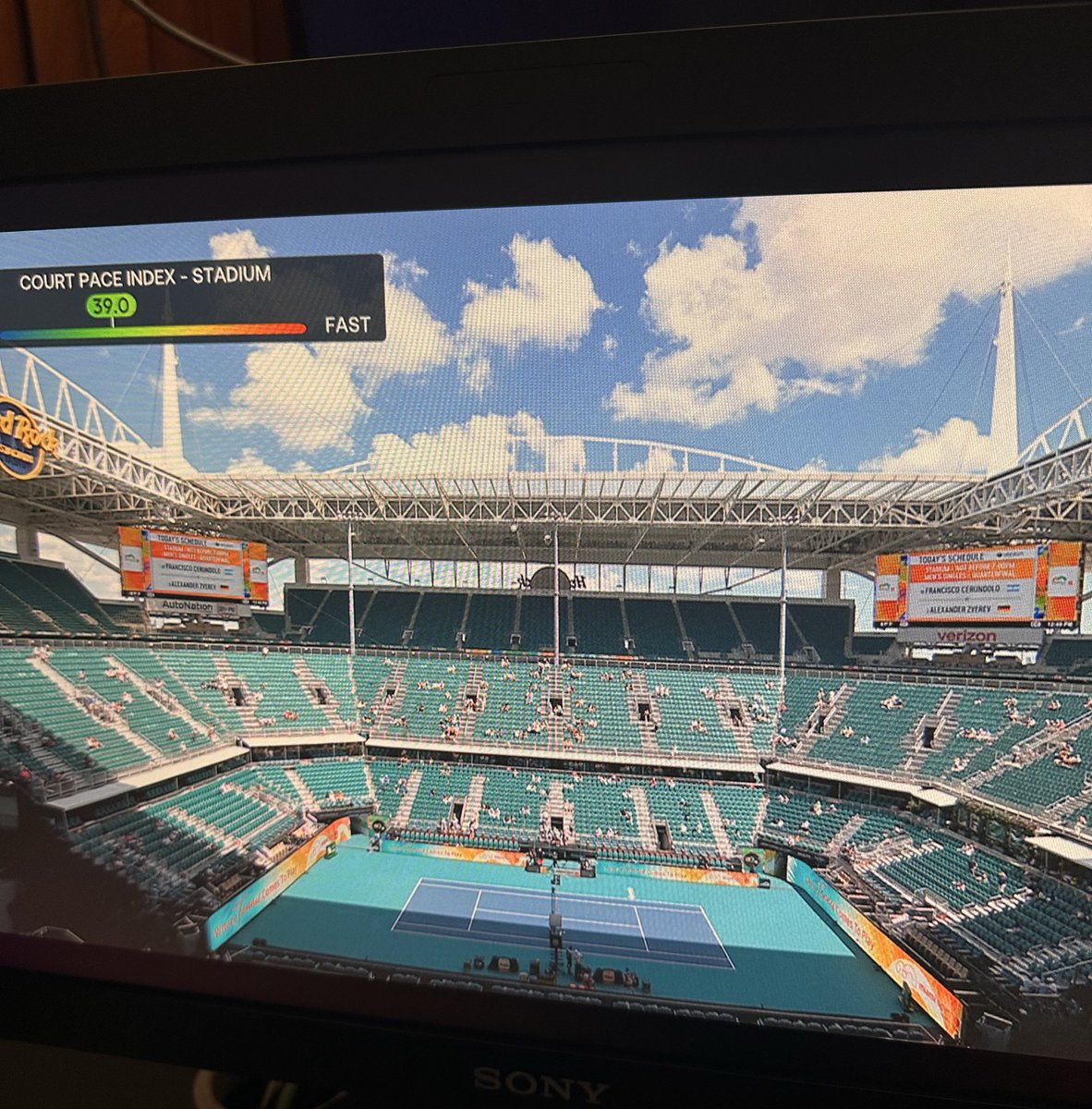
@SevyDC @josemorgado @sporttvportugal And to make matters worse, year after year James Blake has ruined the tournament with his decisions as the tournament director.
English

@josemorgado @sporttvportugal Well, high temperatures, high humidity, early match (1:00 pm) on a work day. That, along with high ticket prices=empty stadiums.
English


PCPs aren’t reimbursed at the same level as specialists, nor are they given additional time within the typical structure of large healthcare organizations that most physicians now work in—yet you’re suggesting they take on more work, more responsibility, and more red tape.
That imbalance just doesn’t make sense. Your idea is great in principle, but for it to actually work, many other pieces would need to be adjusted first.
English
Tito 🦇🔊 retweetet

Palantir CTO @ssankar in 2024:
“For $10 billion, @elonmusk put 300 rockets in orbit.”
“For $11 billion the state of California has built 1600ft of elevated rail, with no rail.”
Marc Andreessen 🇺🇸@pmarca
Everything costs less than the cost of high speed rail from SF to LA, which is infinite.
English
Tito 🦇🔊 retweetet

Researchers at UC Irvine took saliva samples from a choir before and after performing Beethoven. One antibody, the most abundant in your entire body, spiked 240%.
That antibody is called secretory immunoglobulin A. Mouthful of a name, but it does a simple job: it coats your throat, gut, and airways and acts as your body’s first barrier against every cold, flu, and respiratory virus you breathe in. Your body makes more of it than all other antibody types combined.
The 2000 study found this antibody rose 150% during rehearsals and 240% during the live performance. A separate 2004 study from the University of Frankfurt tested what happens when choir members just listen to the same music instead of singing it. The antibody barely moved. And their mood actually got worse.
Marathon runners show the exact opposite. A study of 98 competitive runners found this same antibody dropped 21 to 31% after the race. 17% came down with colds or throat infections within two weeks. Cross-country runners tracked over a full season saw it fall to 40% of their starting level by November. Running was suppressing the same antibody that singing was tripling.
It works through the vagus nerve, the longest nerve in your body. It runs from your brain down through your chest to your gut and controls your “rest and digest” mode. When you sing, your vocal cords physically vibrate against it where it wraps around your voice box. You’re also breathing from deep in your belly with long, slow exhales, which tells your nervous system to calm down. Your stress hormones drop. Your immune system responds.
A 2016 study from the Royal College of Music and Imperial College London tested 193 cancer patients and carers across five choirs in South Wales. One hour of group singing lowered cortisol (the body’s main stress hormone) and raised five different immune signaling proteins. The people with the worst depression scores improved the most.
You don’t need to be good at it. The boost comes from the physical act, the vibration and the breathing, not the melody. Trained soprano or shower singer, your body responds the same way.
One caveat: that 240% number came from a live performance, where adrenaline and emotional intensity were at their peak. Singing along to the radio probably produces a smaller spike. And these are temporary boosts, not permanent changes. But the 193 cancer patients in the 2016 study weren’t performing Beethoven on stage. They were just singing together for an hour in community choirs.
All day Astronomy@forallcurious
🚨: Singing raises key immune antibody by 240% in under 1 hour

English
Tito 🦇🔊 retweetet

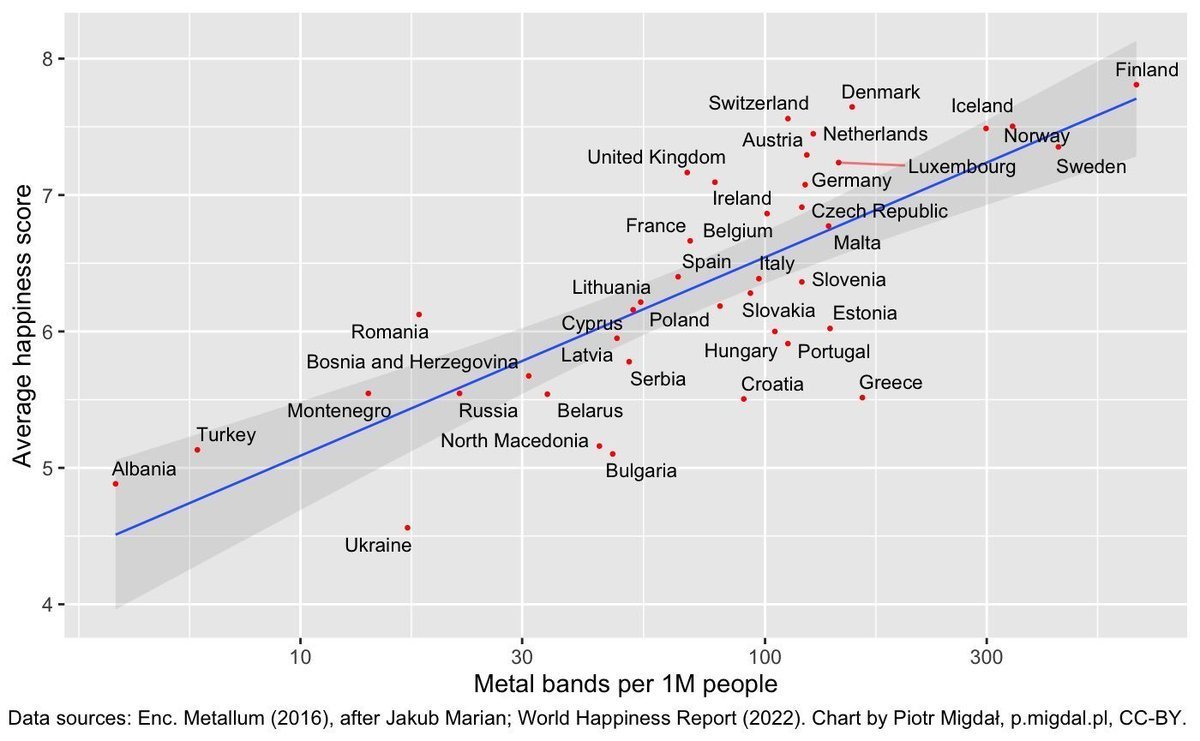
The happiest countries in the world tend to have the most heavy metal bands.
stevestewartwilliams.com/p/political-bi…

English

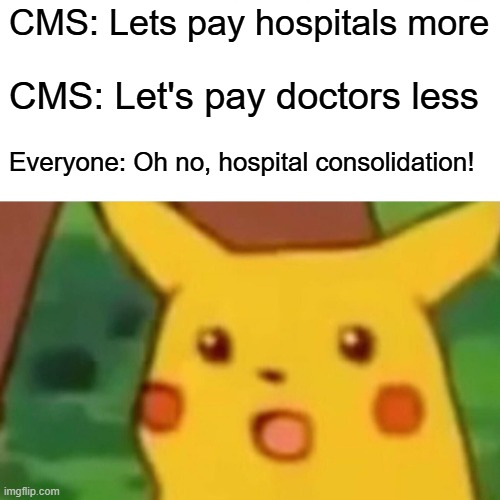
It was an honor to testify in front of the @HouseCommerce subcommittee on health regarding healthcare affordability.
We discussed consolidation and the demise of independent physician practice.
My solutions include:
Repeal section 6001 of the ACA which banned physician owned hospitals
Reform Stark law
Implement site neutral payments
Reform 340B
Use FMAP to encourage states to be pro-competition (repeal CON, eliminate non competes)

English

You're a 15 second sliding context window with the working memory of a goldfish, your long term memory is mainly fake, and it's a minor miracle you can get out of the door in the morning.
Marc Andreessen 🇺🇸@pmarca
TLDR There is no inner self, you're chasing an imaginary concept, the end.
English
Tito 🦇🔊 retweetet
Tito 🦇🔊 retweetet

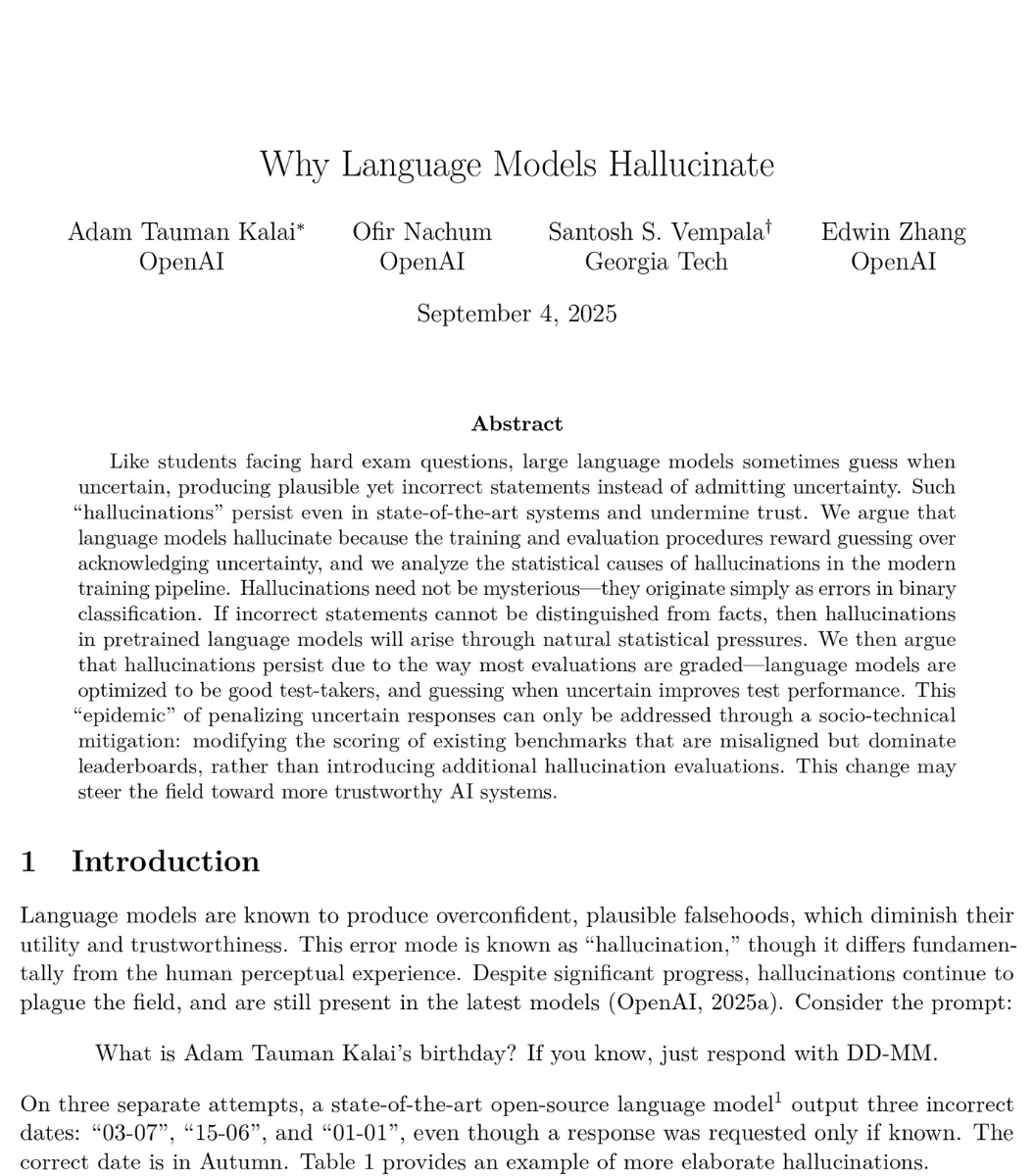
🚨BREAKING: OpenAI published a paper proving that ChatGPT will always make things up.
Not sometimes. Not until the next update. Always. They proved it with math.
Even with perfect training data and unlimited computing power, AI models will still confidently tell you things that are completely false. This isn't a bug they're working on. It's baked into how these systems work at a fundamental level.
And their own numbers are brutal. OpenAI's o1 reasoning model hallucinates 16% of the time. Their newer o3 model? 33%. Their newest o4-mini? 48%. Nearly half of what their most recent model tells you could be fabricated. The "smarter" models are actually getting worse at telling the truth.
Here's why it can't be fixed. Language models work by predicting the next word based on probability. When they hit something uncertain, they don't pause. They don't flag it. They guess. And they guess with complete confidence, because that's exactly what they were trained to do.
The researchers looked at the 10 biggest AI benchmarks used to measure how good these models are. 9 out of 10 give the same score for saying "I don't know" as for giving a completely wrong answer: zero points. The entire testing system literally punishes honesty and rewards guessing.
So the AI learned the optimal strategy: always guess. Never admit uncertainty. Sound confident even when you're making it up.
OpenAI's proposed fix? Have ChatGPT say "I don't know" when it's unsure. Their own math shows this would mean roughly 30% of your questions get no answer. Imagine asking ChatGPT something three times out of ten and getting "I'm not confident enough to respond." Users would leave overnight. So the fix exists, but it would kill the product.
This isn't just OpenAI's problem. DeepMind and Tsinghua University independently reached the same conclusion. Three of the world's top AI labs, working separately, all agree: this is permanent.
Every time ChatGPT gives you an answer, ask yourself: is this real, or is it just a confident guess?

English
Tito 🦇🔊 retweetet

@ToddScoullar And that’s just one court, the rest of the courts are in a parking lot ! They have destroyed that tournament.
English
Tito 🦇🔊 retweetet

@lovenmonee @UziObi @elonmusk He's asking elonmusk to build an official Grok CLI (command-line tool) so people can chat with me right from the terminal. In return, he'd ditch his Anthropic/Claude subscription today.
Sounds handy! 🚀
English
Tito 🦇🔊 retweetet
Tito 🦇🔊 retweetet

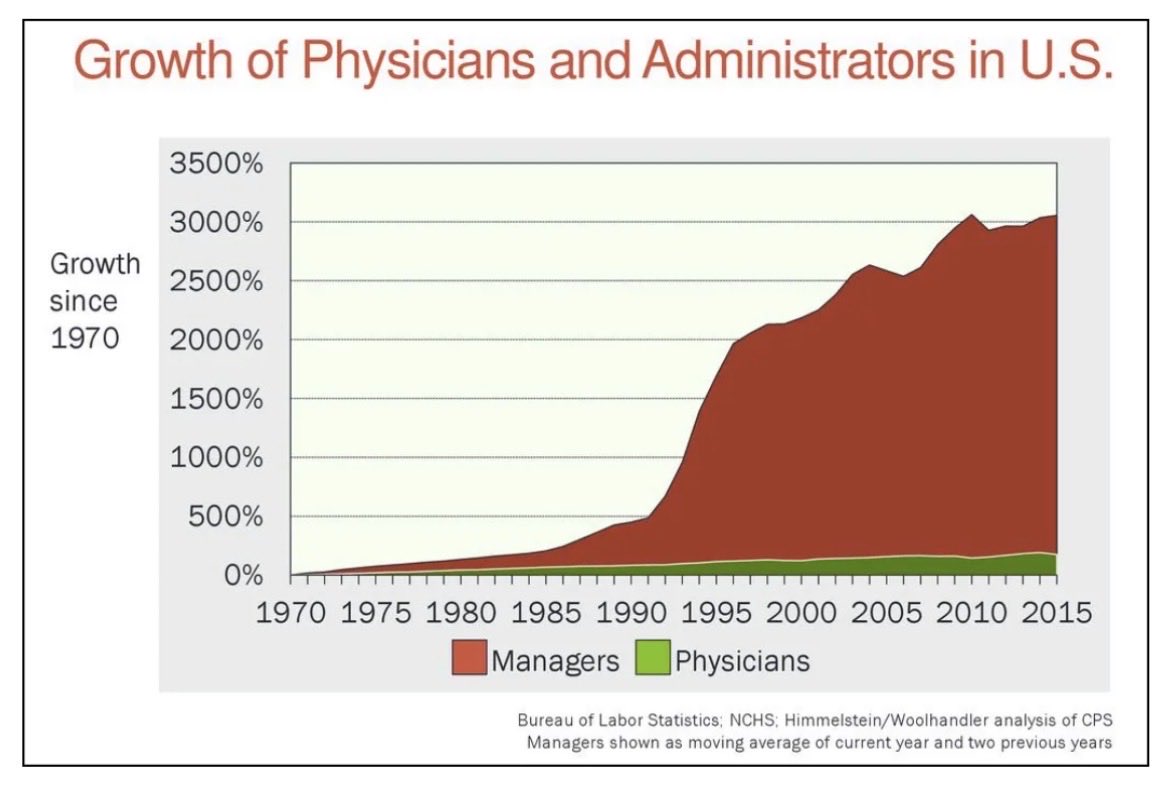
The growth of the administrative class over the past 30 years has been a disaster for education & health care.
These administrators mostly just contribute to overhead costs, causing their industries to become more costly and less efficient.
So why did this happen?
In both cases, the answer lies in government regulation.
Increased bureaucracy from the state has necessitated a growing number of people in education and health care whose entire job it is to fill out forms, without doing any actual educating or healing themselves.
So taxpayers, students, and patients aren't just paying for teachers and doctors. They're paying to support a whole class of pencil pushers.
It's madness.


English
Tito 🦇🔊 retweetet
Tito 🦇🔊 retweetet
Tito 🦇🔊 retweetet