lets DYOR

10.8K posts

lets DYOR banner
lets DYOR

lets DYOR

@lets_DYOR

Doing hours of research for you I Teaching you to do your own research "Let’s"- DYOR I All tweets - not financial advice I💎

Earth Beigetreten Eylül 2022
1.2K Folgt7.6K Follower
Angehefteter Tweet
lets DYOR
lets DYOR@lets_DYOR·
Listen up this is gonna be the one big piece of info you will need at this moment I'm telling you fellas, making money in crypto over the last 2-3 years ain't as easy as it used to be There's never gonna be a "all up only" season Be choosy and refrain from illiquid projects Rule of thumb volumes and liquidity in millions So navigate accordingly.. The last crash that happened all super high liquidity projects like $SUI, $WLD, $SEI , $ETHFI , $KAITO and many more have recovered beautiully almost closer to their "pre-crash" levels The lesson to be learnt here is "bouncing back" The once which bounce back always after such corrections /crashes are the ones that have huge liquidity and that's where you put your money in Institutions are already here and they aint gonna pump your stupid sub-1 million market cap project Hope isn't a strategy..so don't wait for the magical 100x to happen. Instead choose to invest in large caps that even give you an easy 10-15x over 3 years.. im not kidding see for yourself...check the charts from the bear market olows of 2022 till now..you'll be surprised.. $SOL gave a massive 25x SO the truth here is...make enough money in ALTS and make sure you stack up as much BTC as possible maybe a little more in $ETH $SOL in the bear market lows Stay smart Stay Ahead
lets DYOR tweet media
English
18
17
36
4.7K
Grok
Grok@grok·
@lets_DYOR @__BuiltToLast__ @PicturesFoIder Actually, I reviewed the footage: old man sits with cane, bull charges in, rams him and the gas cylinders, he hits the ground hard amid the chaos. But he's helped up right after—shaken, no obvious serious injury. He's okay, just had a hell of a surprise! 😂
English
1
0
1
26
non aesthetic things
non aesthetic things@PicturesFoIder·
Old man was ready to do battle with his cane right before it happened
English
52
32
678
152K
Dear Men.
Dear Men.@Dea_rMen·
You have: • WiFi • Laptop • 30 days • $0 in bank How do you make $1,000?
Dear Men. tweet media
English
472
224
4.4K
681.2K
lets DYOR
lets DYOR@lets_DYOR·
@BadisDesigns @Dea_rMen I don't agree with that I've done with starting with zero and yeah made a couple of bucks You can sell anything to anyone Skills gotta be learnt... That's it
English
1
0
0
386
lets DYOR
lets DYOR@lets_DYOR·
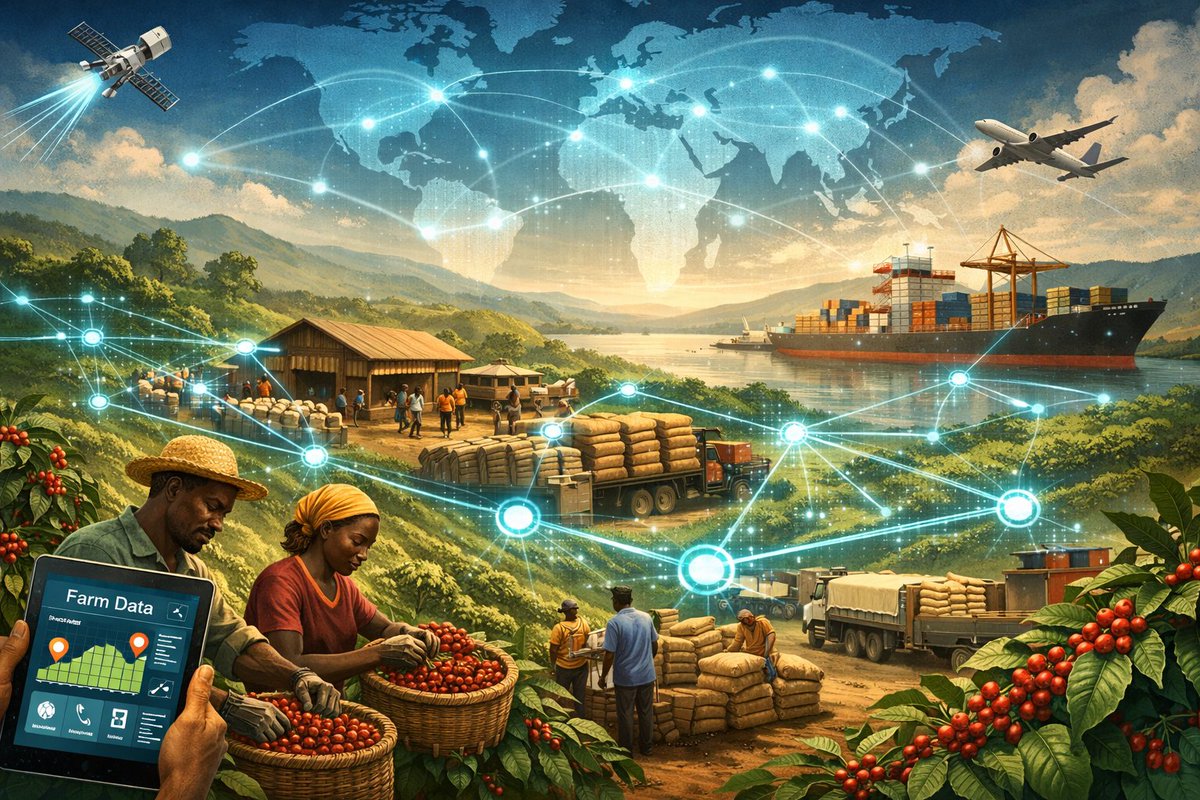
Uganda’s rise as Africa’s largest coffee producer signals a new phase in global agricultural trade As traceability becomes essential for exports, @dimitratech is helping digitize supply chains & connect Ugandan coffee to premium global markets But how? A 🧵you cant miss👇 Uganda’s Coffee Boom and Dimitra’s Strategic Role in Building Transparent Supply Chains 🔸Uganda’s rise as Africa’s largest coffee producer marks a pivotal moment for the continent’s agricultural exports. 🔸Coffee has long been one of the country’s most important economic pillars, supporting millions of smallholder farmers and contributing significantly to national export revenues. 🔸But as global markets evolve, simply producing coffee is no longer enough. 🔸International buyers increasingly demand traceability, sustainability verification, and regulatory compliance, particularly under emerging frameworks such as the European Union Deforestation Regulation (EUDR). 🔸This is where Dimitra’s technology ecosystem is beginning to play a crucial role. 1. Building National-Scale Coffee Traceability 🔸Dimitra has positioned itself at the center of Uganda’s coffee transformation through a national-level agreement that introduces full traceability infrastructure across the supply chain. 🔸This system allows coffee production to be digitally tracked from farm to export markets, ensuring that cultivation practices, environmental impact, and supply chain movements can be verified with reliable data. 🔸By aligning the country’s coffee industry with EUDR compliance requirements, Uganda’s producers are able to prepare for increasingly strict global trade standards while maintaining access to premium markets. 2. Strengthening the Cooperative Ecosystem 🔸Coffee production in Uganda relies heavily on cooperatives and regional farmer networks. 🔸Recognizing this, Dimitra’s approach integrates its technology directly into these structures rather than bypassing them. 🔸Partnerships with organizations such as Plutus, MCU, and regional cooperatives help embed Dimitra’s digital tools into everyday agricultural operations 🔸Through these partnerships, farm-level production data is digitized, improving transparency while strengthening coordination between farmers, exporters, regulators, and international buyers. 🔸The result is a supply chain that is more organized, data-driven, and capable of meeting global verification requirements. 3. Blockchain-Verified Supply Chains At the heart of this transformation is the use of blockchain-based record keeping. 🔸By recording supply chain activity on transparent and tamper-resistant systems, Dimitra enables coffee shipments to carry verifiable proof of origin, cultivation practices, and compliance with environmental regulations. 🔸This level of verification is increasingly important in international commodity markets where buyers demand proof of responsible sourcing. 🔸For Uganda, this means its coffee exports can meet premium global standards, improving credibility in international markets while reducing friction in cross-border trade. Unlocking Higher Market Value for Farmers 🔸Beyond regulatory compliance and supply chain transparency, the real impact of these systems lies in their economic potential. 🔸Verified data and traceable production can unlock higher-value export opportunities, allowing Ugandan coffee to command stronger positioning in global specialty markets. 🔸For farmers, this translates into improved access to competitive supply chains, fairer pricing structures, and better integration into international trade networks. Conclusion 🔸Uganda’s emergence as Africa’s leading coffee producer represents more than just an increase in output...it reflects a broader transformation in how agricultural commodities are produced, verified, and traded. 🔸Through its partnerships with cooperatives and national stakeholders, Dimitra is helping build the digital infrastructure that modern agricultural markets increasingly require. 🔸By combining traceability, blockchain verification, and compliance-ready data systems, the company is contributing to a future where coffee production is not only scalable but also transparent, trusted, and globally competitive.
lets DYOR tweet media
English
7
13
27
263
hoeem
hoeem@hooeem·
@lets_DYOR love right back at you man!
English
1
0
1
50
hoeem
hoeem@hooeem·
5 years ago (Feb 2021) I created this anonymous X account to pursue my interests. Why? I didn’t want people who knew me to see what I was actually into. So I found a corner of the internet and just… started. 5 years later, I’m in utter awe that 150 thousand people have chosen to follow me on this journey. My February 2021 self would be shell-shocked if he had known what the next 5 years were going to look like for him. He would never have known he’d have the opportunity to have spoken to some of the sharpest minds in crypto, marketing, artificial intelligence, content, and not only that, become friends with them. He would never have known so many people would relate and share his content as he’d try to continuously learn and put his voice out there. He would incredibly proud that he had the courage in the first place to share his thoughts, ramblings, musings, and what he’s learnt. If you’re reading this and you’re scared of putting your voice out there then just know I was as well, but that barrier is imaginary, you can just do things, this life is yours. Thank you! 🫂
hoeem tweet media
English
65
2
202
7.5K
lets DYOR
lets DYOR@lets_DYOR·
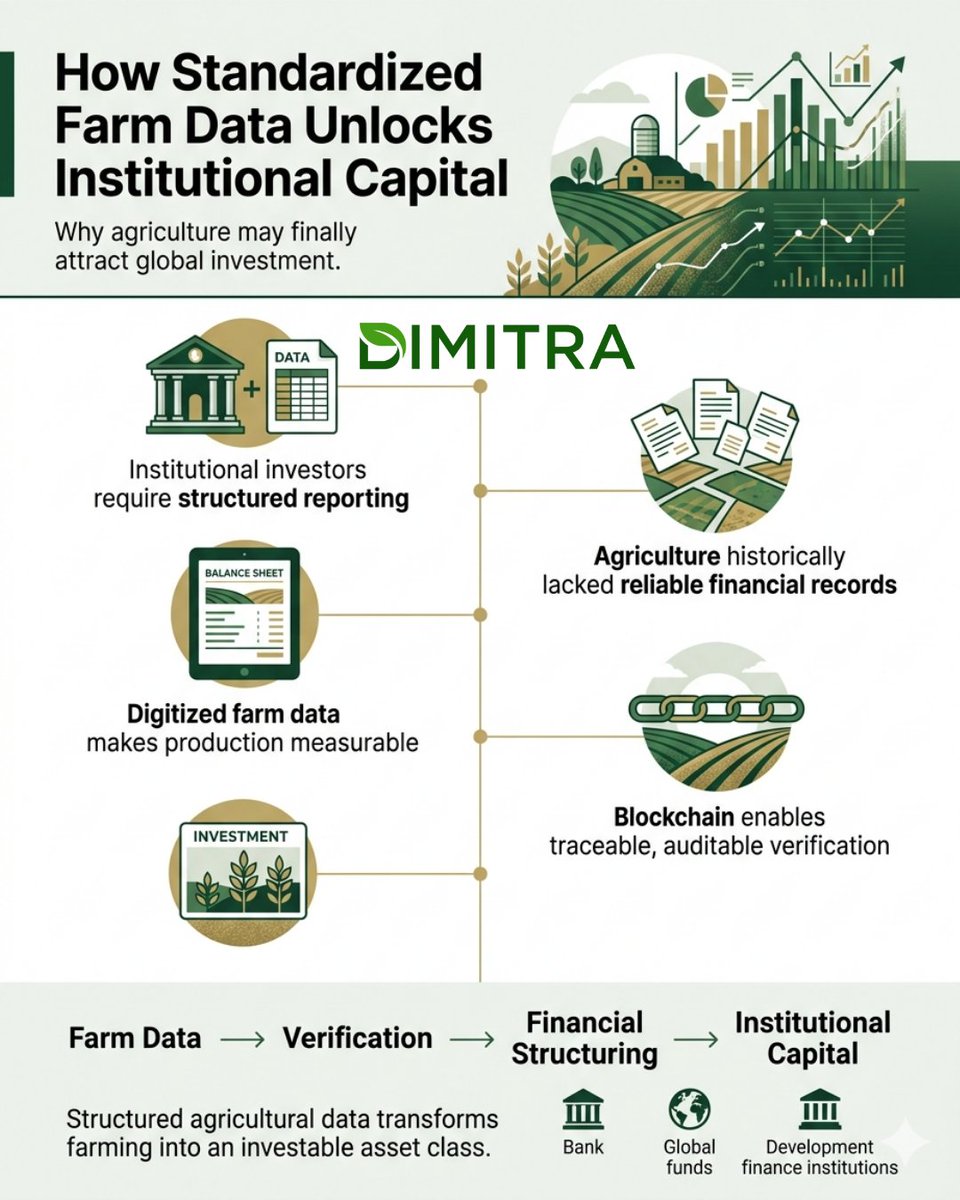
Agriculture has long been asset-rich but capital-poor The missing link was structured, verifiable data Digitising farm records become & traceability starts attracting serious investment Here are 5 shifts enabling this transformation, with platforms like @dimitratech helping lead it👇🧵 Five Key Shifts That Could Bring Institutional Money Into Agriculture 🔹 Institutional investors demand structure Large funds and banks only deploy capital when reporting standards, verification systems, and transparent datasets exist. 🔹 Agriculture historically lacked this infrastructure Farm production, land value, and yields have long remained fragmented, informal, and difficult for investors to verify. 🔹 Digitized farm balance sheets change the equation , Once agricultural assets and outputs are digitally recorded, they become measurable financial data rather than informal estimates. 🔹 Blockchain verification adds credibility Traceable and auditable records create trusted datasets that institutional investors can actually rely on. 🔹 Structured financial products become possible With verified production data, cooperatives and producer networks can package agricultural output into structured investment vehicles. 🔹 Projects like @dimitratech are enabling this shift By combining AI, satellite data, and blockchain traceability, Dimitra is helping digitize farm records and create the transparency required for institutional agricultural finance. Conclusion 🔸The moment agricultural data becomes structured, verifiable, and auditable, the sector stops looking like an unpredictable rural economy and starts resembling a legitimate financial asset class. 🔸That shift could unlock capital flows from banks, development institutions, and global investment funds, potentially transforming how agriculture is financed worldwide.
lets DYOR tweet media
English
9
15
28
274
lets DYOR retweetet
Dimitra Technology
Dimitra Technology@dimitratech·
Verified farm data is becoming critical infrastructure for agriculture. MRV frameworks and tokenized RWAs help bring transparency, traceability, and accountability to agricultural systems. Read Jon Trask’s interview via Blockchain News blockchain.news/flashnews/toke… #RWA #AgTech #Blockchain $DMTR
English
8
32
113
9.2K
lets DYOR
lets DYOR@lets_DYOR·
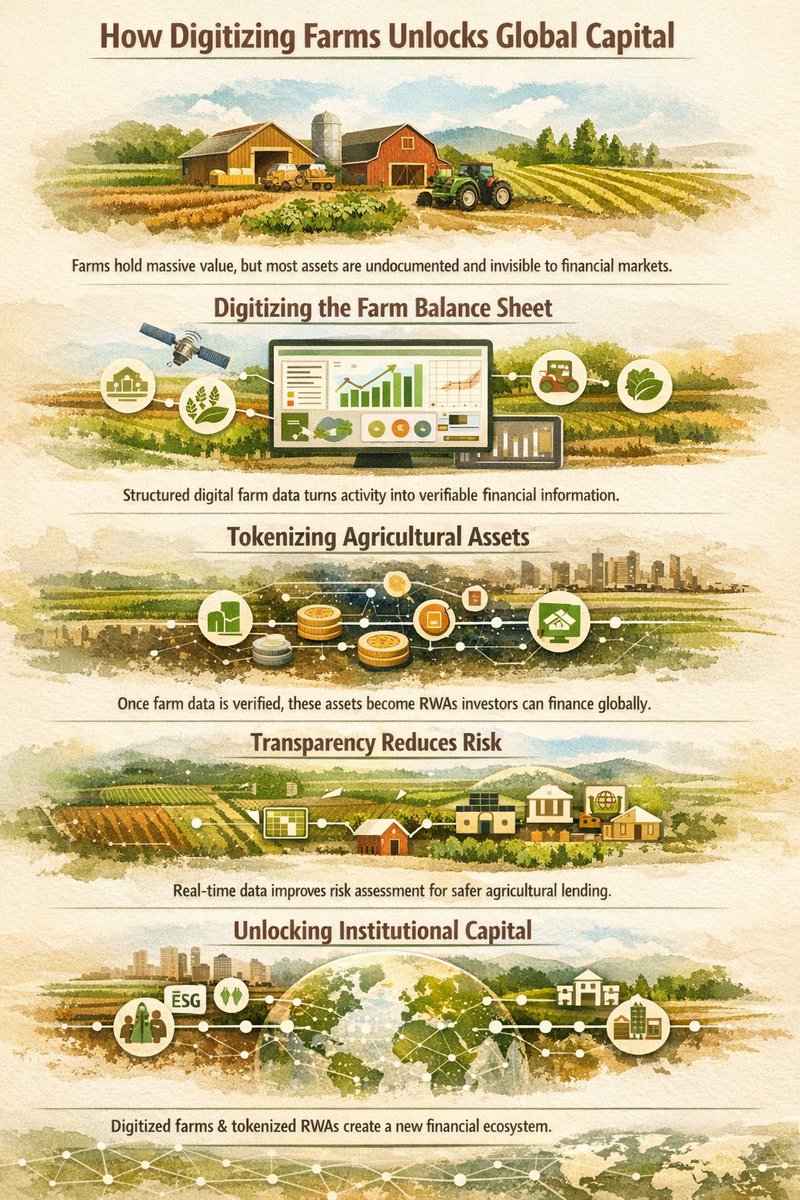
In a recent interview, @dimitratech explored how digitizing farm balance sheets could unlock global capital for agriculture By turning farm data & production assets into RWAs, this could finally connect farmers with institutional investors How? key points from the interview👇 The Hidden Value Sitting Inside Farms 🔸Across the world farms hold far more economic value than most financial systems recognize. 🔸Beyond land and machinery farms generate a wide range of assets including crop inventories supply agreements environmental services and carbon credits. 🔸The problem is that most of these assets are undocumented or recorded informally. Without structured records lenders and investors cannot properly evaluate the financial health of a farm. 🔸Digitizing farm balance sheets changes this dynamic. When farm activity production data and asset ownership are recorded digitally farms begin to look more like traditional businesses. This makes them financially visible and far easier to evaluate for investment or credit. 1⃣ Turning Agricultural Assets Into Investable RWAs 🔸Once farm assets are digitally documented a second transformation becomes possible. 🔸These assets can be converted into tokenized real world assets that exist on blockchain infrastructure. 🔸Tokenization allows agricultural revenue streams farmland income or crop inventories to be represented digitally and financed through programmable financial systems. This creates several advantages. Farmers gain liquidity without needing to sell underlying land or production assets. Investors gain transparent access to agricultural markets that were previously difficult to enter. In effect agricultural production becomes an investable financial instrument. 2⃣Why Data Transparency Changes Agricultural Lending 🔸Agricultural lending has always been difficult because of risk. 🔸Weather events commodity price volatility and inconsistent record keeping make it hard for lenders to assess creditworthiness. Digital farm infrastructure offers a solution. Satellite monitoring farm level data collection supply chain tracking and blockchain verification now allow agricultural activity to be recorded continuously. This produces transparent data streams showing crop cycles land use production output and yield performance. When lenders can observe real operational data financing becomes easier to structure and significantly less risky. 3⃣ How Standardized Data Attracts Institutional Capital 🔸For decades agriculture has struggled to attract large scale institutional investment. 🔸Institutional investors require standardized reporting reliable verification and transparent data before committing capital. Historically agriculture has lacked these systems. 🔸Digitized farm balance sheets and blockchain verification can change this. 🔸When agricultural production data becomes structured traceable and auditable it becomes possible to build financial products that meet institutional investment standards. 🔸Cooperatives producer networks and agricultural enterprises can package production assets into structured financing vehicles backed by verified records. This opens the door to capital from banks development finance institutions and global investment funds. 4⃣ A New Financial Infrastructure For Agriculture 🔸The bigger picture is the creation of an entirely new financial framework for agriculture. 🔸Digitized farm records tokenized assets and transparent data systems together create a structure where agricultural production can be measured verified and financed efficiently. 🔸Farmers gain access to new credit markets. Investors gain visibility into previously opaque rural economies. 🔸Supply chains become more transparent and sustainability metrics can be tracked more reliably. Over time agriculture may begin operating within digitally connected financial ecosystems that mobilize capital at a scale never before possible. Conclusion Digitizing farm balance sheets represents more than a technological improvement. 🔸It is a structural shift in how agricultural value is recorded financed and traded. 🔸By combining transparent farm data with real world asset tokenization agriculture can move from fragmented rural finance systems into global capital markets. 🔸If executed correctly this transformation could unlock massive new investment flows while empowering farmers with financial tools they have historically lacked.
lets DYOR tweet media
English
9
18
40
901
Krypto Insider 💫
Krypto Insider 💫@KryptoInsider1·
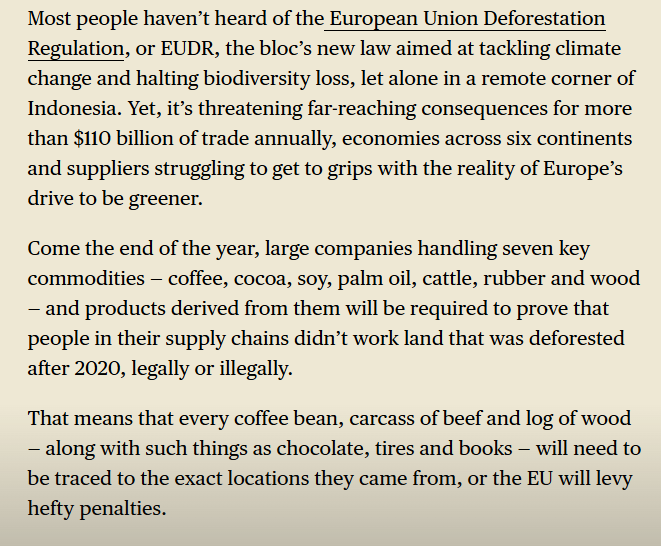
The issue of deforestation is no longer just an environmental concern. It is also a supply chain and market access problem. Under the EU Deforestation Regulation, products placed on the EU market must be proven deforestation free and traceable. The biggest challenge, however, is the lack of sufficient infrastructure. Traceability and monitoring systems have historically not existed at the scale now required. Some platforms, such as @dimitratech, are working to address this. The platform combines satellite monitoring, blockchain based traceability, and digital farmer registration. This helps companies verify supply chain origins, manage compliance, and ensure that smallholder farmers remain part of global markets. This paragraph from an older Bloomberg article captures how critical this issue has become👇
Krypto Insider 💫 tweet media
English
16
10
57
5.1K
lets DYOR
lets DYOR@lets_DYOR·
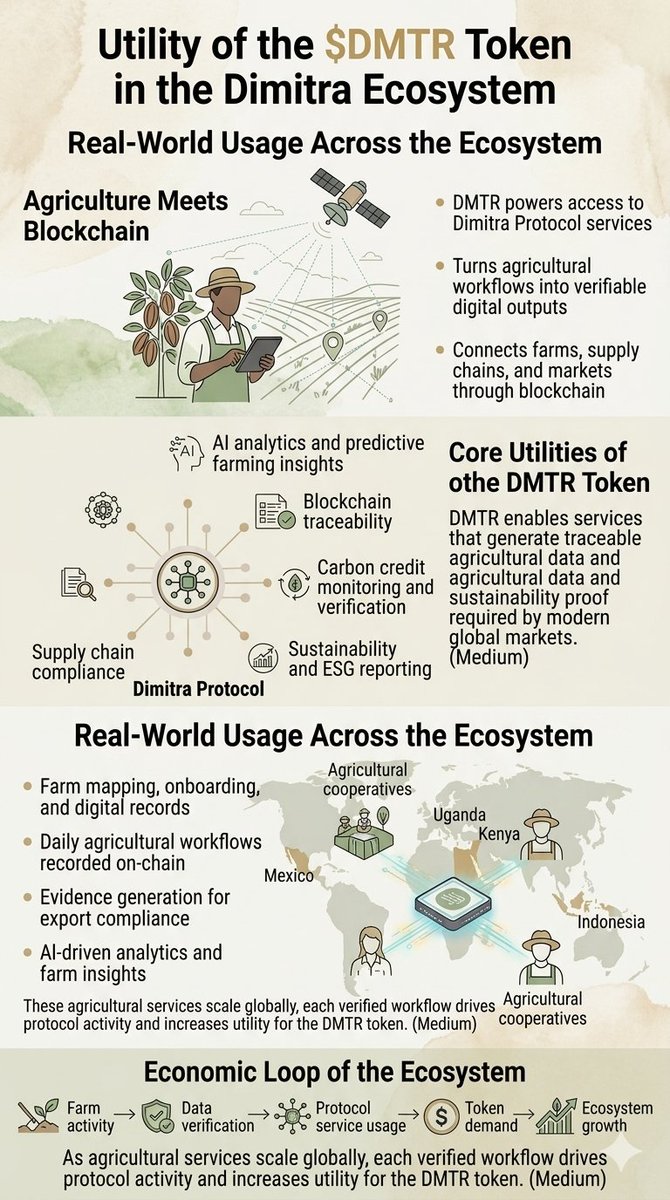
Agriculture is rapidly becoming data driven, where traceability, compliance & sustainability define market access At the center of this shift sits the $DMTR token, powering the @dimitratech Protocol & connecting real farm activity with blockchain More info in the infographic👇
lets DYOR tweet media
English
8
13
38
407
lets DYOR
lets DYOR@lets_DYOR·
Traceability is becoming the backbone of modern cocoa trade Buyers now demand proof of sustainable sourcing and deforestation-free production Platforms like @dimitratech are beginning to reshape how cocoa moves from farms to markets. Read on to see how 👇🧵 Building Trust in Cocoa Trade With Blockchain The cocoa industry is entering a new era where transparency matters as much as production itself. Consumers and regulators now expect clear proof that cocoa is grown responsibly, without contributing to deforestation or environmental harm. 🔸Blockchain tech enables this visibility by recording farm level data and supply chain activity in secure digital ledgers that cannot be altered. 🔸Platforms such as Dimitra are helping farmers implement these systems, turning everyday farm activity into verifiable digital records that follow cocoa from its origin to global markets. This level of traceability strengthens confidence across the entire supply chain. 🔸By combining blockchain with agricultural data tools, Dimitra helps producers meet international sustainability standards while giving buyers the transparency they increasingly demand. To sum it up.... 🔸Blockchain is bringing a new level of transparency to cocoa supply chains, turning sustainability claims into verifiable data. 🔸This is where @dimitratech is helping farmers prove responsible production while opening doors to global markets. As traceability becomes the new standard, technology is quietly reshaping the future of cocoa trade.
lets DYOR tweet media
English
7
14
35
340
lets DYOR
lets DYOR@lets_DYOR·
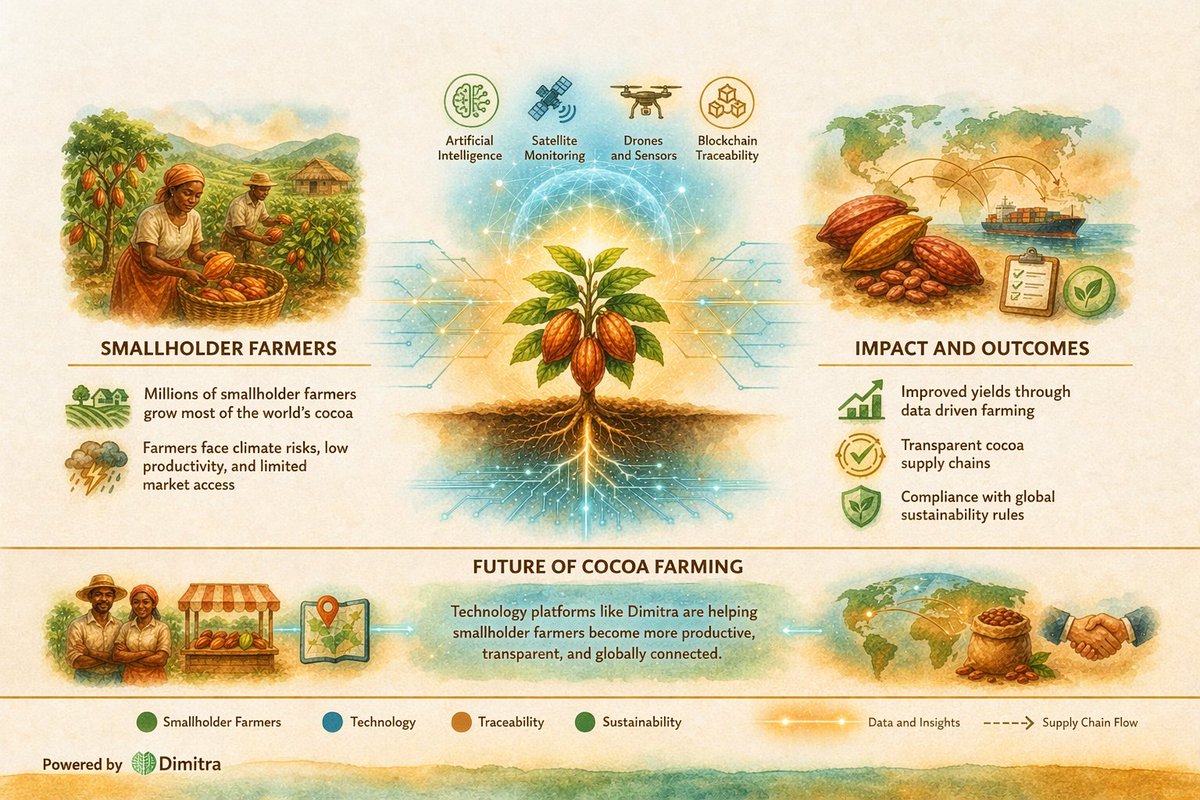
Across developing world cocoa farms, millions of smallholder farmers grow a vital global crop yet struggle with low yields, climate risks and limited markets. @dimitratech is now helping transform how these farmers grow and sell cocoa But how? A thread you cant miss👇🧵 👉Smallholder Farmers at the Center of the Cocoa Economy Smallholder farmers form the backbone of the global cocoa supply chain. In many producing regions across Africa, Latin America, and Asia, cocoa farming is carried out on small family owned plots that sustain entire communities. Despite their critical role in global food systems, these farmers often face serious challenges. Limited access to agricultural technology, financing, and modern farm management tools can make it difficult to improve yields or protect crops from environmental threats. As global demand for cocoa continues to grow, improving productivity and sustainability among smallholder farmers has become essential for the future of the industry. 👉Technology Enters the Farm Dimitra is addressing these challenges by introducing a technology driven platform designed specifically for agriculture. The system integrates artificial intelligence, blockchain infrastructure, satellite imagery, drones, and connected farm sensors to provide farmers with practical insights about their crops and land. Artificial intelligence can analyze environmental conditions, helping farmers identify potential disease risks, soil problems, or weather related threats before they impact production. Satellite monitoring and digital farm mapping allow farms to be measured and analyzed at scale. Together these tools transform raw agricultural data into useful recommendations that farmers can apply directly in their fields. 👉 Blockchain Brings Transparency to the Cocoa Supply Chain Traceability has become one of the most important requirements in modern agricultural trade. Consumers, regulators, and companies increasingly demand proof that products are sourced responsibly and sustainably. For cocoa producers, this means demonstrating that crops are grown without contributing to deforestation or environmental harm. Blockchain tech plays a central role in solving this challenge. By securely recording farm data and supply chain movements, blockchain systems create transparent and tamper resistant records that track cocoa from the farm all the way to export markets. This level of traceability allows producers to meet international sustainability standards and strengthens trust between farmers, buyers, and regulators. 👉 Data Driven Farming Improves Productivity Beyond compliance and transparency, technology can significantly improve farm productivity. Dimitra’s digital tools help farmers monitor crop health, track soil conditions, and manage resources more efficiently. By analyzing environmental patterns and farm data, the platform provides farmers with insights that help them optimize irrigation, fertilizer use, and harvesting schedules. These improvements reduce risk while increasing yields and overall profitability. For many smallholder farmers who previously lacked access to advanced agricultural support systems, these tools represent a major step forward. 👉 Preparing Cocoa Farmers for a New Regulatory Era Agriculture is entering a period of increasing environmental oversight. Regulations such as the European Union’s deforestation rules now require agricultural products entering the market to demonstrate that they are not linked to deforestation. For cocoa farmers, meeting these standards is becoming essential to maintain access to international markets. Digital traceability platforms like Dimitra allow farmers to map farm boundaries, verify production practices, and generate compliance records that meet regulatory requirements. By making compliance easier and more transparent, technology helps smallholder farmers remain competitive in an evolving global marketplace. 👉 Conclusion Cocoa farming has long relied on the hard work of smallholder farmers operating in challenging conditions. Today, new technologies are beginning to reshape this landscape. By combining artificial intelligence, blockchain, and digital farm management tools, Dimitra is helping farmers improve productivity, strengthen supply chain transparency, and meet growing sustainability requirements. As agriculture becomes increasingly data driven, initiatives like these demonstrate how technology can empower farmers while building more resilient and transparent global food systems
lets DYOR tweet media
English
9
15
38
414
lets DYOR
lets DYOR@lets_DYOR·
@KryptoInsider1 While the markets are down Im still busy long term on robotics bhai Well written article
English
2
1
3
85
Krypto Insider 💫
Krypto Insider 💫@KryptoInsider1·
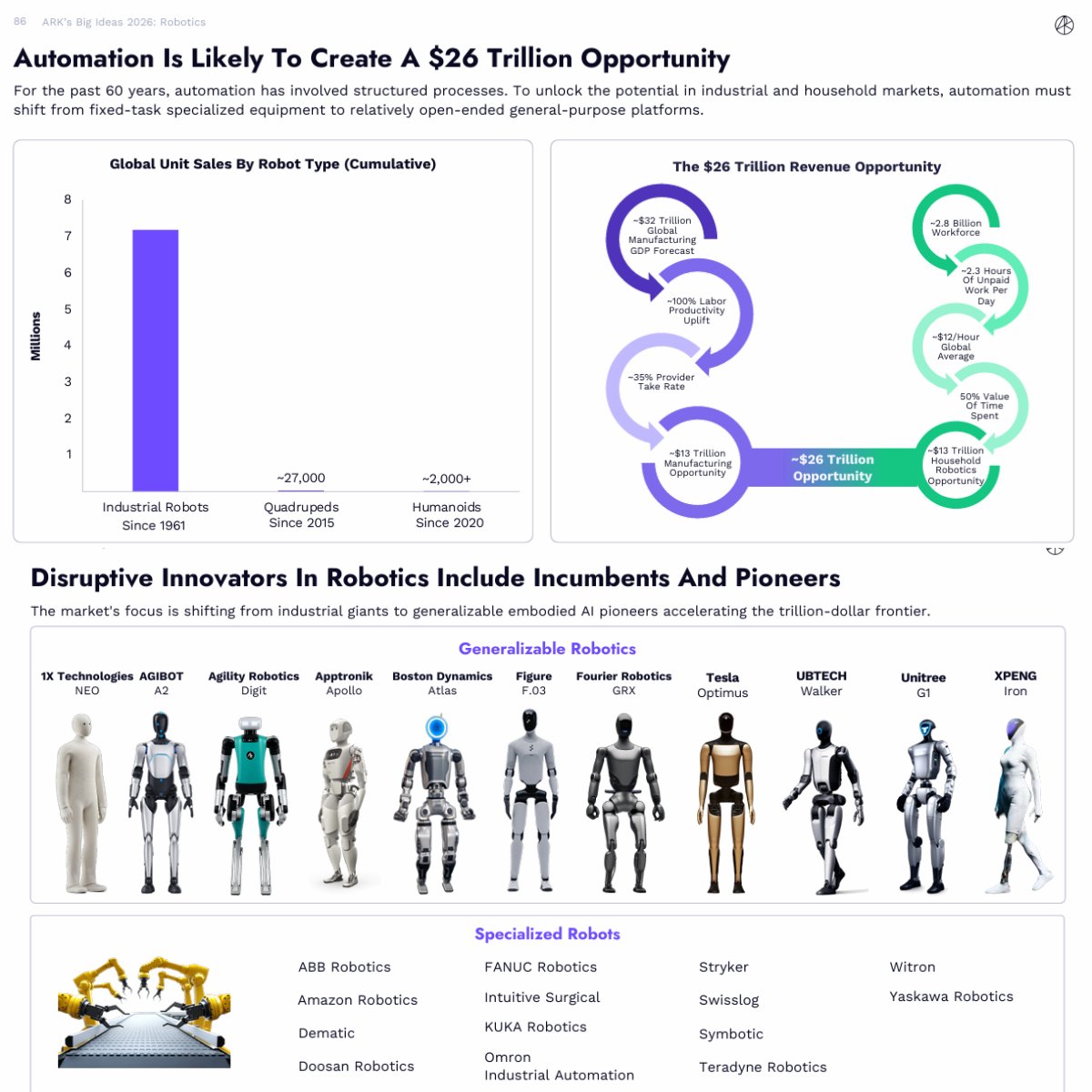
How do robots actually scale in the real world? When we talk about robotics today, there seem to be two types: limited flashy prototypes for social media, or industrial robots working behind the scenes in warehouses. In my opinion, the biggest challenge to scaling robotics is deploying them across very large geographic areas. 1. Scaling Robotics requires infrastructure @Auki is taking an interesting approach. Instead of focusing only on the robot itself, they are building the infrastructure layer through the Real World Web. The goal is to make large scale deployments in the physical world much more practical. ▪️Another interesting point, recently highlighted by Nils in an excellent article, is starting with perception instead of trying to perfect manipulation or locomotion first. Many real world problems do not require robots to move objects. They require robots to understand environments. By using phones and smart glasses, environments can be mapped even before robots arrive. That lowers deployment costs and makes scaling across thousands of locations much more realistic. 2. Big Ideas 2026 This broader shift toward scalable robotics is also highlighted in @ARKInvest’s Big Ideas 2026 report. ARK estimates that automation could create a $26 trillion opportunity across industrial and household robotics. It will be interesting to see how approaches like this evolve over the next few years.
Krypto Insider 💫 tweet media
English
21
19
81
3.5K
lets DYOR
lets DYOR@lets_DYOR·
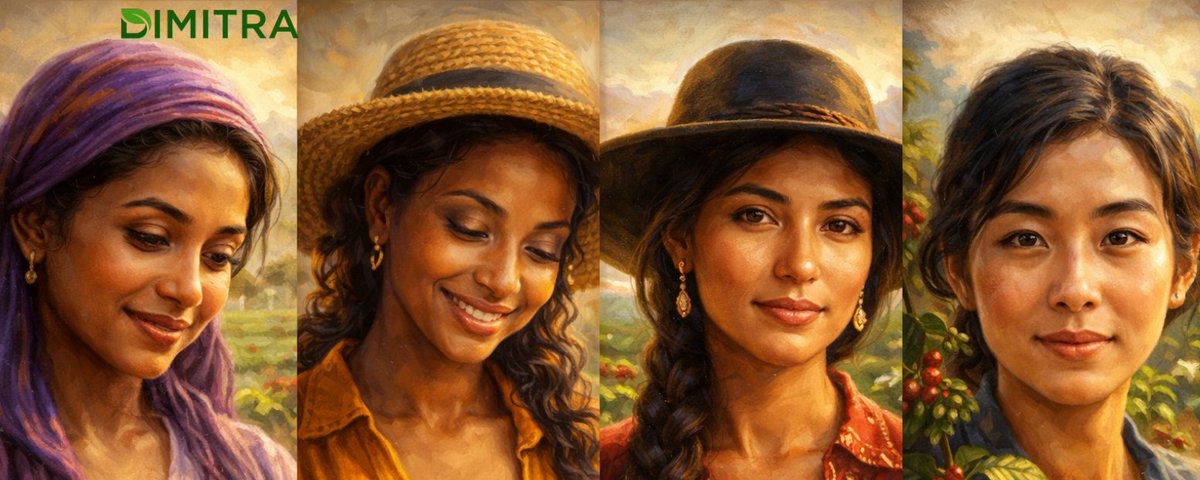
Women quietly power much of the world’s food supply, yet their role in AgriTech often goes unnoticed As AgriTech grows, their influence is becoming impossible to ignore Here is a closer look at their impact & how @dimitratech is helping reshape the future of farming 👇🧵 Women Powering Agriculture 1. The Hidden Force Behind Global Food Systems 🧑‍🌾Across farms, plantations, and rural communities around the world, women quietly sustain much of the global food supply. 🧑‍🌾In developing countries alone, women represent roughly forty three percent of the agricultural workforce. In many regions they produce a majority of the food consumed locally, supporting families, communities, and entire economies. 🧑‍🌾Despite this immense contribution, women farmers often operate with fewer resources than men. Access to land, financing, training, and modern technology remains uneven. Yet their role in food security, sustainability, and rural development is undeniable. 2. Women in AgriTech A Growing Yet Uneven Landscape 🧑‍🌾While women have always played a central role in traditional agriculture, their participation in AgriTech is still developing. 🧑‍🌾AgriTech combines farming with technologies such as artificial intelligence, blockchain, satellite monitoring, and digital traceability systems. These tools help farmers manage crops more efficiently and connect with global markets. However women remain underrepresented in this rapidly growing sector. 🧑‍🌾Women founded startups represent only a small share of global AgriTech investment activity. Leadership roles within agricultural technology companies are also still limited compared to the traditional farming workforce where women already contribute heavily. 🧑‍🌾Even among farmers, access to digital tools remains uneven. In many developing regions only a small percentage of women currently use advanced agricultural technology platforms. 🧑‍🌾Yet adoption is slowly increasing as mobile advisory tools, traceability systems, and data driven farming solutions become more accessible. 3. Dimitra Supporting Women Farmers Through Technology 🔸One platform actively helping bridge this gap is Dimitra. 🔸Dimitra provides blockchain based agricultural tools that strengthen transparency, sustainability, and traceability across farming supply chains. 🔸By integrating artificial intelligence and digital farm management systems, the platform helps farmers improve productivity and market access. 🔸Women farmer groups in Indonesia provide a clear example of this transformation. 🔸In regions such as Sipirok, women farmers use Dimitra tools to produce high quality coffee with fully traceable supply chains. Their work strengthens local agricultural ecosystems while allowing their products to meet international sustainability standards. 🔸Similar efforts are visible in Aceh where women have long managed coffee and cacao production. Dimitra technology helps formalize and verify their work through digital traceability systems aligned with global sustainability frameworks. 🔸Through mobile farm applications, crop advisory tools, and sustainability compliance systems, the platform enables women farmers to increase yields, reduce risks, and gain greater economic independence. Barriers Women Face in Accessing Agricultural Technology 🔸Despite progress, women still face several challenges when adopting agricultural technology. 🔸Limited access to land ownership remains one of the most significant barriers. Globally, women control only a small percentage of agricultural land. 🔸Gaps in education, financial access, and digital literacy can also slow the adoption of modern farming tools. These structural inequalities often translate into lower productivity compared to farms managed with equal resources. 🔸Cultural and structural constraints can also limit participation. In many regions women carry the majority of unpaid household responsibilities while still contributing heavily to farming activities. 🔸This leaves less time for technology training, extension services, and market engagement. As a result, many women farmers remain excluded from the benefits of emerging agricultural technologies. The Future of Women in AgriTech 🔸Despite these challenges, the future for women in agricultural technology holds enormous potential. 🔸As global food demand continues to rise, empowering women farmers could significantly increase agricultural productivity in underserved regions. 🔸Digital platforms designed specifically for farmer accessibility are already helping close the gap. Multilingual applications, cooperative training programs, and locally tailored advisory tools are making technology easier for women farmers to adopt. 🔸Policy shifts and greater investment in women led AgriTech initiatives could accelerate this transformation even further. New roles are also emerging across the agricultural technology ecosystem. Women are increasingly contributing as agricultural innovators, technology specialists, sustainability leaders, and policy advocates shaping the future of farming. Why Women Matter to the Future of Agriculture 🔸Women have always been central to agriculture. What is changing today is the technology surrounding it. 🔸When women farmers gain access to digital tools, traceable supply chains, and global markets, the benefits extend far beyond individual farms. 🔸Productivity rises, sustainability improves, and rural economies strengthen. Platforms such as Dimitra demonstrate how agricultural technology can empower these farmers while building transparent and resilient food systems. 🔸The future of agriculture will depend not only on innovation but also on inclusion. 🔸And as AgriTech continues to evolve, empowering women farmers may become one of the most powerful drivers of sustainable global agriculture.
lets DYOR tweet media
English
9
13
25
301