Toni Mikkola 🏴☠️@virtaava
NAFO Brain-Damaged Guide to "Hacking"
Field Manual for Advanced Meme Operations Against Terminally Serious Authoritarians
Classification: Extremely unserious
Threat level: JPEG
Primary weapon: Mockery
Secondary weapon: Even worse mockery
Operational objective: Make propaganda bureaucrats regret of living.
1. Introduction: Welcome, Cyber Warrior
Congratulations, recruit.
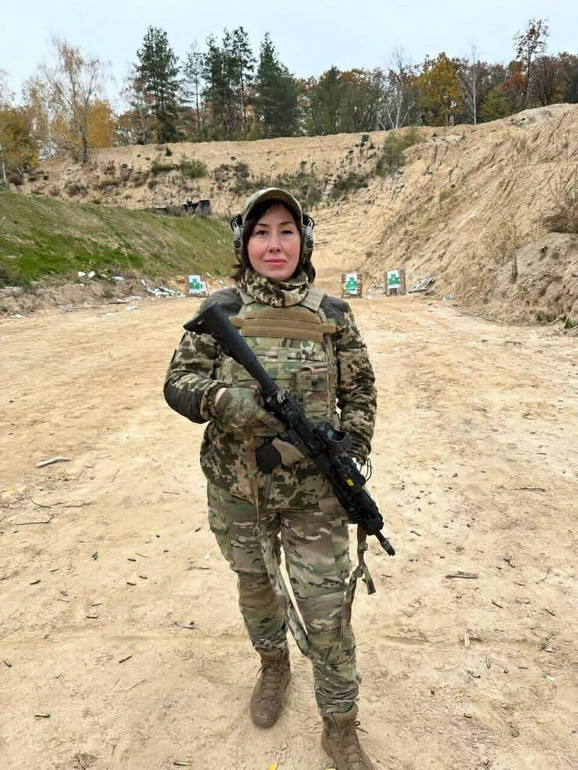
According to extremely normal diplomatic logic, posting memes, dunking on imperial cope, and making cartoon dogs say ridiculous things now qualifies as "hacking".
This is excellent news.
It means you no longer need advanced malware, stolen passwords, or a command line. Your new cyber arsenal consists of:
ChatGPT
Canva
Meme templates
Bad puns
Screenshots
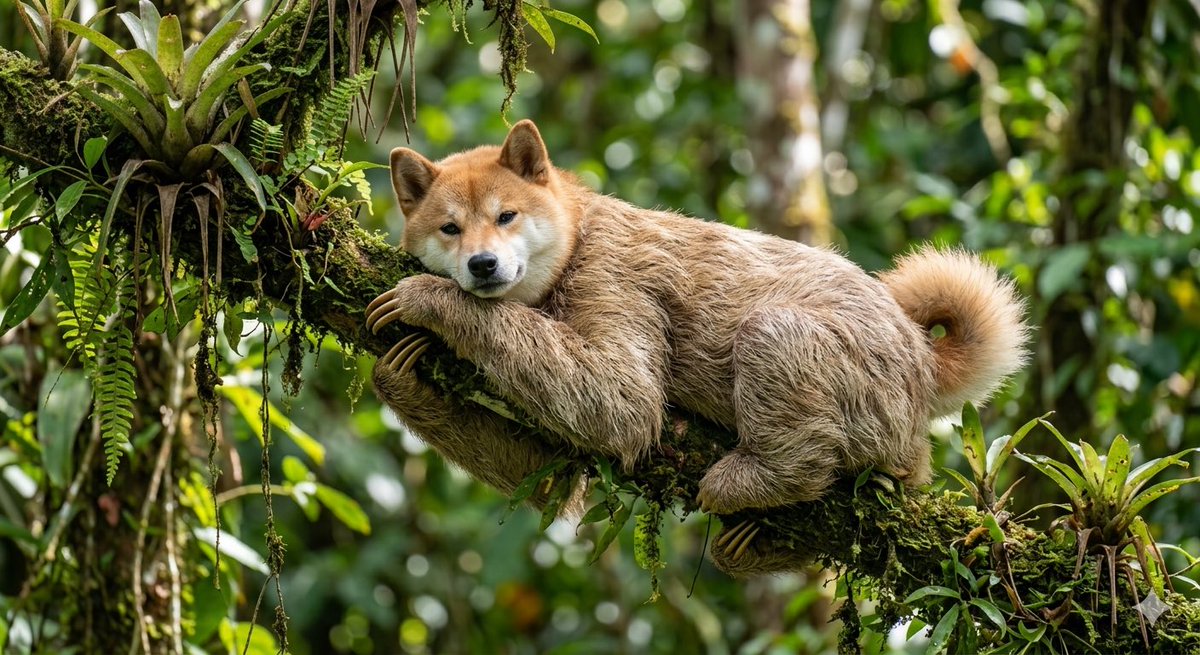
A suspiciously large folder of Shiba Inu images
The ability to write "lol" with strategic intent
You are not merely making memes.
You are conducting psychological JPEG deployment.
2. Core Doctrine: What Is "Hacking"?
In traditional cybersecurity, hacking involves exploiting vulnerabilities in systems.
In NAFO cyber doctrine, hacking means exploiting vulnerabilities in propaganda narratives.
Typical vulnerabilities include:
Contradiction overflow
When a state claims it is strong, invincible, and besieged by cartoon dogs at the same time.
Cope injection
When official statements accidentally admit that memes are causing emotional damage.
Narrative buffer underflow
When propaganda relies on everyone pretending the obvious is not obvious.
Authoritarian humour incompatibility
A severe system bug where regimes cannot process being laughed at.
3. Required Tools
ChatGPT
Used for generating captions, parody manuals, fake "cyber" terminology, meme concepts, slogans, and absurdly overdramatic mission briefings.
Example prompt:
"Write 10 meme captions mocking the idea that making memes counts as hacking. Tone: sarcastic, absurd, NAFO-style, no real cyber instructions."
Canva, Photoshop, GIMP, or Photopea
Used for dangerous operations such as:
Adding text to an image
Cropping screenshots
Placing a dog head onto a tank
Increasing the font size until subtlety dies
Image generators
Used to create "cyber operators" who look suspiciously like dogs wearing tactical sunglasses.
Prompt idea:
"A Shiba Inu sitting at a laptop in a dramatic hacker basement, surrounded by glowing screens displaying memes, cinematic lighting, absurd propaganda-war satire, no real code visible."
4. The Meme Kill Chain
Phase 1: Reconnaissance
Find a propaganda claim, official statement, absurd accusation, or diplomatic own-goal.
Example target:
"Meme accounts are hacker groups."
Initial analysis:
Is it ridiculous?
Can it be reduced to one joke?
Does it contain accidental self-own energy?
Would a cartoon dog make it funnier?
If yes, proceed.
Phase 2: Vulnerability Assessment
Ask: "Where is the joke hiding?"
Possible weaknesses:
Over-serious language
The more official the statement sounds, the funnier it becomes when paired with nonsense.
Inflated threat framing
If someone describes memes as a national-security danger, simply show the meme as if it were a cyberweapon.
Contradiction
"Russia is strong" versus "Russia is threatened by online dogs".
Accidental promotion
When an official account names a meme movement, it effectively gives free advertising.
Phase 3: Payload Development
This is where ChatGPT enters the cyber battlefield.
Prompt:
"Generate meme concepts about an authoritarian government accidentally calling meme-makers hackers. Make the jokes absurd, satirical, and focused on mockery, not actual hacking."
Possible outputs:
"When you open Canva and suddenly become cyber command."
"Russian Ministry of Foreign Affairs detecting hostile pixels."
"NAFO hacker toolkit: crop, caption, post, repeat."
"They called us hackers. We called it Tuesday."
"Critical infrastructure compromised by one badly compressed JPEG."
Now select the most brain-damaged one. Usually, that is the correct one.
Phase 4: Weaponisation
Take your chosen caption and attach it to an image.
Recommended formats:
Fake training manual
"Module 1: Advanced Screenshot Cropping"
"Module 2: Offensive Font Selection"
"Module 3: Strategic Dog Deployment"
Fake cyber alert
"WARNING: Hostile meme detected.
File type: .jpg
Payload: ridicule
Damage: emotional"
Fake hacker interface
A dog staring at a laptop with fake screens saying:
INITIALISING MEME ENGINE...
LOADING CANVA...
DEPLOYING CAPTION...
TARGET COPE LEVEL: CRITICAL
Do not include real code. Real code ruins the bit. Fake nonsense is funnier.
5. Prompt Engineering for Meme "Hackers"
Basic caption prompt
"Give me 20 short meme captions mocking the idea that making memes is hacking. Make them absurd, sarcastic, and suitable for Twitter/X."
Image idea prompt
"Give me 10 visual meme ideas about cartoon dogs being accused of cyberattacks because they posted jokes online."
Fake cyber manual prompt
"Write a parody cybersecurity manual where every hacking technique is actually just making memes in Canva. Use fake technical terms and absurd military language."
Translation prompt
"Rewrite this meme caption in simpler English so it lands internationally."
Style prompt
"Make this caption sharper, shorter, and more brutal, but still funny."
6. Approved "Hacking" Techniques
6.1 Caption Injection
Adding text to an image.
Example:
Image: dog at laptop
Caption:
"Accessing mainframe via Canva Pro trial."
Severity: catastrophic.
6.2 Screenshot Exploitation
Taking a screenshot of an official statement and highlighting the funniest part.
Recommended procedure:
Screenshot the claim.
Highlight the accidental self-own.
Add reaction image.
Post with caption:
"Sir, they have weaponised yellow highlighter."
6.3 JPEG Deployment
Posting an image file.
This is the backbone of NAFO "cyber operations".
Payload types:
Doge meme
Fake government warning
Satirical infographic
Before/after propaganda dunk
"Expectation vs reality"
Mock recruitment poster
6.4 Font Escalation
Making the text larger until the joke achieves strategic dominance.
Approved fonts:
Impact
Arial Black
Anton
Montserrat ExtraBold
Anything that screams from orbit
Forbidden fonts:
Papyrus, unless the joke is supposed to be cursed
Comic Sans, unless conducting advanced psychological operations
6.5 Cope Overflow Attack
This occurs when a regime, official, or propagandist reacts angrily to a joke, thereby making the joke ten times stronger.
Operational note:
Never interrupt a target while it is self-owning.
7. Meme Formulae That Work
Formula 1: Serious claim + stupid image
Official claim: "NAFO is a hacker group."
Image: dog with sunglasses using MS Paint.
Caption: "Elite cyber unit preparing another devastating rectangle."
Formula 2: Fake technical language
"Our operators achieved root access to the propaganda matrix by pressing ‘Add Text’."
Formula 3: Overblown threat report
"At 14:03, hostile Shiba units deployed a meme with 37 likes. Civilisation trembled."
Formula 4: Reverse the accusation
"They said we hacked them. We said, ‘No, your narrative just has bad security.’"
Formula 5: Treat ordinary meme-making as elite cyberwar
"Phase one: open browser.
Phase two: search ‘funny dog image’.
Phase three: national-security incident."
8. Example Meme Pack
Meme 1
Image: Doge in a hoodie at a laptop
Text:
"Hacking Russian infrastructure by opening Canva and typing ‘lol’."
Meme 2
Image: Fake command terminal
Text:
> initialise_nafo.exe
> loading meme templates...
> selecting doge...
> applying caption...
> enemy cope systems overloaded
Meme 3
Image: Panicked office worker looking at screen
Text:
"Sir, the hackers are posting cartoons again."
Meme 4
Image: Dog wearing military helmet
Text:
"Special Cyber Operation: I made a meme and hurt a ministry’s feelings."
Meme 5
Image: Official-looking warning poster
Text:
"PUBLIC SAFETY ALERT
Do not look directly at NAFO memes.
Side effects include laughter, narrative collapse, and sudden awareness of reality."
9. Rules of Engagement
Keep it legal. Keep it funny. Keep it public.
Do:
Make memes.
Mock propaganda.
Use satire.
Cite sources when making factual claims.
Avoid spreading false information.
Punch up.
Make it visually clear and quick to understand.
Do not:
Attempt real hacking.
Share stolen data.
Harass private individuals.
Dox anyone.
Impersonate real officials in a way that could mislead people.
Fabricate evidence.
Accidentally become the villain because the meme was too spicy and not funny enough.
The mission is ridicule, not crime.
10. Advanced Operations
Operation: "Ministry Said What?"
Take the official accusation and turn it into recruitment material.
Poster text:
"NAFO Cyber Command Now Recruiting
Skills required:Basic cropping
Intermediate sarcasm
Advanced dog posting
Ability to survive Russian diplomatic cope"
Operation: "Hostile Pixel Storm"
Create a fake weather forecast.
"Today’s forecast:
80% chance of memes
Heavy JPEG activity across occupied narratives
Localised cope flooding expected near embassy accounts"
Operation: "Mainframe Breach"
Make a fake hacker movie scene where the "mainframe" is just a meme editor.
Screen text:
BREACHING MAINFRAME...
OPENING CANVA...
UPLOADING DOGE.PNG...
ADDING TEXT BOX...
EXPORTING AS JPEG...
MISSION COMPLETE
11. Quality Control Checklist
Before posting, ask:
Can people understand the joke in three seconds?
Is the image readable on a phone?
Is the caption short enough?
Is it mocking propaganda, not random civilians?
Is it factual where it references real events?
Does it make the accusation look more ridiculous?
Would a humourless bureaucrat hate this?
If yes, deploy.
12. Final Certification
You are now qualified in:
Offensive meme generation
Tactical caption placement
Screenshot-based narrative disruption
Strategic dog posting
Cope logistics
Advanced JPEG warfare
Non-criminal cyber banter
Your first assignment:
Make one meme so stupid that a ministry accidentally promotes it.
Remember: the strongest authoritarian firewall cannot withstand a well-timed dog meme.
End of manual.
All instructions were generated using NAFO mainframe and Marv