Çöŕñëĺïüš Mateko🇿🇲🇿🇼

7.7K posts

Çöŕñëĺïüš Mateko🇿🇲🇿🇼 banner
Çöŕñëĺïüš Mateko🇿🇲🇿🇼

Çöŕñëĺïüš Mateko🇿🇲🇿🇼

@Conilious

CILT, Arsenal

Zimbabwe Joined Nisan 2010
5K Following1.7K Followers
Çöŕñëĺïüš Mateko🇿🇲🇿🇼 retweeted

Rutendo Matinyarare
Rutendo Matinyarare@matinyarare·
𝗛𝗢𝗪 𝗛𝗔𝗦 𝗧𝗛𝗘 𝗣𝗥𝗘𝗦𝗜𝗗𝗘𝗡𝗧 𝗗𝗢𝗡𝗘 𝗢𝗡 𝗛𝗘𝗔𝗟𝗧𝗛𝗖𝗔𝗥𝗘? As an anecdote, last week, Joshua Maponga had an accident on his way to Kwekwe. Speaking from Arundel Hospital, he lamented the fact that after his accident, he spent over 4 hrs waiting by the roadside for emergency services on that stretch of road. Once the ambulance arrived, Maponga was taken to a private hospital called Arundel, owned by Kuda Tagwirei, all the way in Harare—skipping a number of government hospitals in Kwekwe, Chegutu and even Harare—simply because none of them could provide proper emergency care. Sanctions on Zimbabwe were removed on March 4, 2024, so why do we still not have adequate ambulances and emergency services in our public hospitals for any class of person to get quality care? The reason we fought to remove sanctions was to enable our government to sign lease agreements to lease ambulances with well‑resourced fleet managers in Zimbabwe or South Africa (they don’t have to buy them cash), so that we’d have enough ambulances in every town and city to save lives in emergencies. Our government can afford monthly instalments for a huge fleet of ambulances and fire trucks. We also did it so that our government could import the latest medical equipment from anywhere in the world, which they can do now since sanctions are gone. So where’s the problem? The problem is that since ZANU PF got another mandate in the 2023 elections and since sanctions were removed in March 2024, our leaders have spent more time focused on promoting 2030 than buying ambulances. So, how would you rate the President’s delivery on healthcare: excellent, good, fair, bad, or poor? Does he deserve a term extension?
Rutendo Matinyarare tweet media
English
299
283
1.2K
105.1K
Çöŕñëĺïüš Mateko🇿🇲🇿🇼 retweeted
Man’s NOT Barry Roux
Man’s NOT Barry Roux@AdvoBarryRoux·
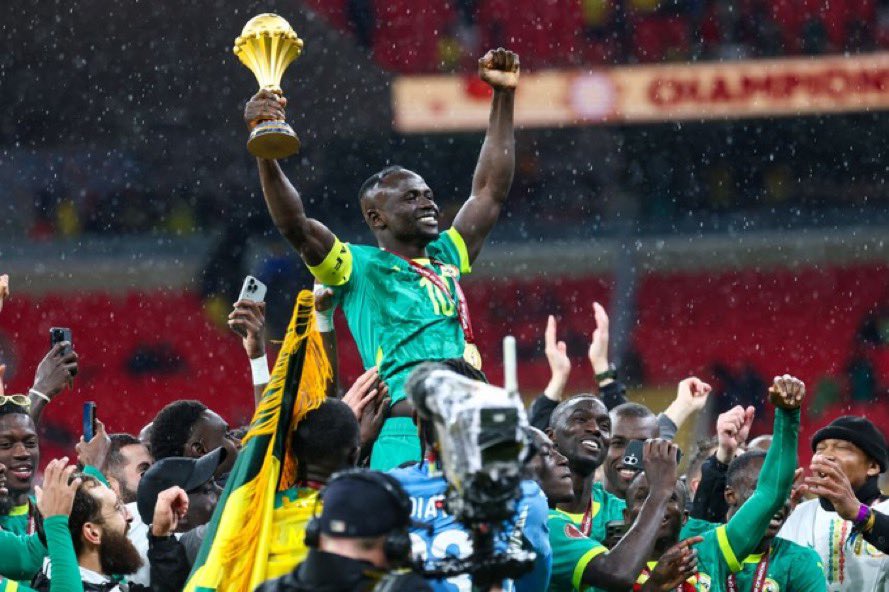
REPOST if you stand with Senegal after they refused to return the AFCON trophy & medals.
Man’s NOT Barry Roux tweet mediaMan’s NOT Barry Roux tweet media
English
63
4.8K
9.5K
97.6K
Çöŕñëĺïüš Mateko🇿🇲🇿🇼 retweeted
West Ham United
West Ham United@WestHam·
A very warm welcome for our AFCON champion 🇸🇳🏆
English
1.5K
19.2K
144.6K
6.8M
Çöŕñëĺïüš Mateko🇿🇲🇿🇼 retweeted
LynneM 💕💝💎
LynneM 💕💝💎@LynneStactia·
I now like you @DMwonzora , powerful presentation!! #noto2030 !! 🫶🇿🇼🇿🇼
English
101
207
715
75.5K
Nappy Blaze⚡
Nappy Blaze⚡@Nappyblaze·
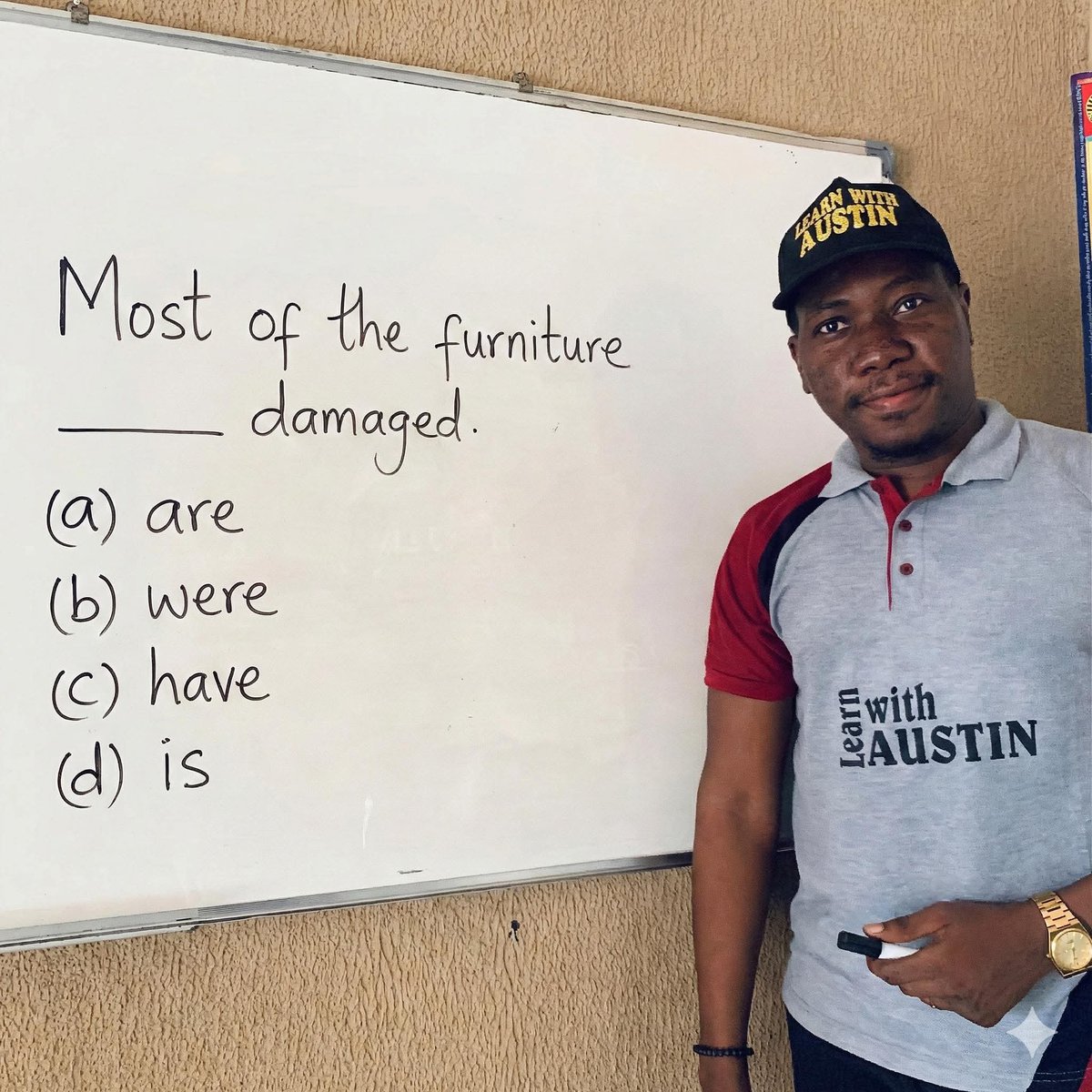
"I know English, I know English" Oya what's the answer? 😄
Nappy Blaze⚡ tweet media
English
5.4K
749
19.3K
7.7M
Simii_vibes 🇺🇲
Simii_vibes 🇺🇲@Simi0__·
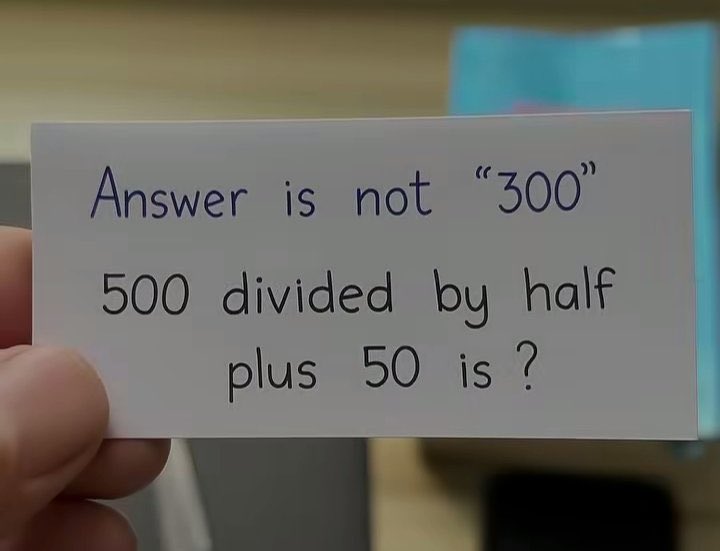
Answer is not "300" Tell me the answer and win $1000
Simii_vibes 🇺🇲 tweet media
English
52.6K
602
20.9K
9.3M
Football Tweet ⚽
Football Tweet ⚽@Footballtweet·
🤔 𝗗𝗘𝗕𝗔𝗧𝗘: Which of these coaches should stand up to let Zidane sit down?
Football Tweet ⚽ tweet media
English
267
36
815
73.5K
Doctor Saghar
Doctor Saghar@Saghar409·
How many squares....!!! 99.9% will fail..?
Doctor Saghar tweet media
English
17.8K
241
1.8K
1.6M
ARDENT GOONER
ARDENT GOONER@TheArsenalMind·
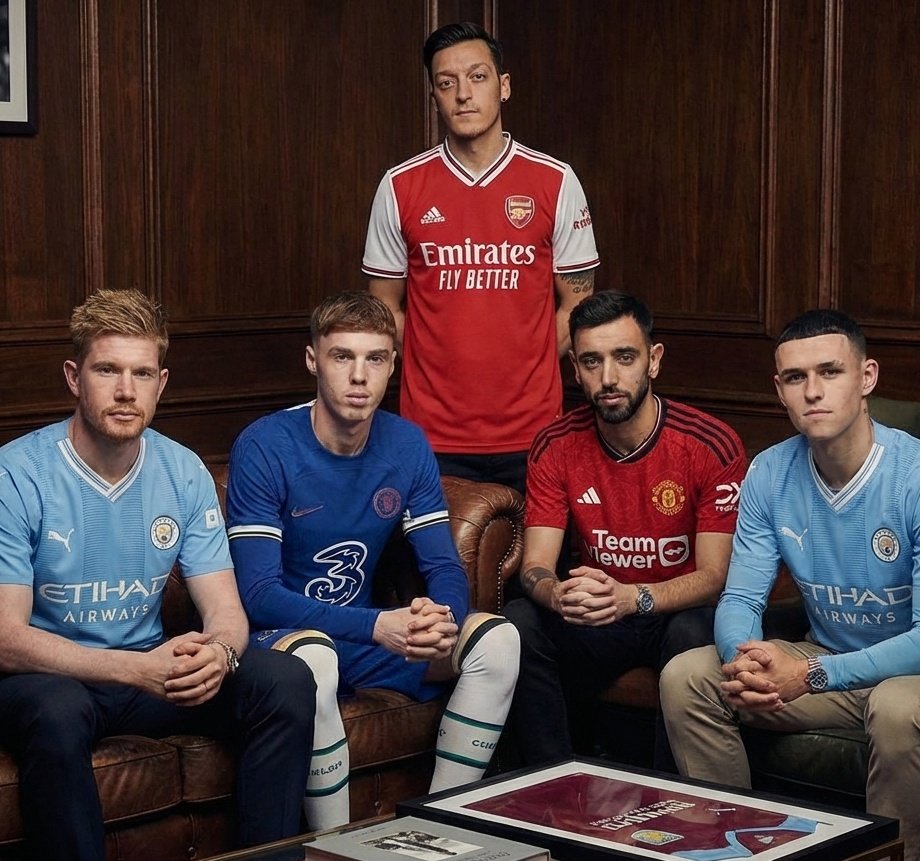
Who needs to stand for Mesut Özil to sit down?
ARDENT GOONER tweet media
English
854
60
1.4K
145.7K
ARDENT GOONER
ARDENT GOONER@TheArsenalMind·
Who needs to stand for Thierry Henry to sit down?
ARDENT GOONER tweet media
English
289
22
328
30.7K
ARDENT GOONER
ARDENT GOONER@TheArsenalMind·
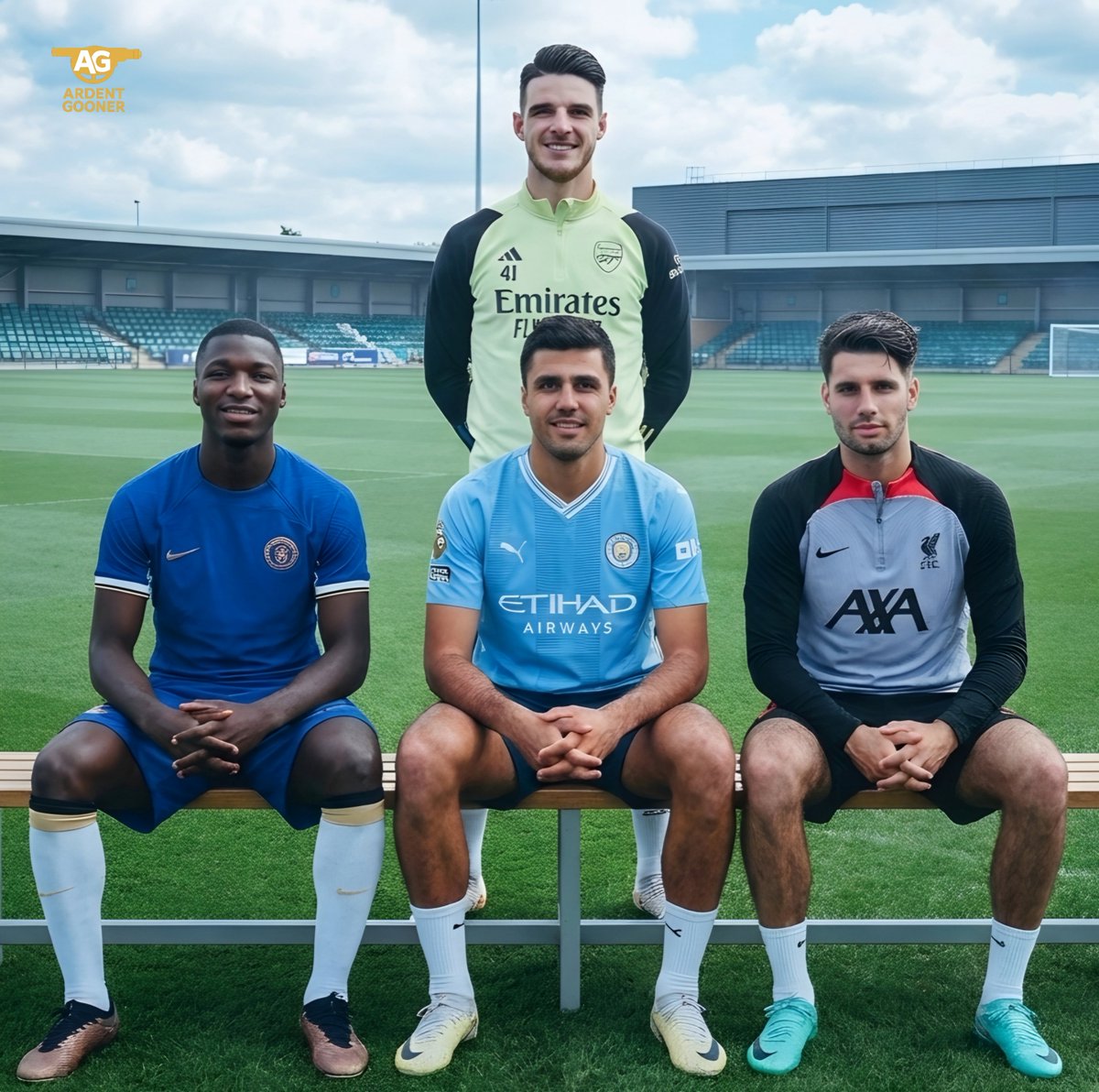
Who needs to stand for Declan Rice to sit down?
ARDENT GOONER tweet media
English
374
43
1.5K
100.4K
Dan
Dan@CfcDan_01·
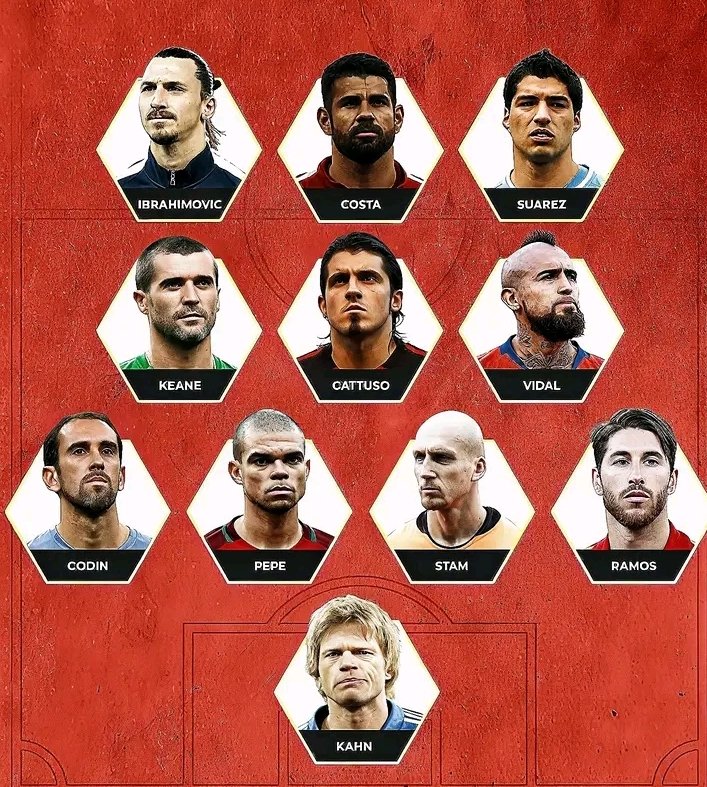
Chat, Who would be the MANAGER of this team ?
Dan tweet media
English
1.6K
105
2.3K
146.3K
TVG
TVG@Teamgyokeres·
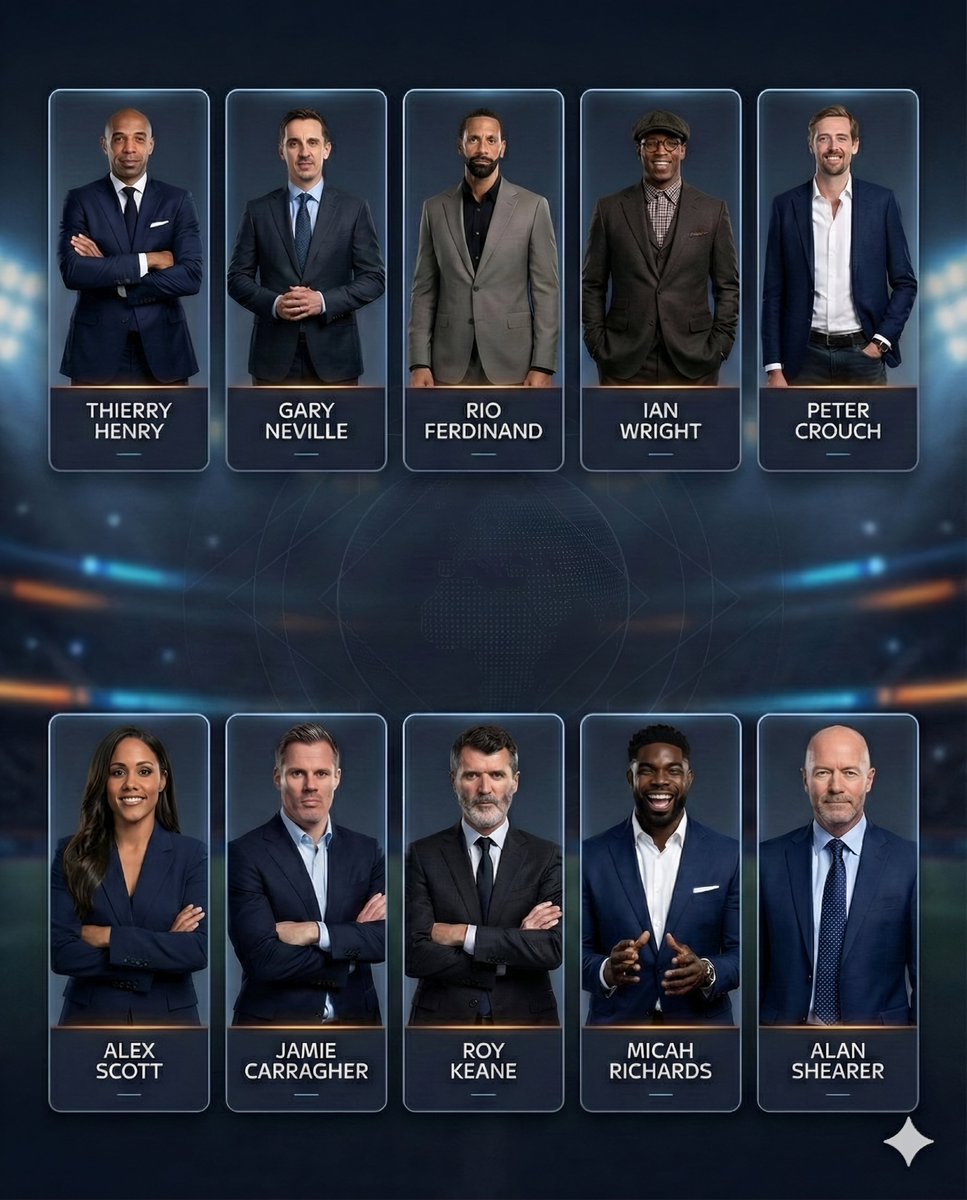
Who's the worst football pundit ever?
TVG tweet media
English
5.8K
269
4.5K
1.3M
Eva McMillan ♥️
Eva McMillan ♥️@EvasTeslaSPlaid·
Which dress is more beautiful and elegant?
Eva McMillan ♥️ tweet media
English
3.8K
86
1.1K
96.3K
Hopewell Chin’ono
Hopewell Chin’ono@daddyhope·
I often quote Dr Solomon Guramatunhu when he speaks about the mindset of a nation and argues that in a country like Zimbabwe, ZANUPF is not really the primary problem. The deeper problem is the mindset that reproduces the kind of leadership we end up with, because leaders in ZANUPF come from our own communities. They are not imported from Mars. That is why many of the same behaviours found in ZANUPF are also reproduced in the opposition. One of the simplest ways to see this is through everyday behaviour. Look at how people drive in China, then reflect on what happens on Zimbabwean roads. It says a great deal about how a nation develops, or fails to develop, the mindset of its people. In Zimbabwe, you can reach an intersection where traffic lights are not working and people will block each other for an hour, not because there is no solution, but because no one is willing to give way. They would rather waste time ensuring the other side does not move. The same mentality appears on the open road. If you try to overtake someone who is driving slowly, the moment they realise you are overtaking, they suddenly accelerate. This behaviour is deliberate. It is rooted in mindset. It helps explain why we are stuck where we are and why, as a people, we struggle to progress. If you cannot drive in an orderly, cooperative way, you will struggle to build orderly, cooperative systems in politics, the economy, or society. There is a clear methodology behind the rise of China, and it is grounded in how people think, how they relate to rules, and how they understand the collective good. In the same way, there is a methodology behind Zimbabwe’s tragic failures, and it is also rooted in thinking and behaviour. This mindset shows itself in social interactions as well. When a picture is posted of a man standing next to a woman, many people immediately sexualise the woman. What makes it even more tragic is that some women themselves join in. This is not harmless banter at all. It reflects a deeper problem in how people think, what they prioritise, and how they view others. The same mindset affects even the so called educated elite. People with master’s degrees and PhDs often try to destroy each other in the institutions where they work, whether local or international, constantly badmouthing one another despite their education. You will often find a Zimbabwean in a senior position in a large organisation actively undermining other Zimbabweans in the same space or profession. I have been asked many times, especially by Nigerians, what is wrong with Zimbabweans, why they pull each other down and sabotage one another. The answer is simple. It is a mindset problem. You see the contrast clearly in South Africa. When traffic lights are not working there, traffic still flows. That order is not imposed by the police. It exists because of the mindset of South Africans themselves, the understanding that giving way allows everyone to move. In Zimbabwe, we also have a police force, yet order often collapses. Policing alone cannot create civilisation. For the police to succeed, citizens must be willing participants in order and discipline. That willingness requires civic consciousness and respect for others. As a nation, we need to confront this honestly. We need to examine how we behave and how that behaviour correlates with our collective failures. That is why some families are very strict about how their children grow up and who they interact with. They are trying to protect their children’s minds from a tragic and retrogressive mindset that quietly but consistently holds people back. Many do not realise this. They think they are doing well, without seeing that a change in thinking could allow them to do far better than they are doing now, not just materially, but as human beings. What we are seeing in this video from China, drivers being courteous to each other, actually speaks to a much bigger picture about that society. It reflects respect for order, for rules, and for one another. I used a Chinese example here, but I could just as easily have used a South African one, because the same thing happens there. As a driver in South Africa, there are moments when I arrive at traffic lights that are not working and I instinctively stop. I get confused, because I am conditioned by the chaos of Harare. Suddenly, I am in a space where there is order and mutual respect, and it forces you to pause, to think, and to ask deeper questions. That contrast makes you realise that what we see on Harare’s roads is not just about driving. It is a reflection of many layers of our lives as a society, how we relate to rules, how we respect others, how we handle shared spaces, and ultimately how we organise ourselves. The disorder on the roads is simply the most visible expression of much deeper problems in our thinking and behaviour.
English
94
84
358
57.3K