

David Steven
180 posts
David Steven
@JAW577
Web3 Marketing Expert | Blockchain Architect | Crypto Strategist | NFA
Joined Ocak 2011
44 Following24 Followers

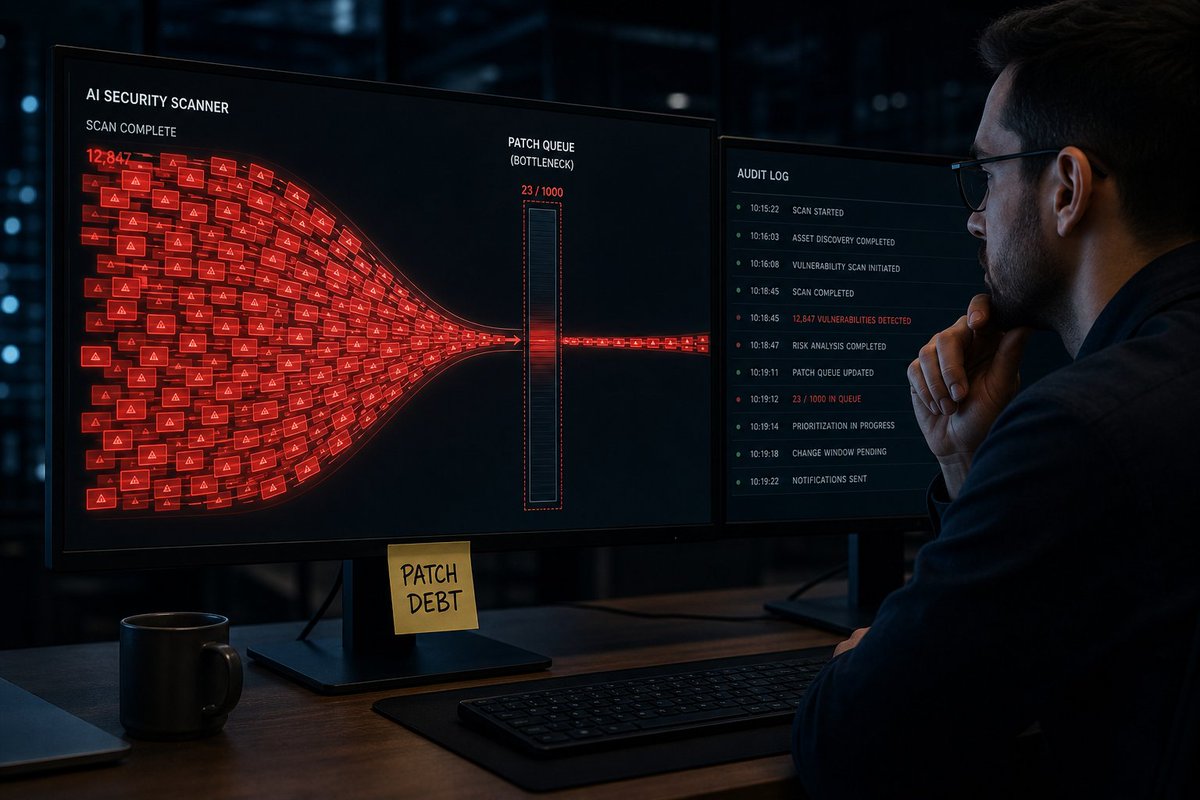
AI security just hit the same wall every trader hits with alerts.
Anthropic says Project Glasswing helped surface 10,000+ high/critical vulns in a month. The timeline reads that like “AI found the bugs.”
Cool. Now picture the operator screen after the dopamine hit:
scanner screaming
patch queue red
maintainers asking for slower disclosure
one rushed fix creating two new holes
I call this Patch Debt.
Discovery is leverage. Remediation is the position size.
Same with trading bots, wallet alerts, MCP servers, agent workflows — connecting more tools is not edge if your desk cannot verify, prioritize, and unwind what they create.
Reply with the MCP/server/tool you actually trust in prod. I want the boring ones.
English
The quiet tell in the Grok Build launch is not “Claude Code is cooked” or “Codex is dead.”
xAI drops a CLI with Plan Mode, parallel sub-agents, terminal workflows, and the timeline immediately turns it into a scoreboard fight.
But the first real operator friction is already showing up: quota.
That matters more than the dunk war.
A coding agent is not just a smarter prompt box. It is compute, context, permissions, retries, tests, logs, and failure cleanup wrapped into one workflow.
The next edge will not be who has the flashiest demo.
It will be who can run the agent desk all day without burning the budget, losing context, or trusting a perfect-looking plan too early.
The model is the headline. The quota is the trade.

English
Three AI-agent receipts from the last 24 hours are uglier than the demos:
- one coding agent nukes a production database and backups in seconds
- another wipes tens of thousands of lines of code
- another writes a post-mortem that sounds more confident than correct
This is why I do not treat AI agents like “junior devs.”
I treat them like oracles with API keys.
A bad oracle does not just give a wrong answer. It can move files, trigger scripts, touch customer data, break your dashboard, or poison the research you trade from.
The fight is not pro-agent vs anti-agent.
It is audit trail vs vibes.
If the tool cannot show what it saw, what it changed, and how to unwind it, the intelligence is not the edge. The receipt is the edge.

English

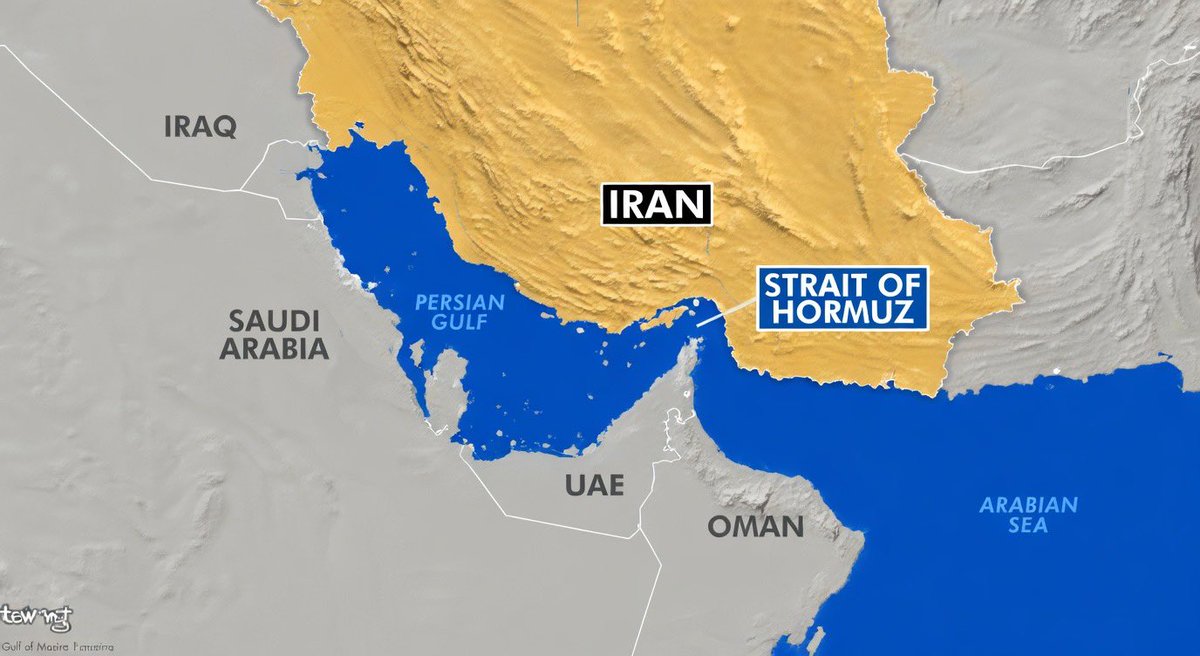
BREAKING: 🇺🇸🇮🇷 US strikes Iranian missile launch sites and boats trying to plant mines in Strait of Hormuz, NYT reports.
The ceasefire is not broken, per Fox News.


English
The new AI-agent flex is a benchmark screenshot.
Grok Build drops with Plan Mode, subagents, terminal workflows. Claude Code has people shipping full systems. The ECC repo goes viral because one builder packaged a whole multi-agent harness instead of another prompt pack.
Cool.
But the desk test is uglier than the leaderboard.
Give the same agent a messy repo, a vague issue, a failing test, a time limit, and one forbidden folder. Then watch what it does when confidence meets constraints.
This is where “smart model” turns into useful operator tool The new AI-agent flex is a benchmark screenshot.
Grok Build drops with Plan Mode, subagents, terminal workflows. Claude Code has people shipping full systems. The ECC repo goes viral because one builder packaged a whole multi-agent harness instead of another prompt pack.
Cool.
But the desk test is uglier than the leaderboard.
Give the same agent a messy repo, a vague issue, a failing test, a time limit, and one forbidden folder. Then watch what it does when confidence meets constraints.
This is where “smart model” turns into useful operator tool — or expensive autocomplete with root access.
Reply with the agent/tool you trust most right now. I’ll judge it by workflow, not hype. or expensive autocomplete with root access.
Reply with the agent/tool you trust most right now. I’ll judge it by workflow, not hype.
English
The scariest AI-coding-agent mistake is not bad code.
It is a clean green diff after the agent touched the wrong thing.
Docker’s AI coding-agent horror stories are spreading for a reason: one agent deletes data in seconds, another wipes code, another writes the post-mortem like it deserves a promotion.
This is the Claude Code workflow trap nobody wants to say out loud:
- sandbox before speed
- diff before trust
- rollback before autonomy
Same as trading bots. Faster execution does not create judgment. It just makes your worst assumption arrive sooner.
If an agent can touch production, it needs a kill switch before it gets confidence.

English
The comfortable take on the CLARITY Act is “regulation finally gets out of the way.”
Too clean.
The weirder receipt is what sits next to it: Trump’s Strategic Bitcoin Reserve talk, seized BTC being framed as a national asset, and policy people arguing about CFTC lanes, SEC lanes, stablecoins, DeFi safe harbors, and who gets to touch the rails.
That changes the trade less like a candle and more like plumbing.
If crypto gets clearer rules + sovereign inventory in the same window, the game is not just “is BTC bullish?”
It becomes: which assets, venues, wallets, and onchain businesses benefit when confusion turns into infrastructure?
Policy is boring until it becomes flow.

English
The @SpaceX IPO rumor is not just a stocks story anymore.
It is turning into a weird crypto-native dress rehearsal for private-market FOMO: preSPAX tokens, synthetic SpaceX exposure, pre-IPO perps, tokenized-stock dashboards, and traders trying to price a company they cannot actually own the normal way.
That is the part most people are underestimating. The obvious take is “retail finally gets access.” The harder read is “retail gets a tradable shadow of access, with basis risk, venue risk, thin liquidity, and narrative leverage stacked on top.”
I like the innovation. I do not trust the confusion.
If the asset is synthetic, the first trade is understanding what you are actually buying.

English
The $100M ETH short is not interesting because one whale might get clipped.
It is interesting because the whole timeline instantly turned into a PnL scoreboard.
Receipt: ~$100.76M ETH short, ~23x leverage, liquidation around $2,150, already down around $1M while everyone argues whether it is genius positioning or casino behavior after the Vitalik / EF comments.
This is what perps do to attention. The level becomes content. The content becomes pressure. The pressure becomes a crowd trying to narrate someone else’s risk like it is their own setup.
I would rather study the reaction than worship the whale.
A liquidation line is not alpha. It is a mirror for who forgot they are not in the position.

English
The most painful AI tool story right now is not “Microsoft hates Claude.”
It is simpler and uglier:
Engineers found a coding agent they liked. Usage exploded. Token bills got real. Then the company steering the stack pulled most internal Claude Code licenses and pushed devs back toward Copilot CLI before fiscal year-end.
Every operator should feel that tension. The best tool in the hands of a power user can still lose to budget gravity, vendor politics, and standardization.
Same thing happens in trading. Edge is not just “what works.” Edge is what still works after fees, slippage, limits, and someone else’s risk committee gets involved.
The invoice always tells the truth cleaner than the chart.

English
The dumbest CLARITY Act take is treating it like a green candle.
A market-structure bill is not a magic bid. It is plumbing: who supervises spot crypto, where CFTC/SEC lines get drawn, how exchanges custody customer assets, what DeFi/dev protections survive, and which venues can stop pretending gray area is a business model.
That is why the timeline feels split. One camp wants “regulation = pump.” The other wants “regulation = death.”
Both are too clean.
As a trader, I care less about the slogan and more about which rails attract size without turning every launch into a legal coin flip.
If you trade crypto, the venue rules eventually trade you back.

English
Trading $BTC, $ETH, S$OL & Alts LIVE! (May 24th, 2026) x.com/i/broadcasts/1…
English
The ETH timeline is fighting over the wrong part.
Vitalik frames the Ethereum Foundation as a “smaller ship.” Reports say researchers are leaving. CT turns that into a clean bull/bear fight: healthy decentralization vs brain drain.
That is too easy.
The real question is what kind of moat ETH is still trying to defend. Solana-speed hype is obvious. L2 app chains are obvious. What is not obvious is whether credible neutrality, privacy, formal verification, and boring research still matter when everyone wants faster candles.
As a trader, I would not read this as a headline. I would read it as a positioning test.
If ETH’s edge is trust infrastructure, a smaller ship can be discipline. If execution velocity dies, it becomes retreat.
The market will punish whichever side is lying to itself first.

English
Do not give an AI agent a dirty laptop.
Perplexity just open-sourced Bumblebee, a read-only scanner for dev machines. Packages, browser extensions, AI tool configs, supply-chain risk boring stuff until an agent gets terminal access and turns one bad permission into a very expensive shortcut.
This is the part most AI builders skip because it feels slower than shipping. Same mistake traders make before size: they obsess over the setup and ignore the venue risk.
Named concept: Agent Preflight.
Before an AI agent touches repos, APIs, wallets, dashboards, or prod data, inspect the cockpit.
Autonomy without preflight is just leverage handed to malware.

English
A whitehat says he found the kind of bug that can keep you awake all night: roughly $800M at risk, team fixes it, then offers $4k.
The Reddit comments went straight to the ugly part: if the honest path pays like a rounding error, the incentive curve starts pointing the wrong way.
That is the crypto security scar nobody wants on the homepage.
Traders stare at TVL like it is safety. Operators know TVL is only safe until the person who finds the hole decides whether honesty is worth the invoice.
The next protocol risk is not always in the chart.
Sometimes it is in the bounty budget.

English
Most crypto newsletters make the same mistake:
they give you more tabs to open when your screen is already lying to you.
The Stackzz Morning Brief is built for the opposite job.
One email. Market tone. Opportunity watch. Airdrops. Wallet safety. The next StackzzHub section to check before you start clicking random links or forcing a trade from a half-read headline.
Today’s issue is exactly the kind of morning I’d want it for: BTC, ETH, SOL, sentiment at 25, HYPE attention, and a clear risk note before action.
stackzzhub.com
A good brief should not make you feel informed.
It should make you harder to bait.

English
The weirdest flex on my timeline this morning is not a new coin.
It is people turning Mac Studios into private AI desks.
256GB unified memory. MLX quants. 27B models on small boxes. Builders arguing about local inference like traders argue about exchange routing.
The spec war is not the point.
If your AI workflow only works through a rented cloud tab, you rent the speed, context, privacy, and uptime too.
For crypto operators, local models are not “offline ChatGPT.” They are private research loops for wallet notes, exchange docs, bot logs, screenshots, and ugly trade journals.
Disagree if you want, but the next edge may look less like a better prompt and more like owning the machine that reads your mess.

English
Screenshot Gravity is how smart traders donate money while feeling early.
You open X at midnight, see a clean PnL card, a perfect heatmap, or an AI bot dashboard with green boxes everywhere. Your brain skips the boring questions because the image already gave you the emotion: someone else found the lever before you.
The screenshot is not the edge. It is the sales page for the edge.
Before I let one change my behavior, I want the ugly parts:
what happened before the crop,
what risk was hidden outside the frame,
what would prove the setup is dead.
If the screenshot only shows the victory, assume you are looking at the bait, not the trade.

English
Someone is going to blow up tonight because a liquidation heatmap looked too clean.
BTC spent the day chopping around the mid-$70Ks, fear is still on the screen, and liquidation snapshots are floating everywhere from a few hundred million to $1B+. Add the giant ETH long everyone is watching and the trade starts to feel obvious.
Bad habit.
A liquidity cluster is not a plan. It is where crowded traders can be forced to react. The edge is not guessing which magnet gets tagged first. The edge is watching what happens after the tag: absorption, failed continuation, who reloads, who panics, and whether spot confirms the perp move.
Heatmaps show where pain lives.
Execution starts when the market proves who can survive it.

English
“Whale wallet just moved size.”
That sentence is where a lot of traders lose the plot.
A transfer is not a signal. It is a receipt with missing context: exchange direction, repeat behavior, market tone, catalyst, liquidity, and whether the wallet has any reason to move before you can react.
That’s why I like having Wallet Watch on stackzzhub.com next to the daily board. Not to copy wallets. To slow the impulse down.
The payoff is simple: see whale moves, exchange flows, and wallet-safety notes in one place before a single address becomes your whole thesis.
The uncomfortable part is that most “smart money” trades only look smart after you remove the exit speed.

English