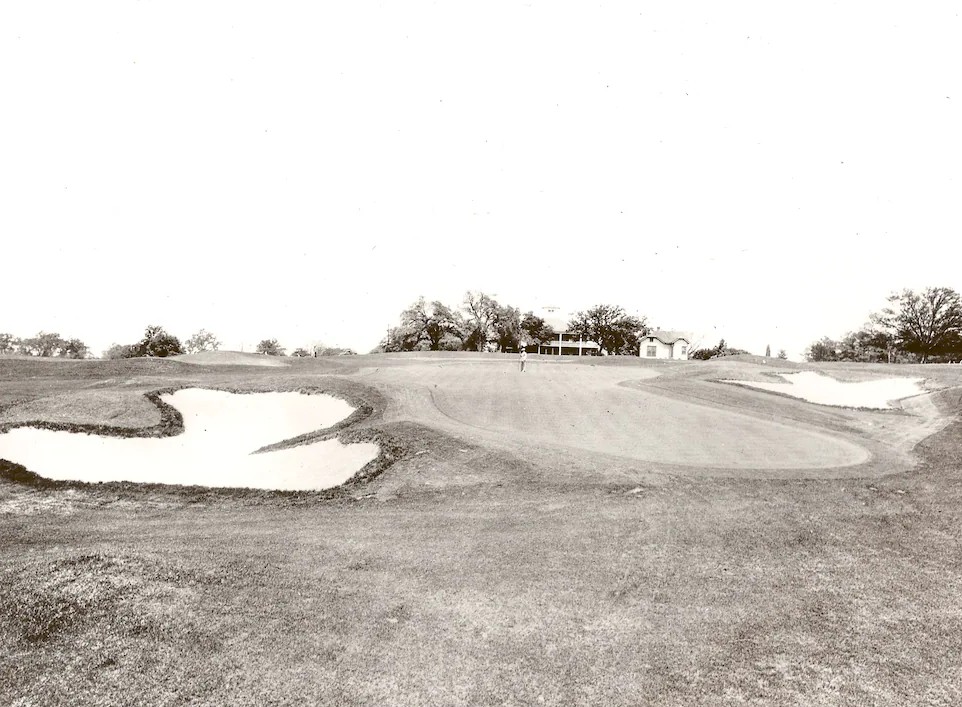
@KVanValkenburg @johndog68 Agreed. Most local munis are better than this…
English
PLAYER DESIGN - “A Gift to Nature” -
4.5K posts
@PlayerDesign
A global golf course design studio & architectural firm with 408 completed projects worldwide in 41 countries #playerdesign #player


These old photos of Augusta are fascinating (it looks like your local muni!) and just one part of our Every Hole at Augusta project at @fried_egg_golf . Check out our profile of No. 12, with links to all the others, here: thefriedegg.com/articles/augus…







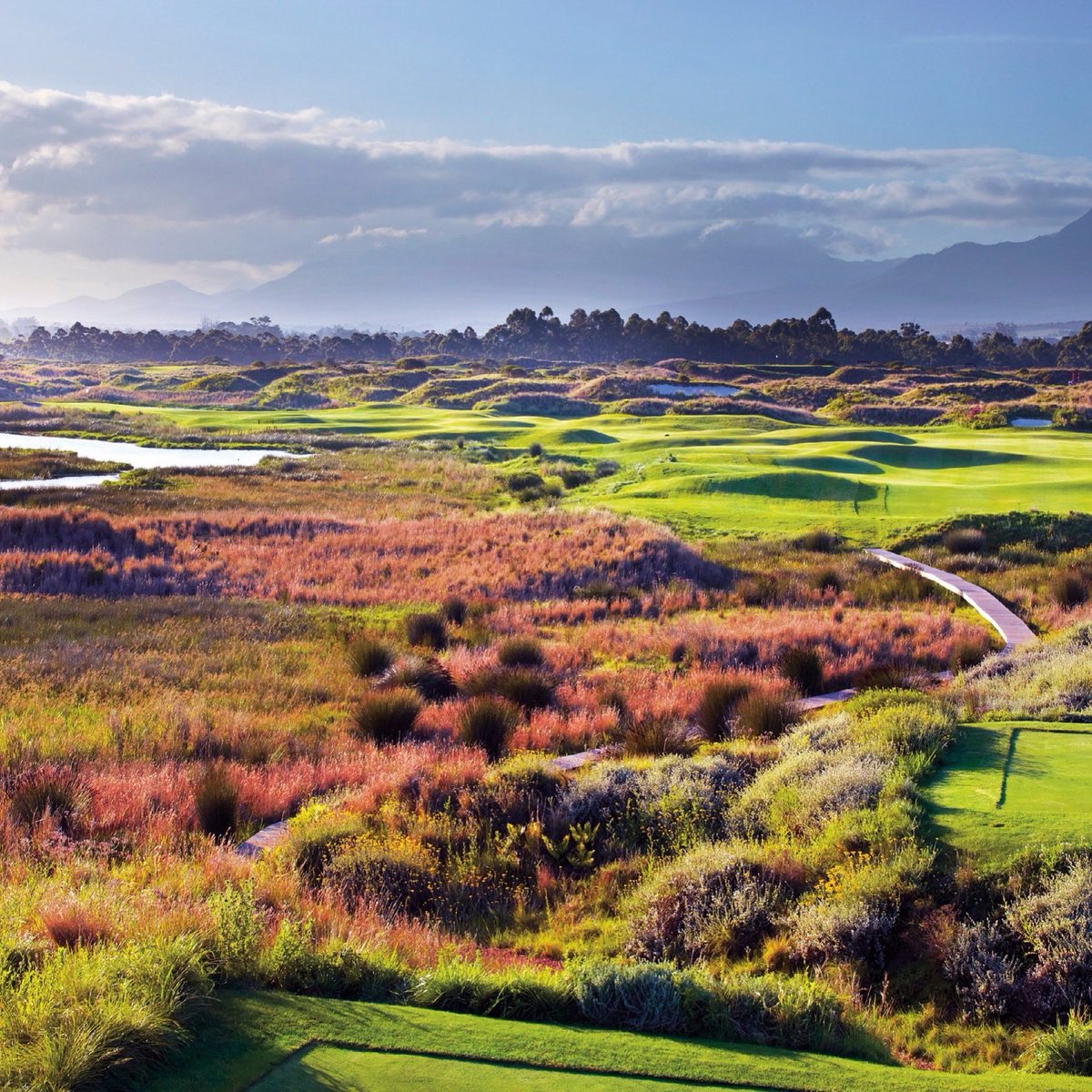

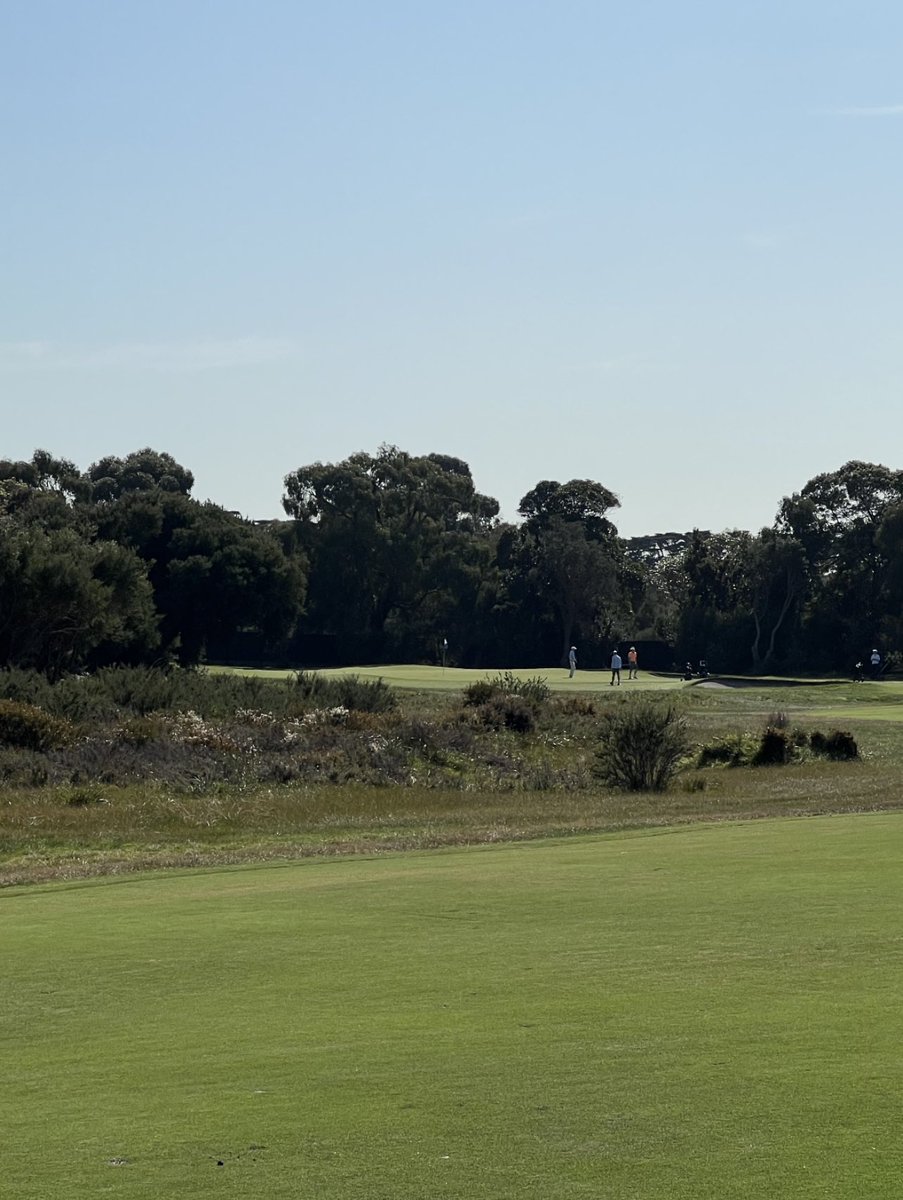
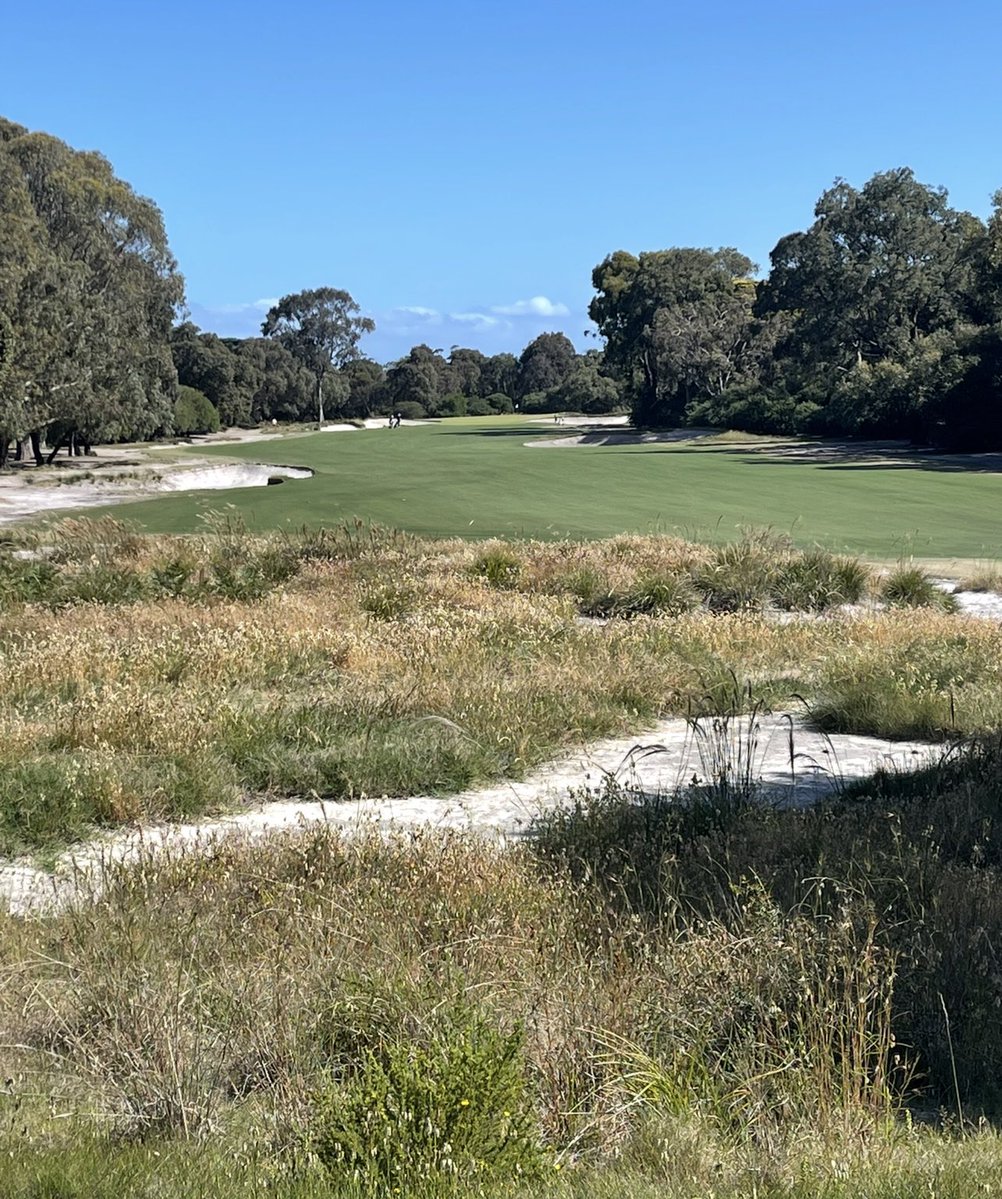
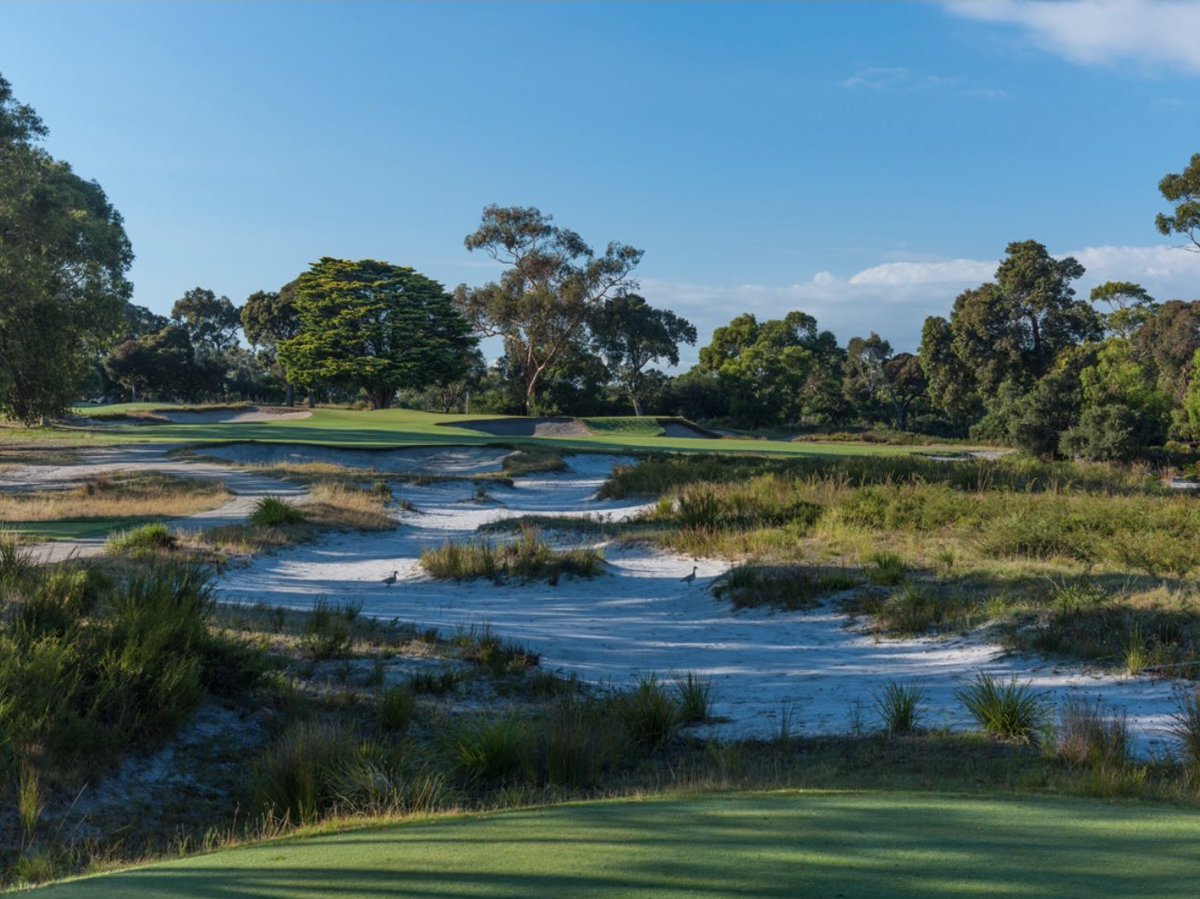

Experts increasingly describe many traditional golf courses (especially high-input designs) as biological deserts or dead zones, where intensive management severely undermines local ecosystems, biodiversity, and water resources. The quest for pristine, uniform fairways and greens often replaces rich, diverse habitats—such as wetlands, grasslands, or forests—with vast expanses of monoculture turfgrass. This drastic simplification displaces native plants and animals, leaving only a limited set of resilient "urban adapter" species able to tolerate the conditions. Maintenance practices compound the damage: heavy applications of pesticides, herbicides, and fertilizers are common to keep the turf perfect. Rain events wash these chemicals into nearby streams, lakes, and groundwater, fueling harmful algal blooms, depleting oxygen in water (creating hypoxic zones), and poisoning aquatic life. Water consumption adds significant strain, especially in dry or drought-prone regions. Golf courses can require millions of gallons daily for irrigation, diverting resources that could support community drinking supplies or natural ecosystems. As these impacts become harder to overlook, the golf industry faces growing calls to adopt sustainable approaches: integrating native vegetation, reducing chemical inputs, preserving natural areas, and designing courses that support wildlife rather than supplant it. Shifting manicured monocultures toward functional, biodiverse landscapes is increasingly viewed as essential for long-term environmental resilience. It must be noted that the critique focuses on high-input designs, as some well-managed courses incorporate habitat restoration and provide benefits like urban green space or pollinator support.