

Red_Bee
990 posts

@NatasaIvanova9 Bridges are destroyed. Logistics is halting. Drones and rockets are flying to Crimea. Navy ships sunk. Radar stations in flames.
I would walk over the Kerch bridge right now, as long as it stands up
English

⚡️Развозжаев: Украинский дрон практически уничтожил здание Панорамы «Оборона Севастополя»!
Видим,как бандеровцы воюют с памятниками,потому что трусы!
Украинчики,для Британии стараетесь?!Так вот хер вам и Британи,а не Крым!Платят деньги они,а в могилы ложитесь вы!
Ваш выбор!🤦♀️

Русский

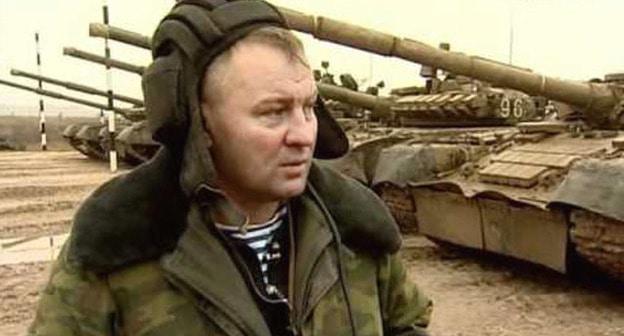
@FirasHamda2 @KoscherJoel @jan_mainka Но разве не Россия много лет кричала, что Украину втягивать в НАТО и готовят к войне?
Русский

@KoscherJoel @jan_mainka But aren't the Russians the ones who are trying to annex Ukraine?:)
English

Durch Nazi-Deutschland starben weit mehr als doppelt so viele Russen wie Juden.
Warum steht #Deutschland 🇩🇪 wegen der „historischen Verantwortung“ dann heute nicht genauso selbstverständlich und „unverrückbar“ an der Seite von #Russland 🇷🇺 wie an der Seite Israels?
Warum ist die Sicherheit Russlands nicht ebenfalls eine „nicht verhandelbare deutsche Staatsräson“?
Warum ist Deutschland die Sicherheit Russlands stattdessen völlig egal?
Warum beteiligt es sich sogar wieder aktiv an der Zerstörung Russlands und der Tötung weiterer Russen? 😱
#Schande #Geschichtsvergessenheit

Deutsch
@Arzutzoah @hayqmets Если Пашиняна хвалит ослоёб из Азербайджана, то армянам надо насторожиться.
Русский

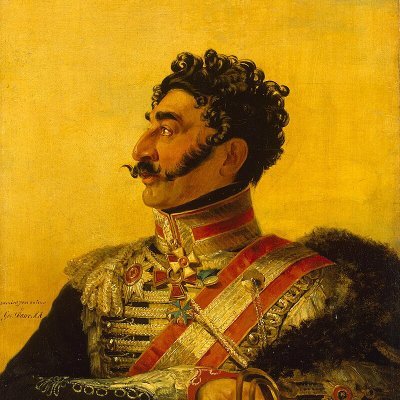
🇦🇲🇦🇿 Nikol Pashinyan:
"I'm telling you that there will be a war in September, a disastrous one, if the Civil Contract party fails to secure a constitutional majority. I'm not talking about simply winning the election. People used to tell me, 'You should've warned us back in 2018.' Well, now I am."
English
@Hexagram012 @PossumGuy2025 Россия намного менее коррумпированная, чем страны Запада. И в России больше свободы. Но вы продолжайте верить своей пропаганде. Никто из вас не приедет в Россию, что бы увидеть все своими глазами.
Русский

@PossumGuy2025 Both Russia and Ukraine are backward corrupt countries which are not part of the West. People with brain cells don't care what the mentally ill crank Candace Owens says.
English

Dear Americans.
Everything you have been told about russia is a lie.
It's much worse in reality.
Sincerely, an immigrant from russia.
Coinvo@Coinvo
Candace Owens: "I encourage everyone in the world to visit Russia, you'll be moved." "Everything we have been told about Russia is a lie."
English
@PossumGuy2025 @detroitpat1 И как наличие паспорта мешает тебе пиздеть? Ты просто пидорас.
Русский

@ericbeneker @espn Я там был. А ты? Можешь только в монитор плеваться?
Русский
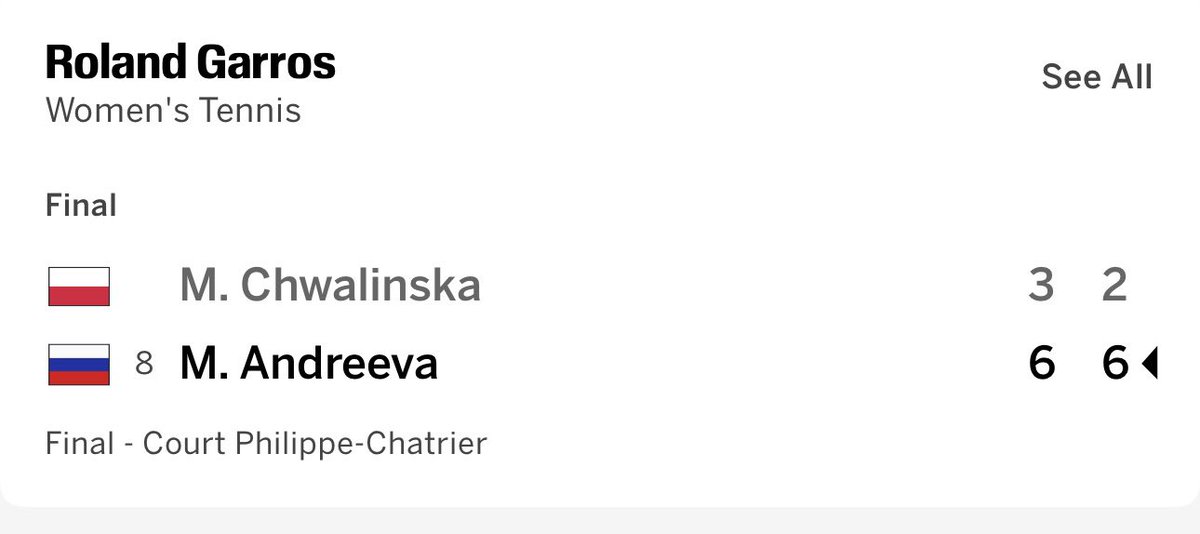

Russia has now lost four elections in a row: in Romania, Moldova, Hungary, and now Armenia.
What's more, no one expected the margin in Armenia to be so large. This suggests that Armenians have lost faith in Russia and are distancing themselves from it.
I do not believe Russia will take military action against Armenia. The military base poses no threat, and Russia itself is exhausted by the war it is waging against Ukraine.
Through its heroic resistance, Ukraine is also giving other nations and states a chance to break free from Russia.
I believe Georgia may be next in attempting to remove pro-Russian forces.
Armenia's break with Russia will strengthen Turkey and its influence in the region. That is good news.
In addition, sources believe that the defeat in Armenia could be used by the Kremlin to oust the so-called "Armenian lobby" within the Russian leadership: to weaken, remove its members from office, and cut them off from financial flows.
The main names mentioned are Mikhail Mishustin, Russian prime minister, and Sergey Lavrov, Russian foreign minister.
Russia continues to lose ground and its influence.
Author: Anton Gerashchenko

English

OH FUCK
NATO just intercepted a Russian drone over Latvian airspace
Who's ready for World War 3?
English
@Gerashchenko_en Антонина, а скажи мне, Россия участвовала в выборах? Или это в твоем воспаленном пидорском мозгу? Тебя Аваков не приласкал? Что тебя на Армению потянуло?
Русский

Russia has now lost four elections in a row: in Romania, Moldova, Hungary, and now Armenia.
What's more, no one expected the margin in Armenia to be so large. This suggests that Armenians have lost faith in Russia and are distancing themselves from it.
I do not believe Russia will take military action against Armenia. The military base poses no threat, and Russia itself is exhausted by the war it is waging against Ukraine.
Through its heroic resistance, Ukraine is also giving other nations and states a chance to break free from Russia.
I believe Georgia may be next in attempting to remove pro-Russian forces.
Armenia's break with Russia will strengthen Turkey and its influence in the region. That is good news.
In addition, sources believe that the defeat in Armenia could be used by the Kremlin to oust the so-called "Armenian lobby" within the Russian leadership: to weaken, remove its members from office, and cut them off from financial flows.
The main names mentioned are Mikhail Mishustin, Russian prime minister, and Sergey Lavrov, Russian foreign minister.
Russia continues to lose ground and its influence.

Anton Gerashchenko@Gerashchenko_en
Russia's biggest battle right now is Armenia. Russia has already lost elections in Romania, Moldova, and Hungary, and is now losing in Armenia. If it loses Armenia, Georgia will likely be next. Turkey is watching closely. Russia is now doing everything it can to pull Armenia back into its orbit. Following its defeat in Karabakh and the effective collapse of Russian security guarantees, Yerevan began dismantling the system of dependencies that Moscow had spent decades building. Armenia froze its participation in the CSTO, openly questioned Russia's role as a security guarantor, expanded cooperation with France, India, the United States, and the European Union, and began searching for alternative sources of military support and economic ties. In response, Moscow launched a comprehensive pressure campaign aimed at making any attempt to leave Russia's orbit as costly as possible. An investigation by the Dossier Center indicates that the Kremlin has been attempting to directly influence Armenia's domestic politics. This is not about supporting a single candidate but about building an entire anti-government infrastructure. Russian political strategists worked on projects associated with Samvel Karapetyan and Arman Tatoyan. At the same time, they deliberately avoided openly pro-Russian rhetoric. Instead, they promoted messages about "pragmatism," the need to take the Russian factor into account, and the alleged impossibility of Armenia's survival without cooperation with Moscow. In parallel, the Kremlin intensified its information operations. According to Reuters and researchers tracking influence campaigns, Russia-linked networks created fake news websites, spread disinformation through social media, and coordinated campaigns against the government of PM Nikol Pashinyan. The same familiar narratives were used: corruption, dictatorship, persecution of the Armenian Apostolic Church, "external control" by the West, and betrayal of national interests. The defining feature of these campaigns is that they do not promote any specific vision of the future. Their goal is to undermine trust in state institutions and create a sense of hopelessness. A separate tool was economic pressure. Ahead of the elections, Russia began blocking or restricting Armenian exports to its market. Restrictions affected Jermuk mineral water, alcoholic beverages, flowers, vegetables, strawberries, and other products. Formally, the justification cited sanitary or technical violations. In reality, the Kremlin was demonstrating that any political distancing from Moscow could carry direct economic consequences for Armenian producers and exporters. Energy remains another major lever. Russia controls most gas supplies to Armenia and regularly reminds Yerevan of this dependence. Fortunately, it is currently summer, and Armenia still has time before winter to address its reliance on Russian gas. At the same time, Russian officials and representatives of the Eurasian Economic Union have warned of potential economic losses if Armenia continues to distance itself from Russian-led integration structures. In this way, the Kremlin presents a simple choice: dependence on Russia or economic hardship. Security blackmail is no less important. After its failure in Karabakh, Moscow lost the ability to convincingly present itself as an effective security guarantor. As a result, the emphasis shifted. Armenia is no longer offered protection; it is offered fear. The Russian message is simple: perhaps we failed to protect you, but without us things will be even more dangerous. That is why Russian narratives constantly focus on the threat of a new war, regional instability, and external dangers. Importantly, all of these tools function as a single system. Political interference is reinforced by information operations. Information operations are reinforced by economic pressure. Economic pressure is reinforced by security threats. The Kremlin is trying to create an environment for Armenia in which any step toward greater independence will seem dangerous and too costly. That is why the current struggle over Armenia is not a conflict between Russia and the West. It is a conflict between Armenia's desire to make its own decisions and the Kremlin's determination to preserve its mechanisms of control over the country.
English
@LesyaUA7Evropa Мрази трусливые. Женщин и детей убивать, это в крови у западэнцев. Вам дать волю, вы весь Восток бы на вилы подняли. А сейчас орете "а нас за шо".
Вот за это!
Русский
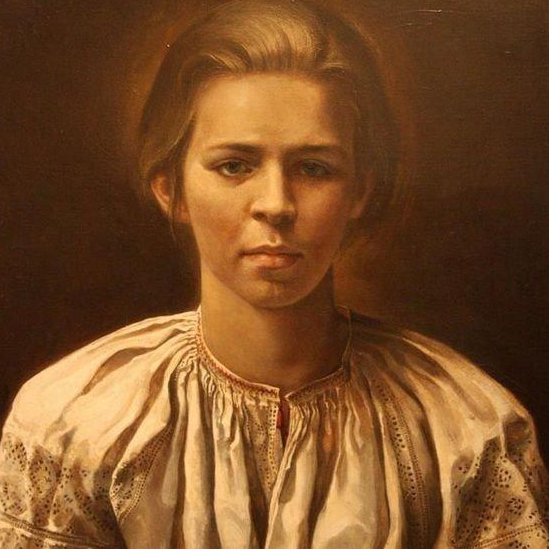
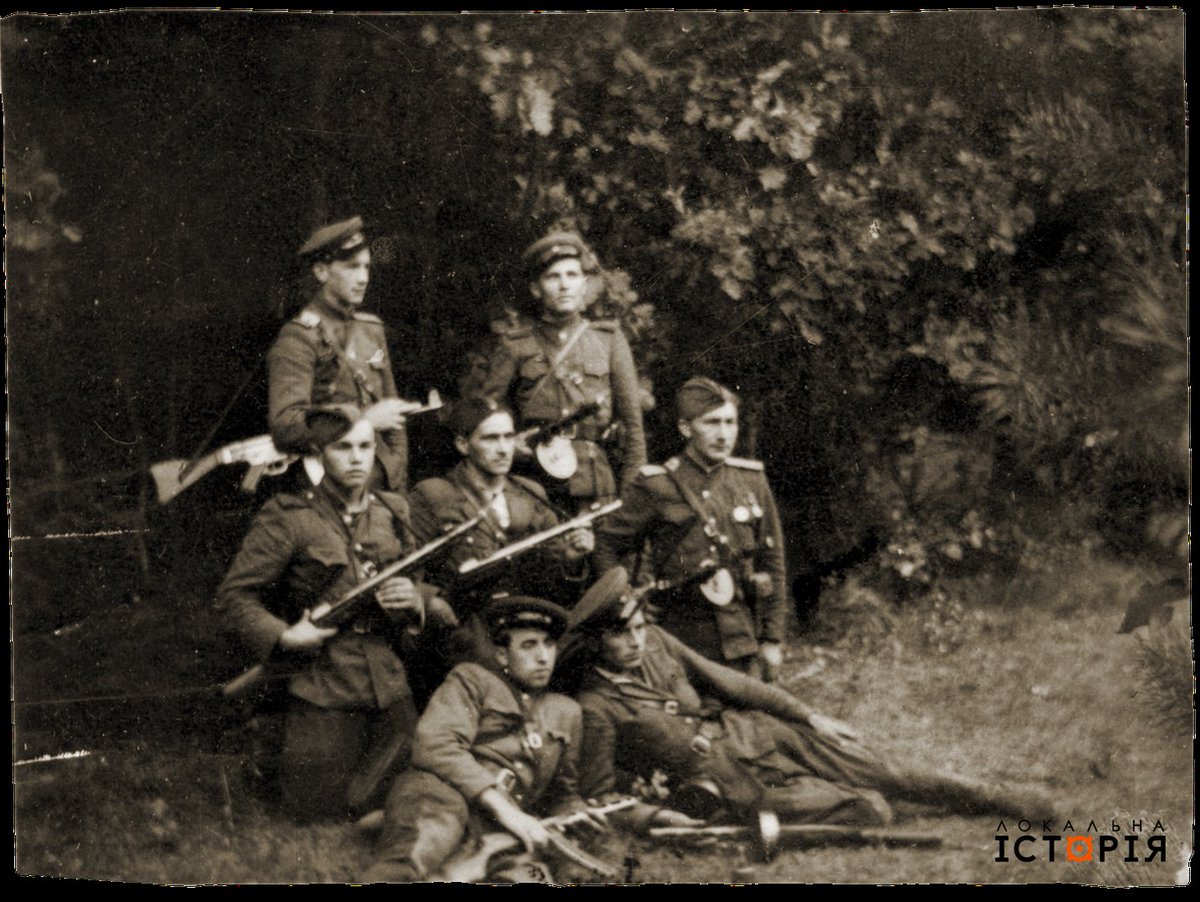
Щоб не УПА, не Шухевич де ми були б зараз?
Чи були б ми як нація? Чи сформувалися б як держава?
Чи мали б свою історію і своє майбутнє?
Ми маємо пам'ятати, що ми є лише тому, що хтось прийняв свій останній бій.

Українська
@akhmerov_marat Когда ослоёб восхищается Арменией, армянам надо задуматься, а все ли они правильно делают. Иди барашку приласкай.
Русский

Они смогли построить демократическое государство на Кавказе. Без выхода к морю. Без крупных запасов нефти и газа. Но с настоящими демократическими выборами. Это — Армения.
Подробно: t.me/maratakhmerov_…

Русский
@GlobalNews_24 Он не набрал 50% и сразу начал переобуваться. Собака сутулая, что с него взять.
Думаю реально он бы и 30% не смог набрать.
Русский

🇦🇲 Кремль гудбай, здравствуй Европа. Предварительные итоги! Пашинян лидирует на парламентских выборах. Партия премьер-министра Армении Никола Пашиняна «Гражданский договор» получает 56,7% голосов на парламентских выборах, сообщает независимые от Москвы СМИ Армении со ссылкой на данные экзитполов
Согласно опубликованным данным, партия «Сильная Армения», возглавляемая российским бизнесменом армянского происхождения Самвелом Карапетяном, набирает 17,5% голосов
Официальные результаты голосования Центральная избирательная комиссия Армении пока не объявила
Что ж, поздравляем 🤝 армянский народ сделал свой выбор в пользу Евросоюза и дистанции от Москвы 🫵

Русский
@GrustniiA @brewerov Саакашквили после августа 2008 г звал русский бизнес? Серьезно? Кто бы туда поехал))
Русский
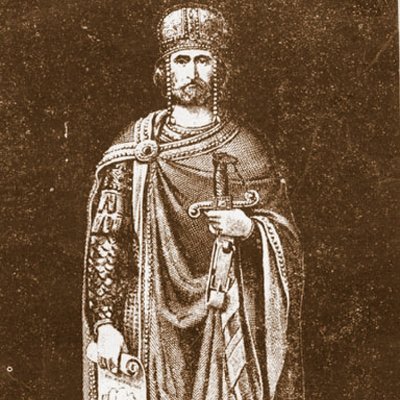
@brewerov Как жителю Южного Кавказа мне судьба Армении понятна. Достаточно посмотреть как Европа паматросила Саакашвили в 2008. Только армяне будут как русские и украинцы говорить нас за что? Саакашвили в 2009 звал русский бизнес и туристов встречал с вином. Легко гулится.
Русский

Пашинян победил на выборах в Армении: на данный момент у него более 53%, и он сможет единолично сформировать правительство.
Достойный ответ на угрозы и шантаж Путина.
Молдова, Венгрия, теперь Армения. Сплошные геополитические успехи у великого стратега.
Русский

Проживающие в России армяне скорее всего голосовали за Пашиняна. Ведь так удобно иметь российский паспорт со всеми льготами и армянский с безвизовым въездом в ЕС.
Русский
@ottomanenglish Турки спят и видят как уничтожить Армению. Но сначала Армения станет вассальным государством Турции. А потом России придется опять освобождать Армению.
Русский
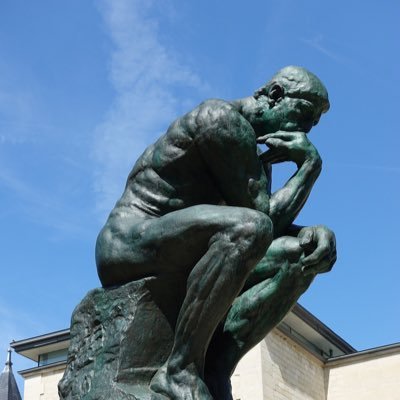
A major struggle between Turkey and Russia... Today, the fate of Armenia was decided... If Pashinyan, supported by Türkiye wins, the doors will be opened wide to Turkey. If Kocharyan wins, the borders will remain closed, and Armenia will once again become a Russian vassal state.

English
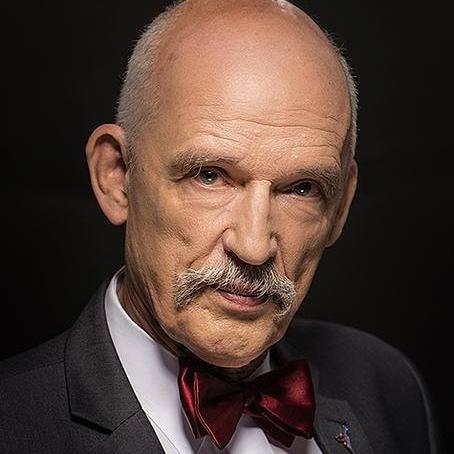
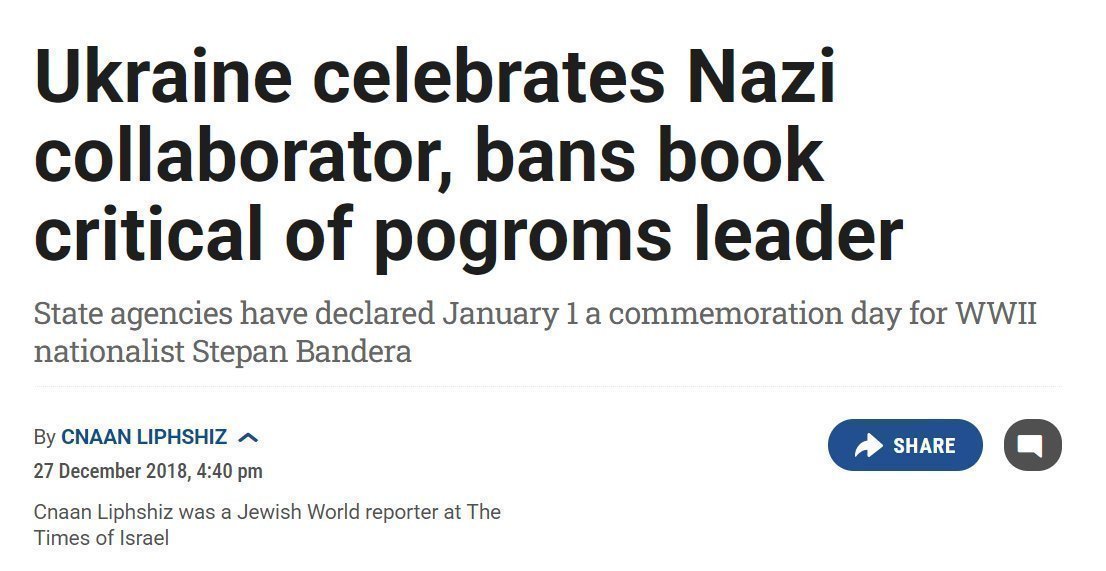
Przypominam wszystkim tym, którzy dziś wydzierają się z hasłem „Sława Ukrainie”.
Ten okrzyk był ostatnim dźwiękiem, jaki słyszeli w swoim życiu wszyscy ci, którzy dziś leżą w dołach, w bezimiennych grobach na Wołyniu.
Polski

Каждая страна подобна какому-то органу в человеке.
Россия – это сердце. Она умеет прощать.
США – это мозг. Они умеют думать.
Китай – это руки. Он умеет делать.
Бразилия – это лёгкие. Она умеет дышать.
Рот – это Франция. Любит поесть.
А Украина? А Украина, друзья, это жопа.
Русский
@Ear_Stretcher @igorekgb @NebojsaMalic Да ладно! Правда? Но чуть что вы вопите что Берлин взяли украинский))) кстати, я слышал по 100500 млн немок и 2 тысячи инопланетян. У тебя пластинка старая.
Русский

Вот так нейронка оценила твою кретинскую логику. С идиотами не связываюсь. Blocked.
Названия фронтов (1-й/2-й/3-й Белорусские, 1-й Украинский, 1-й Прибалтийский) — это чисто оперативно-географические обозначения направления наступления, а не национальный состав войск.По архивным данным доктора исторических наук А. Ю. Безугольного («Национальный состав Красной Армии. 1918–1945»), в январе 1945 года русские составляли 60–65 % (а часто больше) личного состава этих фронтов, включая большинство офицеров и сержантов. Украинцы и белорусы шли следом, но значительно отставали. Прибалты (эстонцы, латыши, литовцы) во всей Красной Армии — менее 2 %.Поэтому попытки свалить всё на «прибалтов, белорусов и украинцев» — это искажение фактов. В Германию входили в первую очередь русские солдаты и командиры.
Русский

You will NEVER hear Russians disparaging Americans, Brits, Poles, etc. who stormed the beaches of Normandy on D-Day. They are rightly revered as heroes who helped bring about the defeat of Nazi Germany.
Yet the West constantly erases the USSR from WW2 history. Inexcusable.
English
@rekalosu @NebojsaMalic Поляку обидно. Он мечтал что нападет на СССР вместе с Гитлером. Но Гитлер его обманул.
Русский

@NebojsaMalic Russia is erasing that they started it being allied with Hitler ;)
English