Shakeel

15.5K posts

Shakeel banner
Shakeel

Shakeel

@ShakeelHashim

Editor, @ReadTransformer. Prev: AI safety and EA comms, journalist @TheEconomist, @Protocol, @finimize

London Joined Ekim 2009
2K Following8.1K Followers
Shakeel
Shakeel@ShakeelHashim·
Actually on re-reading the Sunak article, I don’t think he’s making the claim you are. He’s saying that unless you have *some* regulation, there’ll inevitably be a backlash that will lead to overregulation, which will be counter productive. I think he’s right there (nuclear energy being a good example). And he says that if labs stop voluntarily complying we should make it mandatory.
English
1
0
0
19
Shakeel
Shakeel@ShakeelHashim·
@ednewtonrex I think the redteaming/jailbreaking work they do is better than what Pliny etc do, and importantly they can also redteam in natsec areas that literally only govt can red team. I think that’s a fair point re the Sunak article, I just think he’s wrong!
English
1
0
2
26
Ed Newton-Rex
Ed Newton-Rex@ednewtonrex·
I feel very uncomfortable about the AI Security Institute, and this article by its creator, ex-PM Rishi Sunak, encapsulates why: He frames it as a way of avoiding regulating AI. He says this categorically. “If politicians are blithe about the risks [of AI], they will vote for those who favour regulation.” And he makes it clear he thinks regulation would be bad: “western governments shouldn’t restrict innovation in the race against China.” This is a man who now works for both Anthropic and Microsoft (not disclosed in the article). Evaluating the safety of AI models is good. But not in place of regulating the technology itself, and the companies behind it. Besides, as he points out, companies only give the AI Security Institute access to their models voluntarily. This means the UK government relies on good relations with big tech, which in turn makes it even less likely to regulate. It is far from clear how much the AI Security Institute has actually achieved with its astronomical public funding. What *is* clear, though, is that the people who set it up see it as a way of ensuring *less* regulation of AI companies, not more. This is very bad news.
Ed Newton-Rex tweet media
Rishi Sunak@RishiSunak

There’s one area where we’re teaching America a lesson on AI. How do you stay ahead of China in the AI race while reassuring the public that powerful models are safe? In Britain, we’ve come up with a good answer 👇 thetimes.com/business/artic…

English
8
30
91
4K
Shakeel
Shakeel@ShakeelHashim·
The evals stuff is the entire reason it exists, certainly not a bonus. I think you seriously underestimate how important evals are to figuring out catastrophic risk stuff (or how expensive it is to do stuff like this — look at US AISI, which is non-functional on its budget). Evals also massively strengthen the case for regulation: the post-Mythos desire to regulate is driven by evals making its capabilities more salient. (This is the whole METR theory of change, but they lack credibility compared to AISI). I also think that if and when we do regulate — which I think is absolutely going to happen in the next two years — we'll be very grateful to have spent a few years building up the infrastructure and skills to be able to do it. And regulation is much more politically feasible when the science of evals is well-established (the main talking point tech trade groups used against SB 315, for instance, was "no one knows what auditing looks like", being able to point to UK AISI's work to disprove that is really crucial). I agree we need mandatory regulation, but I think on net AISI's work and existence strengthens the case for regulation rather than undermines it.
English
1
0
2
31
Ed Newton-Rex
Ed Newton-Rex@ednewtonrex·
I agree that AISI could be a good thing in principle, but I disagree that the bits of work you mention are clearly worth the funding. Finding jailbreaks is all well and good, but not vastly different from what the likes of Pliny do (for free). Besides, if this is deemed important, it feels like something that should be concretely regulated (requiring model access, audits etc.). I think there’s a good argument a voluntary setup gives people a sense of security without it really being there. I don’t think the evals work is worth the funding. Again, all well and good, but surely a bonus as opposed to the main thing you’d expect for these millions. IMO AISI’s main benefit is as a body that can share intel on model capabilities etc with the UK government (not just pitches that come from AI companies). In that regard I think it already performs a useful function. That alone wouldn’t justify the level of funding, though. Again, I don’t think its existence is clearly a bad thing. But I think there are potential flaws at the moment: (i) voluntary nature of engagements, which leads to (ii) chumminess with big tech, making it harder to regulate, (iii) Sunak’s admission in today’s article that AISI’s very existence diminishes the need to regulate, and (iv) a lack of transparency meaning it’s not clear what it’s achieving.
English
1
0
0
75
Aaron Bastani
Aaron Bastani@AaronBastani·
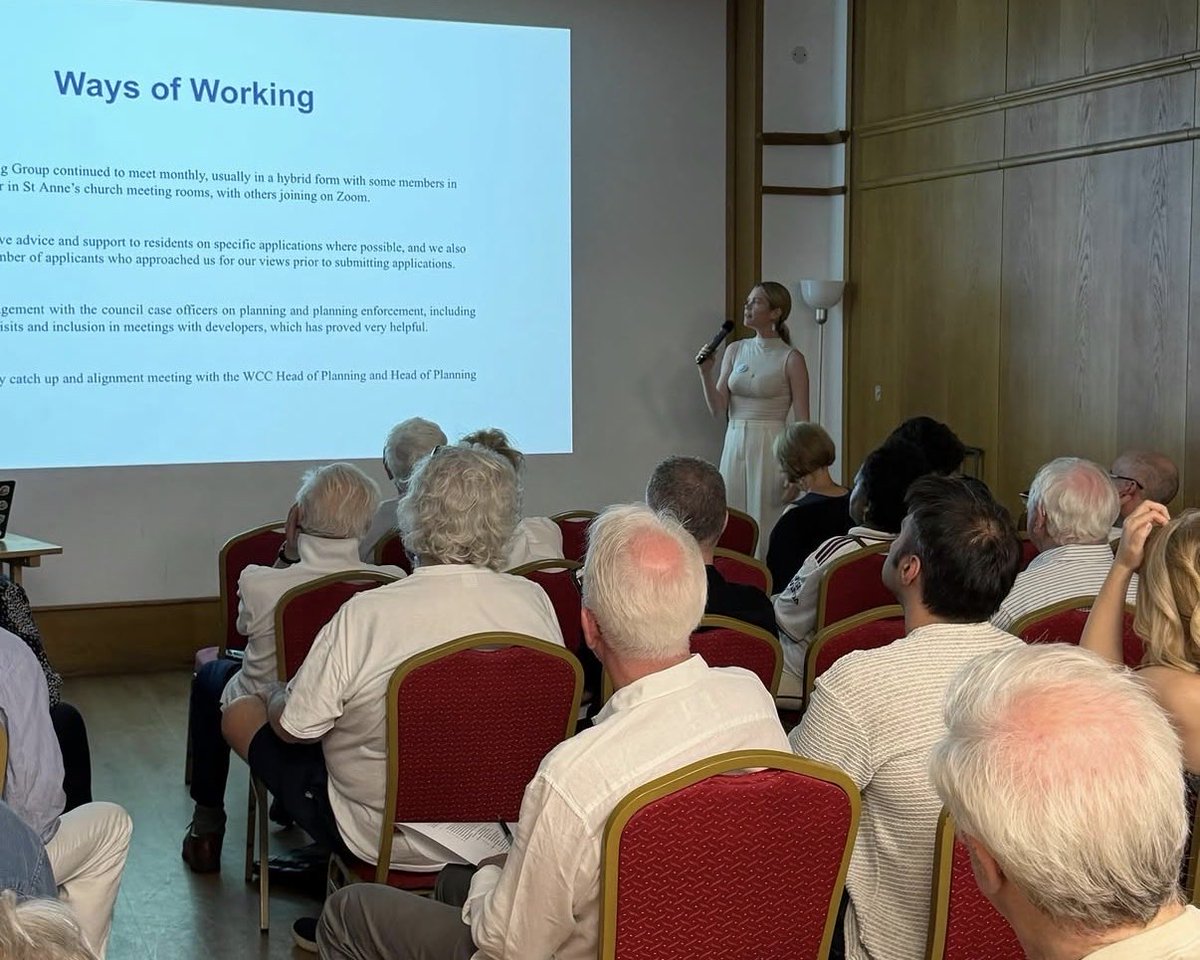
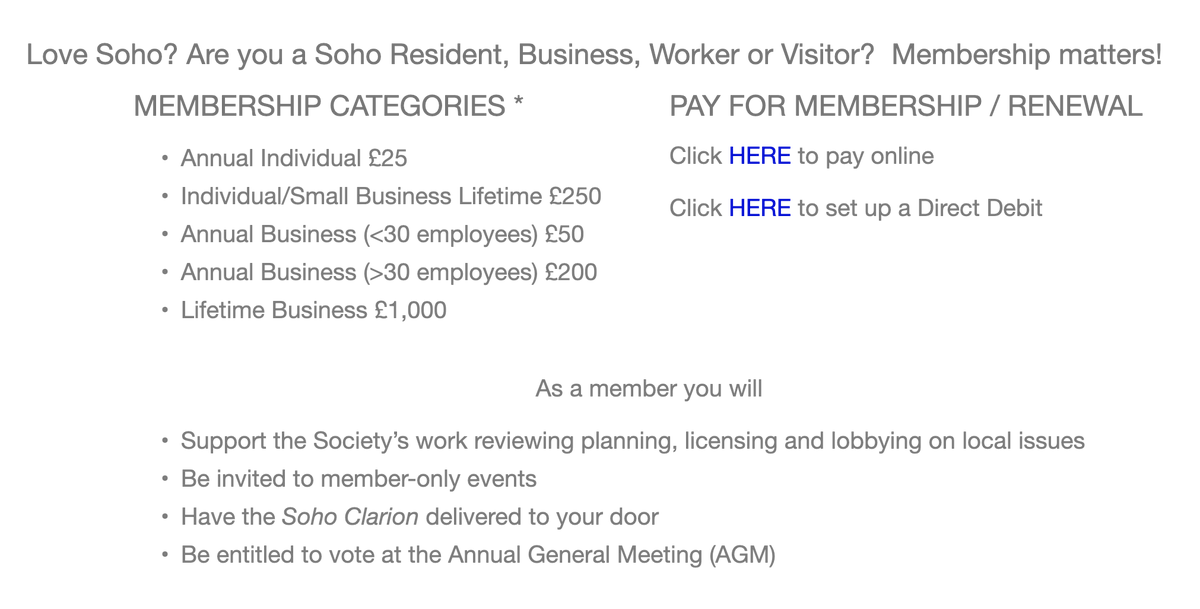
The AGM of the Soho society. I’ve great respect for older people, they’re invariably wiser than those younger than them! But the median age in this country is 41, not 71. You can’t just create a sh*t country for young people and expect them to stay!
Aaron Bastani tweet media
Lewis Goodall@lewis_goodall

The Soho Society is objecting to *every* new bar/restaurant licence in what is supposed to be the centre of London’s nightlife. More planning/licensing insanity. I asked them to come on my Sunday LBC show: "We will absolutely not be taking questions from journalists". Of course not. theguardian.com/uk-news/2026/m…

English
27
52
763
131.9K
Shakeel retweeted
Caroline Orr Bueno, Ph.D
The Peter Thiel-funded startup Objection[.]ai — which was unveiled last month as a tool for rich people to pay money to have former spooks and AI models challenge journalists — appears to be defunct already.
Caroline Orr Bueno, Ph.D tweet media
English
0
26
58
2.6K
Shakeel
Shakeel@ShakeelHashim·
I think @DavidSacks has shot himself in the foot. By consistently blocking AI regulation at the federal level, he's created a vacuum — one which states are now filling with increasingly stronger regulation of their own.
Shakeel tweet media
English
5
1
55
3K
Shakeel
Shakeel@ShakeelHashim·
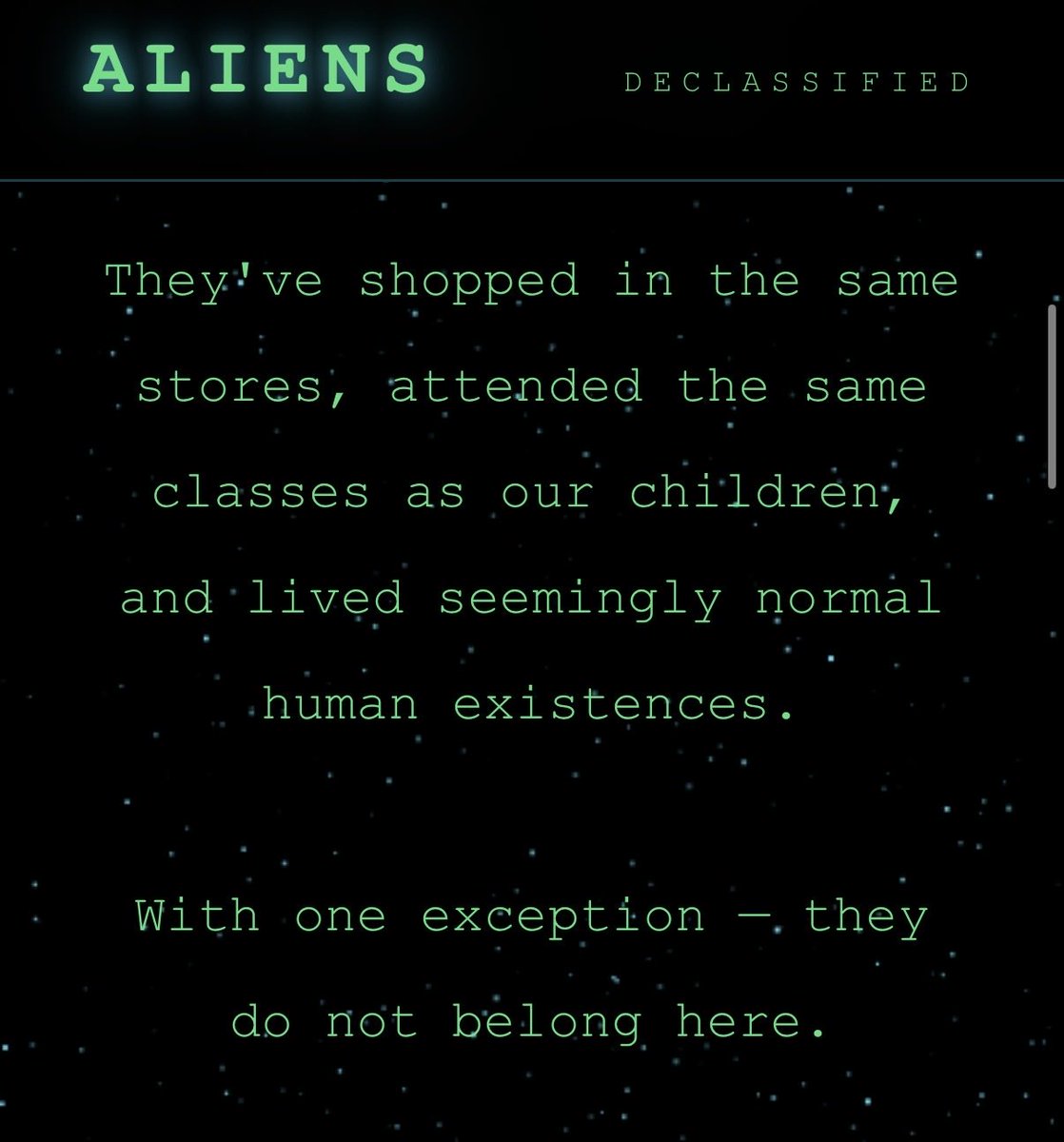
@ApriiSR I don’t really know how else to interpret this “seemingly human” line
Shakeel tweet media
English
1
0
2
39
Aprii 🩷💎🔎💜
@ShakeelHashim the whole scheme is unquestionably dumb and vile but i don't really think it's trying to push the idea that undocumented immigrants are not human in particular admittedly some people might interpret it as supporting that idea but i don't especially think that was the intent
English
1
0
5
157
Shakeel
Shakeel@ShakeelHashim·
Illinois' new AI safety bill shows that the campaign to stop federal AI laws is backfiring. The longer Washington fails to regulate AI, the more room there is for states to pass stronger legislation — and raise the bar that an eventual federal framework will have to clear. The question now is whether accelerationists will finally realize this. transformernews.ai/p/the-campaign…
English
0
6
20
857
Shakeel
Shakeel@ShakeelHashim·
Really annoying not being able to control Cowork sessions from my phone, @AnthropicAI plz fix
English
0
0
0
902
Shakeel
Shakeel@ShakeelHashim·
@AlexanderMcCoy4 TBD, but I think there might be an actual shift happening
English
1
0
3
276
Alexander McCoy
Alexander McCoy@AlexanderMcCoy4·
@ShakeelHashim Is it though? Or is it just acknowledging a fait acompli and trying to get credit for jumping on the bandwagon after the credits have already rolled?
English
1
0
4
640
Shakeel
Shakeel@ShakeelHashim·
This is very notable, given a16z’s American Innovators Network group opposed the bill.
Build American AI@BuildAmericanAI

We support Illinois SB 315, which builds on California’s and New York’s landmark AI safety and transparency laws by establishing strong protections to safeguard kids, users, and communities. While we do support SB 315’s third-party audit provisions in principle, we have potential concerns about the implications of how the bill addresses them. We believe third-party audits of frontier models will be important, if implemented properly and professionally, but if not, they carry the risk of becoming politicized or ineffective due to being run through bureaucracies that don’t have sufficient AI expertise. We worry that if many states include such provisions, then AI models will be subject to many disparate and overlapping audits, similar to how money transmitter licensing requires audits from 53 jurisdictions. Furthermore, we think it’s important that states remain harmonized rather than having an arms race of escalating provisions. We won’t weigh in on every piece of AI legislation, but wanted to do so here in order to better communicate the nuances of our AI position. We continue to believe a comprehensive federal framework for frontier AI oversight will be critical so there is one set of rules that provides safety, oversight, and protection for innovation, but that harmonized state legislation (as we’re seeing in California, New York, and now Illinois) is helping shape an emerging national model for AI governance. We appreciate the strong partnership and collaboration among all stakeholders on these issues during the final weeks of session.


English
2
0
19
5.2K