

I just claimed the Fast Genesis SBT @Fast_Protocol.
Now, I'm running Fast RPC for faster sends and earning Fast Miles on top.
Mint yours →
fastprotocol.io/referral?af=0x…
English
XuanDat
2.6K posts



Introducing the Open Gas Initiative - a way for protocols to subsidize gas for users, zero-code, for a seamless, frictionless onchain experience. With OG cohort: @eigencloud, @ether_fi, @pendle_fi, @Velvet_Capital. 👇



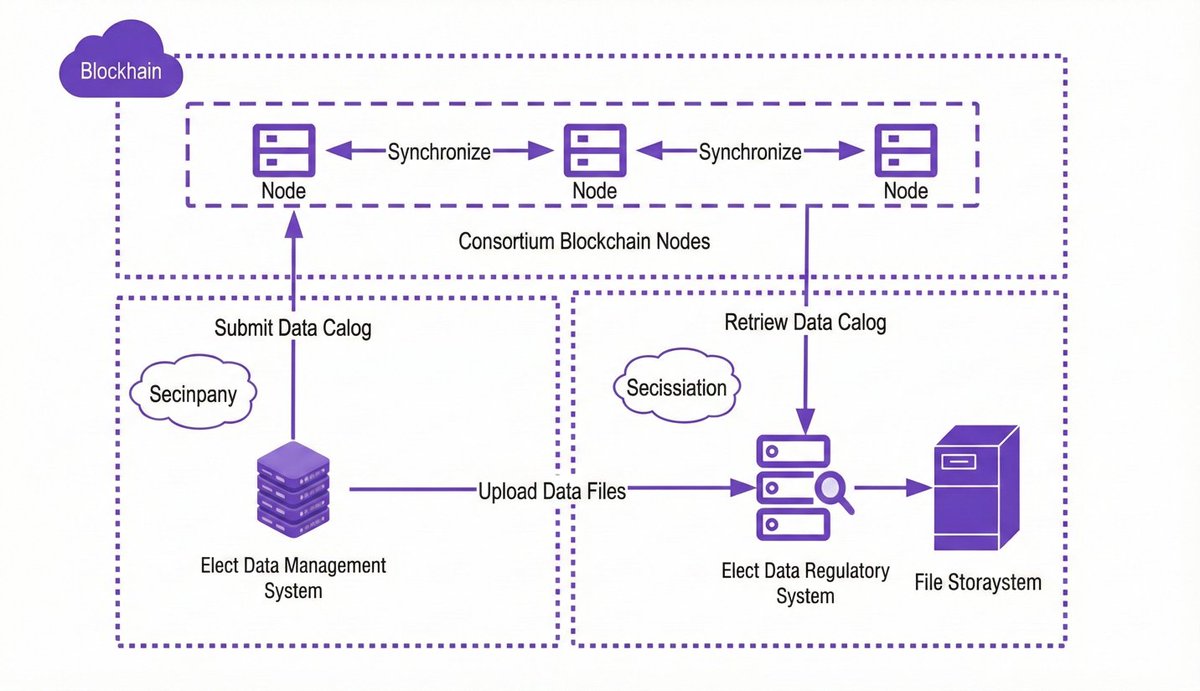
China’s RWA strategy is misunderstood. It’s not a ban; it’s a sophisticated bifurcation. While the West debates "DeFi vs. TradFi," China has deployed the "One Country, Two Chains" architecture. Our latest report “Mainland vs. Hong Kong” decodes this massive liquidity machine: 1. The Dual-Chain Thesis - 🇨🇳 The Mainland (The Factory): Runs on Consortium Chains. - Focus: Compliance & Data Sovereignty. Real assets (Solar/EV piles) are digitized here, but strictly fenced off from speculation. - 🇭🇰 Hong Kong (The Port): Runs on Public Chains. - Focus: Global Liquidity. This is where the digitized assets get tokenized (e.g., on Ethereum/Solana) to tap into global USD capital. 2. The Killer App: "Two Chains, One Bridge" The report highlights the Ant Group (ZAN/Jovay) model as the blueprint. - Input: Verify physical assets via IoT on the Mainland chain. - Bridge: Cross that trusted data over the compliance firewall. - Output: Issue tokens in HK for global investors. The Alpha: This structure solves the impossible triangle: getting global funding for Mainland assets without violating capital controls. The future isn't pure decentralization. It's "Dual-Track Trust"—local verification meeting global liquidity. If you are building RWA in Asia, this middleware layer is the only game in town. Special thanks to the author for this masterclass: 猫咪佛陀 (@showtime9965).