Pinned Tweet

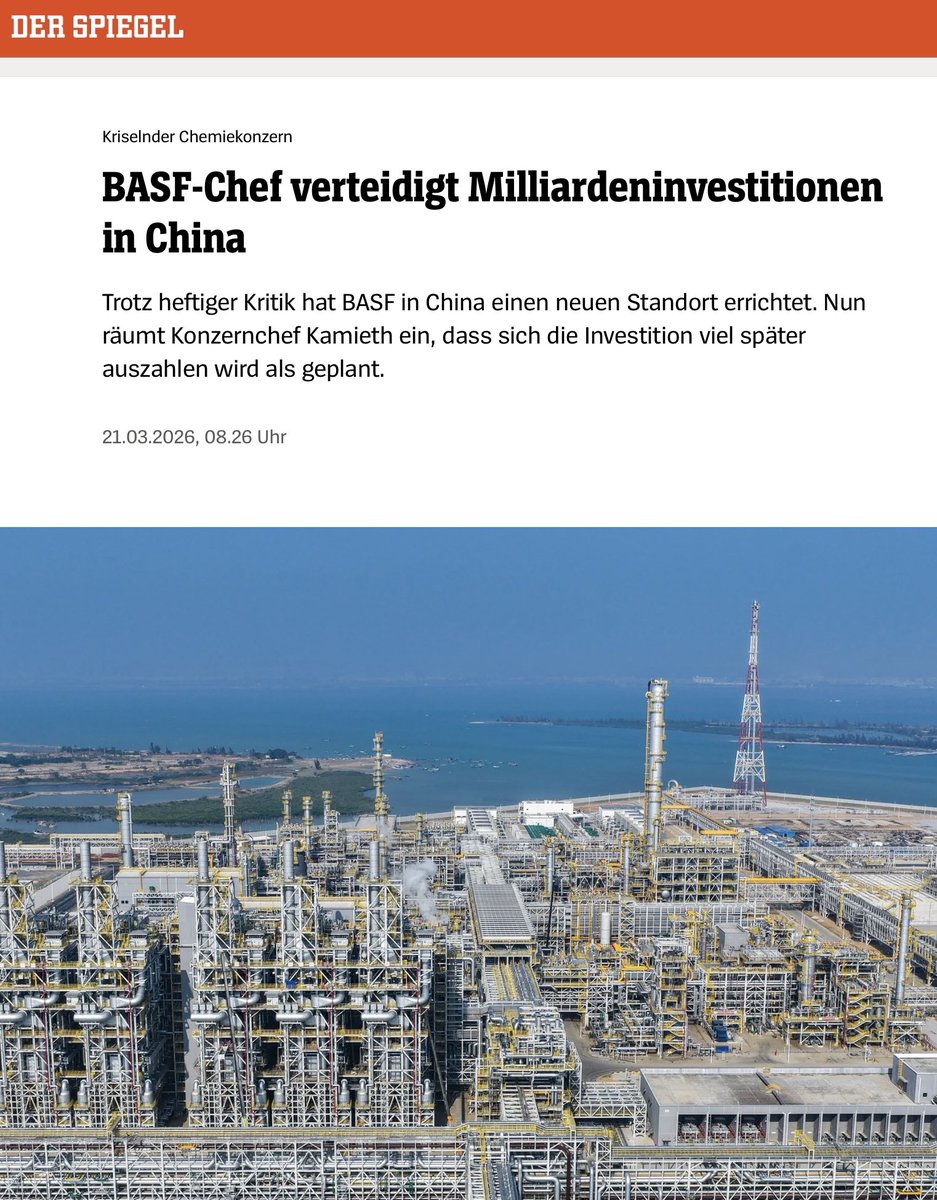
Every pixel in this picture is vibrotactile feelable. Darker pixels have a stronger vibration.
Jackborg@bionicIsfuture
English
Jackborg
37.2K posts

@bionicIsfuture
Neurotech Nerd, Autism, Humanist, Sozialliberal, Sci-fi, Transhumanismus, Künstler, Themen von A-Z, Eigene Meinung no ⬅️➡️ denken, Doppelmoral👎🏻Free Speech

The war in the Strait of Hormuz will reach your local pharmacy within six weeks. Not because your pharmacist follows geopolitics. Because the active pharmaceutical ingredients in roughly half of America’s generic prescriptions begin as petrochemical derivatives manufactured in India, and India’s petrochemical industry begins as crude oil that transited 21 miles of water that closed on March 4. Nearly 70 percent of the active ingredients in US generic drugs are produced in India. India imports approximately 40 percent of its crude oil through the Strait of Hormuz. The crude feeds refineries that produce naphtha. The naphtha feeds petrochemical crackers that produce intermediates. The intermediates feed pharmaceutical plants in Gujarat, Maharashtra, and Hyderabad that produce the API, the active pharmaceutical ingredient, that is shipped to contract manufacturers in the United States, Europe, and across Asia. The chain from the strait to the tablet is six steps long. Every step requires the one before it. CNBC reported that the Hormuz closure puts America’s generic drug supply at risk. Fierce Pharma warned of longer-term effects on US manufacturing and generics. Think Global Health mapped the pharmaceutical supply chains most vulnerable to disruption. The consensus across trade publications, health policy analysts, and industry executives is identical: four to six weeks of current inventory exists in the pipeline. After that, shortages begin with the most complex formulations first. Cancer drugs are the highest risk. Biologics requiring cold-chain storage have the shortest shelf life and the longest replenishment cycle. Clinical trial medications depend on uninterrupted supply chains that are now interrupted. Insulin analogues, antivirals, and cardiac medications all contain intermediates sourced from Indian manufacturers whose input costs are rising with every day the strait remains closed. Air cargo is the emergency bypass. But air freight rates from India have climbed 200 to 350 percent on some routes since the war began, according to logistics tracking firms. Gulf air capacity is down 79 percent because airports in the UAE, Kuwait, and Qatar have been damaged or operate under restricted conditions. The Suez Canal route adds 10 to 14 days to maritime shipping times. The Cape of Good Hope route adds 21 to 28 days. Both alternatives assume the Red Sea remains navigable, which the Houthi threat has complicated since 2024. The World Health Organisation reported a 70 percent funding gap for its operational response in the region. Medical supply chains to Iran itself have been devastated, with hospitals reporting shortages of surgical supplies, blood products, and anaesthetics. But the downstream pharmaceutical effect extends far beyond the war zone. Every Indian manufacturer that pays more for crude pays more for naphtha, pays more for intermediates, and passes the cost forward into API prices that American generic drug companies absorb until they cannot absorb any further. The molecule does not know it is a medicine. The strait does not know it is a pharmacy. The petrochemical derivative that becomes a blood pressure tablet transits the same water as the petrochemical derivative that becomes a fertiliser pellet. Both are trapped. Both have shelf lives. Both have planting windows or prescription refill cycles that do not negotiate with blockades. Six weeks. Then the pharmacy starts calling patients about substitutions. open.substack.com/pub/shanakaans…




Impressive skill... but when would she EVER need this??






Die untergegangene Sowjetunion war - in allen Belangen - fortschrittsfreundlicher als das heutige Russland.

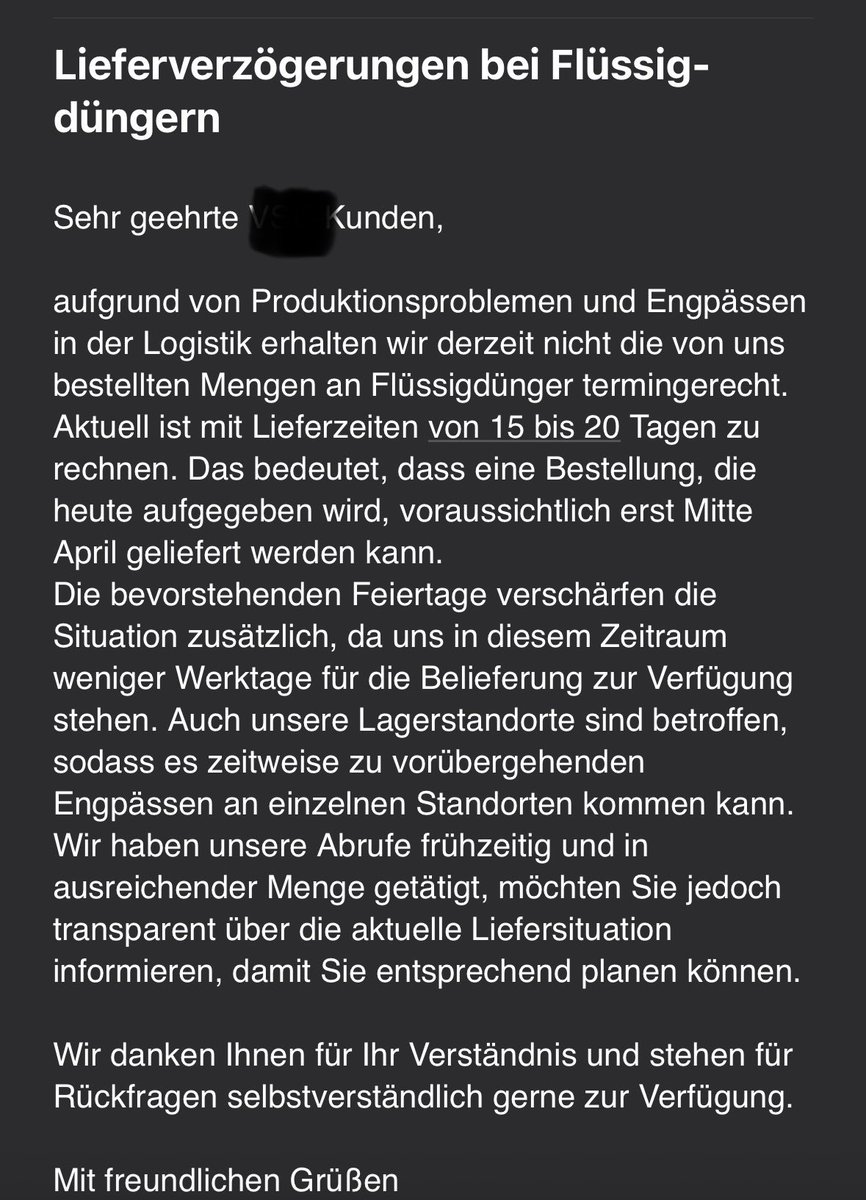
#Diesel in Bochum heute 2,38€. Auch im Supermarkt werden wir in den nächsten Tagen die Krise spüren. Es wird höchste Zeit,über Entlastungen zu sprechen. #iran tagesspiegel.de/politik/hohere…


"Was bitteschön hat der Gaspreis mit Landwirtschaft zu tun?" Die 24-jährige Landwirtin Paula Schultze aus der Nähe von Riesa erklärt euch das unaufgeregt sachlich. Bewundernswert, dass sie trotz der sehr ernsten Lage das Lächeln nicht vergisst. 1/2


Exclusive from @oliver_wright Ministers are examining plans to ration petrol and diesel supplies at the pump if the conflict in the Middle East continues to restrict the supply of oil to the UK. Government figures show that the country has less than 900,000 tonnes of petrol in storage - 10 per cent less than a year ago and about 26 days’ supply at normal demand levels Although ministers insist in private that the country currently has adequate reserves to avoid rationing, senior government sources admit that “demand constraint measures” could become necessary if significant disruption to oil supply continues Ministers already have emergency powers under the Energy Act which they can use to control supply and demand of petrol products during severe disruptions. These were last used in 2000 when hauliers blockaded fuel depots to protest at rising prices, leading to nationwide petrol shortages. The plans would allow the government to cap the amount of fuel motorists can buy at any one time and designate certain petrol stations as hubs that would only serve emergency and critical service vehicles. Diesel sales could be restricted to commercial vehicles involved in the delivery of key supply chains, such as food and health One source said that although the need to implement the plans were “some way off” there was growing concern that disruption to supplies could last longer than had previously been expected. Industry experts believe that even if the Strait of Hormuz were to reopen tomorrow it could take up to six months for normal supplies to resume. thetimes.com/article/832f7c…