Pinned Tweet
அப்பன் நீ, அம்மை நீ, ஐயனும் நீ, அன்புடைய மாமனும் மாமியும் நீ, ஒப்புடைய மாதரும் ஒண்பொருளும் நீ

தமிழ்
𑀓𑀺𑀭𑀼𑀱𑁆𑀡𑀷𑁆 🇮🇳
67.3K posts

@tskrishnan
சரித்திரத் தேர்ச்சி கொள். Writer. Passionate about History, Heritage and Temple architecture. Views are personal : https://t.co/aMNuIu1lq0

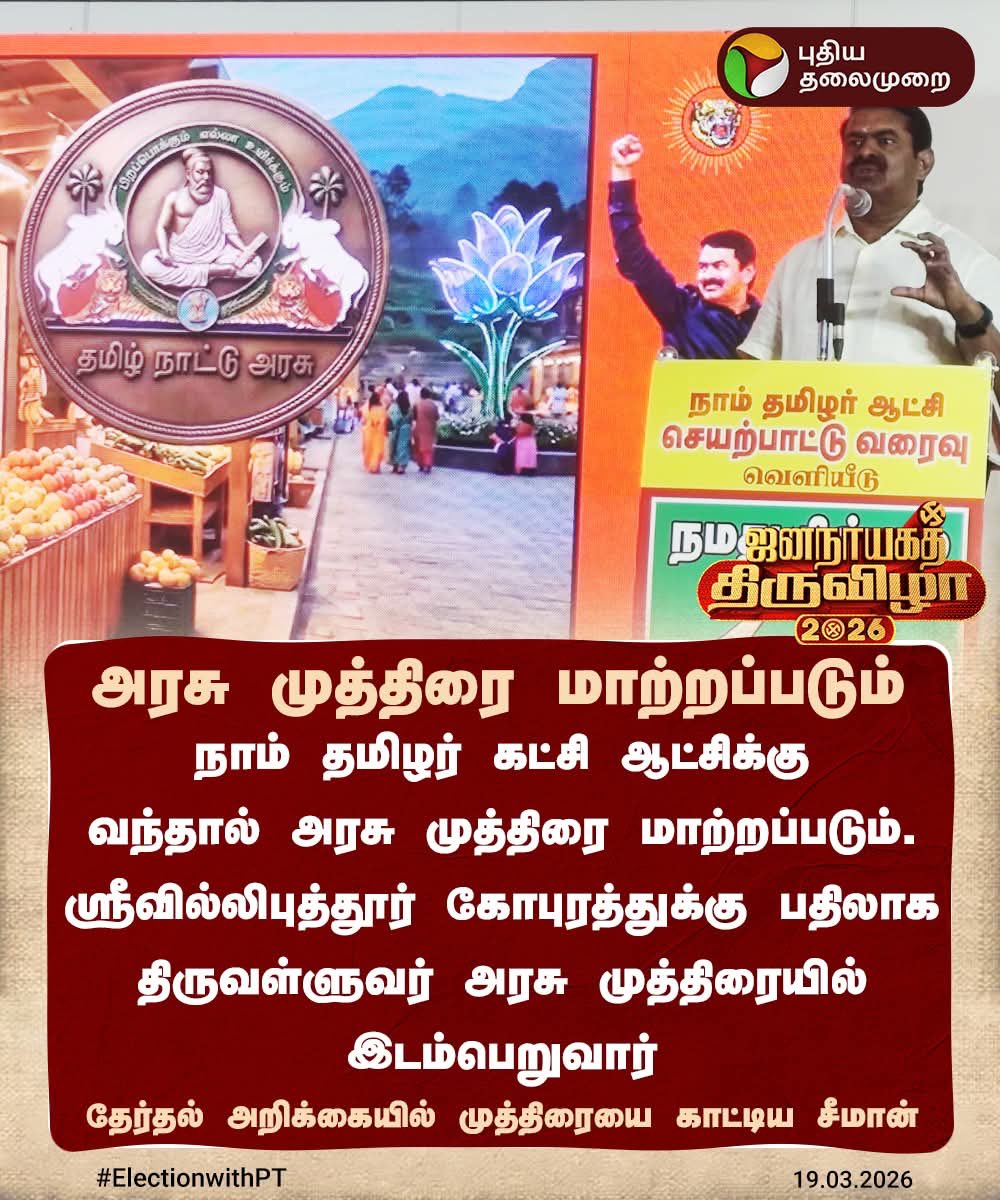
திருவள்ளூவர் தமிழ் கலாச்சாரம் இல்லையாம் ஆனா கோபுரம் தமிழ் கலாச்சாரமாம்.. சரி ஏறுங்க பேசிக்கிட்டே போவோம் மொமெண்ட்..😄

A 16th Century pillared temple hall installed within the Philadelphia Museum of Art... The hall is constructed from 58 carved granite architectural elements originating from a temple in Madurai, India 🇮🇳 These elements were collected in 1912 by Adeline Pepper Gibson, a Philadelphian who found them in piles of rubble. Installed between 1935-1940, the space is designed to resemble the Artha Mandapam (entry hall) of a South Indian temple. It is considered the only historical stone temple architecture publicly displayed outside of the Indian subcontinent. #drthehistories



Today, the Maha Samprokshanam of Thirukoshtiyur Temple is being performed. One of the most remarkable architectural features of the Thirukoshtiyur temple is its gigantic 96-foot-high Ashtanga Vimana, a rarity found only in two early Pandya temples. What makes the Ashtanga Vimana unique? Ordinarily, a temple vimana consists of six angas (parts): Adhisthana, Pada, Prastara, Griva, Shikhara and Stupi. In an Ashtanga Vimana, two additional padas are introduced, taking the total to eight structural components. A striking feature of this architectural form is that each pada houses a separate sanctum. This multi-tiered sanctum arrangement is predominantly associated with Vishnu temples, where Mahavishnu is worshipped in three distinct postures: Kidantha Kolam (reclining), Nindra Kolam (standing), Iruntha Kolam (sitting) Thirukoshtiyur perfectly exemplifies this architecture with; Lower level: Perumal in the reclining posture, accompanied by Sridevi and Bhudevi Middle level: Upendra Narayanan in the standing posture, with Sridevi and Bhudevi Upper level: The shrine of Sri Paravasudevan This vertical ascent through the sanctums is not merely architectural—it is theological, guiding the devotee upward through successive manifestations of Vishnu. Thirukoshtiyur also holds immense Vaishnava significance as one of the 108 Divya Desams, sanctified by the hymns of the Alwars. A temple where Pandya architecture, Vaishnava theology, and sacred geometry come together in one awe-inspiring structure. #TempleTales


Sanskrit inscription from Padaividu,Tamil Nadu This inscription is engraved on a rock found outside the village Padaividu,Polur taluk, Tiruvannamalai district,T.N. It is written in Sanskrit language and Grantha characters. Seems to records the gift of lands as sarvamaniya by Yedagonam Bhatta Sri for the merit of Nandagōpala Krishna Dēva.



जगतजननी मां दुर्गा के चरणों में कोटि-कोटि देशवासियों की ओर से मेरा नमन और वंदन! नवरात्रि के पावन पर्व पर देवी मां से विनती है कि वे हर किसी को अपने स्नेह और अनुकंपा का आशीर्वाद प्रदान करें। जय माता दी! youtube.com/watch?v=XnAJOy…