

Mark 🇦🇺
7.4K posts

Mark 🇦🇺
@Mark_Graph
Interests: Data. Python. Economics. Social Policy. Politics. Australia. Caveats: Not financial advice. Opinions my own. Likes ≠ endorsement.
Australia Se unió Mart 2012
2.5K Siguiendo5.2K Seguidores

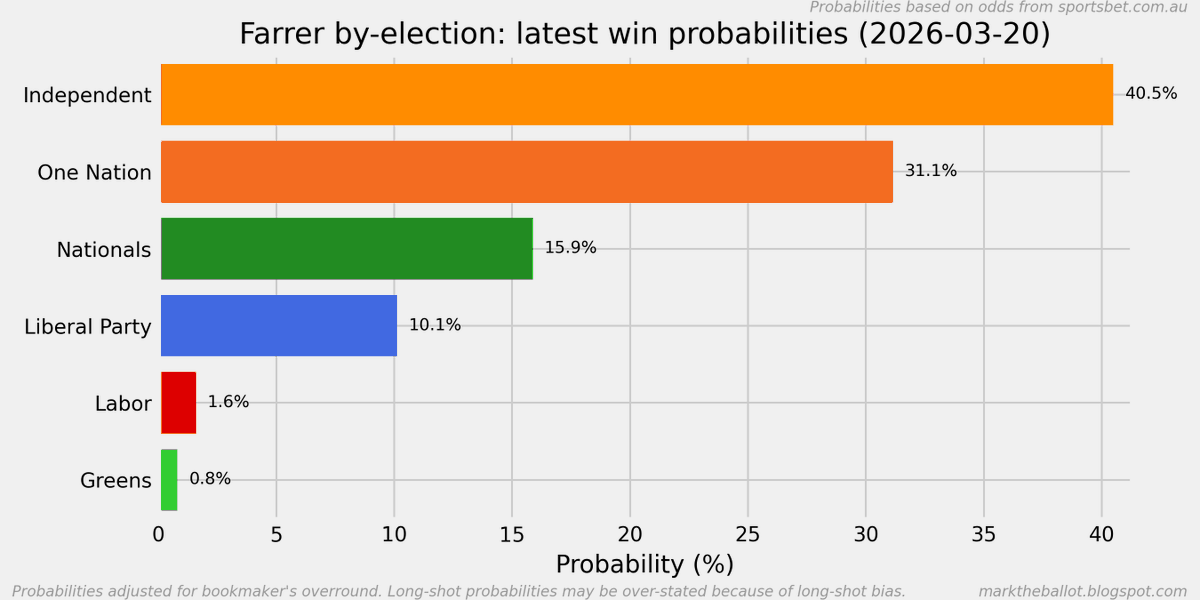
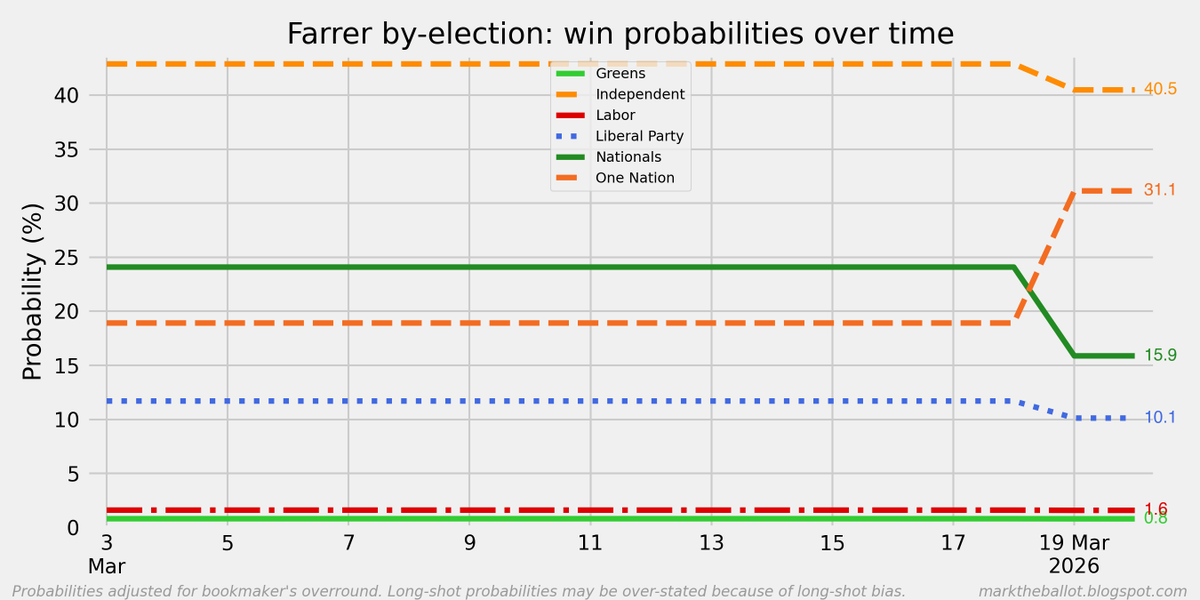
@Mark_Graph You know, you don't have to use the colours the candidates use - just silly to have orange vs. organge in those charts when there is no red this time, or purple for that matter, or even yellow.
English

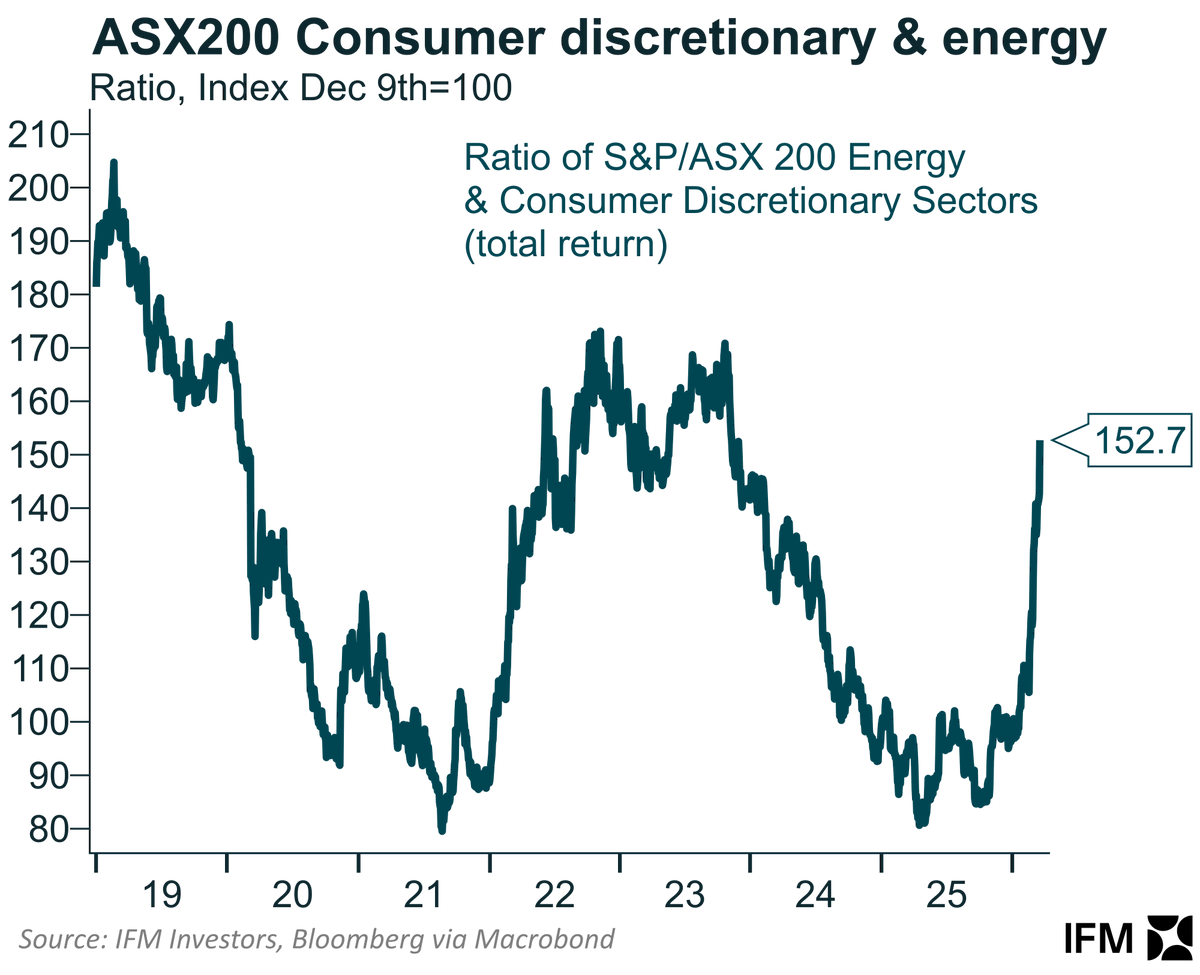
@peter_tulip The core issue is that the gains are concentrated (exporters, shareholders) while the pain is dispersed (every household and business that uses energy).
English

the effect of higher oil prices on Australia's national income is substantially offset by higher LNG export earnings.
Mark 🇦🇺@Mark_Graph
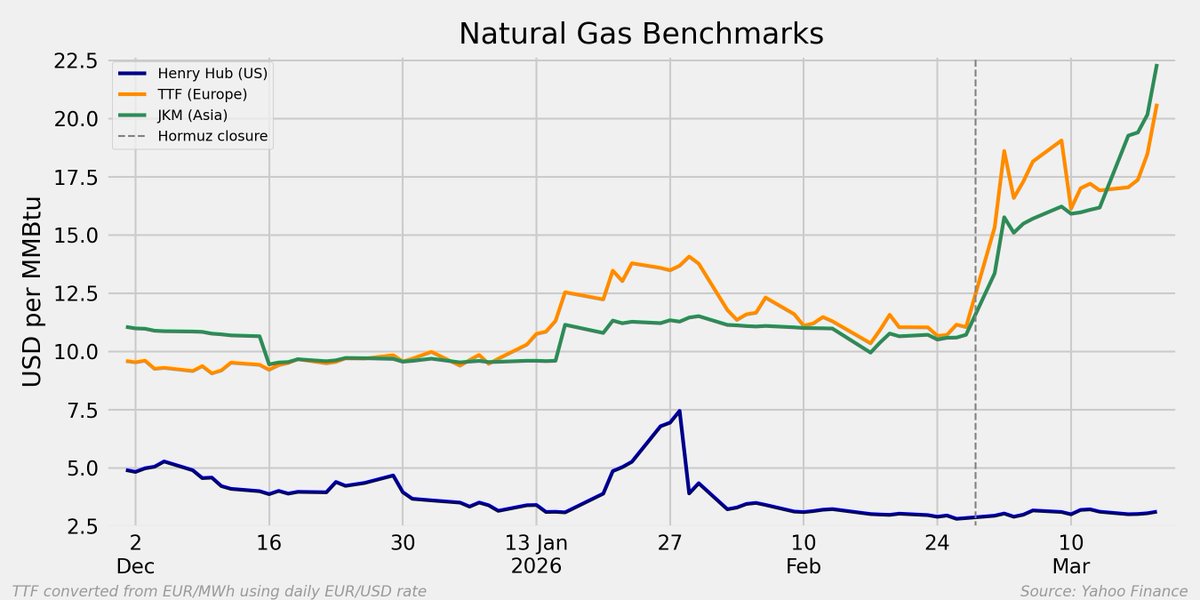
Elec & gas prices set to rise sharply as the Strait of Hormuz closes 🔥 Asia LNG (JKM) has doubled since the closure. Aus exports 83% of its gas – domestic prices follow international ones. Ironically, US unaffected. #auspol #ausbiz #ausecon
English
Mark 🇦🇺 retuiteado

Mark 🇦🇺 retuiteado

If dramatically more Middle East energy production infrastructure get's destroyed, one wonders how supply arrangements will evolve.
Would it be purely about top dollar or would it come down to alliances.
If you are my friend you get what you need, if you are not....
English

Port Stanvac closed 2009 under Rudd. Clyde closed 2012 under Gillard. That's two when Labor was in power. All were commercial decisions by oil companies regardless of who was in government. All were allowed by both sides of politics. The strategic importance of supply chain security was realised with COVID. The Fuel Security Act was enacted to address these concerns.
English

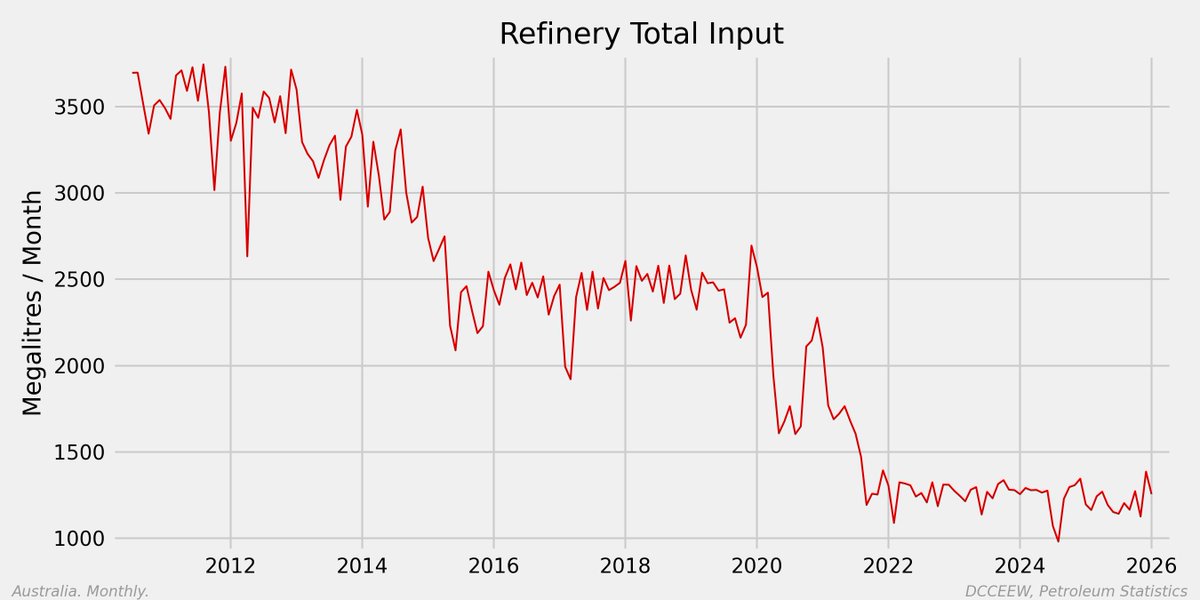

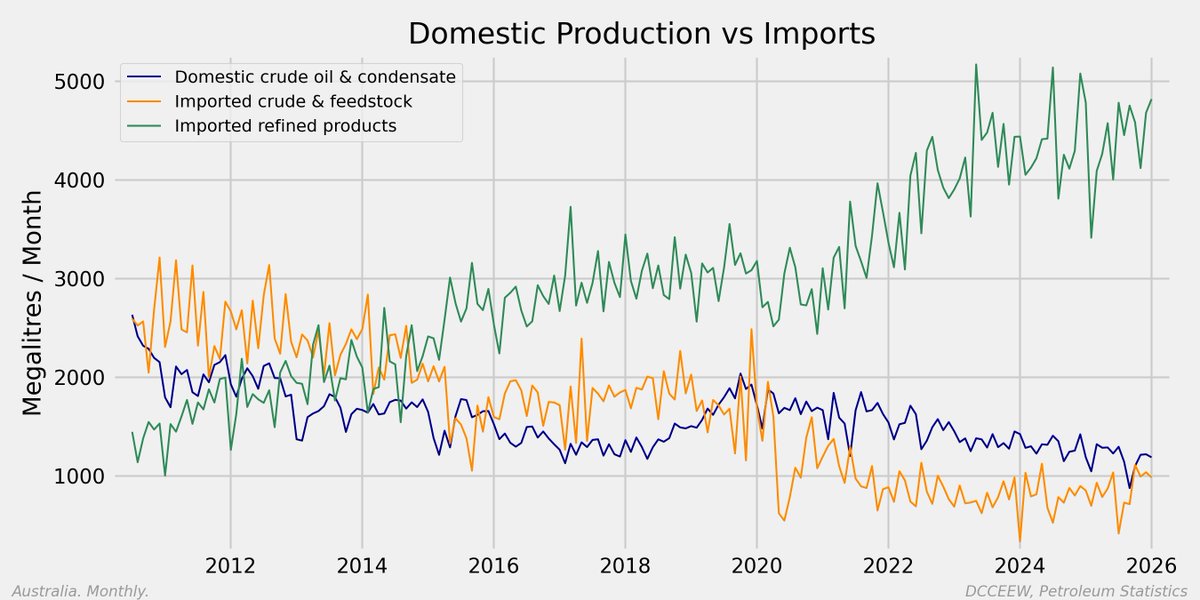

@Margare12740329 Port Stanvac (SA) closed when Rudd was PM and Clyde (Sydney) closed when Gillard was PM. However, none of the six recent closures were government decisions. All were commercial decisions by multinational oil companies based on profitability compared to larger Asian refineries.
English

@Mark_Graph @Margare12740329 And people think they suddenly make sense now?
English
The $70 WTI/Oman price gap won't close quickly – arbitrage requires some certainty before rerouting supply chains and reconfiguring refineries for different crude grades. Nobody makes that investment if Hormuz might reopen next month. You'd need 3-6 months of sustained closure before structural shifts begin.
English
@AustRepublican Fair point. Australia buys primarily from Asian refineries (South Korea, Singapore, Japan), so Oman/Dubai are the relevant benchmarks for the price of oil in Australia – at $167 and $136. So the situation is indeed worse than the Brent (European) or WTI (US) benchmarks suggest.
English

@Mark_Graph Hi mate. Any thoughts on why Treasury was out of step like that?
English
In saying productivity is down, Chalmers just revised down Australia's economic speed limit. Treasury was the outlier at 2.5% potential. The RBA is at 2.0%. Most economists: 2.0-2.2%. While the war in Iran gets blamed, the productivity slump is the real driver of persistent inflation.
afr.com/policy/economy…
#ausbiz #ausecon #auspol
English
Blaming LNP alone for refinery closures is lazy and factually wrong. Closures spanned Labor & LNP govts – driven by economics: ageing plants couldn't compete with larger Asian refineries. Multinationals (Caltex, BP, ExxonMobil, Shell) made commercial calls. And it was the Coalition that introduced the Fuel Security Act in 2021. Both parties ignored warnings for 20 years.
English
@Mark_Graph Thanks to the LNP 6 of the 8 refineries where all closed during their 9 years of hopeless government.
English

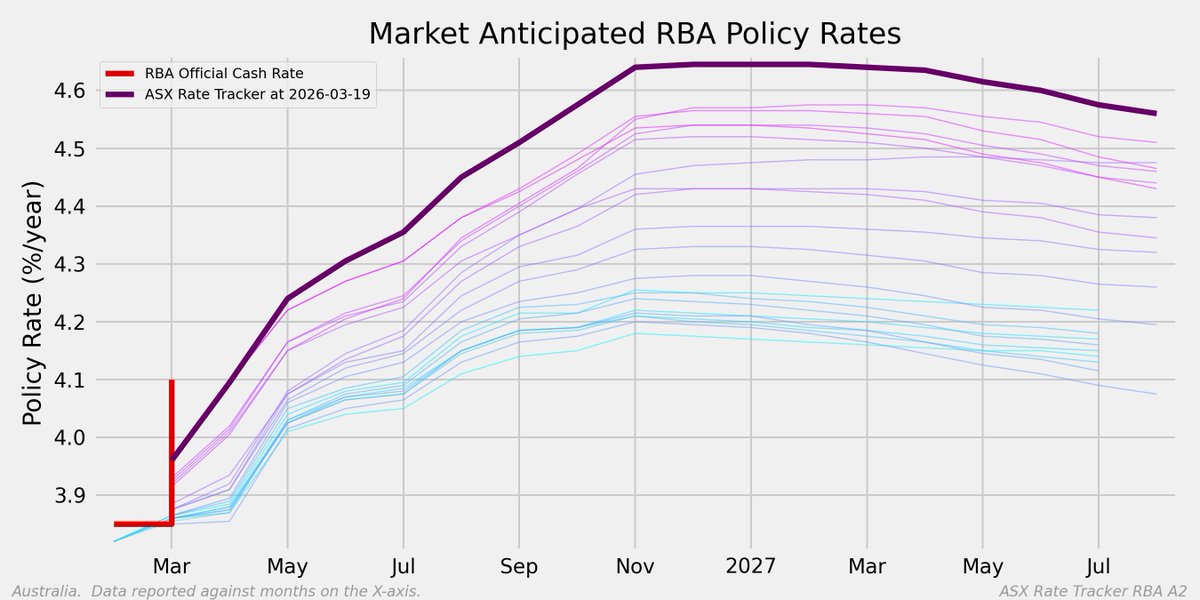
@Mark_Graph I believe it's in the same spreadsheet for memory.
English
Australia is in deep deep trouble with its fuel supplies.
Not that low stock levels is anything new.

English
Its a matter of perspective.
Its fair in that represents the actual stock of finished product in Australia over time.
Its less fair in the sense that previously we had refineries producing up to 78% of our required fuels during the era covered by this chart.
And naturally the oil held for that fuel to be produced doesn't count.
English