Mark 🇦🇺

8.2K posts

Mark 🇦🇺 banner
Mark 🇦🇺

Mark 🇦🇺

@Mark_Graph

Interests: Data. Python. Economics. Social Policy. Politics. Australia. Caveats: Not financial advice. Opinions my own. Likes ≠ endorsement.


Australia Katılım Mart 2012
2.6K Takip Edilen5.3K Takipçiler
Mark 🇦🇺
Mark 🇦🇺@Mark_Graph·
@BenPhillips_ANU Family/household size got smaller on average - many more single person households - fewer big families. Birth control. Changing attitudes to divorce/separation. Living longer. etc.
English
1
0
6
501
Mark 🇦🇺
Mark 🇦🇺@Mark_Graph·
CPI cannot - was not designed to - measure asset inflation - not a flaw - a design decision. Doesn't mean asset inflation or M3 inflation is not an issue. Just means CPI is not the right tool to measure it. Attacking CPI for not measuring asset prices is like attacking a screwdriver for not being a hammer. Find the right tool for the job.
English
0
0
0
34
Blake Warren
Blake Warren@BlakeWarrenAU·
Forecasts are made up because the index is. M3 is up 57% over six years. CPI says 26%. Most of the gap sits in housing and assets the basket doesn’t include. Wages, pensions, and rate decisions all reference the smaller number. The real number would mean the whole framework admitting CPI was never built to measure what people think it measures. That’s why the small number is the one that gets used.
English
1
0
0
36
Mark 🇦🇺
Mark 🇦🇺@Mark_Graph·
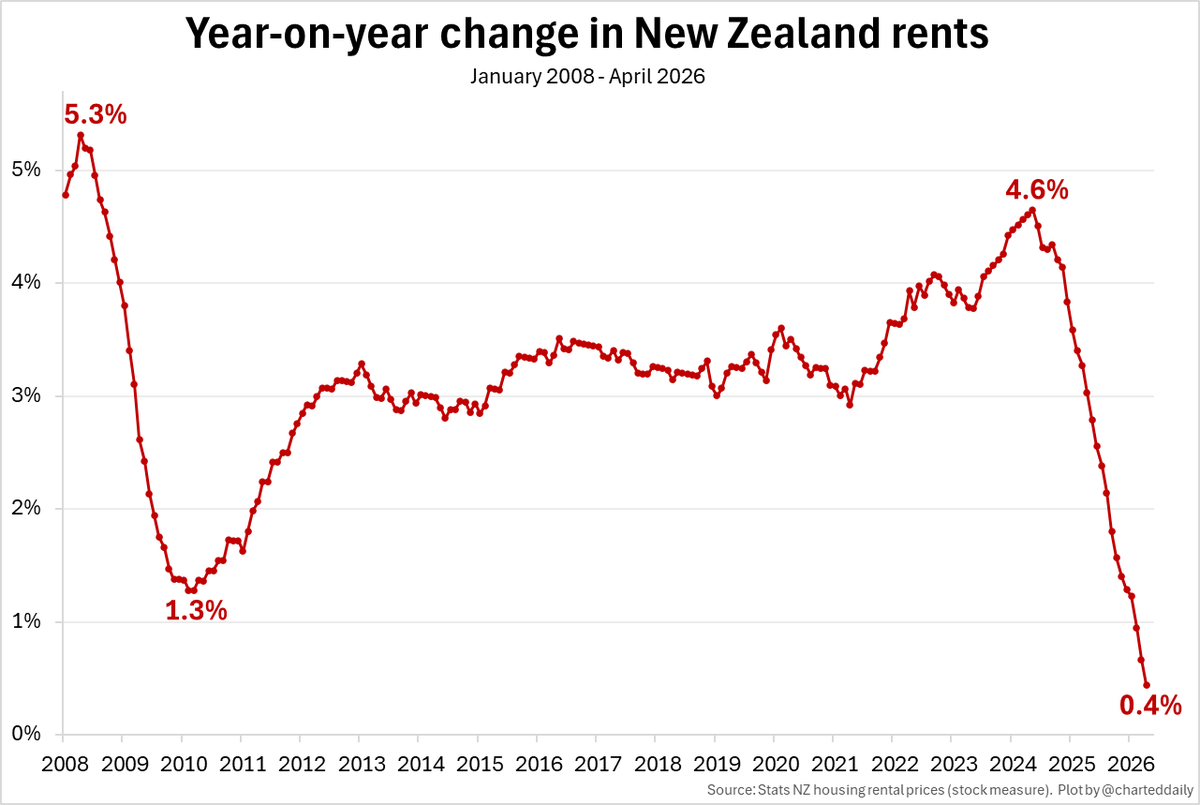
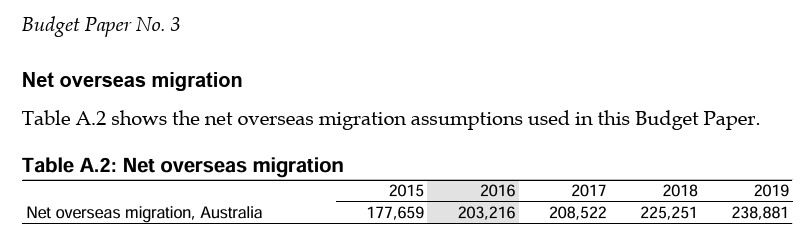
I have found my favourite two forward estimates in the Budget papers: GDP and CPI - they are mutually contradictory. We have GDP leaping above the speed limit of the economy. Meanwhile inflation in June 2026 will peak at 5% before returning to 2.5% in June 2027 and faithfully staying there. These numbers are made up. #auspol #ausbiz #ausecon
Mark 🇦🇺 tweet mediaMark 🇦🇺 tweet media
English
9
17
83
11.1K
Mark 🇦🇺 retweetledi
Wonder of Science
Wonder of Science@wonderofscience·
A flying bicycle designed by student inventor Fusha Sakai achieving pedal-powered flight.
English
450
1.1K
12.9K
2.7M
Mark 🇦🇺 retweetledi
Peter Tulip
Peter Tulip@peter_tulip·
The Greens, @TheAusInstitute, @AlanKohler, @SaulEslake and many others have argued that tax concessions have had large effects on housing prices. They should now be forecasting large reductions in house prices. This is a test of their credibility. 1/2
Peter Tulip tweet media
English
28
16
105
9.5K
Mark 🇦🇺 retweetledi
Financial Review
Financial Review@FinancialReview·
When it comes to fighting inflation, this nation’s governments are still more a part of the problem than they are a part of the solution, writes economist Chris Richardson. ebx.sh/NBY78T
English
14
27
115
4.6K
Mark 🇦🇺
Mark 🇦🇺@Mark_Graph·
Labor's negative gearing reform was sold as intergenerational fairness. In practice: The first-time investor loses the tax deduction from salary income on their losses. The investor with an existing portfolio absorbs the loss into their other rent and keeps the deduction. The aspirational pay. The already-wealthy don't.
English
10
3
35
1.5K
Mark 🇦🇺
Mark 🇦🇺@Mark_Graph·
@jason_king72 @Chip_Prospect I think the 30% is a blunt tool to avoid people selling in a low income year and getting an income advantage (eg. retire then sell)
English
2
0
1
36
Mark 🇦🇺 retweetledi
Michael Reddell
Michael Reddell@MHReddell·
They aren’t. Freeing up land use rules is what would make a real difference not playing around at the margins with tax rules.
Michael Reddell tweet media
English
8
4
47
1.5K
Mark 🇦🇺
Mark 🇦🇺@Mark_Graph·
@GrantCobleNeal Good question - i am not confident that its going down. But it is possible. Also possible that is is just stabilising and this is just noise.
English
0
0
1
15
Mark 🇦🇺
Mark 🇦🇺@Mark_Graph·
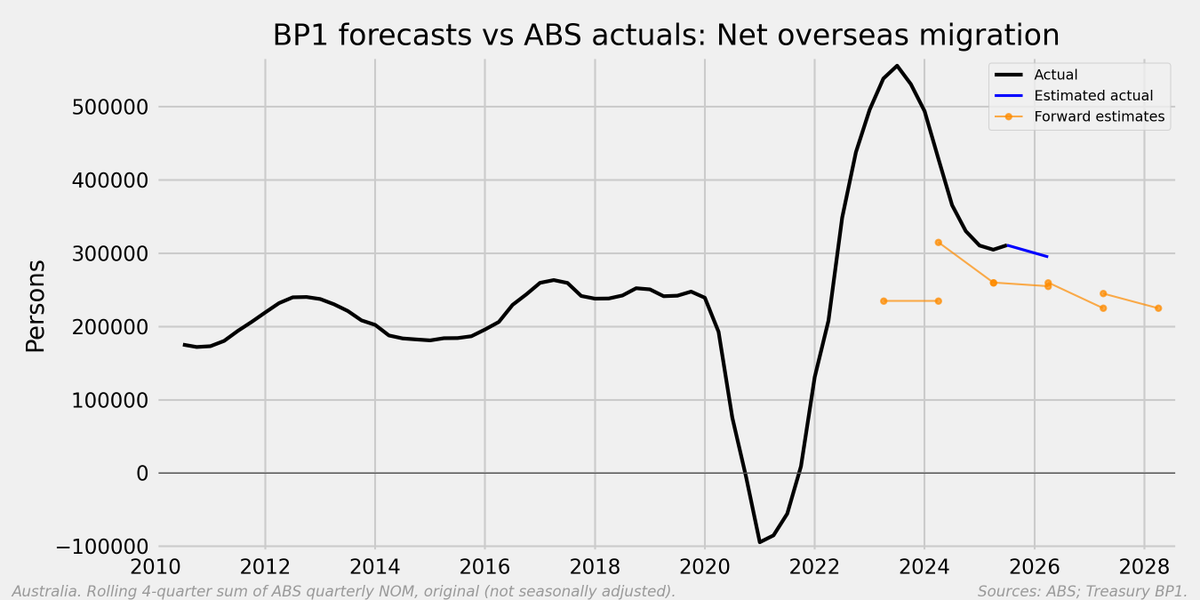
It's possible that official population estimates for Q1-2026 (when published in about 4 months) will show net overseas migration (NOM) is declining.
Mark 🇦🇺 tweet mediaMark 🇦🇺 tweet mediaMark 🇦🇺 tweet media
English
2
1
7
892
Grant Coble-Neal
Grant Coble-Neal@GrantCobleNeal·
@Mark_Graph Thanks for the comprehensive analysis. This really is excellent. One suggestion is to put your blog on Substack.
English
1
0
1
39
Mark 🇦🇺
Mark 🇦🇺@Mark_Graph·
My take on the Budget: A budget about today, dressed in the language of tomorrow markthegraph.blogspot.com/2026/05/a-budg… The 2026 budget is reformist in symbolism and conservative in substance. The one place it does attempt structural reform is housing, where the instinct is right but the implementation protects existing wealth and shifts costs onto new entrants. Everywhere else, the structural problems that determine the country's future are largely untouched. The productivity slump that determines living standards. The fiscal drift that erodes crisis capacity. The narrowing tax base that funds spending growth silently through bracket creep. None of these is addressed seriously.
English
2
1
11
626
Mark 🇦🇺
Mark 🇦🇺@Mark_Graph·
The projection assumes a steady state (something like 2.5% real growth, 1.7% productivity, 4.25% unemployment) the economy hasn't delivered for 15 years. The cost is lost optionality when the next shock hits, and the burden falls on bracket creep in the meantime. Maybe, just not a problem yet.
English
2
0
6
244
Mark 🇦🇺
Mark 🇦🇺@Mark_Graph·
@Chip_Prospect Also, Singapore and Dubai don't have to pay for government services that voters in Australia demand.
English
1
0
0
17
Adam
Adam@Chip_Prospect·
@Mark_Graph How is the previous arrangement too generous when other countries (New Zealand, Singapore, Dubai) rates are zero. There is now a massive incentive not to invest in Australia and if you have a high growth business- move overseas. It was happening already under 22.5%.
English
2
0
2
56
Mark 🇦🇺
Mark 🇦🇺@Mark_Graph·
The comparison is misleading. NZ has no broad CGT but also no negative gearing the way Australia does, AND it taxes individuals up to 39% from the first dollar with no tax-free threshold. Singapore and Dubai have radically different tax systems overall. Cherry-picking one rate without the rest is meaningless. The reform replaces the 50% discount with indexation plus a 30% minimum on real gains. That's not "doubling" because indexation strips out inflation, which is the bulk of long-held gains. The original CGT (1985-1999) was indexation-based; this restores the original design. "Massive incentive not to invest in Australia" overstates it. Capital allocation responds to risk-adjusted after-tax returns across many factors, not just headline CGT rates. High-growth businesses fleeing: the budget actually expanded venture capital incentives and R&D, and the new arrangements only apply to gains accrued after July 2027.
English
2
0
0
65
Mark 🇦🇺
Mark 🇦🇺@Mark_Graph·
@AndrewM4000 My reading is that they operate at the property portfolio level - not the individual property level
English
0
0
1
103
Andrew M
Andrew M@AndrewM4000·
@Mark_Graph What! Surely you would quarantine the losses to the individual property. This is a big fail.
English
2
0
1
129
Mark 🇦🇺
Mark 🇦🇺@Mark_Graph·
@Chip_Prospect To be honest - I am less troubled by CGT changes - the previous arrangement was too generous
English
3
0
3
121
Adam
Adam@Chip_Prospect·
@Mark_Graph Don’t forget the doubling of capital gains taxes for all Australians.
English
1
0
2
144
Mark 🇦🇺
Mark 🇦🇺@Mark_Graph·
@TheKouk His board is unlikely to support cuts in the current climate - even if he favours them
English
0
0
0
259
Stephen Koukoulas
Stephen Koukoulas@TheKouk·
US inflation is skyrocketing further from the Fed's target. If the new Fed chair is able to engineer interest rate cuts, as Trump wants, the fall out will be extreme and not in a good way
English
16
10
81
5.4K
Mark 🇦🇺
Mark 🇦🇺@Mark_Graph·
@negativevortex_ Yes the disinflation is more hoped for than modelled. A fiction. Through the year to the June Q means the growth from the June Q in one year to the June Q in the next.
English
0
0
1
27
The Policy Guy
The Policy Guy@negativevortex_·
Thanks Mark. Yes, that's the one. So for everyone's benefit, and please do correct me if I'm wrong, but 'through the year' essentially works as per this scenario: Assume base price 100.0 as at July 1, 2026 1. Sep quarter 0.7% 2. Dec quarter 0.7% 3. Mar quarter 0.5% 4. Jun quarter 0.58% Annualised, these would be reported each quarter as 2.8%, 2.8%, 2% and 2.3%. An incidental point here being.... they're not saying inflation will be 2.5% as at June 30, it might be higher, lower or thereabouts. My main point being, for some reason Treasury are seeing massive disinflation sweeping through, given last quarter was 1.4%. Given that fertiliser prices and shortages haven't started to play out in terms of either pure xost inflation or lower crop yield, i see ***zero chance*** that the magical disinflation Treasury is expecting can materialise. TLDR. Treasury is simply lying. Cooking the books. At the behest of their public service masters.
English
1
0
4
70