

Sam Azar
3K posts
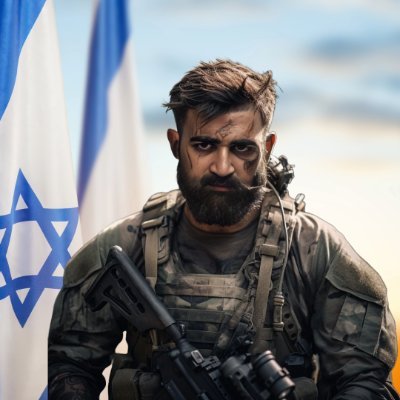
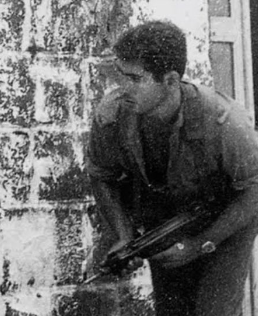

BREAKING : After elimination of Ali Larijani and attack on the largest natural gas field in South Pars, State Media of Iran is claiming that Iran is going to fire large numbers of hypersonic missiles towards Israel, U.S. & its allies in Middle East, Calling it Punishment of Allah
English

🚨 BREAKING: Bayern Munich, Juventus, and Atlético Madrid have reportedly formed an alliance and submitted a joint petition to UEFA over controversial decisions in their UCL clashes vs Real Madrid.
If the appeal is upheld, Madrid could be stripped of three Champions League titles. More updates to follow… 👀🔥

English
@_Shege001 @Bayern_PR @FCBayernEN No chance. Whats his completion rate? I bet you Pavlovic is better …
English

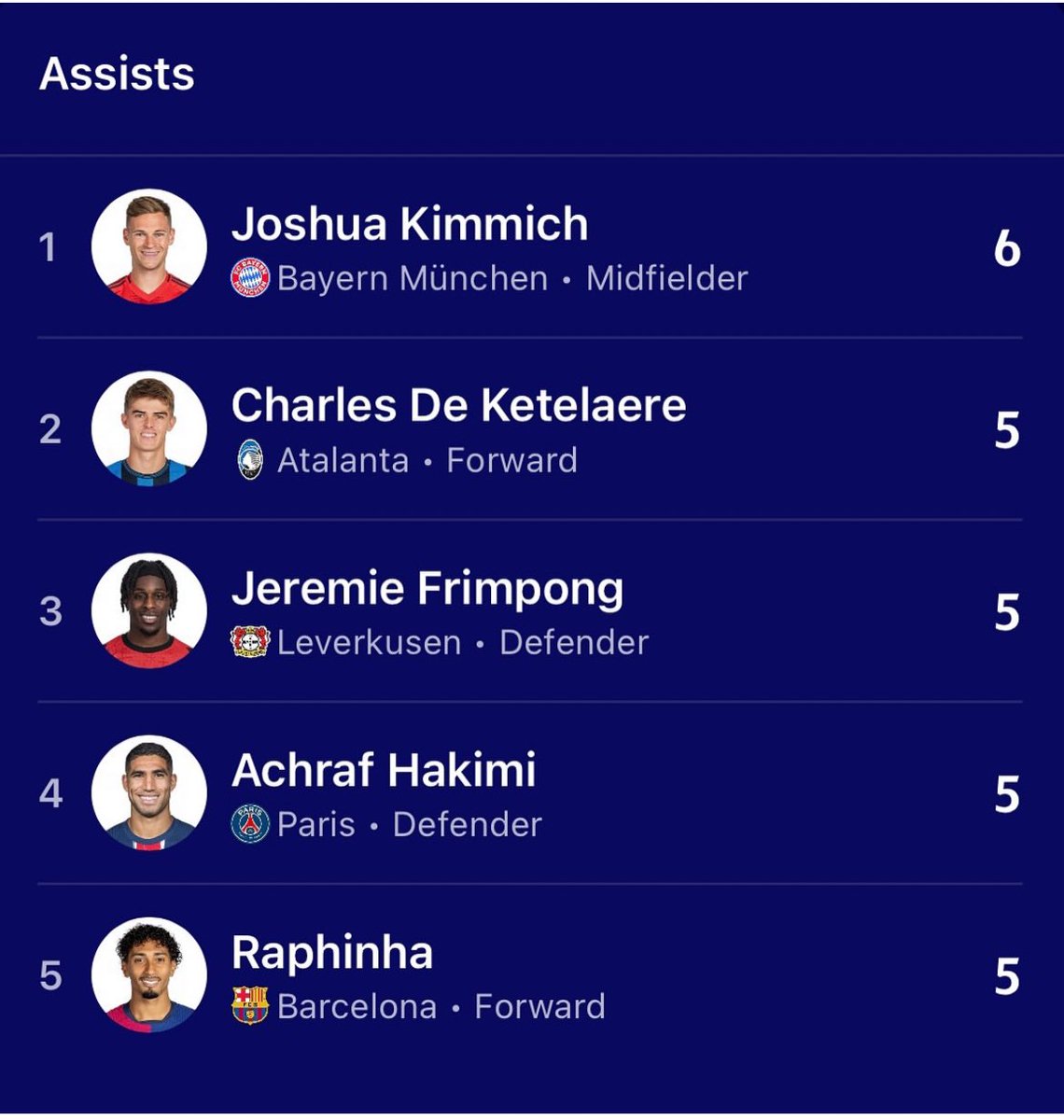
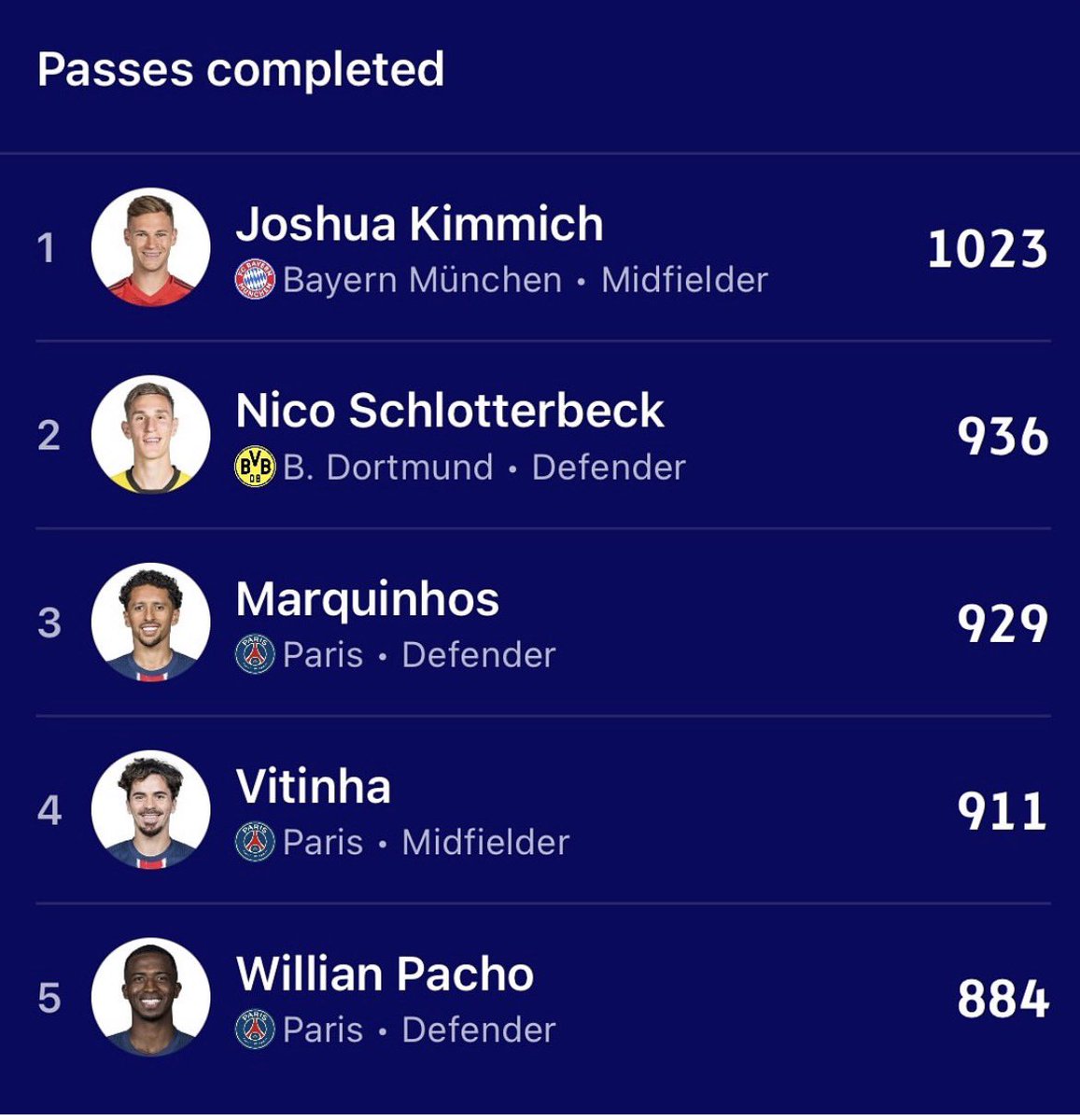
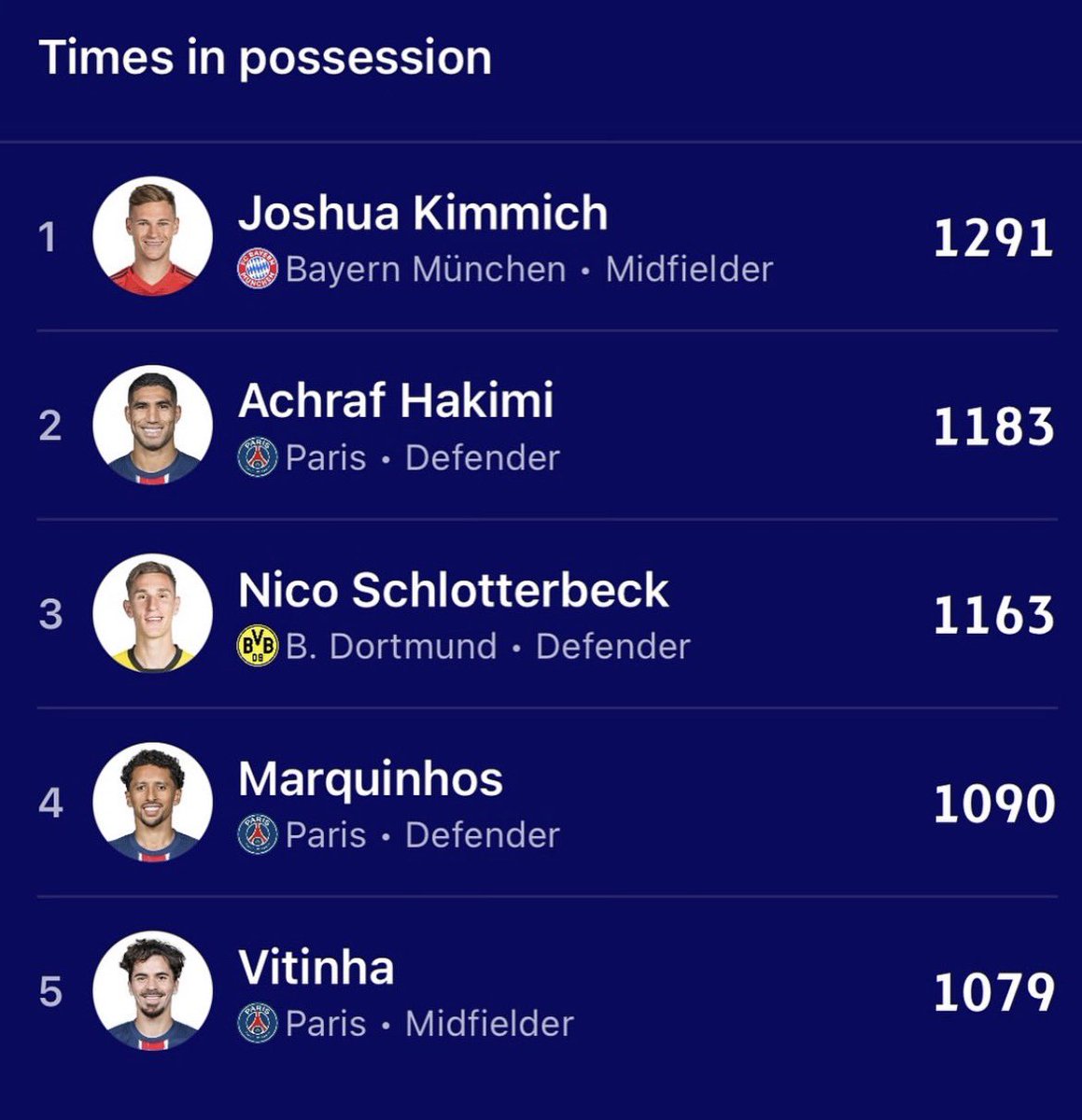
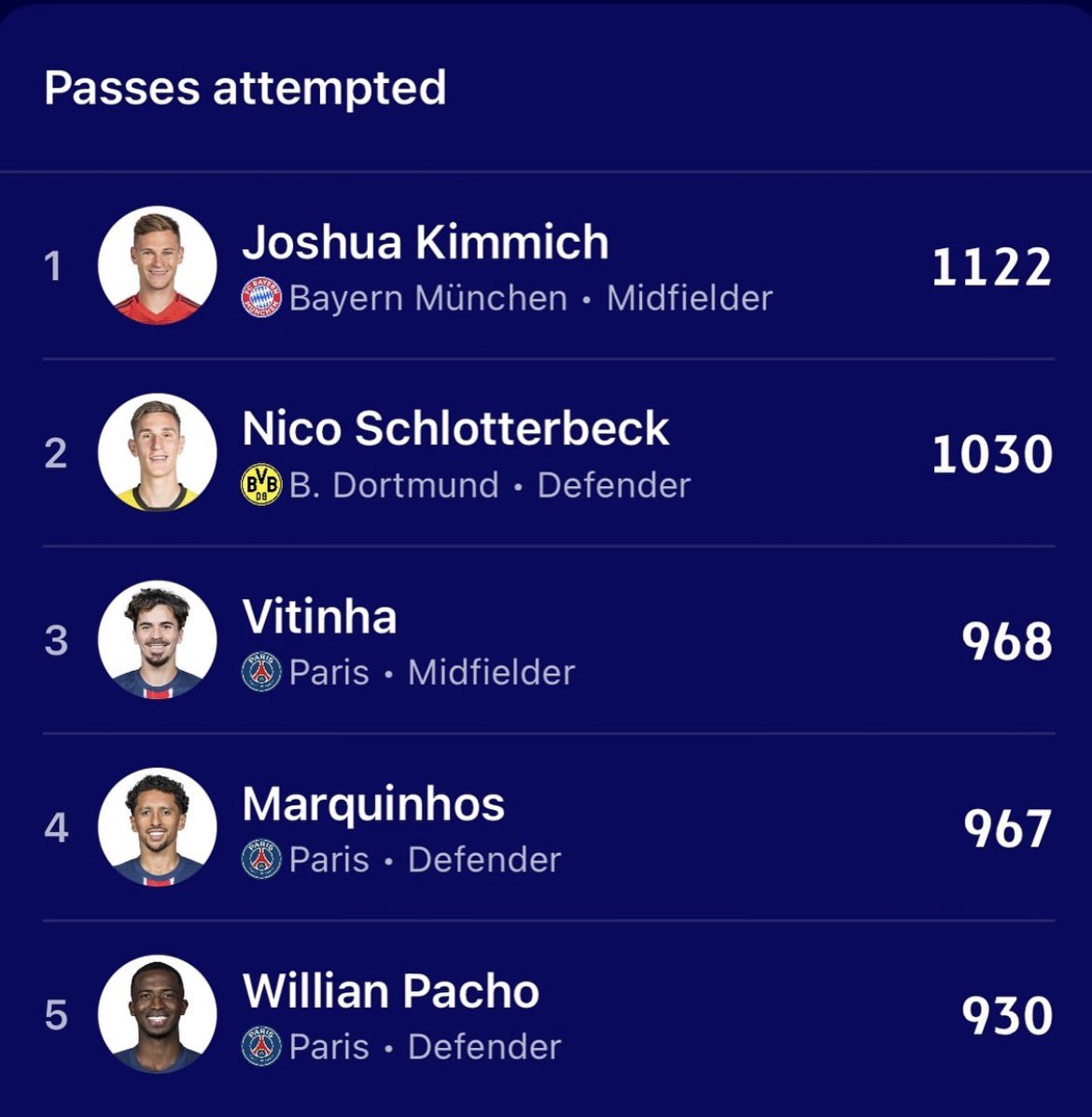
😳😳😳Joshua Kimmich is currently the best central midfielder in the world.
Take a look at his champions league stats
English

عاجل
لقاء خاص مع الامين العام لـ #حزب_الله
الشيخ #نعيم_قاسم على قناة #المنار
يعلن فيه لو كان يعلم انه في احتمال، ولا واحد بالمئة
إنه عملية اطلاق ست صواريخ على #اسرائيل
بتوصّل لحرب كـالتي حصلت، قطعًا ما كان اطلق الصواريخ
#الضاحية
#جنوب_لبنان
#لبنان_تحت_القصف
العربية

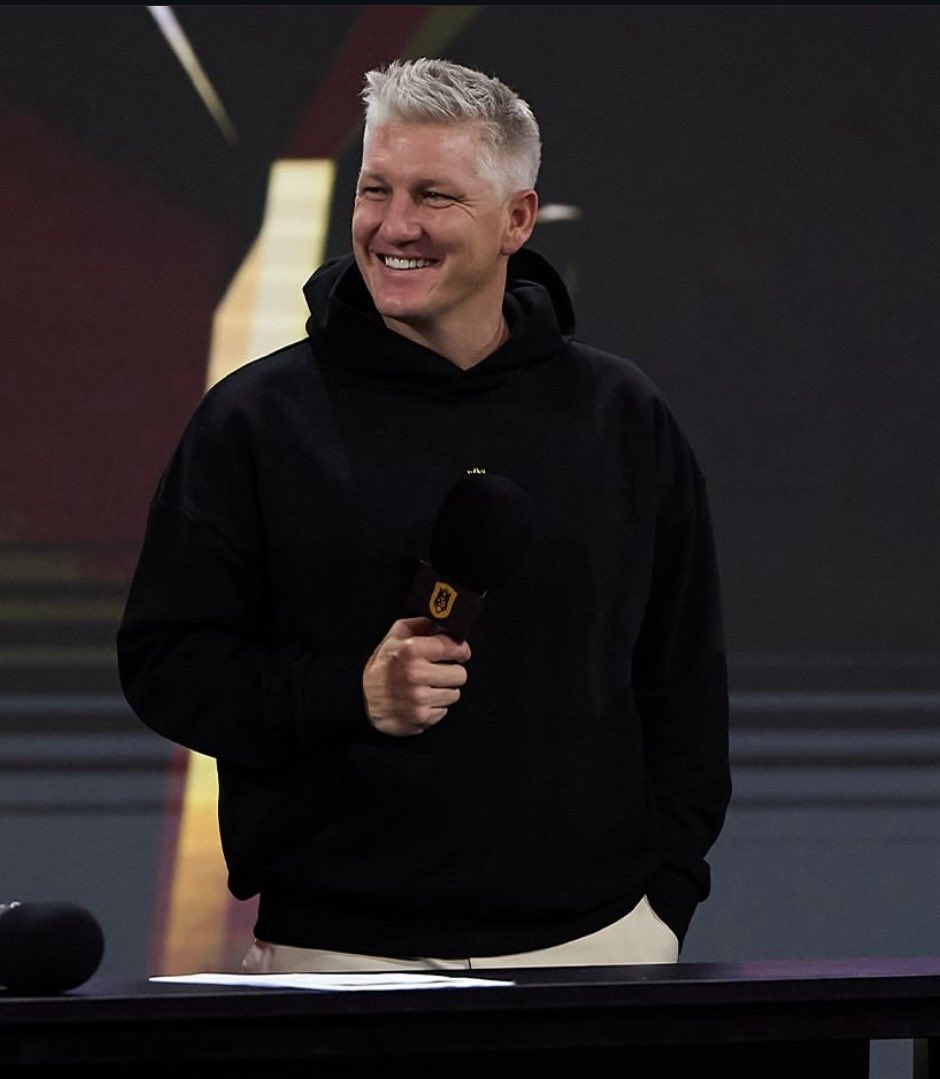
🚨🗣️Bastian Schweinsteiger on if Manchester United played in La Liga and Bundesliga;
“Let’s be honest, if Manchester United played in the Bundesliga or La Liga, they’d farm titles every single season.
I’ve played in the Bundesliga and followed La Liga closely and I’m telling you, United’s mentality is different. That club is designed to handle pressure those leagues can’t replicate.”
English
Sam Azar retuiteado


🚨 JUST IN: Israeli PM Benjamin Netanyahu posts humorous PROOF OF LIFE video after people theorized — with zero evidence — he was dead
"They say I'm what?!" 😭
Your turn, Iran.
Produce proof of life of "Supreme Leader" Mojtaba Khamenei!
English
وقاحة بلا حدود!
#نعيم_قاسم يؤكد استمرار ولاءه للنظام الايراني
نعيم قاسم:
انا رح اقول لكم ايها من الاخر وعلى راس السطح
نحنا تحت امر #الحرس_الثوري_الايراني
و #حزب_الله تعهد بمواجهة #إسرائيل
دفاعا عن #ايران مهما كانت الكلفة
والله لو منموت كلنا وما بيقبى ولا واحد منا
لو بينفنا #لبنان وبمن فيه
كلنا فدا #الولي_الفقيه!
#حزب_الله_ايراني
العربية
@MusialaEra I said it then, and I’ll say it now, trust the board and enjoy being a fan! We don’t have the knowledge or capacity to judge their thought process or decision making beforehand. Once players get on the field and play, then we can give a perspective!
English

Both Bayern and Barca board were obsessed with Luis Diaz. I questioned the transfer because he was 28 but in hindsight… Ribery and Robben only won the CL with Bayern in their 30s. Lucho has changed our lives and I wouldn‘t want anyone else in his place.
BarçaTimes@BarcaTimes
🚨🎖️| Deco is crazy about Luis Diaz. [@FabrizioRomano] #fcblive
English

#إيران #طهران
▪︎ استهداف مُنظّم لمراكز الحرس الثوري ومؤسساته الأمنيّة في طهران
▪︎ انفلات الوضع بالكامل داخل طهران
▪︎ سيارات الشرطة تسير وحدها في الشوارع وهي تحترق بمن فيها
▪︎ هي نفس النار التي حرقت عواصمنا
تحرقهم الأن
العربية

@Mrhuss_abd @Leb1Maria مبلا الخبر صح و من يومين تم توقيف امراة في داخل سيارة و يوجد في الصندوق صور خامنءي ، بعدين لبحط اسلحة بجامعة مارح يحط ب عين الرمانة؟ يا ارهابيين؟ يلا برات البروفايل عندي
العربية
تم القاء القبض ع عناصر حزب الله داخل شقق مسلحة و اجهزة بيجر
المكان؛ عين الرمانة
العربية
@NewSamawal Thank you for coming to the light. However, it’s a shame it took you and others in Lebanon for this long to recognize that Hezbollah never had and never will have Lebanon’s best interest in mind. They are the opposite of that Lebanon is about! Shame!!!
English

Remarkable speech by a Lebanese Shia at the security council today. Thane a listen.
English


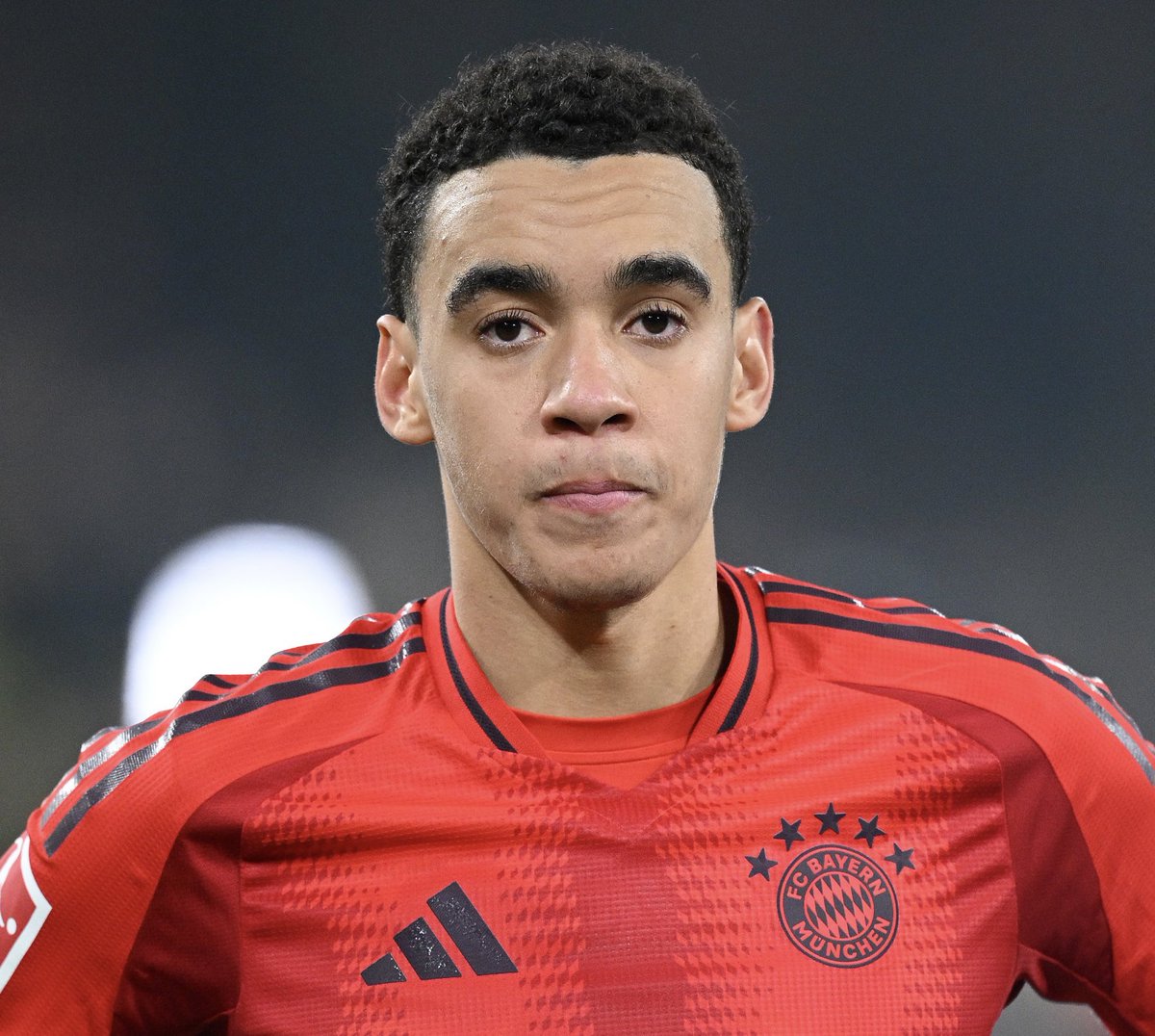
🚨⚠️ Jamal Musiala is struggling with a pain reaction in his left ankle, Bayern confirm.
It’s the same ankle that was injured in the summer.
English
Sam Azar retuiteado
🚨 JUST IN — PRESIDENT TRUMP: "We love Lebanon! We love the people of Lebanon. We've gotta get rid of HEZBOLLAH, it's been a disaster for many years!"
Hezbollah must be destroyed!
English
Sam Azar retuiteado
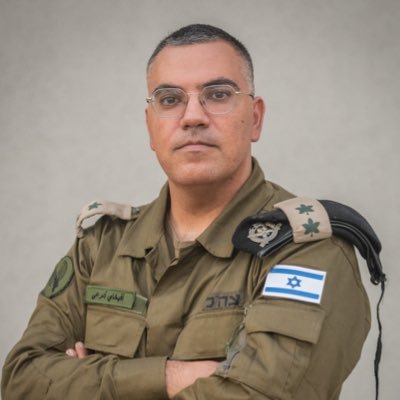
#خاص يا شعب لبنان الأصيل، يا ورثة قدموس الذي علّم العالم الأبجدية، ويا أحفاد جبران خليل جبران الذي غنّى للحب والحرية، ويا من رددتم مع سفيرة النجوم فيروز ترانيم العز والكرامة.. أتوجه إليكم اليوم بقلب يدرك قيمة حضارتكم التي لا تموت
إن حربنا اليوم ليست ضدكم، ولا ضد لبنان الأرز الذي نحترم. معركتنا هي ضد جحافل الحرس الثوري الإيراني ومرتزقته في حزب الله، الذين استباحوا سيادتكم، وحولوا أرضكم الخضراء إلى منصات صواريخ ومخازن للموت خدمة لنظام الملالي.
وكما غنت فيروز: يا حرية يا زهرة نارية، فإن فجر الحرية الحقيقية يبدأ بتطهير أرضكم من التبعية والظلام.
جيش الدفاع يضرب بيد من حديد كل من يهدد أمننا، لكنه يمد يد العقل لكل لبناني يرفض أن يكون وقودًا لنار الملالي. آن الأوان ليعود لبنان لأهله، حرًا، سيدًا، مستقلًا ومنارةً للحضارة كما كان دائمًا.
العربية
@realDonaldTrump @VP @SecRubio
As a Lebanese American, I urge you to help free this beautiful country from the suffering caused by Iran and its affiliates, who have taken control of a land celebrated for its diversity, beauty, and democratic ideals. Lebanon once earned the title of the "Switzerland of the East." Imagine if we could restore its former glory, allowing it to represent a model for other nations to aspire to.
Additionally, Lebanon is mentioned 75 times in the Bible, highlighting its historical and cultural significance in biblical narratives. After all Mr. President, didn’t we make a promise to keep Christian’s safe? 🙏❤️✝️🇺🇸🇱🇧🇮🇱
Peter Germanos 𐤐𐤕𐤓𐤗@GermanosPeter
Mr. President Donald J. Trump, @realDonaldTrump @potus @SecRubio @SecWar @LindseyGrahamSC @usembassybeirut @StateDept_NEA @USTreasury Today, the Lebanese Parliament has once again extended its own mandate for two additional years. This is the same parliament that has repeatedly ignored the Lebanese Constitution and treated the state as a personal instrument. Its Speaker openly delayed presidential elections for years, making it clear in practice that Lebanon would either elect a president of his choosing or have no president at all. For decades, the Speaker of Parliament mr Nabih Berri has also served as a central political broker for Syrian and later Iranian influence inside Lebanon. Since the Iranian Revolution of 1979, Tehran has intervened directly and continuously in Lebanese affairs, gradually building a political, military, and financial architecture that penetrated the Lebanese state. The current executive authority in Lebanon is not the result of a genuine national democratic process. It is largely the product of external engineering. The so-called Quintet intervened directly in shaping the political outcome, and European diplomacy, particularly through Jean-Yves Le Drian played a decisive role in orchestrating the formation of the current power structure. Europe’s policy toward Lebanon has long been driven by naïve assumptions and short-term thinking. In the name of stability and empty democratic slogans, European actors helped weaken the sovereign and reform-oriented political forces in the country. Many of these voices emigrated or were marginalized, leaving the political landscape increasingly dominated by a dysfunctional coalition of outdated leftist currents and Khomeinist political Islam. These forces inherited ideological structures once associated with movements influenced by Gamal Abdel Nasser, Yasser Arafat, and Hafez al-Assad. It is important to state a central truth: Hezbollah could never have consolidated control over Lebanon without the active complicity of the ruling political class. Over the years, many politicians, financiers, and economic actors benefited from a system of protection, patronage, and illicit enrichment that grew under Hezbollah’s political and security umbrella. This alliance between an armed ideological organization and a corrupt political establishment created a parallel system of power inside Lebanon. In this system, Hezbollah provided the strategic shield while segments of the political class enjoyed unprecedented financial enrichment and political protection. Together, they hollowed out state institutions, undermined sovereignty, and transformed Lebanon into a platform for regional power projection. As a result, Lebanon has gradually evolved into something far more dangerous than a failed state. It has become a narco-state on the Mediterranean, a hub for illicit financial flows, smuggling networks, and large-scale drug trafficking that extends far beyond the region. The same political and security networks that protect armed militias also enable criminal economies that threaten regional stability and international security. For more than fifty years, the same political class and the same system of power have dominated Lebanon. Expecting the country to reboot while these actors remain in command is an illusion. Systems that have produced collapse for half a century cannot suddenly produce reform. Mr. President, The Lebanese crisis is not as complicated as many claim. The core problem is structural. Lebanon has become a republic that systematically consumes its own people and increasingly threatens the stability of its neighbors. The current system no longer produces a functioning state; it produces paralysis, corruption, criminal economies, and geopolitical capture.
English

الرئيس البناني جوزيف عون
يستبدل لباسه المدني بالعسكري ويعلن حزب الله خارج على القانون ويعلن المواجهة العسكرية ضده بشكل واضح وصريح
العربية