
Most geopolitical risk doesn’t begin with missiles.
It begins with miscalculation.
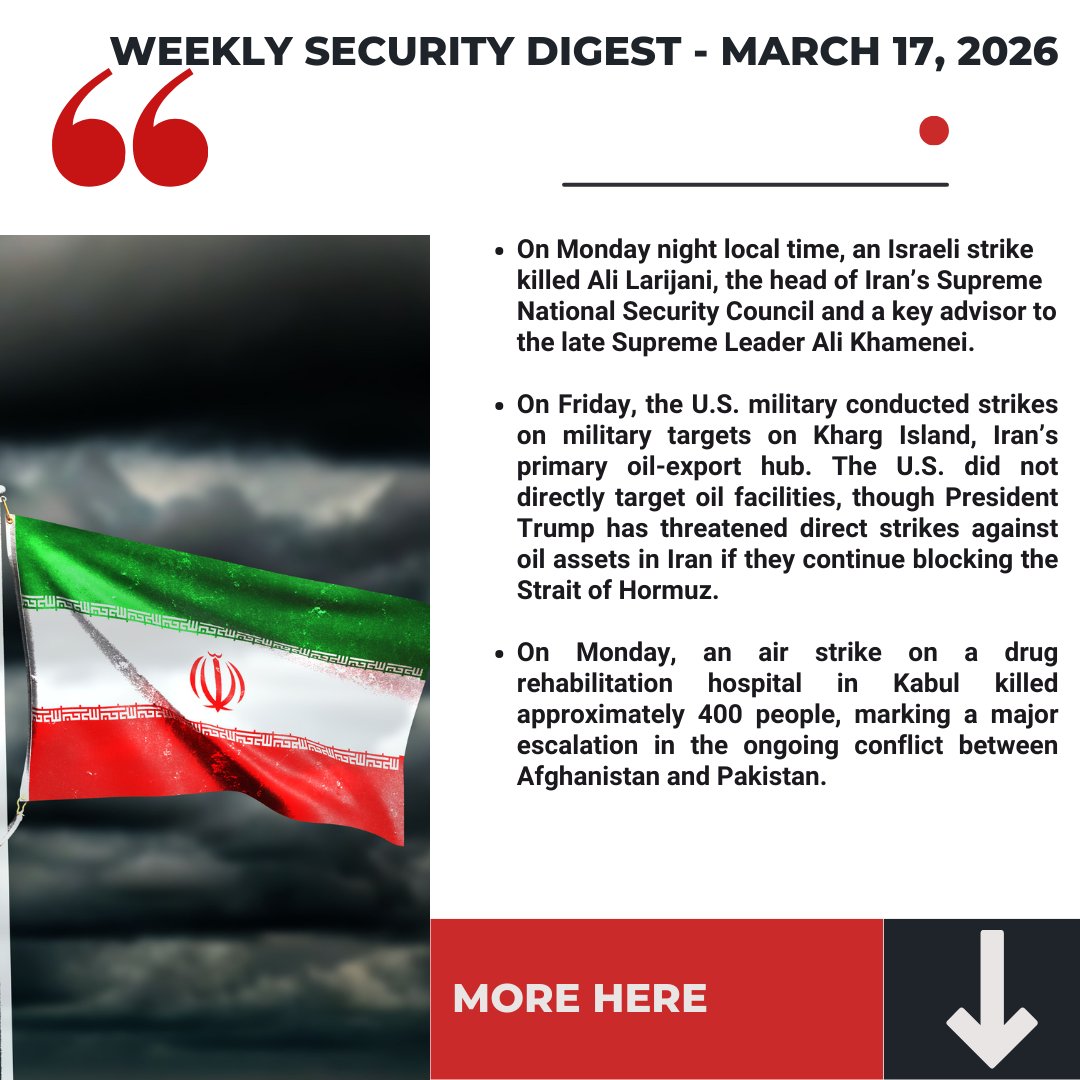
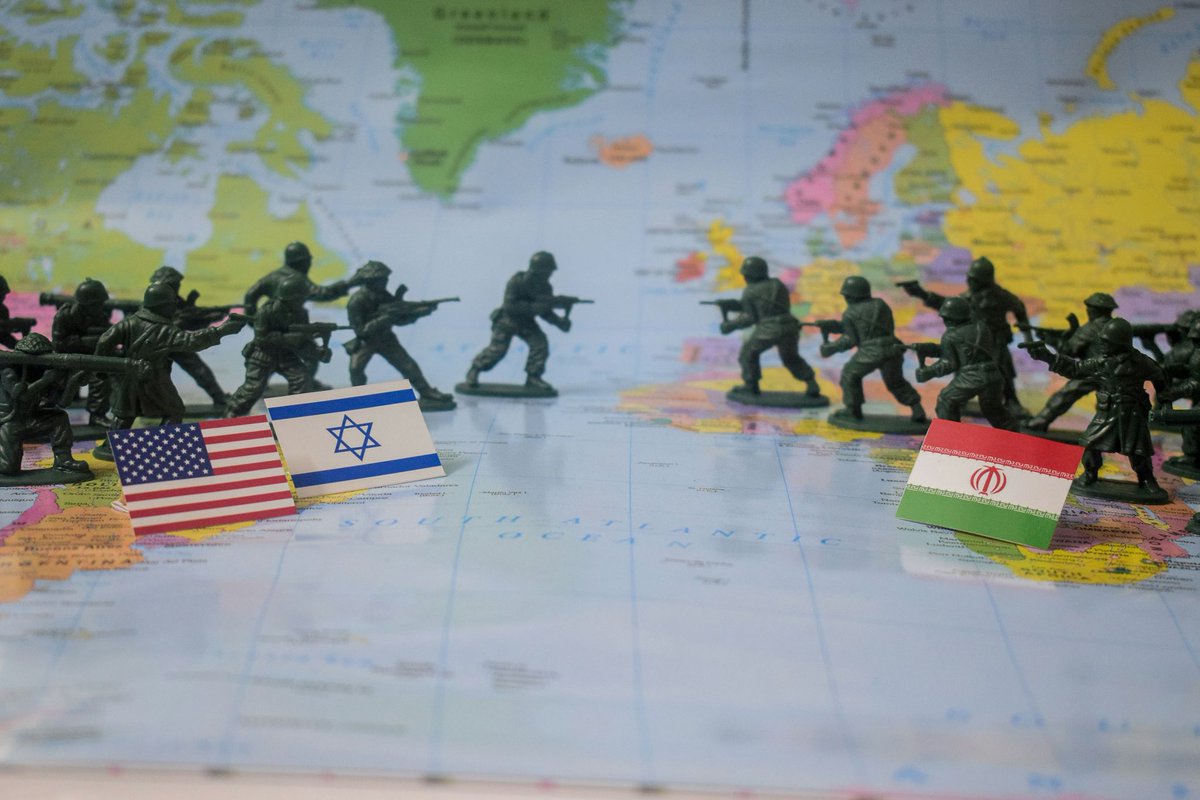
This week’s analysis, led by me and senior adviser Sam Worby, focuses on a rapidly evolving situation in the #Middle_East and what it signals for businesses operating globally.
Key developments:
→ Strait of #Hormuz pressure is shifting leverage
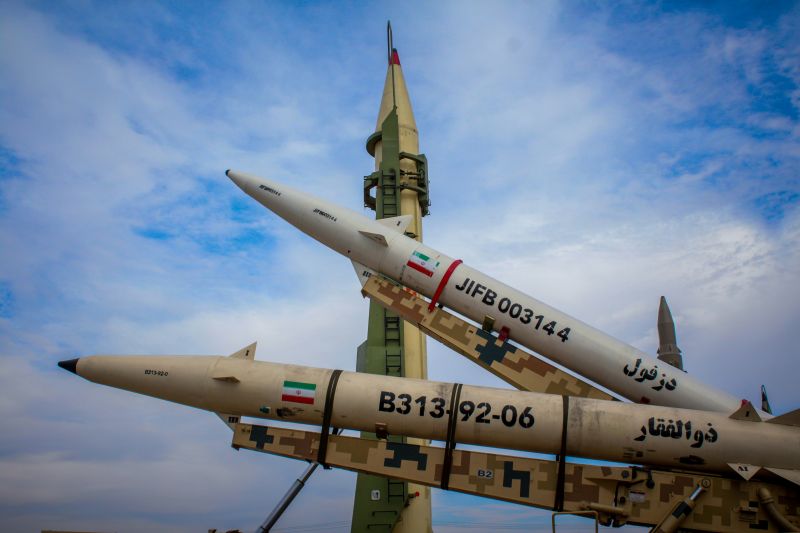
Iran’s restriction of trade through the Strait continues to serve as a strategic advantage, impacting global energy flows and testing U.S. and allied response capabilities.
→ #Diplomacy vs. #delay tactics
Conflicting signals between the U.S. and Iran raise a critical question: is diplomacy real, or a mechanism to buy time for military positioning and market stabilization?
→ Internal Iranian dynamics matter
Figures like Mohammad Bagher Qalibaf are emerging as potential power centers, blending military, political, and economic influence inside the regime.
→ Regional posture is hardening
Israel’s continued military positioning in Lebanon, alongside Lebanon’s political distancing from Iran, reflects an increasingly fragmented and volatile regional landscape.
Beyond the Middle East:
→ Political pressure is mounting in Europe, with judicial reform setbacks in Italy
→ Governments are responding to global instability through energy releases and policy shifts (Japan)
→ Recruitment into foreign conflicts and exploitation risks remain a growing concern (Kenya/Russia)
→ Expanding national security laws continue to raise questions around privacy and civil liberties (Hong Kong)
Small #disruptions are no longer staying small.
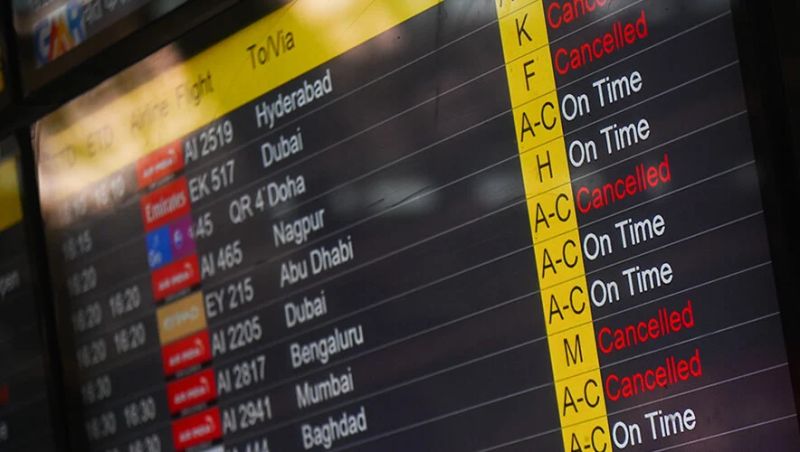
They are compounding, across supply chains, energy markets, regulatory environments, and physical #security risks.
At @InterforInt International LLC, we work with clients to interpret these signals early, and translate them into actionable #risk management strategies.
English