Ex-microbiologist

190 posts

Ex-microbiologist banner
Ex-microbiologist

Ex-microbiologist

@microbiol_sci

Inscrit le Mart 2020
138 Abonnements25 Abonnés
Genomics Cow
Genomics Cow@GenomicsCow·
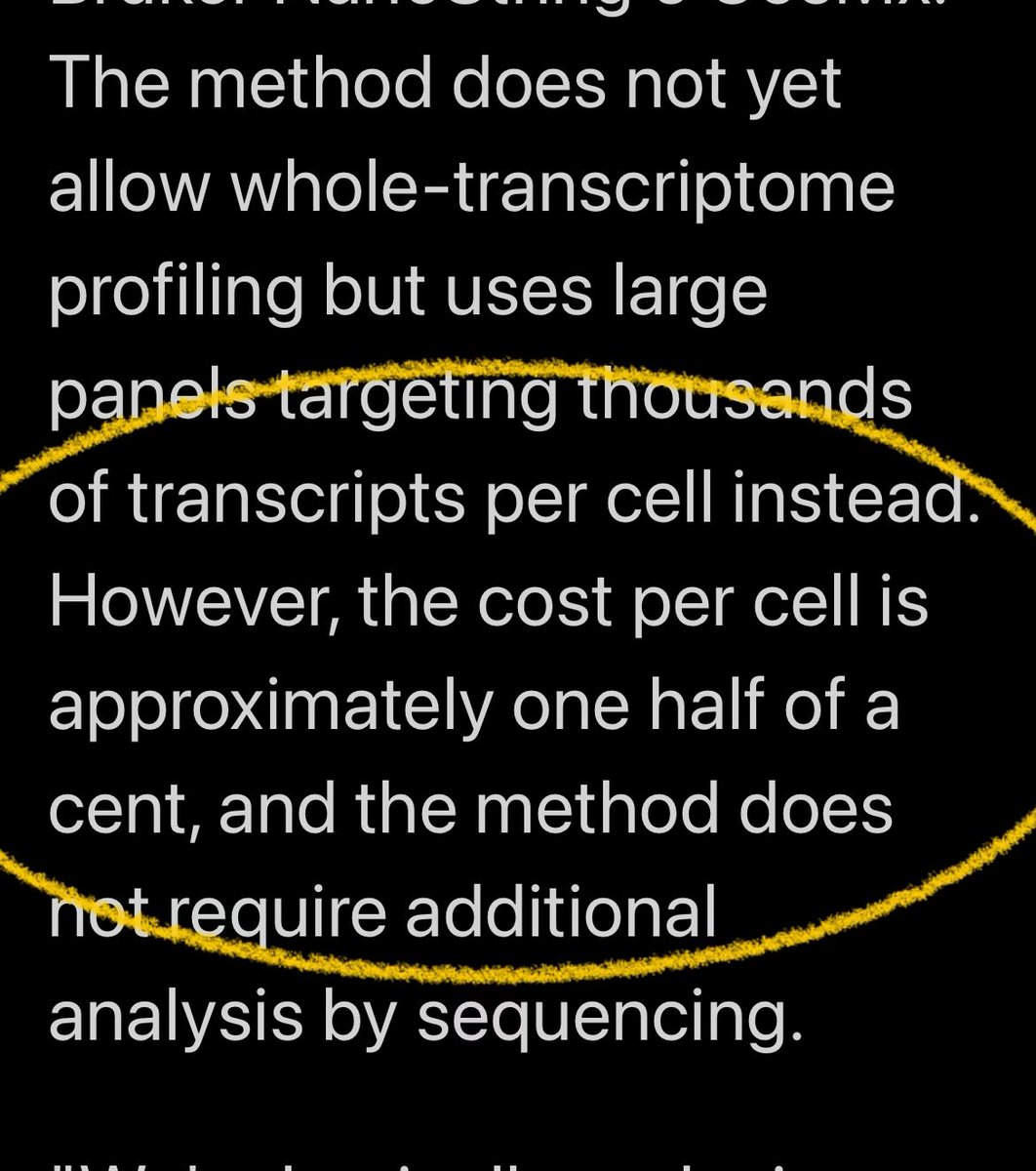
Illumina plans to create an ecosystem that is interconnected from library prep through to analysis. This is great in a diagnostics setting but I have doubts for a research setting
English
5
0
12
1.7K
Ex-microbiologist
Ex-microbiologist@microbiol_sci·
@kenbwork What makes you think folks have not done this? “If you were to build a company just to commercialize vanilla single cell at scale…what would tissue dissociation, viability staining, purification, library prep, analysis, etc. actually look like? ”
English
0
0
0
20
Ex-microbiologist
Ex-microbiologist@microbiol_sci·
@kenbwork It is likely worth spending timing talking to CROs about their challenges and cost structure. Growing a physical lab to address a rapidly changing market using many assays is a difficult task. It may waste money to “over” optimize when things change quickly.
English
1
0
0
35
Kenny Workman
Kenny Workman@kenbwork·
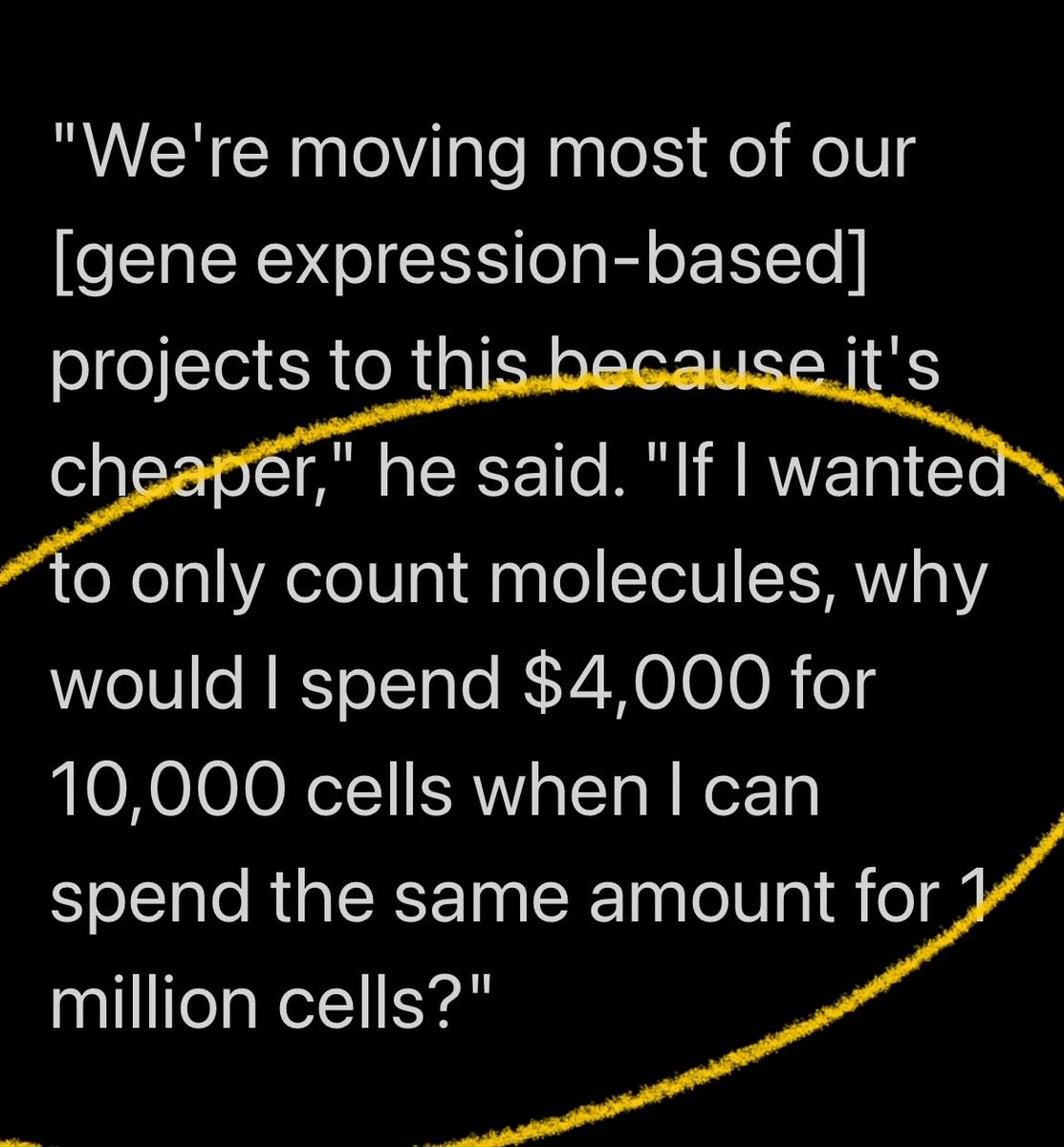
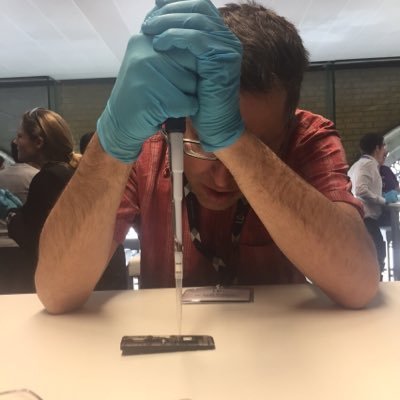
Have been waiting for someone to build a CRO that delivers existing "boring" experiments much faster and cheaper by: 1. Questioning and rethinking each step of the laboratory workflow with modern automation, microfluidics, hardware, software. If you were to build a company just to commercialize vanilla single cell at scale, and you lived and died by the margins you could create over the period of a few years, what would tissue dissociation, viability staining, purification, library prep, analysis, etc. actually look like? Remember the actual constraints and that there are many ways to combine reagents together that do not involve pipettes, eppendorf tubes, well plates, people (and that includes pipette wielding robots like Hamiltons and Opentrons). Current laboratory workflows are overly anthropomorphized and artifacts of bad tools that have not been thought through much since molecular biology emerged in the 1960s. 2. Rebuilding new tools for each step that are uniquely enabled by large volumes of samples. For example, semiconductors could be perfect for the mass perturbation of charged biomolecules with precision. You can probably massively parallelize most experiments on these things with new, desirable behavior. For instance, no need for lots of copies of DNA in transduction if you can precisely move a single molecule next to the target cell - greater efficiency, throughput, cost. Or you can miniaturize phosphoramidite synthesis into millions of 65 nm squares using voltage induced redox chemistry to serially deprotect your sequence.(ieeexplore.ieee.org/abstract/docum…). There is some volume of business for a CRO that would justify designing and fabbing fit-for-purpose large node semiconductors for many of these laboratory workflows. 3. Simply executing on operations, setting ambitious timelines for completing projects and delivering data to clients in interactive data portals. Ripley's Believe It or Not, the bar in this space is 3 months, $20K and a static PDF/spreadsheet to show for a standard bulk RNA-seq experiment.
owl@owl_posting

There aren't enough smart people in biology doing something boring owlposting.com/p/there-arent-… new argument piece i often meet a lot of founders in biology pursuing really crazy, revolutionary ideas. i love them! but i wish there were more people pursuing the boring ideas 🧵
English
5
5
71
14.2K
Keith Robison
Keith Robison@OmicsOmicsBlog·
@microbiol_sci @GenomicsCow There’s also the fun bit that many sequencing instruments ARE microscopes at heart, but aren’t used to literally image the DNA sequence directly. Analogous to how a large number of NGS assays measure biological phenomena that aren’t directly connected to DNA sequence
English
5
1
7
1.1K
Genomics Cow
Genomics Cow@GenomicsCow·
@mehtamanal @hoheyn @OmicsOmicsBlog @LGMartelotto @MollyminHe Stamp’s promising but remember that *most* researchers use a technology because it’s widely available and easy to that’s in the form of commercial kits and support from your local core, and cores have sequencers not spatial imagers , and are more familiar with sequencing 😎
English
3
1
8
860
Ex-microbiologist
Ex-microbiologist@microbiol_sci·
@ToumyGG @GenomicsCow @CatharineAquino Isn't that the definition of "funding" though? These all rely on having sufficient funding to build something that meets rapidly changing market needs AND test its commercial viability.
English
1
0
0
45
Toumy Guettouche
Toumy Guettouche@ToumyGG·
@GenomicsCow @CatharineAquino I don’t think funding is the only solution. A sustainable business model by the company and realistic expectations by customers around the cost of instruments/reagents and services. And also realistic expectations by the investors on ROI.
English
2
0
1
80
catharine.aquino
catharine.aquino@CatharineAquino·
In another chat, people are frustrated with service contracts and poorly designed engineering leading to more instrument failures. We want flexible, innovative, disruptive tools for basic science, but companies also need to make profit. How do we strike a balance?
English
3
1
1
1.8K
Ex-microbiologist
Ex-microbiologist@microbiol_sci·
@CatharineAquino Making flexible, innovative, and disruptive tools is a seemingly impossible balance between being innovative, getting to market quickly, and building something robust. The grace to balance these often comes down to funding as @GenomicsCow suggests.
English
0
1
3
482
Mark O. Martin
Mark O. Martin@markowenmartin·
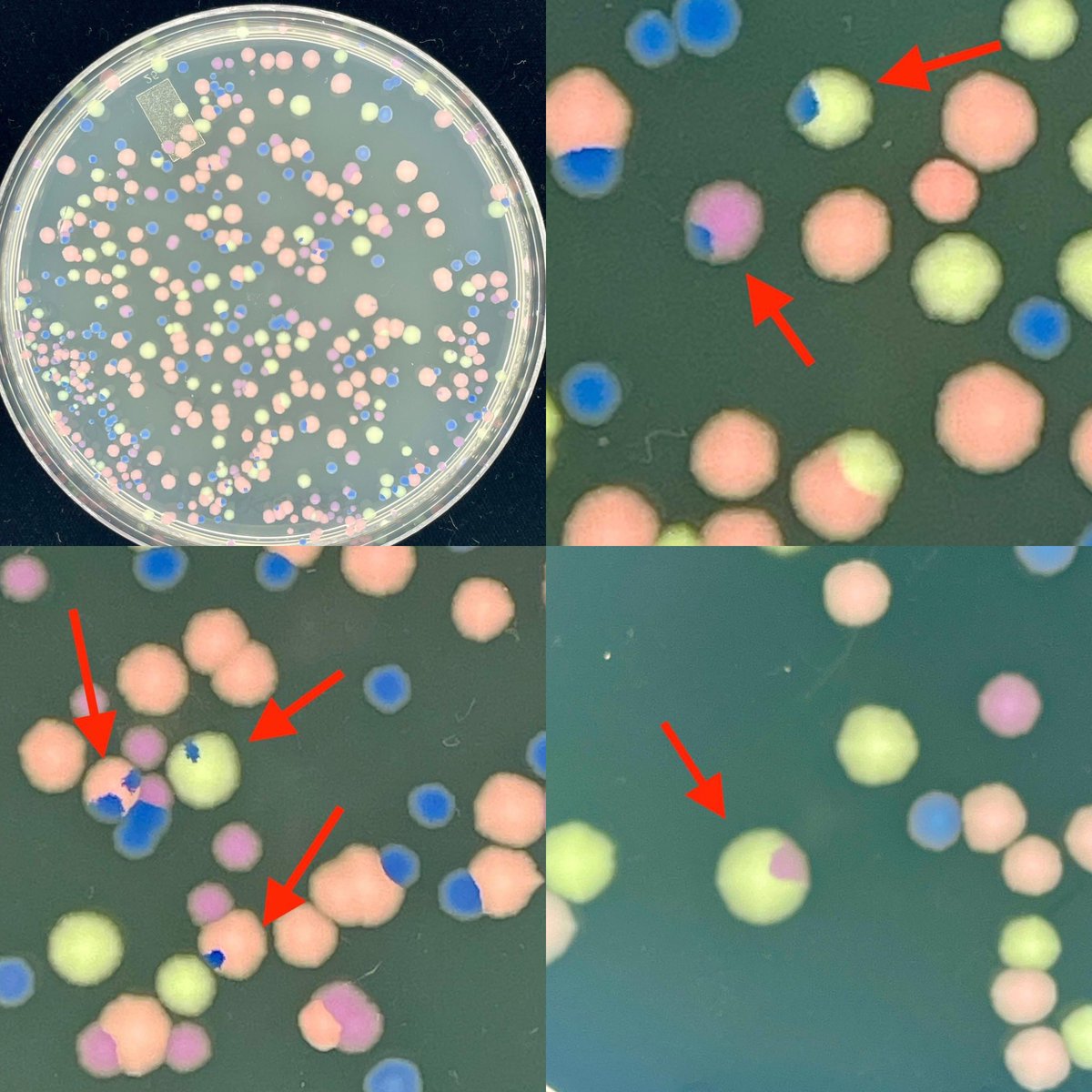
This happens every year. It may not be mysterious, but I love it. I used E. coli containing plasmids with pigment genes from @ATinyGreenCell . I mix the cultures. The students do a dilution series. And sometimes we see what LOOK like sectored colonies. Or are they? 1/2
Mark O. Martin tweet media
English
10
28
266
33K
catharine.aquino
catharine.aquino@CatharineAquino·
Same players but the order is different. Something new from @RocheSequencing ? @illumina wants to be on top of the food chain again? I hope the bag is nice 😂 @agbt sponsors 2025
catharine.aquino tweet media
English
4
0
17
8.4K
Ex-microbiologist
Ex-microbiologist@microbiol_sci·
@GenomicsCow No shade! They make great products. Their library keep products aren’t always best in class for life sciences folks, but great quality.
English
1
0
0
37
Genomics Cow
Genomics Cow@GenomicsCow·
@microbiol_sci Illumina is pretty proud of their “R” in RnD. But perhaps they will become like other big companies and buy in the tech and focus on the “D” part more. No shame in that! Just gonna have some bummer acquisitions but that’s the same when doing blue skies research
English
1
0
0
140
Jonathan Jacobs 🧬🦠🕹️🏕️
someone said on a call today that @Illumina's iSeq are cheap enough that they basically are at the bottom of kids' cereal boxes now. LMAO... a few minutes later they posted this in the meeting chat... everyone like💀
Jonathan Jacobs 🧬🦠🕹️🏕️ tweet media
English
2
5
29
3.1K
Ex-microbiologist
Ex-microbiologist@microbiol_sci·
@lpachter That is true art! My head knows upset plots are better, but they can be difficult to interpret without careful thought. Not every plot can be perfect i suppose.
English
1
0
1
59
Lior Pachter
Lior Pachter@lpachter·
@microbiol_sci Area proportional Venn diagrams are great for displaying 2^[3] data. And of course Venn art is wonderful. I do find that for 2^[n] where n>3 UpSet plots are more useful.
Lior Pachter tweet media
English
1
0
6
263
Lior Pachter
Lior Pachter@lpachter·
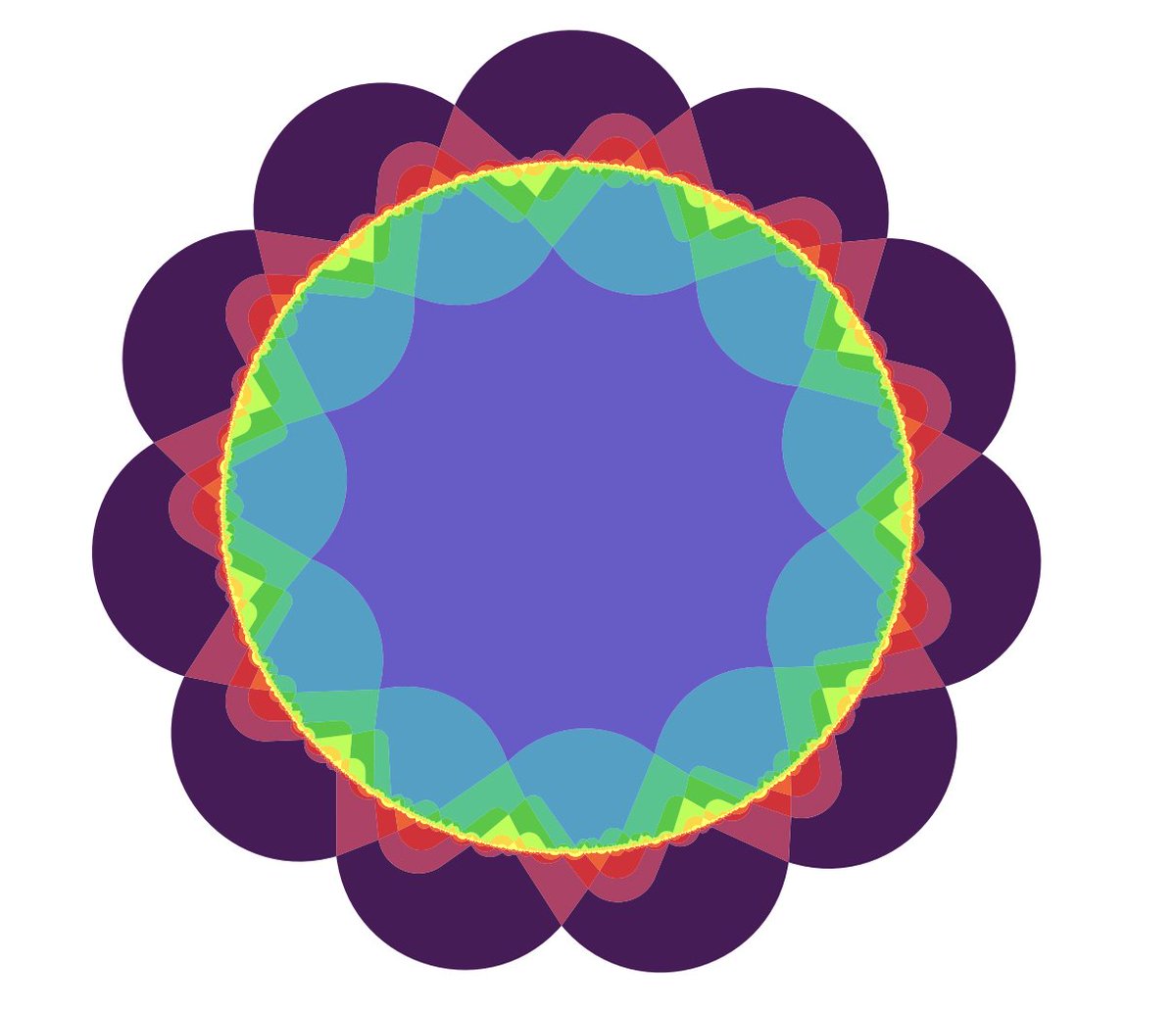
Confession: in graduate school I would occasionally procrastinate by trying to find Venn diagrams. There are dozens of open problems. Some of the constructions are beautiful, e.g. this symmetric 11-Venn diagram from arxiv.org/abs/1207.6452
Lior Pachter tweet media
English
2
4
29
14.8K