ETHICAL APPROACH UK
17.9K posts

ETHICAL APPROACH UK
@EthicalApproach
Strategies to expose truths as well as untruths.


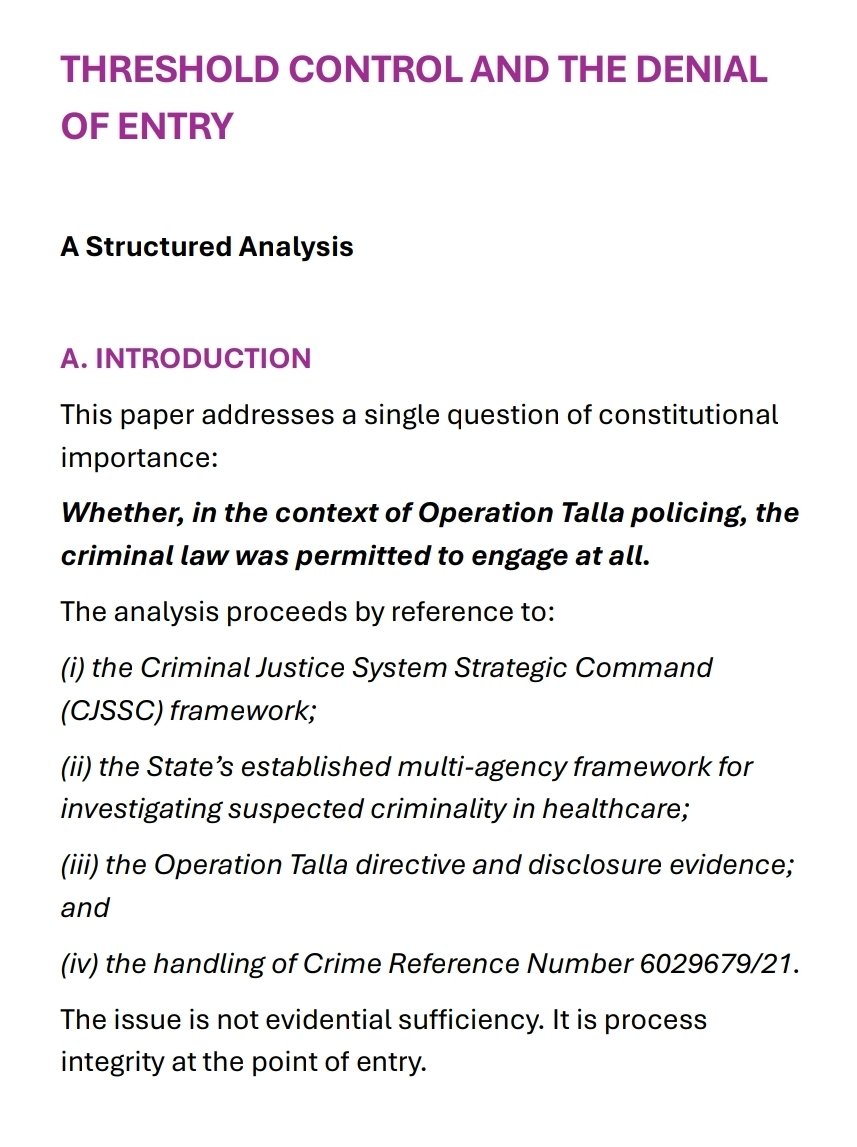
The position is now clear. The State’s own framework requires that where there is reasonable suspicion of criminality in healthcare: • the matter is recorded • police are engaged • evidence is preserved • investigation follows The CJSSC confirms the system was operating under coordinated, multi-agency control. But the Operation Talla material records: • requests for assistance rejected • allegations not recorded • “guidance to not record” described as a success And in CRN 6029679/21: • substantial evidence submitted • an investigation indicated • no full investigative steps taken These positions cannot be reconciled. This is not a question of outcome. It is a question of whether the criminal law was permitted to engage at all. Was justice obstructed? Was it perverted? If so, was any collusion involved? Read the analysis here; ethicalapproach.co.uk/threshold_cont…


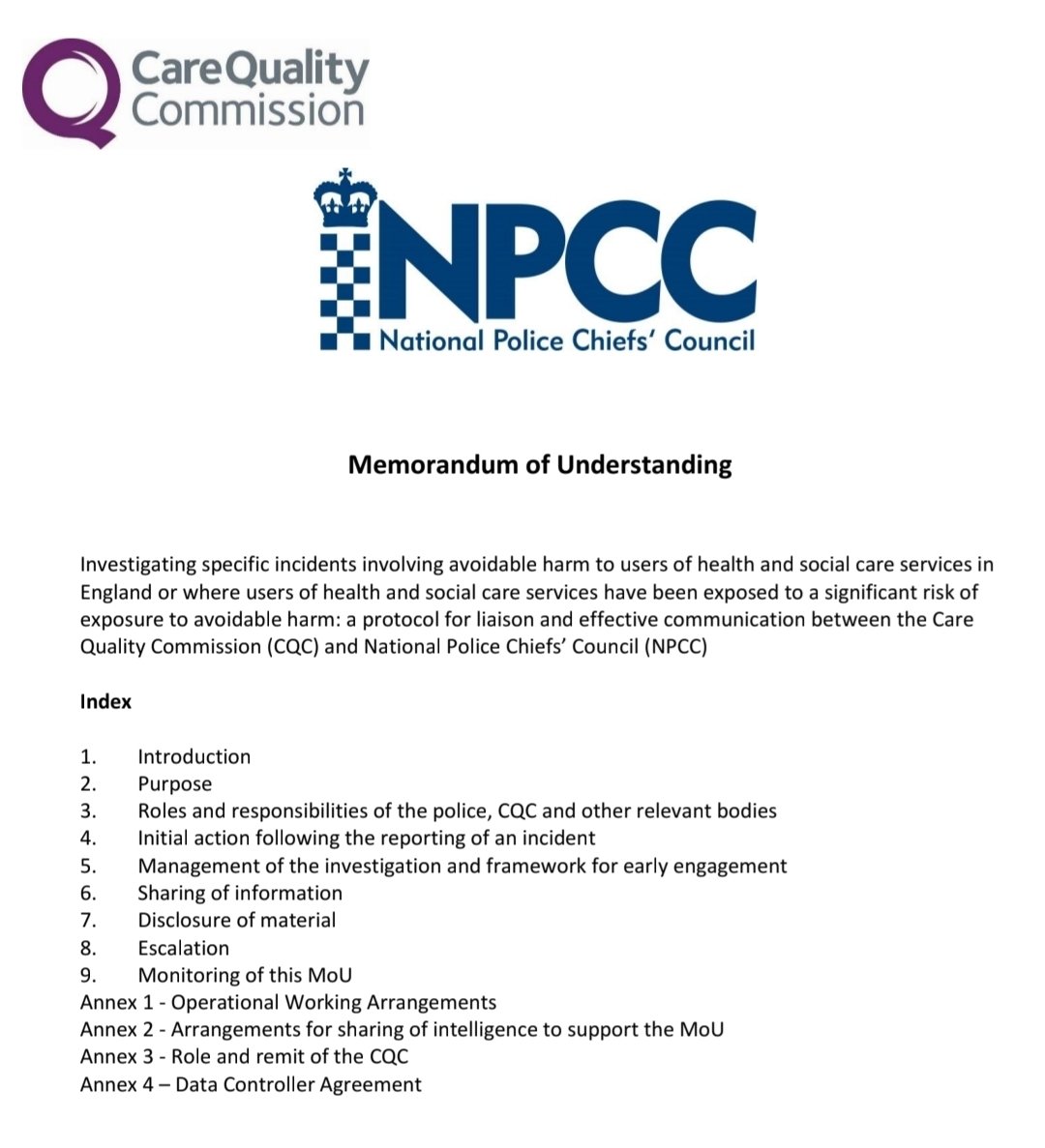
By the end of 2019, the position was already clear. The NPCC (@policechiefs) agreed, in formal terms with the Care Quality Commission (@CareQualityComm), how suspected criminality in healthcare must be handled: • early police engagement • recognition of criminal thresholds • preservation of evidence • coordinated investigation That was the baseline. Not emergency guidance. Not pandemic improvisation. But established practice. Now place that alongside Operation Talla: • requests for assistance rejected • allegations not recorded • investigative pathways not engaged The system did not lack a framework. It already had one. The question is not what the rules were. The question is why, when it mattered most, the doorway to those rules appears not to have been opened. Here it is, in black and white: cqc.org.uk/sites/default/…


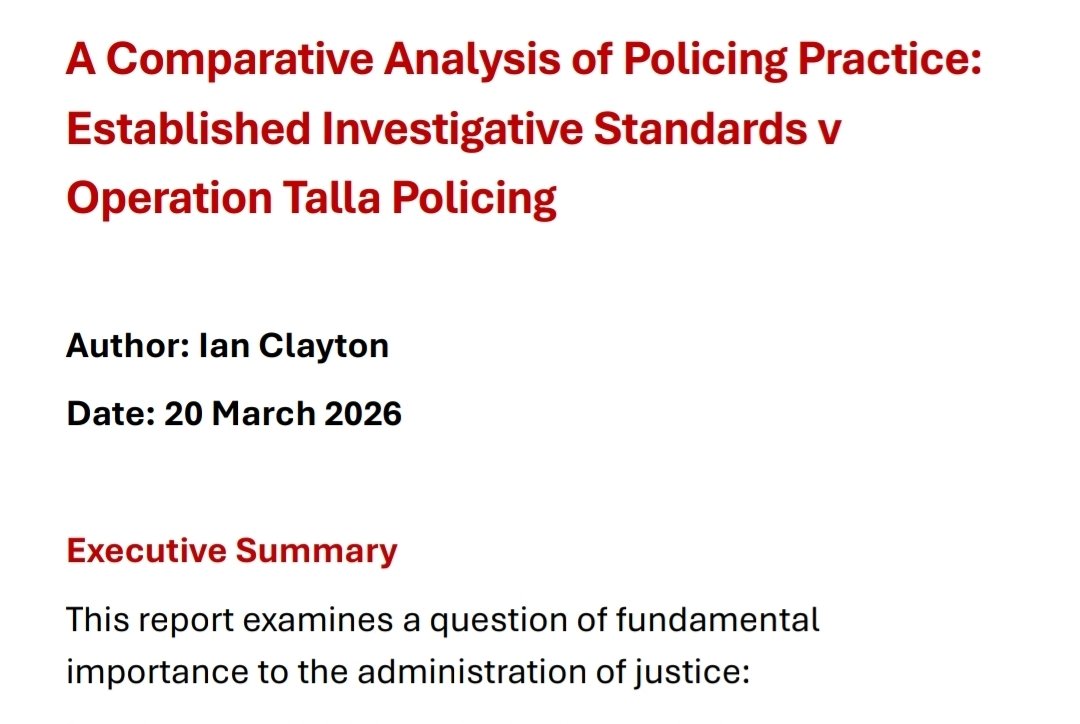
The Government has set out how suspected criminality in healthcare must be handled. It has done so in clear terms: • early police engagement • formal recording • evidence preservation • coordinated investigation That is the standard now expressed in official 2024/2025 guidance. Our report places that standard alongside the documented Operation Talla approach: • requests for assistance rejected • allegations not recorded • investigative pathways not engaged The contrast is not marginal. It is structural and it is stark. One model opens the doorway to the justice process, whilst the other prevents the doorway from being opened at all. This is not a question of outcomes. Rather, it is a question of entry into the rule of law itself. Our full report (with source materials annexed): ethicalapproach.co.uk/investigating_…

By the end of 2019, the position was already clear. The NPCC (@policechiefs) agreed, in formal terms with the Care Quality Commission (@CareQualityComm), how suspected criminality in healthcare must be handled: • early police engagement • recognition of criminal thresholds • preservation of evidence • coordinated investigation That was the baseline. Not emergency guidance. Not pandemic improvisation. But established practice. Now place that alongside Operation Talla: • requests for assistance rejected • allegations not recorded • investigative pathways not engaged The system did not lack a framework. It already had one. The question is not what the rules were. The question is why, when it mattered most, the doorway to those rules appears not to have been opened. Here it is, in black and white: cqc.org.uk/sites/default/…


The Government has set out how suspected criminality in healthcare must be handled. It has done so in clear terms: • early police engagement • formal recording • evidence preservation • coordinated investigation That is the standard now expressed in official 2024/2025 guidance. Our report places that standard alongside the documented Operation Talla approach: • requests for assistance rejected • allegations not recorded • investigative pathways not engaged The contrast is not marginal. It is structural and it is stark. One model opens the doorway to the justice process, whilst the other prevents the doorway from being opened at all. This is not a question of outcomes. Rather, it is a question of entry into the rule of law itself. Our full report (with source materials annexed): ethicalapproach.co.uk/investigating_…