Tweet Disematkan
@SXMOutlaw played @Elizabeth_Cook , @JasonIsbell , @HappyWoman9 in a row at 8 am. That's how you do Mondays.
English
Robert Donohue
11.2K posts




U.S. official says the strikes on Kharg island, in the early morning hours Tuesday EST, were not directed at oil infrastructure, but were "re-strikes" on military targets that were hit previously



🚨Energy bills keep rising, and hard-working New Yorkers are struggling❗️ Sign my petition to join me in opposing rising utility costs 👉 nysenate.gov/petitions/bill…

Iran’s attack on Qatar has damaged facilities that produce about 17% of its liquefied natural gas export capacity and repairs will take three to five years, QatarEnergy CEO said according to a Reuters report bloomberg.com/news/articles/…



Justin Fields arriving in KC is the best thing to ever happen to him. A resurrection is about to occur IF; 1.Justin NEEDS to let go of any football past. 2. Trust Andy Reid. 3. Watch, listen, learn, & Work with Patrick M. (Osmosis) Justin has it all to be a top NFL Qb. TOUGH
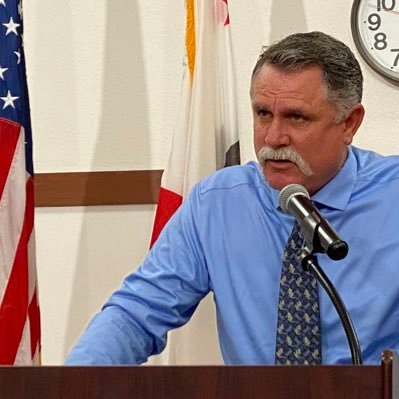
Hey Gavin Newsom … any insight here?

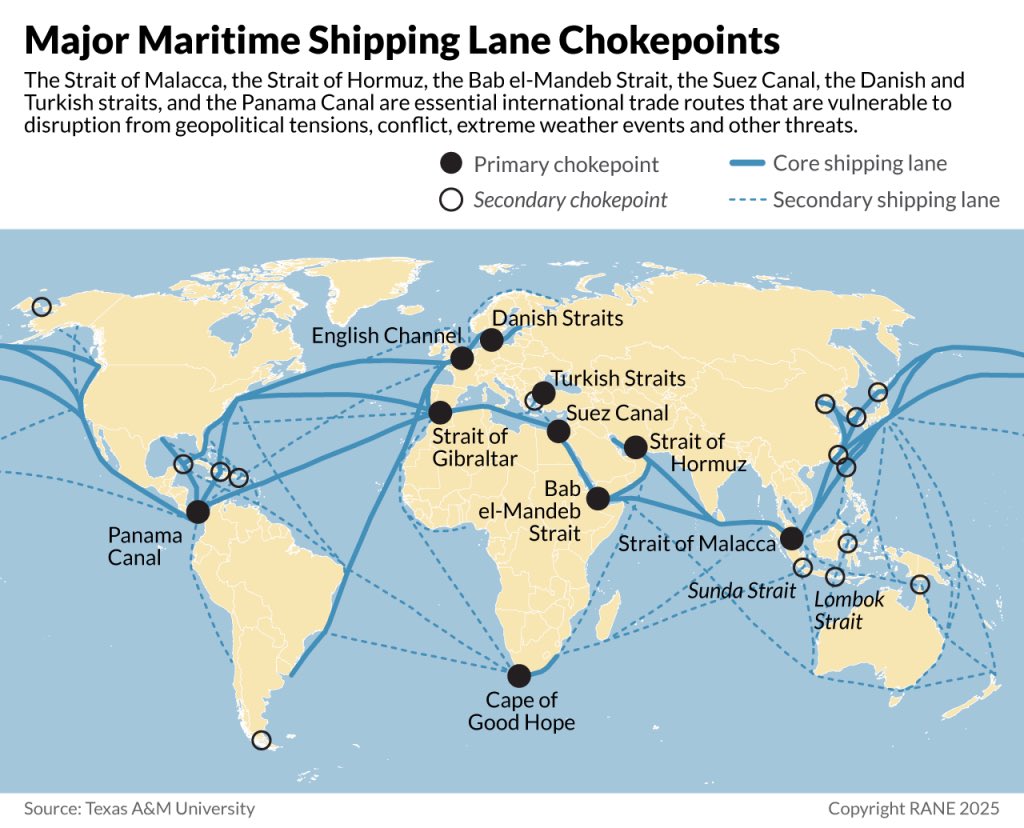
The US and China are now competing over control of chokepoints ahead of a conflict both sides increasingly see as inevitable. China spent a decade building leverage over critical supply chain choke points essential to the US industrial base. Now the Gulf War has handed Washington leverage over the energy and supply chain arteries critical to China’s industrial base. Hormuz matters far more to China than it does to the United States. But if the US Navy is now responsible for safely escorting ships and the DFC has a monopoly backstopping war risk insurance, then Washington becomes the gatekeeper of security at the world’s most important energy chokepoint. The US can now decide which cargoes get the lowest friction access and which buyers get priority. Squeeze the US on rare earths and the US squeezes back on Hormuz. China built a stranglehold over critical supply chains to deter the US. But the Gulf war may have given the US a reciprocal lever over China’s supply chain.