Give A Shit About Nature@giveashitnature
A bricklayer in East Yorkshire has spent 35 years putting up barn owl nest boxes on weekends. This year, the region saw 308 owlets hatch.
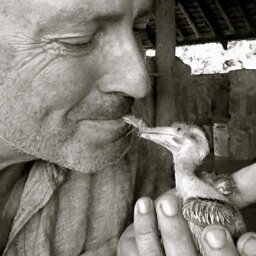
His name is Robert Salter. He's 56 and does bricklaying full time. In 1990, he saw a piece on the news about a man in Lincolnshire installing barn owl boxes, and decided he'd do the same. He started with five.
He now has more than 350 boxes scattered across fields, farms, outbuildings, and trees in East Yorkshire. Every June, he takes four weeks off from bricklaying and visits them with his wife Sue. Scrambling up ladders, ringing chicks, cleaning boxes, repairing the ones the weather got to. He's a licensed bird ringer for the British Trust for Ornithology.
In 2024, the region ringed 95 owlets. In 2025, the count was 308. The Barn Owl Trust says that nationally, this year was "pretty poor" for barn owl breeding, but east Yorkshire is the exception, and it's the exception because of one man with a ladder.
The barn owl population in the UK was estimated at 4,000 pairs in the mid-2000s and crashed to roughly 1,000 by the early 2010s. The species is still recovering.
Most of conservation is one person who refuses to give up.