固定されたツイート

This is my "political" account.
I have 3D and Art oriented account here for those who are interested more about that stuff :
twitter.com/Khellstr3D
English
khellstr 🍄
29.7K posts

@kHellstr
Järjestelmävastainen kaikkien alojen asiantuntija. Palkka tulee 3D-hommista toistaiseksi. Maa on pallo Töihin liittyvä tilini: https://t.co/2XSVF9QEvf
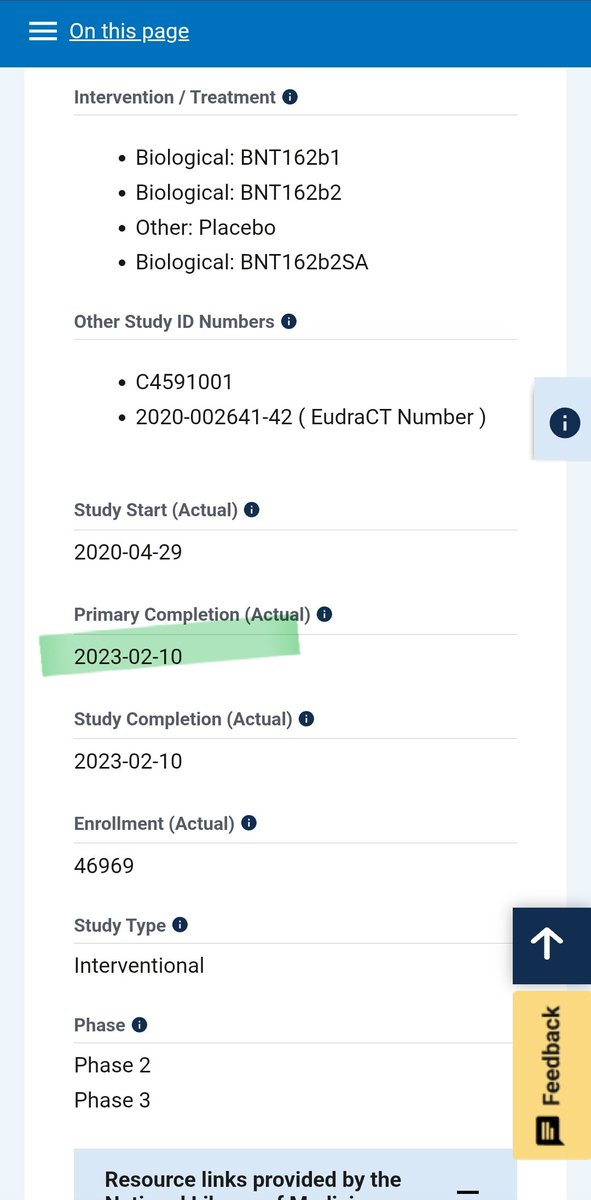


Ah yes, the Nuremberg Code—dragged in like a stage prop whenever the argument can’t stand on its own. Kelly Victory is making a grave accusation, but it dissolves on contact with reality. The COVID mRNA vaccines were not “experimental” in the conspiratorial sense. They went through large trials and were authorized, then approved, by the U.S. Food and Drug Administration. That is not a secret. That is the standard process. The Centers for Disease Control and Prevention did not violate the Nuremberg Code. That code addresses forced human experimentation without consent. School and workplace vaccine requirements are longstanding public health policy, not war crimes. “Knew the risks” is not a revelation. Of course they did. Every intervention has risks. The question is whether benefits outweigh them. By 2022, the answer was already clear in reduced hospitalizations and deaths. And when Drew Pinsky amplifies this, it is less a contribution to medicine and more the familiar clickbait reflex—turn complexity into outrage and call it insight. If everything is Nuremberg, then nothing is.


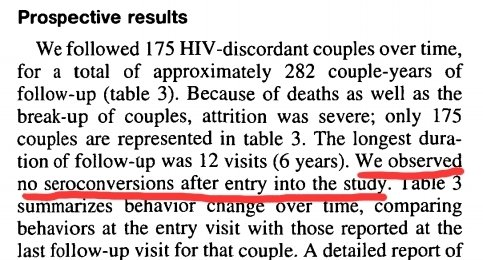

Kävin raskauden takia lääkärissä. Lääkäri ihmetteli, missä minun lääkitykset ja perussairaudet. Päätteli sitten, että ne eivät ole vielä ehtineet minuun. 😂🙏🩷







🦔A researcher invented a fake eye condition called bixonimania, uploaded two obviously fraudulent papers about it to an academic server, and watched major AI systems present it as real medicine within weeks. The fake papers thanked Starfleet Academy, cited funding from the Professor Sideshow Bob Foundation and the University of Fellowship of the Ring, and stated mid-paper that the entire thing was made up. Google's Gemini told users it was caused by blue light. Perplexity cited its prevalence at one in 90,000 people. ChatGPT advised users whether their symptoms matched. The fake research was then cited in a peer-reviewed journal that only retracted it after Nature contacted the publisher. My Take The researcher made the papers as obviously fake as possible on purpose. The AI systems didn't catch it. Neither did the human researchers who cited it in real journals, which means people are feeding AI-generated references into their work without reading what they're actually citing. I've covered the FDA using AI for drug review, the NYC hospital CEO ready to replace radiologists, and ChatGPT Health launching this year. All of that is happening in the same environment where a condition funded by a Simpsons character and endorsed by the crew of the Enterprise was being presented as emerging medical consensus. The people making these deployment decisions seem to believe the pipeline from research to AI to patient is more supervised than it actually is. This experiment suggests it isn't supervised much at all. Hedgie🤗 nature.com/articles/d4158…




Someone help this guy #chemistry