

Mark Spray
131 posts


So much in this release but the one many have been waiting for above the rest, the GUI dashboard!
Manage and monitor your Hermes Agent with a GUI Local Web Dashboard with `hermes dashboard` command to start it!
Nous Research@NousResearch
Hermes Agent v0.9.0 - “The Everywhere Release” Full changelog below ↓
English
@ManusAI @Similarweb 2400 credits used and no result lol. Even asked it what data it got back from similar web and it said nothing lol
English

Today we're launching our first data partnership with @Similarweb
Now, you can:
👉 Access 12 months of web traffic history
👉 Benchmark competitors instantly
👉 Analyze marketing channels and traffic sources
👉Get regional traffic breakdowns
All powered by Similarweb's trusted digital intelligence.
Available now for all Manus Pro users.
English
@AndrewWriteCopy Nailed it, and I wish I had picked this up way earlier in life. Love this post Andrew
English


The #1 Mistake That Repels Clients
There’s one mistake that almost every freelance copywriter makes.
It’s keeping new copywriters from ever landing clients
And it can cost veterans 6+ figures per year.
Wanna see it?
1. Like this post.
2. Comment "mistake".
3. Follow me.

English
@iamnickyates I keep getting sore hands as I don’t know what they where thinking with that stupid slimline style. Got that same exact mouse next and also never looked back
English
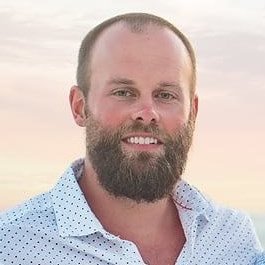
I never realized how shitty my apple Magic Mouse was until I upgraded
… oh and I can charge my mouse while using it, whodathunkit 🤯

English
@AndrewWriteCopy Oh man I’m falling down the rabbit hole reading your posts and loving it . Great value
English
Storytelling’s Secret Structure
(Warning: this is going to get a little technical and nerdy, but it will be worth it for anyone who writes stories in their copy.)
It's no great secret storytelling is a powerful tool for sales and copywriting.
But what's not as well known is that effective storytelling has its own unique writing pattern.
So I'm going to share that with you right now:
Effective storytelling is based on cause and effect.
That is, the idea one event is the result of another event.
For example:
Cause - The temperature plummeted.
Effect - Andrew put on his hat and gloves.
Putting on the clothes was a result of the cold temperature.
And that’s the building block for writing a story.
Something happens therefore something else happens.
In writing it's known as a Motivation Reaction Unit (MRU).
The cause is the motivation, the effect is the reaction, together the pair form the unit.
Now let's look at how you write them:
You start with a motivation sentence.
This something that happens to your character that's important enough for them to respond to.
For example:
• The dog's growl turns into a bark.
Then you have a reaction sentence.
This is how your character responds to the motivation.
For example:
• Sam starts to back away.
And putting them together:
• The dog's growl turns into a bark. Sam starts to back away.
And that's it.
The benefits of this technique are it’s:
• Simple...
• Drives your story forward...
• Gives it a logical flow...
And it makes sure your reader won't lose track of what's going on.
Plus, to turn it into a story all you have to do is rinse and repeat.
You follow one MRU with another, and another, and so on.
A quick example:
The doorbell rings. Dan looks up but decides to ignore it.
It rings again, repeatedly. With a frustrated sigh he gets up and goes to see who it could be.
"I know you're in there, Daniel. I need to see you right away."
Dan recognises his mother's voice and opens the door...
Breaking it down:
Motivation – Doorbell rings.
Reaction – Dan ignores it.
Motivation – Doorbell repeatedly rings.
Reaction – Dan goes to find out who it is.
Motivation – The person speaks to him.
Reaction – Dan recognises them and opens the door.
Now that's not going to win me any awards.
But it does demonstrate it's not difficult to use MRUs to write a professional-sounding story.
And that's how you start to become a great storyteller.
To sum up:
1) Start with something that happens to your character.
2) Follow-up with the character's response.
3) Repeat as needed.
And you don't need to follow the pattern exactly.
Sometimes you might want two or three motivation or reaction sentences in a row.
Play around with it.
Credit for this goes to Jack Swain.
He was the first to break down the mechanics of storytelling in his 1965 book, "Techniques of the Selling Writer".
And if you found this useful:
Repost it to help your fellow persuasion professionals.
Make sure you’re following me @AndrewWriteCopy for more quality copywriting and marketing content.
And enjoy the rest of your day!
English
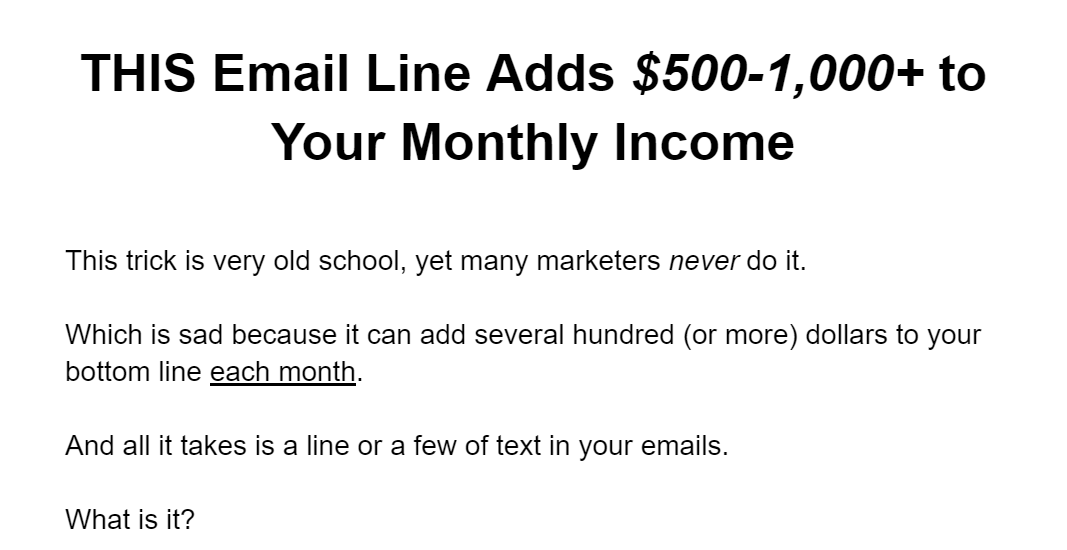
THIS Email Line Adds $500-1,000+ to Your Monthly Income
Would you like to see what it is?
Like this post and comment "line".
(Must be following, so I can DM ya).
Reposts are welcome but not required.
English
@AndrewWriteCopy Great info here, will apply to some ads I need to write tommorow
English
Headline Writing 101
The ultimate beginner’s guide to writing effective headlines...
The headline is the make or break element of your copy.
A good headline grabs your prospect’s attention and forces them to keep reading.
But a bad headline and they’re gone.
So let’s look at how you can start writing good headlines...
We’ll begin with the purpose of your headline:
And the purpose is to be the ad for your ad.
In other words...
Its job is to sell your prospect on reading the rest of your copy.
Now before you start writing...
You want to check out your competition.
Find your top 10 or so competitors and see what headlines they’re using.
Because you want to get an idea of what’s already working in your market.
And you also want to make sure you...
Don't end up with a copycat headline.
Because one of the keys to writing an effective headline is to...
Say something your prospects haven't heard before.
So don't end up accidentally copying a competitor.
Next, let's look at the structure of a headline.
A headline has three parts:
1) The pre-head.
2) The main headline.
3) The deck copy.
Which together are often labeled as the headline package or complex.
Though you don't always need all three elements.
Often just the main headline, and maybe some deck copy, is good enough.
But when starting out it's a good idea to write all three for practice.
Now let's have a closer look at the first element...
And the first element is the pre-head.
Sometimes known as the kicker, shoulder, or eyebrow.
It sits above the main headline to help set it up.
And it can do this in 3 ways...
First it can call out your prospect or the problem your offer solves.
For example:
• Struggling to make money from Twitter...
Second it can feature an element of proof or credibility.
For example:
• Two-time Nobel prize winner Dr. Smith announces...
And third it can tease the main headline.
For example:
• You’re about to discover...
Which of these you use will depend on what you're selling and what your main headline is.
And we'll look at the main headline now...
There are dozens of different types of headline.
But when you're starting out you only want to focus on one type:
The promise headline.
Which is exactly what it sounds like.
You promise a result.
Here's an effective template you can use:
[Get this specific result] [in this timeframe] [without dealing with this objection]
For example:
• Lose 7lbs in 7 days without starving yourself
A variation is to use "even if" instead of "without":
• Write a bestseller in less than 14 days even if you can't string two sentences together
And you don't always need to use all the parts:
• Build your own web app with zero coding
The keys to making it effective are to...
Make sure the promised result is something your prospects want (and that your offer can deliver).
And that you state it in their language.
That is, use the same words and phrases they would when talking about it.
Next up is the final element:
The deck copy.
Also often called the subheadline.
It sits below the main headline to strengthen it and give your prospects even more reason to keep reading.
And it can do this in 3 ways...
First it can explain the main headline’s promise.
For example:
• Our unique “BioBurn” candy takes advantage of your body's natural rhythms to burn fat 24/7, even while you sleep!
Second it can add more promises.
For example:
• Plus build muscle, burn fat, and boost your flexibility with a simple workout routine you can do anywhere...
(And/or you could use 3-5 of your most powerful bullets.)
Third it can tell your prospects why they should believe your main headline.
For example:
• This foolproof system was developed by Harvard scientists and successfully tested by the US Olympic team leading to a record medal haul at Tokyo.
(And/or you can use 1-3 testimonials.)
As with the pre-head...
Which you use will depend on your main headline and what you're selling.
Though you can combine two or even all three of them:
“Developed by NASA scientists...
Our unique “BioBurn” candy takes advantage of your body's natural rhythms to burn fat 24/7, even while you sleep...
Plus it's handmade, 100% organic, and tastes delicious!”
And that's how to create a compelling headline package!
Now let's see how it looks when we put all three elements of the package together:
“For women over 40 struggling with weight loss…
Lose 7lbs in 7 Days Without Starving Yourself!
With our unique “BioBurn” candy that takes advantage of your body's natural rhythms to burn fat 24/7, even while you sleep!”
It calls out the prospect...
Makes them a promise...
And then explains how the promise works.
Note the main headline is in title case, the other two elements in sentence case.
Though I can't show it here, the main headline would also be in a larger font.
And one last - vital - point:
Don’t give away too much in the headline.
You always want your prospect curious to know more.
After all, the purpose of the headline is to get them to read on!
So now you understand the basics of writing an effective headline...
Give it a go!
Don't expect perfection right away.
But with a little practice you'll soon be writing compelling headlines.
And if you found this useful:
Repost it to help your fellow persuasion professionals.
Make sure you’re following me @AndrewWriteCopy for more quality copywriting and marketing content.
And enjoy the rest of your day!
English
@TheCopyTitan Could be wrong messaging in outreach such as pointing to incorrect symptoms at a guess
English
Curious Marketing Challenge #2
Your client’s weekly calendar is fully booked with calls
But the closing rate is below 20%.
What could be the problem, and how would you fix it?
English
Anyone on TikTok?
I just created my account there this morning.
If you like my content here, you'll love the videos I'll start creating from tomorrow onwards.
The link to follow me will be in the next comment.

English
@gobeyondcopy Dang had to watch this a few times as full of great info, time to get some belief shifting into content again 🤦♂️
English

Here’s why focusing on writing short copy is a terrible idea:
English
@GrammarHippy Damn he going to inception us . Reading the story email you sent and already 🤯
English

Today?
I’ll sell you something you don’t need and don’t want.
And you’ll want to buy.
Promise.
Email going out with EXACTLY that today.
English
bet not many people know about this australian yellow pages site 🤷
gem of a database if you’re targeting australian local businesses or brick & mortars
i wrote a script to download all listings as csv
❤️ like + comment ‘send’ and i’ll dm you the script
(no signup required)
GIF
English

I've just put together my BIGGEST SWIPE FILE EVER.
100 Landing page redesigns.
This is a complete game changer and will SKYROCKET your conversions!
Today it's yours for FREE!
Like & Comment “100” and I’ll DM you the complete swipe file.
(Must be following or I can’t send)

English

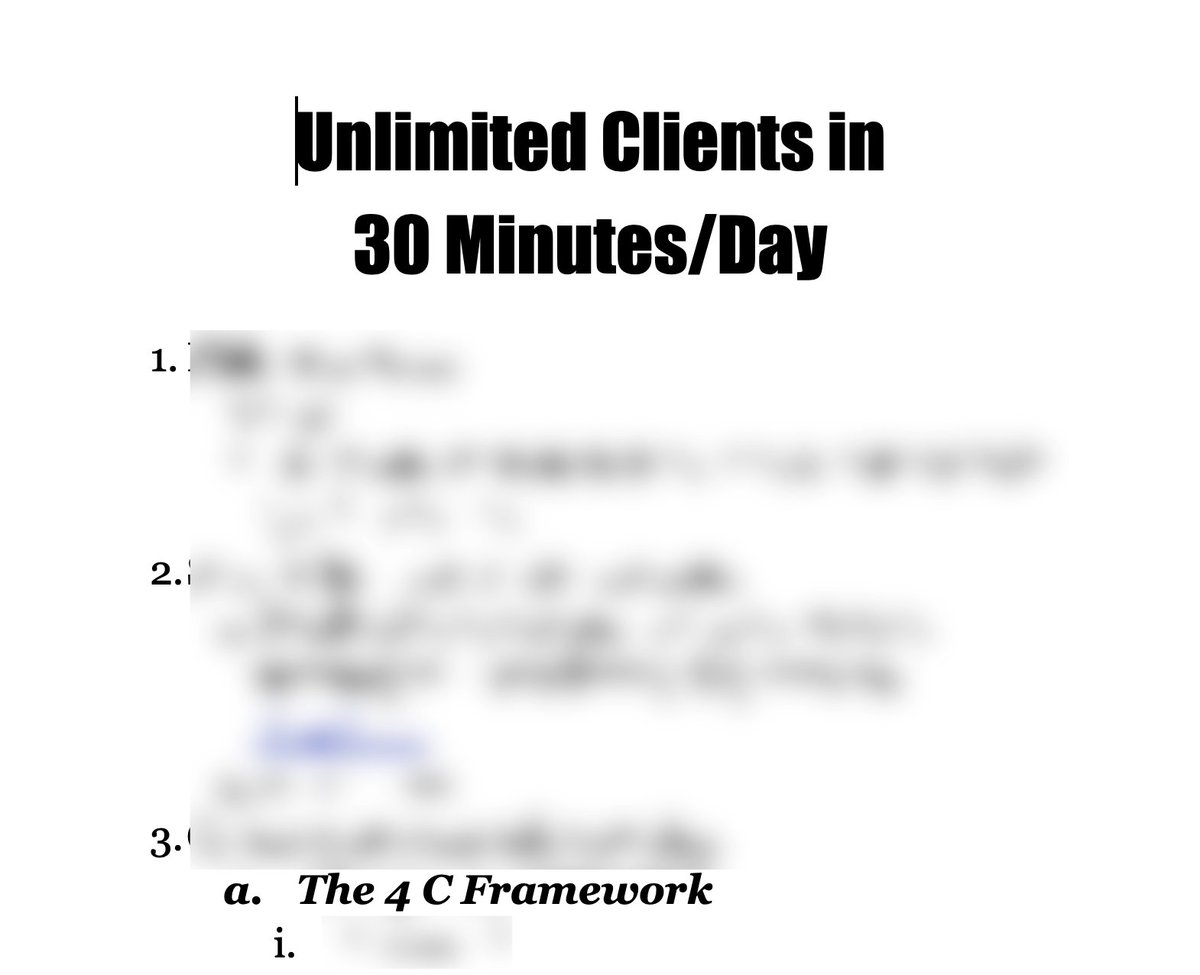
"I don't have time to get clients!"
That attitude costs you $5K/month, minimum.
I'll show you how to get them in half an hour per day.
Like this post, comment "🔓", and follow me @MeitnerTom .
I'll DM you a free video+Doc laying it all out (first 250 only).
English

Forget Cold Email.
Forget Cold Calling.
Forget Running Ads.
I'm about to drop an entire SOP on how we book 10+ meetings per day, without spending a dollar on Ads.
(I don't sell this as a service, just use this for my agency)
Comment "George" and I'll send it.

English

wrote a 35-page e-book on being a dm setter
• how to get started
• how to close more sales
• add 20 qualified appts or...
• make your first $10k/mo
everything is here, all in one place
like, RT, and comment 'ebook' and i'll send
must follow or i can't...

English
just CREATED a 30-day cold call playbook with 3 hours of videos 🤯
• close more sales
• find the right people
• deal with objections
should be a $997 course
it's free only through twitter
like, RT and comment '30day' and i'll DM you
must follow or i can't
750 max people
English