Raphael Sirtoli

55.1K posts

Raphael Sirtoli banner
Raphael Sirtoli

Raphael Sirtoli

@raphaels7

Senior Medical Researcher at Ancestralize (a health app) & Chief Scientist at Clinica Pêro (a medical clinic) https://t.co/KwIrcT7PX7. Views are my own

Nice, France 参加日 Mart 2009
945 フォロー中8.6K フォロワー
固定されたツイート
Raphael Sirtoli
Raphael Sirtoli@raphaels7·
the 3 devils you should exclude😈👹👺 to make space for animal foods🥩🥚🐟

Raphael Sirtoli tweet mediaRaphael Sirtoli tweet mediaRaphael Sirtoli tweet media
English
20
45
238
0
Amit Etkin
Amit Etkin@AmitEtkin·
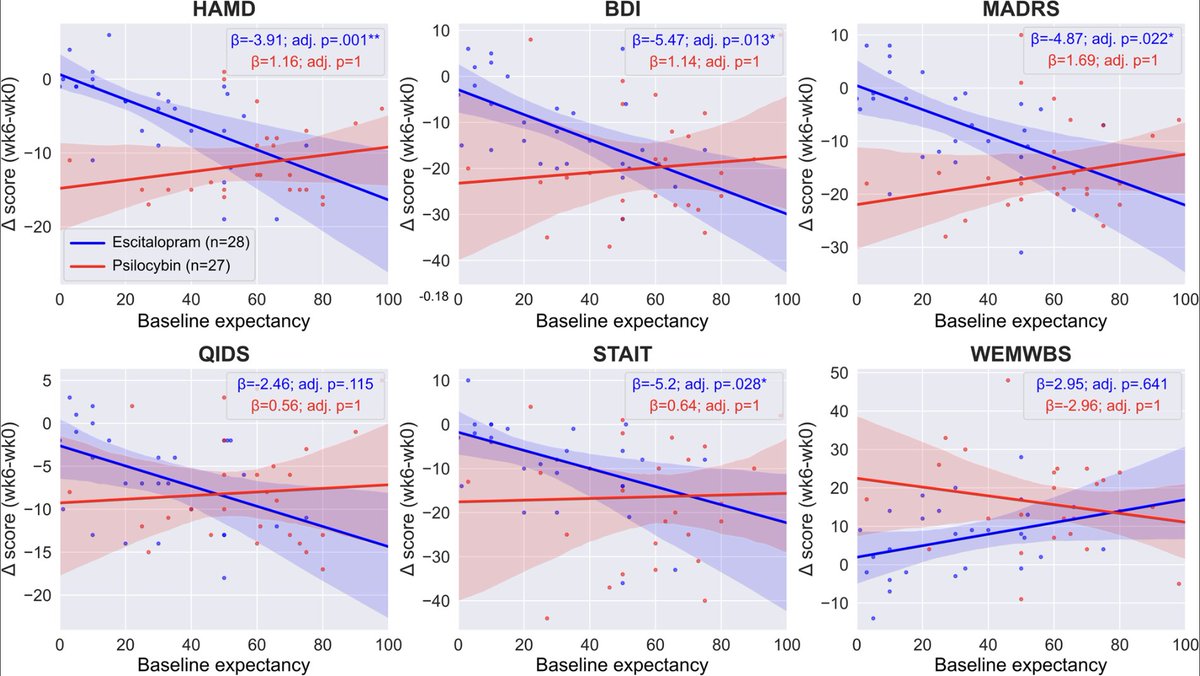
Summary of the important new @JAMAPsych psychedelic vs SSRI meta-analysis by the author and discussion below. Highlights massive effect of the “knowcebo” due to unblinding and thus why effects seem large in psychedelic trials but are due to smaller placebo response
Balázs Szigeti@psybalazs

🚨MAJOR NEW PAPER 🚨 just out in @JAMAPsych : Psychedelic Therapy vs Antidepressants for the Treatment of Depression Under Equal Unblinding Conditions (tinyurl.com/yu2rbtaf). I am very proud of this one, was a lot of work for me - both co-first and last author! Eternal gratitude to co-first @QuantPsychiatry and twitterless Hannah Barnett! The premise is that it is biased to compare open-label trials (=where patients know what treatment they are getting) to blind trials (=where patients do NOT know what they are getting). Open-label trials would gain an unfair advantage by higher placebo response. Even formally blinded psychedelic trials are practically open-label as its obvious to distinguish placebo from 25mg of #psilocybin. In contrast, traditional antidepressants (SSRIs/SNRIs) trials are are close to be truly blind (Lin 2022). Given the bias of open-label vs. blinded comparison, we compared the efficacy of psychedelic-therapy (which is practically always open-label) vs. open-label antidepressants for the treatment of major depression. We tested 3 prior hypothesis: - There will be a significant difference between psychedelic-therapy vs. open-label antidepressants, favoring psychedelic-therapy. - There will be a significant difference between blinded and open-label antidepressants trials, favoring open-label. - There will NOT be a significant difference between blinded and open-label psychedelic-therapy, as practically they are always open-label. In contrast with our prior hypothesis, we did not find psychedelic-therapy to be more effective than open-label antidepressants (H1). Not only was the difference not clinically meaningful, but practically there was no difference at all. This finding means that antidepressants administered knowingly to patients, which is the case in real-life medical practice, is as effective as psychedelic-therapy. This result was robust across variations in study selection, including when we removed psychedelic-therapy trials on treatment-resistant depression. We also assessed the impact of blinding in both psychedelic-therapy and antidepressants trials. We found that for antidepressants (H2), but not for psychedelic-therapy (H3), open label is associated with better outcomes than blinded treatment. However, even in the case of antidepressants, the difference was practically small (~1.3 HAMD units). How come hypothesis 1 failed, i.e. that psychedelic-therapy is no ore effective than open-label antidepressants, given that antidepressants trials are famous for small drug-placebo difference (~2.4 HAMD units), while psychedelic-therapy trials reported large effects (~7.3)? The key factor is that in psychedelic trials the placebo response is about 50% relative to antidepressants, ~ 4 vs 8 HAMD units (Hsu 2024, Hieronymus 2025). This suppressed placebo response leads to an inflated between-arm difference, as the treatment arm is measured against a lower floor. The suppressed placebo response in psychedelic-therapy trials is likely attributable to the ‘know-cebo’ effect, i.e. the disappointment when patients realize they are in the control group. In psychedelic-therapy trials, this placebo suppression accounts for 4.0 / 7.3 ~ 55% of the specific treatment effect. In other words, ~55% of psychedelic-therapy’s effect is not explained by patient improvement after the treatment, but rather by the lack of improvement in the placebo group. In summary, we found that for the treatment of depression, psychedelic-therapy is no more effective than open-label SSRIs/SNRIs. Our results for psychedelics are twofold: psychedelic-therapy demonstrated a robust and large therapeutic effects (~12 HAMD units), which justifies optimism. On the other hand, psychedelic-therapy’s lack of superiority compared to open-label SSRIs/SNRIs highlights the influence of blinding integrity and argues against overly optimistic narrative's about psychedelic-therapy's potential.

English
1
0
6
698
Raphael Sirtoli がリツイート
The Free Speech Union
The Free Speech Union@SpeechUnion·
The official definition of Islamophobia — now repackaged as “anti-Muslim hostility” — will be used to suppress legitimate criticism of Islam and its practices. We are already seeing this play out. Less than a week after the Communities Secretary, Steve Reed, published the definition — assuring the public it would not stifle legitimate criticism of Islam — Nick Timothy is facing calls to resign after criticising mass ritual prayer by Muslims in Trafalgar Square. He has been accused of “anti-Muslim hostility” by a Labour MP and reported to the Parliamentary Commissioner for Standards. This is a Muslim blasphemy law by the back door. Today, the Free Speech Union has sent a pre-action letter to Steve Reed, threatening judicial review if the definition and guidance are not withdrawn immediately. This is one of the biggest fights we’ve taken on in our six-year history. Help us stop the Government’s de facto Muslim blasphemy law 👇
English
318
4.3K
13.6K
143.9K
Raphael Sirtoli
Raphael Sirtoli@raphaels7·
@dranthonygustin @bowtiedfarmer i emailed an omega-3 company that says they use 3rd party testing for their products and they ended up waffling some "trust me bro" nonsense awesome that you guys respond directly and clearly
English
0
0
0
5
Anthony Gustin
Anthony Gustin@dranthonygustin·
Source is the full 3rd party testing we do on every batch and report clearly above the fold on the product page for the most recent one and provide full PDFs via email because we coordinate with customers on their specific lot and the test for that lot instead of linking 30 full PDFs in terrible ux on the product page but sure be a disingenuous asshole while not reporting any testing on your pdp whatsoever
English
1
0
2
171
Farmer
Farmer@bowtiedfarmer·
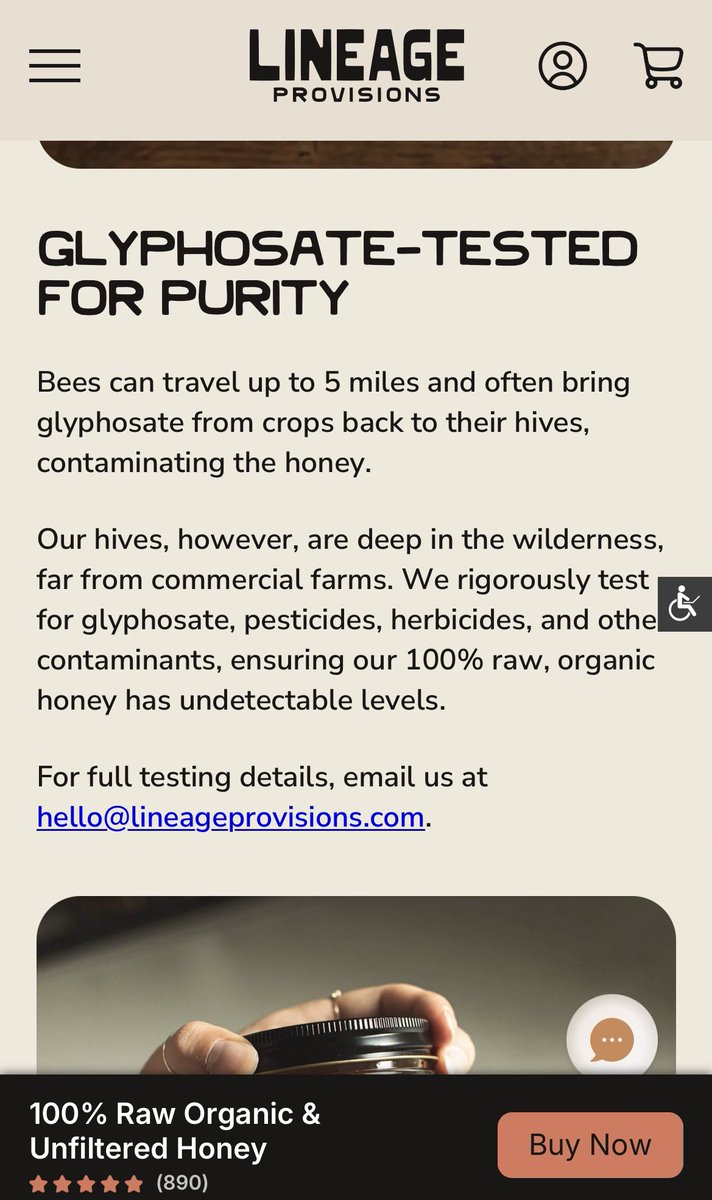
“Lineage” Honey Glyphosate Free! Source? Just email me bro
Farmer tweet media
English
2
1
11
1.1K
Raphael Sirtoli がリツイート
JOSE GEFAELL
JOSE GEFAELL@ChGefaell·
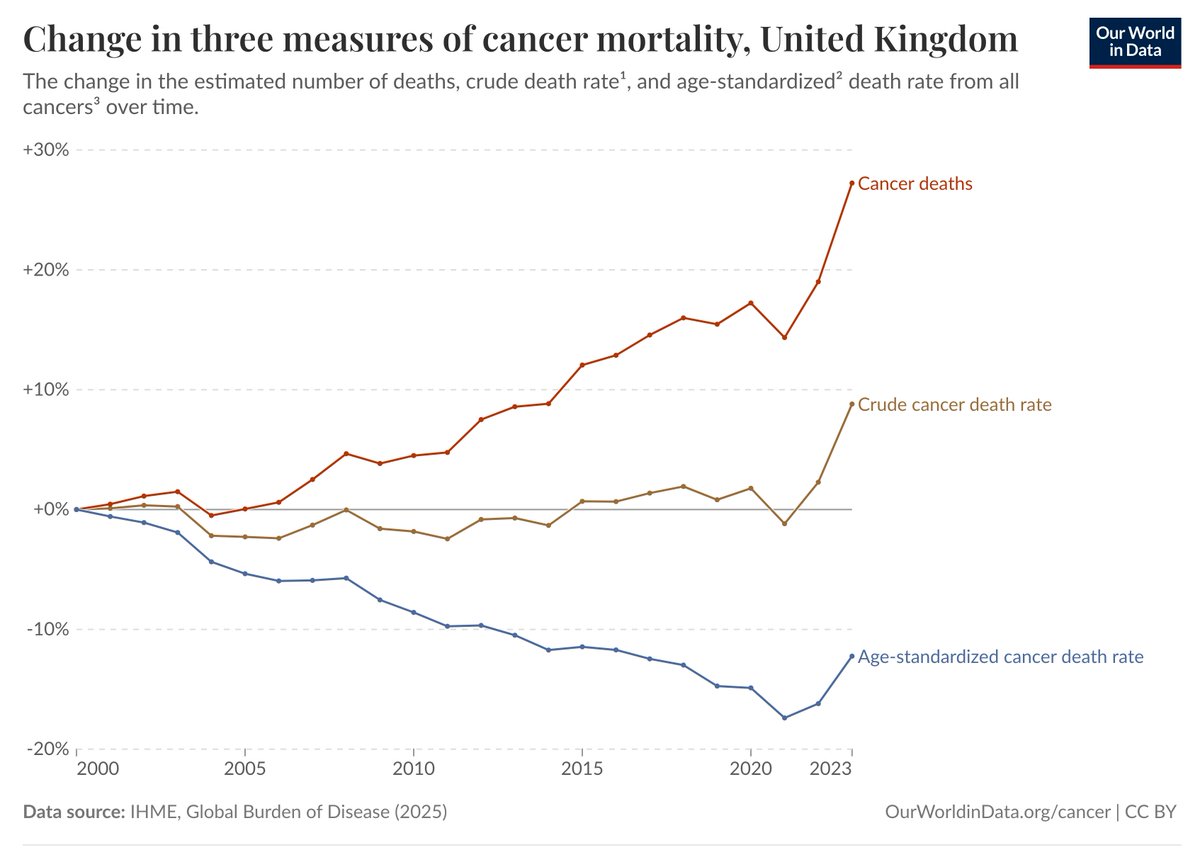
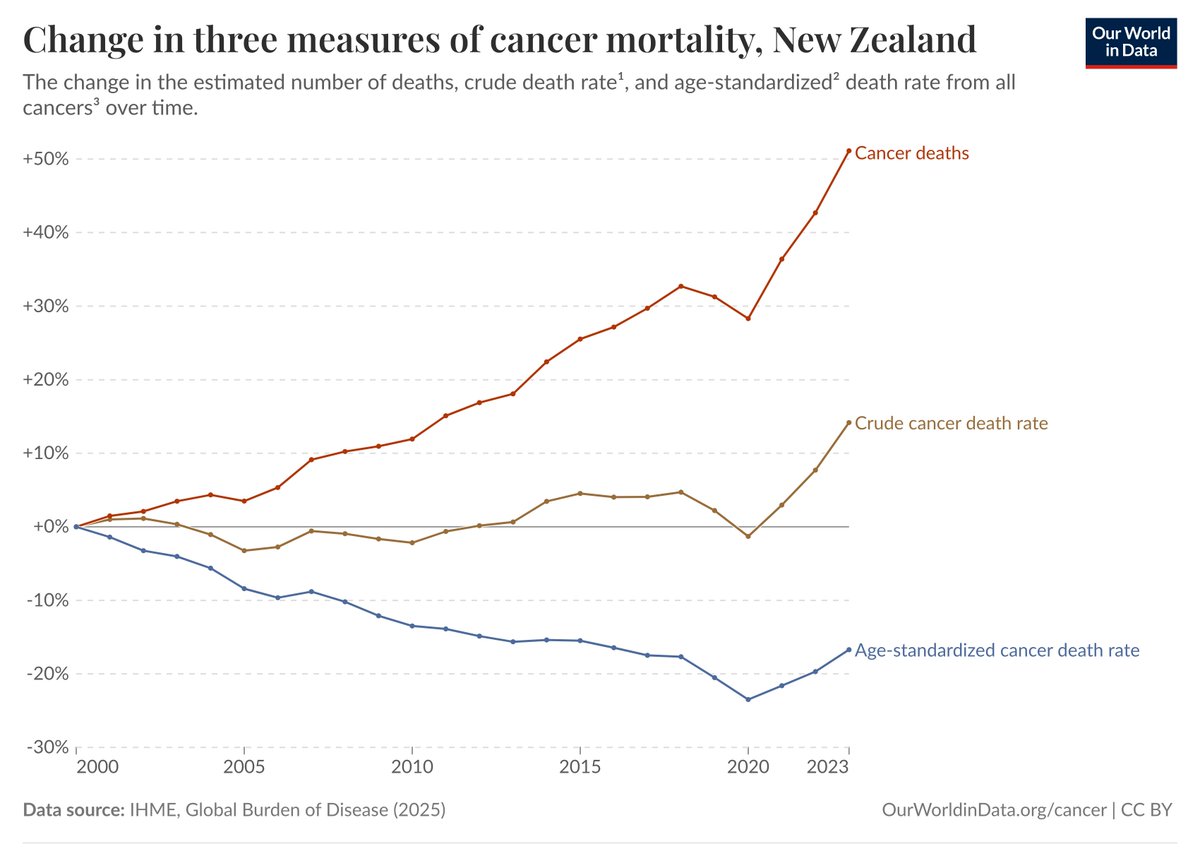
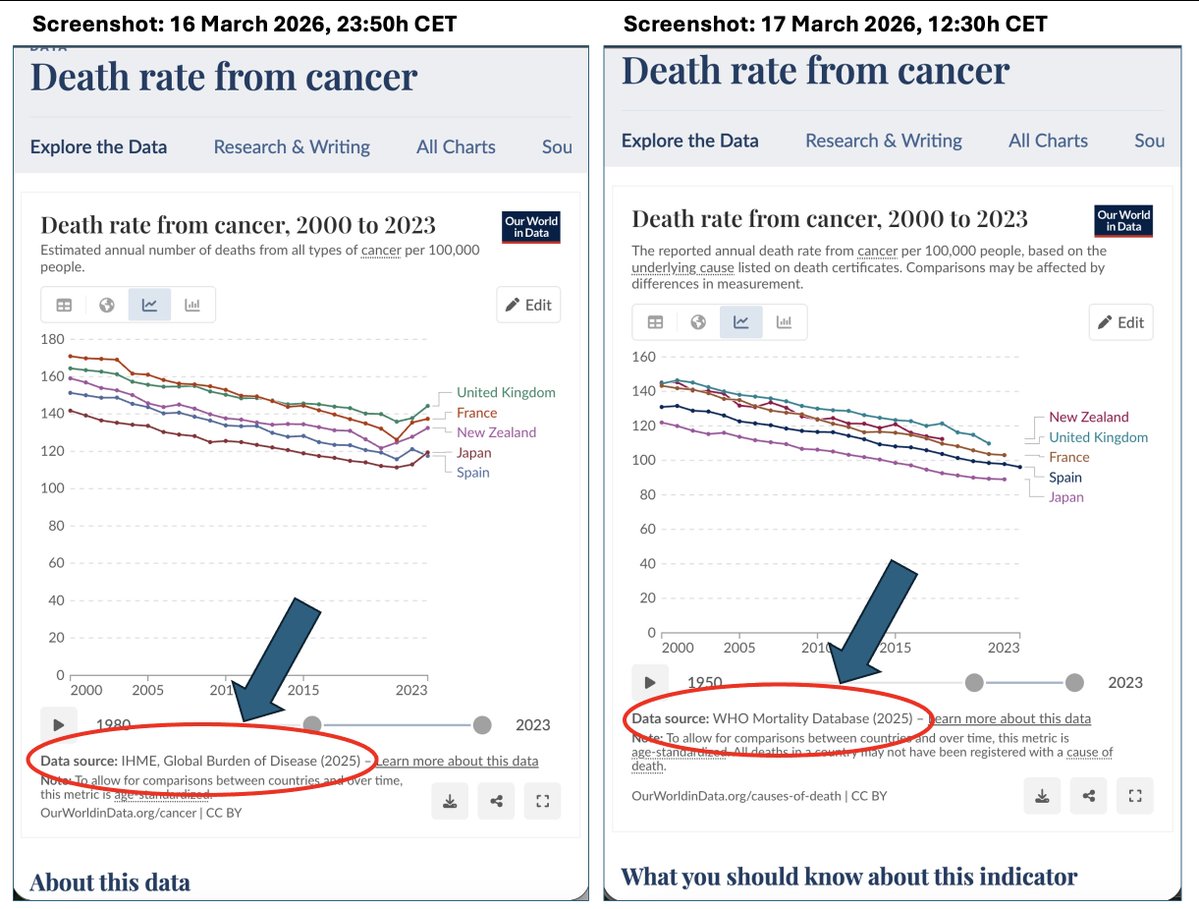
Upon further research, I can confirm that Our World in Data (OWID) hasNOT changed the source for this chart overnight. What actually happens is that OWID presents two different approaches to measuring cancer death rates: one based on reported data from the WHO, and another based on estimates from IHME's Global Burden of Disease study. The misleading part is that OWID uses the same title ("Death rate from cancer") for both charts, and the IHME IHME/GBD version can be harder to find or access online. It is widely recognized in public health that not all cancer deaths are properly registered on death certificates in many countries, which leads to underreporting in official mortality statistics. As a result, reported cancer mortality rates tend to be lower in official records than they are in reality. This explains why cancer mortality rates from WHO sources are generally lowerthan those estimated by IHME (Institute for Health Metrics and Evaluation) in the Global Burden of Disease study. IHME/GBD doesn't just "collect" raw data; it intensively adjusts for under-registration, redistributes garbage codes, and models to estimate real cancer mortality, especially addressing under-registration and mis-coding. Key estimation process for cancer deaths by IHME/GBD: 1. Massive collection of raw data from all available sources (tens of thousands of sources overall for GBD). 2. Correction and standardization: Adjustments for under-registration in vital systems; Redistribution of "garbage codes"(vague or incorrect codes on certificates, e.g., "multi-organ failure," "natural causes," "unspecified heart disease"). GBD uses evidence-based algorithms to reassign these to likely underlying causes, including cancer. This step is crucial for cancer, as many cases are not properly diagnosed or coded. 3. Ensemble modeling (combined models): Advanced statistical models (Cause of Death Ensemble model – CODEm) estimate cause-specific death rates for most causes; Mortality is estimated directly, but also informed by mortality-to-incidence ratios (MIR) for consistency with incidence data; Adjustments for age, sex, location, year, and age-standardization (using a global standard population) for fair comparisons; Incorporation of covariates (e.g., healthcare access, prevalence of risks like tobacco) to improve estimates in data-scarce countries. 4. Internal consistency: The entire time series (1990–2023) is re-estimated in each cycle to ensure comparability, even with new data inputs. 5. Uncertainty: Uncertainty intervals (UI) are calculated because data scarcity in some countries increases variability. Here are the links to both OWID charts for cancer: Death rate from cancer, 2000 to 2023 - SOURCE: Institute for Health Metrics and Evaluation (IHME), Global Burden of Disease, 2025. Estimated number of age-standardized deaths from total cancers, per 100,000 people. ourworldindata.org/grapher/cancer… Death rate from cancer, 2000 to 2023 - SOURCE: WHO (World Health Organization, 2025) Reported annual death rate from total cancers, age-standardized per 100,000 people, based on the underlying cause listed on death certificates. ourworldindata.org/grapher/cancer…
JOSE GEFAELL tweet mediaJOSE GEFAELL tweet mediaJOSE GEFAELL tweet mediaJOSE GEFAELL tweet media
English
3
32
125
6.7K
Raphael Sirtoli
Raphael Sirtoli@raphaels7·
I haven’t yet verified the validity of his criticisms, however, they are verifiable and don’t come with the usual ad hominem attacks - refreshing! Looking forward to @realDaveFeldman @nicknorwitz @AdrianSotoMota rebuttal
Simon Hill MSc, BSc@theproof

Keto-CTA Study MANIPULATED Charts!? Statistical Violations!? youtu.be/AE8VGcyhfnM?si… via @YouTube Regardless of the Cleerly debate looks like this group has some answering to do with regards to their data analysis. And perhaps some learnings for next time they publish.

English
1
1
7
7.5K
Matthew W. Johnson
Matthew W. Johnson@Drug_Researcher·
Intriguing analysis by Balázs, upshot being the large effect size of psychedelics for depression might be driven by the relative lack of placebo effect for placebo groups in psychedelic trials, because people know when they are in the placebo group. Yes there are limitations, but I think it points to something real we need to keep in mind. This helps to explain why I went with a randomized comparative efficacy design in our recent trial comparing psilocybin to nicotine patch in tobacco addiction.
Balázs Szigeti@psybalazs

🚨MAJOR NEW PAPER 🚨 just out in @JAMAPsych : Psychedelic Therapy vs Antidepressants for the Treatment of Depression Under Equal Unblinding Conditions (tinyurl.com/yu2rbtaf). I am very proud of this one, was a lot of work for me - both co-first and last author! Eternal gratitude to co-first @QuantPsychiatry and twitterless Hannah Barnett! The premise is that it is biased to compare open-label trials (=where patients know what treatment they are getting) to blind trials (=where patients do NOT know what they are getting). Open-label trials would gain an unfair advantage by higher placebo response. Even formally blinded psychedelic trials are practically open-label as its obvious to distinguish placebo from 25mg of #psilocybin. In contrast, traditional antidepressants (SSRIs/SNRIs) trials are are close to be truly blind (Lin 2022). Given the bias of open-label vs. blinded comparison, we compared the efficacy of psychedelic-therapy (which is practically always open-label) vs. open-label antidepressants for the treatment of major depression. We tested 3 prior hypothesis: - There will be a significant difference between psychedelic-therapy vs. open-label antidepressants, favoring psychedelic-therapy. - There will be a significant difference between blinded and open-label antidepressants trials, favoring open-label. - There will NOT be a significant difference between blinded and open-label psychedelic-therapy, as practically they are always open-label. In contrast with our prior hypothesis, we did not find psychedelic-therapy to be more effective than open-label antidepressants (H1). Not only was the difference not clinically meaningful, but practically there was no difference at all. This finding means that antidepressants administered knowingly to patients, which is the case in real-life medical practice, is as effective as psychedelic-therapy. This result was robust across variations in study selection, including when we removed psychedelic-therapy trials on treatment-resistant depression. We also assessed the impact of blinding in both psychedelic-therapy and antidepressants trials. We found that for antidepressants (H2), but not for psychedelic-therapy (H3), open label is associated with better outcomes than blinded treatment. However, even in the case of antidepressants, the difference was practically small (~1.3 HAMD units). How come hypothesis 1 failed, i.e. that psychedelic-therapy is no ore effective than open-label antidepressants, given that antidepressants trials are famous for small drug-placebo difference (~2.4 HAMD units), while psychedelic-therapy trials reported large effects (~7.3)? The key factor is that in psychedelic trials the placebo response is about 50% relative to antidepressants, ~ 4 vs 8 HAMD units (Hsu 2024, Hieronymus 2025). This suppressed placebo response leads to an inflated between-arm difference, as the treatment arm is measured against a lower floor. The suppressed placebo response in psychedelic-therapy trials is likely attributable to the ‘know-cebo’ effect, i.e. the disappointment when patients realize they are in the control group. In psychedelic-therapy trials, this placebo suppression accounts for 4.0 / 7.3 ~ 55% of the specific treatment effect. In other words, ~55% of psychedelic-therapy’s effect is not explained by patient improvement after the treatment, but rather by the lack of improvement in the placebo group. In summary, we found that for the treatment of depression, psychedelic-therapy is no more effective than open-label SSRIs/SNRIs. Our results for psychedelics are twofold: psychedelic-therapy demonstrated a robust and large therapeutic effects (~12 HAMD units), which justifies optimism. On the other hand, psychedelic-therapy’s lack of superiority compared to open-label SSRIs/SNRIs highlights the influence of blinding integrity and argues against overly optimistic narrative's about psychedelic-therapy's potential.

English
7
10
49
5.9K
Raphael Sirtoli
Raphael Sirtoli@raphaels7·
furthermore, the argument is that learning you're in the placebo arm rather than tripping on the psychedelic is "disappointing" enough to register as an increase on the HAM-D depression score, i.e. know-cebo - really? not sure that's a strong enough argument to account for 55% of the psychedelic's >7 point HAM-D score improvement being due to "depressing the placebo" arm
Robin Carhart-Harris@RCarhartHarris

can we assume that ineffective blind activates a expectancy causation? I think we can for standard antidepressants (as evidence supports this) but not psychedelics (as evidence does not support this).
English
3
0
3
894
Raphael Sirtoli がリツイート
JOSE GEFAELL
JOSE GEFAELL@ChGefaell·
How strange – Our World in Data has changed the source for this chart today, and the conclusion is completely different. My post above was a copy-and-paste from a screenshot taken on 16 March 2026 at 23:50 CET. But just a few hours later, on 17 March 2026 at 12:30 CET, this is the screenshot you can now see.
JOSE GEFAELL tweet media
English
183
1.3K
3.3K
281.8K
Raphael Sirtoli
Raphael Sirtoli@raphaels7·
@nicknorwitz @realDaveFeldman @AdrianSotoMota Is the code on github? I’d like to try and reproduce it myself (with some help from my team, as my stats/R skills suck) Didn’t mean to drag Simon into this, sorry. I just couldn’t be bothered to find the video in another tweet😅
English
1
0
6
428
Raphael Sirtoli がリツイート
Nick Norwitz MD PhD
Nick Norwitz MD PhD@nicknorwitz·
Completely made up nonsense. Charts were direct R output. @AdrianSotoMota can provide code. Simon in particular is embarrassing himself. Critics are contorting themselves in pretzels to avoid the fact the original CLEERLY data are upended - not a high risk group - ApoB doesn’t predict progression. We’ve offered to discuss/debate. In fact Simon has a standing offer for expenses paid trip to Vegas to join @realDaveFeldman in his pod. At this point he’s just shallowing virtue signaling and digging in his heels. Sad.
Nick Norwitz MD PhD@nicknorwitz

You’ve completely lost the thread Simon. I can tell you I did not know, and that question has already been asked and answered by Dave. Second, you seem doggedly insistent on avoiding the key questions at hand related to the data. And since it appears two questions is too much for you, how about (1) Do you stand by the original Cleerly analysis? Yes or no? If you aren’t going to provide what a straightforward answer and instead dodge the fundamentals and the data, that provides me another form of answer.


English
8
3
52
4.2K
Raphael Sirtoli がリツイート
Conversations with Coleman
Conversations with Coleman@ConvoswColeman·
Slavery in the Islamic world likely lasted longer—and involved as many or more people—than the Atlantic slave trade. Yet it remains vastly under-researched and under-discussed in the West. Why? Historian @JustinMarozzi: For years, studying it was “professionally hazardous for a young scholar.”
English
49
549
2.7K
116.7K
Raphael Sirtoli がリツイート
Hillel Neuer
Hillel Neuer@HillelNeuer·
Did you ever notice that whenever Islamists attack, the U.N. and the media rush to “put it in context” but that when the U.S. finally strikes the Ayatollah's regime, they completely omit to mention that these mass murdering mullahs spent the past five decades attacking Americans?
English
158
1K
4.8K
111.5K
William Lagakos
William Lagakos@caloriesproper2·
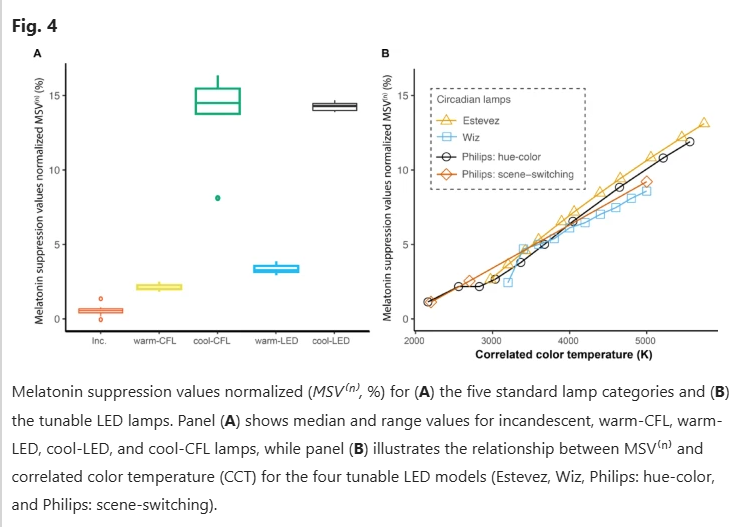
Home lighting, blue-light filtering, and their effects on melatonin suppression makes a good case for incandescent light bulbs
William Lagakos tweet media
English
6
6
29
1.5K