고정된 트윗

@SaysSimulation SF, Berkeley has been nuts for decades.
Imagine the rot leading up to this movie.
youtube.com/watch?v=oJnW0D…

YouTube
English
America First Joe
23.8K posts

@Callous_Boomer
US Citizen, husband, grandfather, USN vet, constitutional conservative. Interested in HBD, psychology and history.



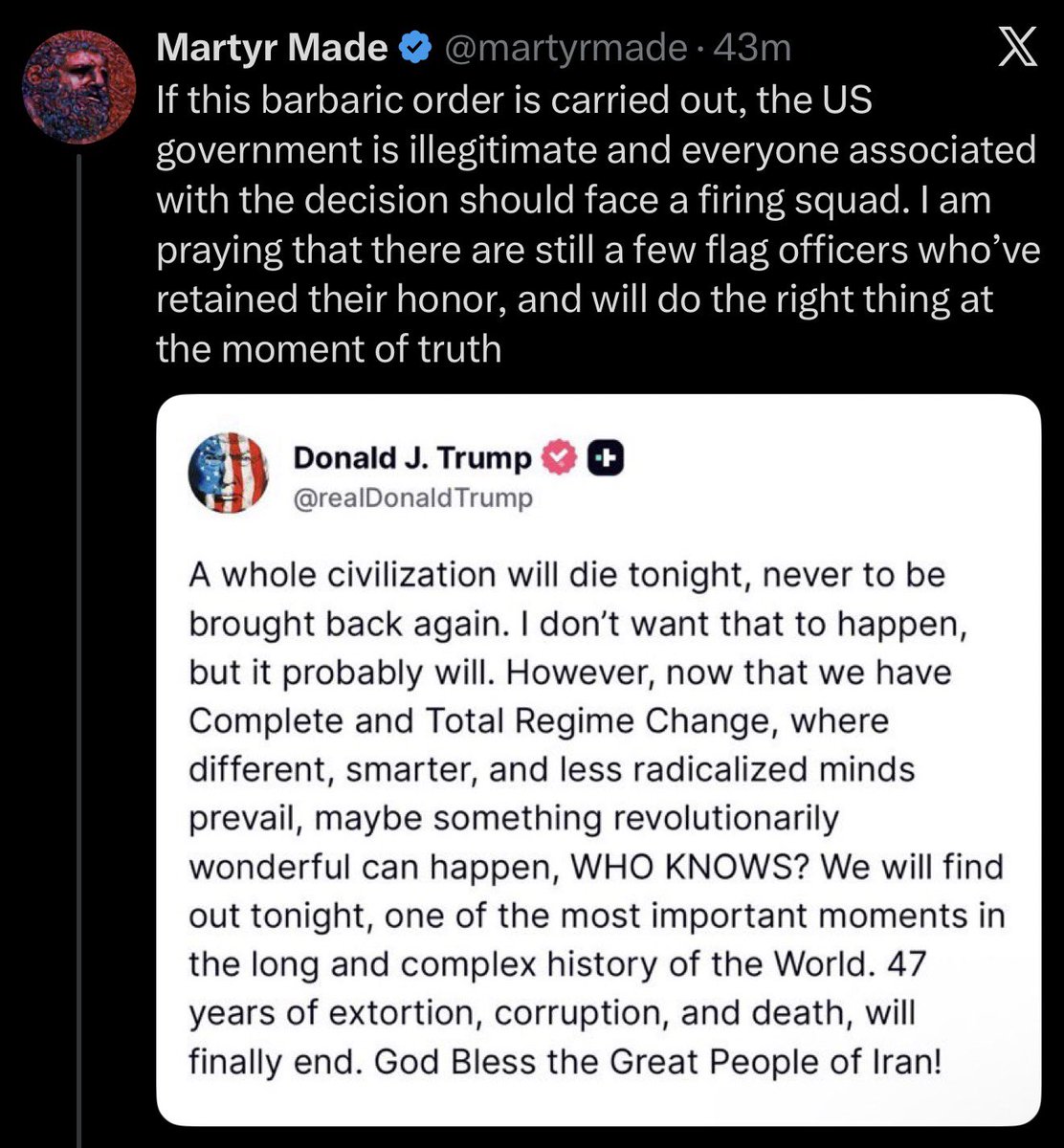

Scope for a deal looks extremely limited. Moreover, the Iranians themselves don't think talks will stop US attacks on infrastructure--nor do they think attacks will stop even if negotiations proceed. Tehran is prepared for this war to continue. wsj.com/world/middle-e…

FIRMS is showing fires all over the Al Jubail industrial area, as well as a chemical complex to the south. Big hit from Iran.


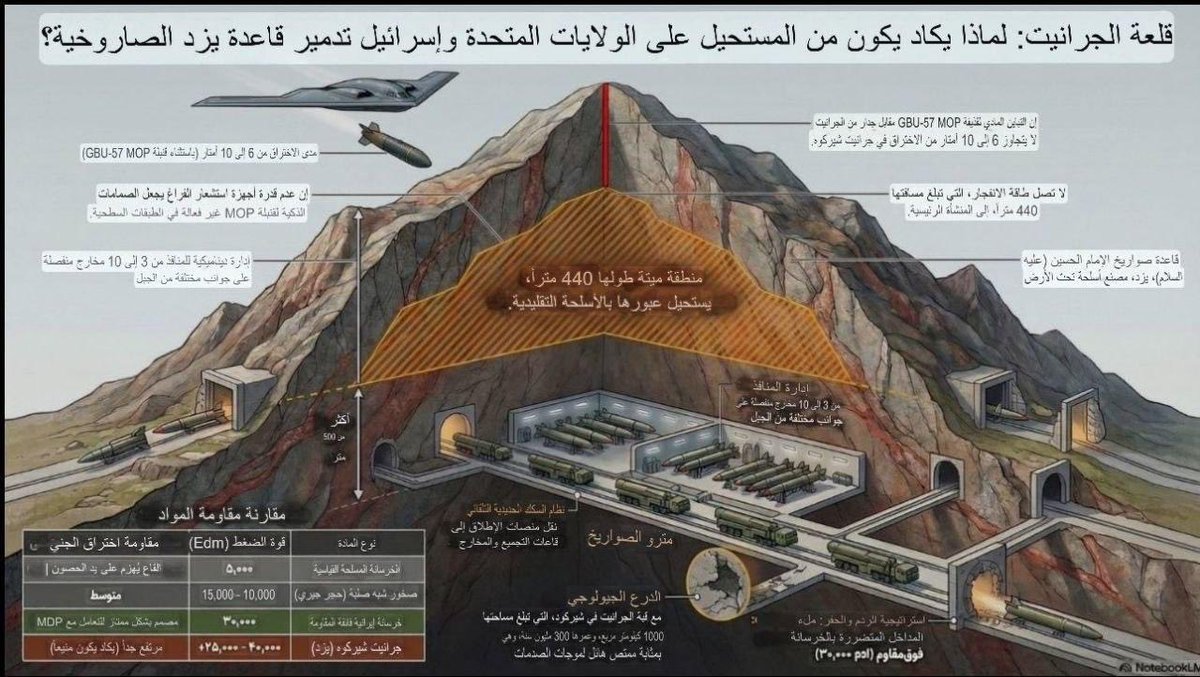

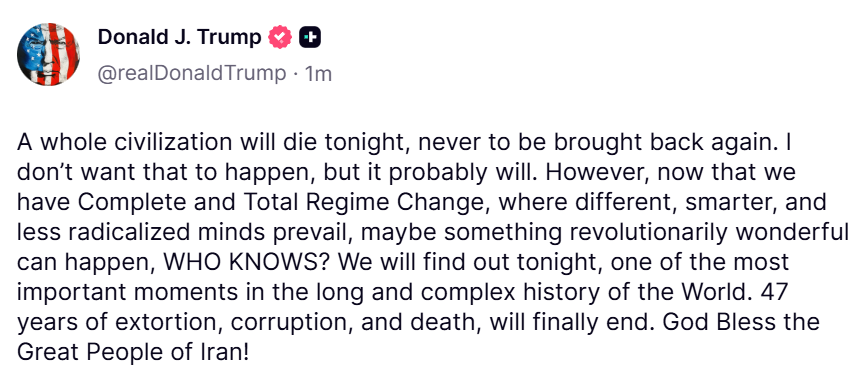

Trump: “A whole civilization will die tonight, never to be brought back again. I don’t want that to happen, but it probably will”



You won't hear a better 55-second description of MAGA and Trump than this: in terms of the perspective of any minimally honest MAGA supporter: