고정된 트윗

The Lord God took the man and put him in the garden of Eden to work it and keep it.

English
Isaiah Menning
1.1K posts
@IsaiahMenning
External Affairs Director @ACC_National | Dartmouth | Advancing natural stewardship and energy abundance for the common good | Views are my own

President Trump shared this image to Truth Social moments after criticizing Pope Leo XIV in front of the press.


Ben Sasse has the face of Christ. His bloodied visage is the result of treatment for his pancreatic cancer; the new treatment might give him a few more months. Read or listen to the interview. It's staggering, this man's hope and faith. nytimes.com/2026/04/09/opi…
“For a small number of people with lots of intentionality, lots of habits and fit communities of accountability and Sabbaths, [A.I.] tools are probably going to be pretty great. For the majority of people, I think they’re going to be disastrous.” @BenSasse on Interesting Times


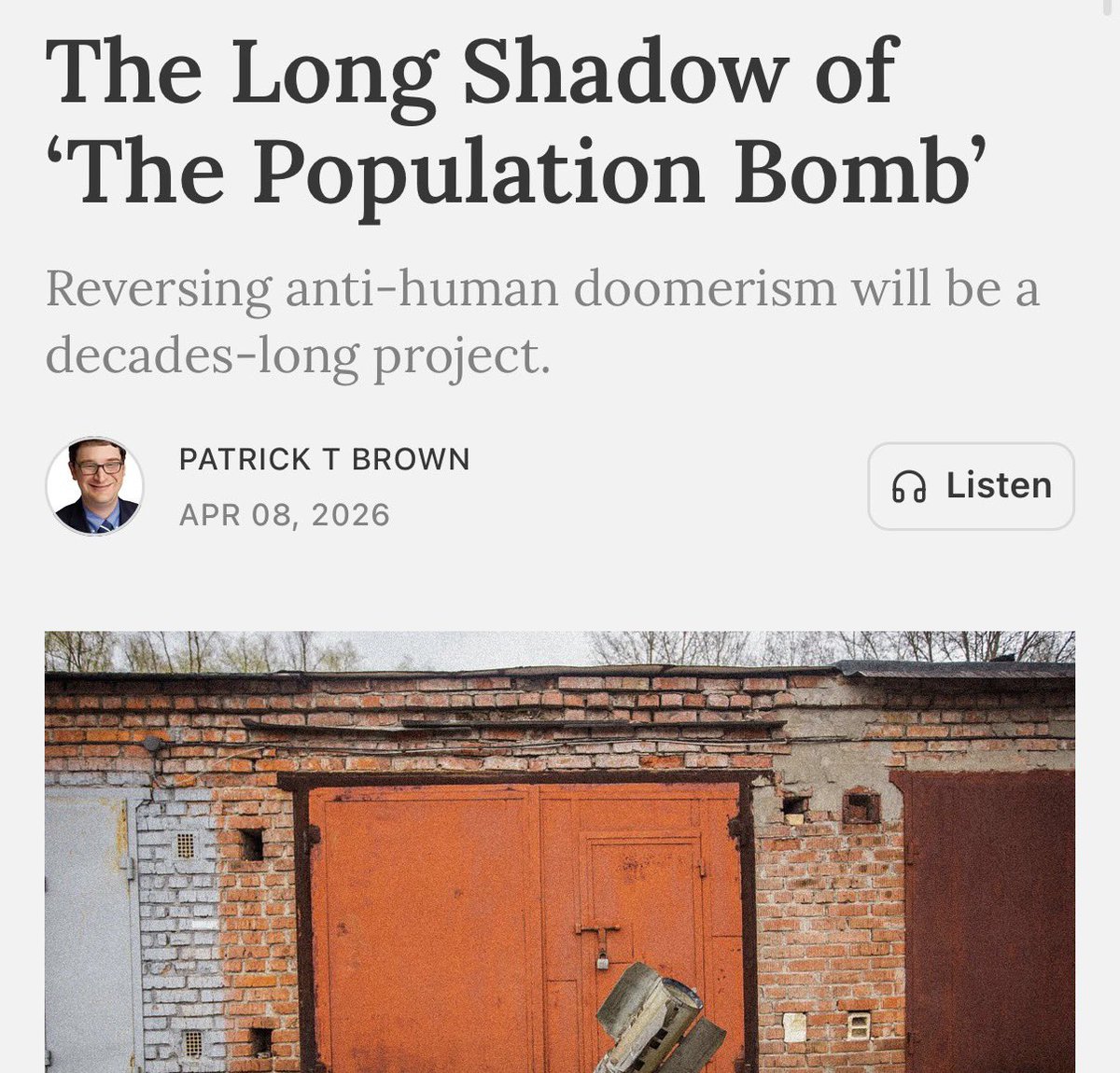


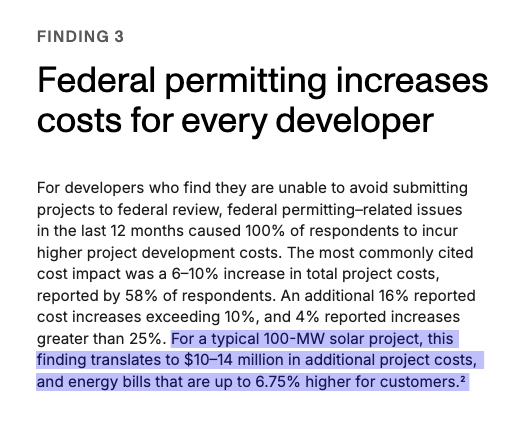
Today, @CruxClimate is out with brand new data on how federal permitting affects clean energy deployment. There are big findings in this report, which @JoinFAI was proud to be a contributor to. Quick 🧵 on the highlights:
President Donald J. Trump posted to Truth Social just minutes ago, stating, "A whole civilization will die tonight, never to be brought back again." I don’t want that to happen, but it probably will."


One of the boys fr fr



“[Many] good things have decayed in recent decades—from the family to the local community to the industrial base to the Great Salt Lake. Renewing these institutions and places while preserving and expanding the goods of modernity is the test of our time.” Today in @commonplc